South West France- a Default Destination

Not everyone enjoys travel. But those who do like it for a plethora of reasons, not least because there is so much pleasure to be had from exploring a new destination. I believe this is due to our innate thirst to learn, which does not [as far as I’m concerned] become less with age.

Having said this, there are favourite places for all travellers that they love and return to repeatedly. Call these places ‘default’ destinations. For some it’s the theme parks of Florida, others love the Canary Islands or the Costas, or Scotland.

For us, the default is France, and more specifically, south west France, everywhere from south of Bretagne down to below Bayonne and around the corner to the Spanish border has been visited, stopped at, tried and tested. Some places have become regular stops over the years, like the unappealingly named, ‘Le Gurp’ in the Gironde, a municipal camp site, pine woods stretching out into dunes, a few minutes walk up over a hummock to a minimal row of shops and bars and then the vast expanse of creamy white beach. The Atlantic Ocean rolls huge, frothy waves onto the sand. To the left are concrete remnants of old military bunkers, liberally graffitied. To the right the beach romps away into the distance. Walk far enough and you’ll be right in among the naturists!

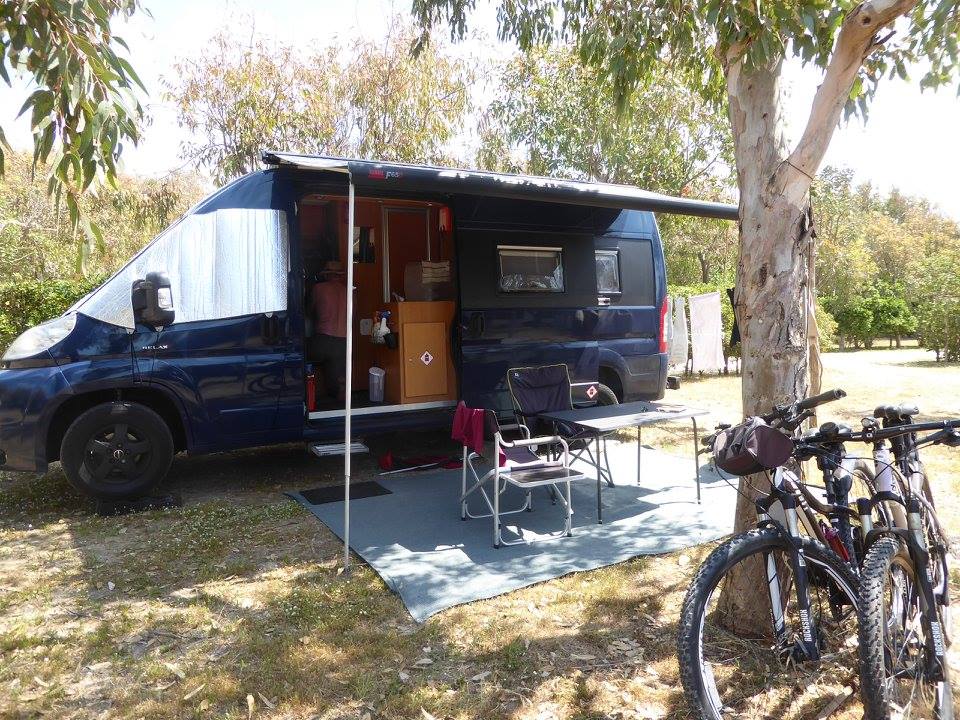
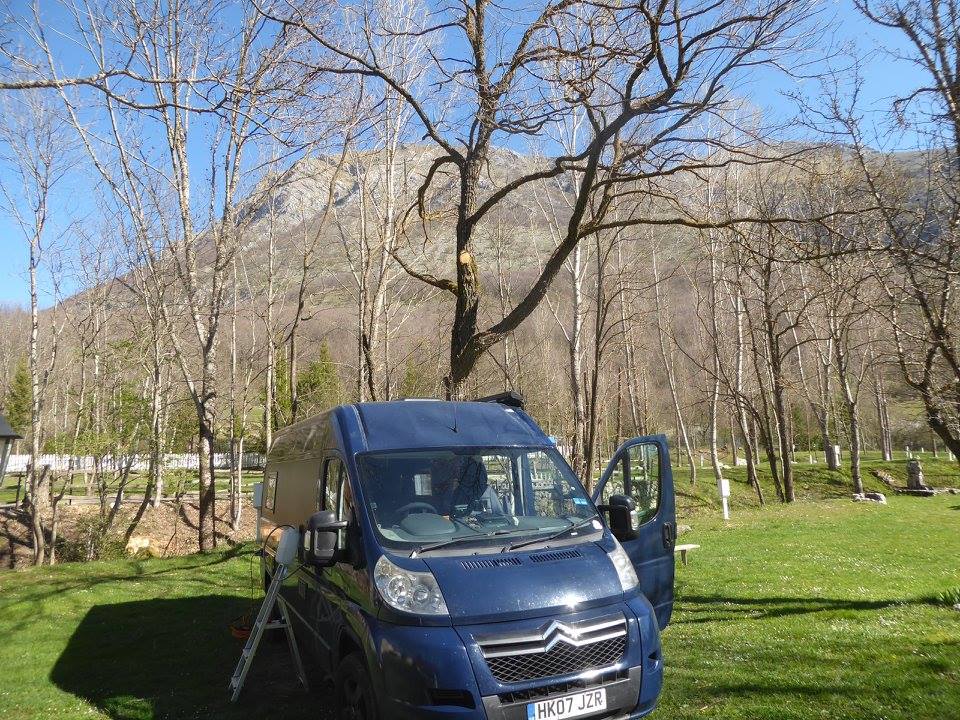
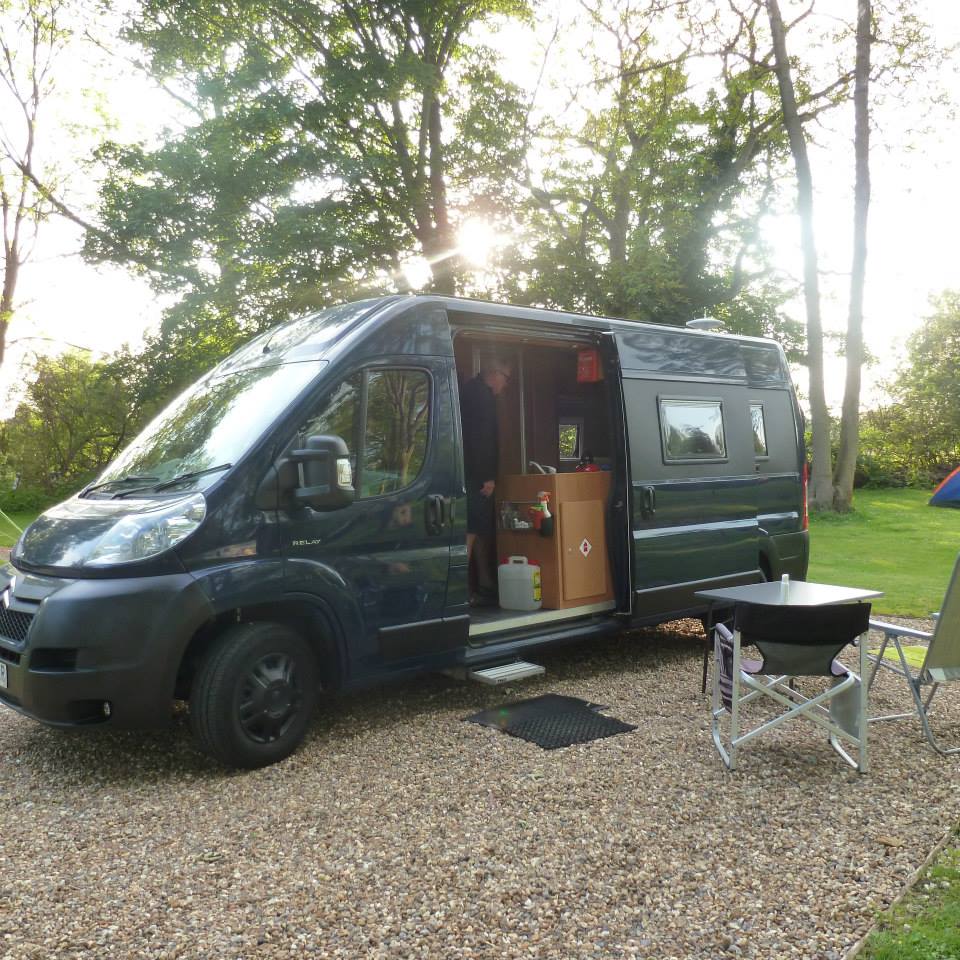
In the beginning we travelled with a tent- or rather a series of tents, then later with our first, small van [A VW pop-top, much beloved by Husband], later still, newer vans with enhanced facilities, and while we’ve explored much further afield and completed vastly longer trips, we continue [when possible] to revisit SW France.

The few bars offer just enough in terms of evening entertainment, a couple of beers and a meal seated out on the decking to watch the beach world pass by. We’ve been visiting Le Gurp since our tent travels of the 90s and I’ve no doubt we’ll return.

On the coast near Bordeaux, Le Porge is another favourite, recommended by an American we met at Bordeaux’s own site [a convenient, easy cycle from the centre] it also has a handful of beach bars and a wide, wild beach.

Further south, in Les Landes, we’ve enjoyed some wonderful times at camping St Martin, which again has direct access to an outrageously gorgeous beach plus a range of restaurants, bars and shops. From here, beautiful, paved cycle routes extend along the coast both ways, even and into miles of pine forests. The site provides pristine facilities and has become a firm favourite that we’ve returned to many times over the years.

Further north there are beautiful islands: Isle de Re, Isle de Noirmoutier and Isle d’Oleron, accessed via arching bridges and each with their own character; they are marvels for those who enjoy seafood and especially oysters [a pleasure I came late to but have embraced!].

There are countless, tiny places up and down the long Atlantic coast that we’ve stayed in; Conti Plage, Moliets, Arcachon- too many for me to recall. There are many cycle routes we’ve repeated, cafes and bars we’ve revisited, stores we’ve returned to.

On occasions we’ve left if the weather hasn’t been good, perhaps to dash south or drop around the corner and across to Portugal. But we know we’ll be back again, parking the van up in old haunts that feel like coming home.

Grace is also known as the novelist, Jane Deans. Her new novel, The Conways at Earthsend is now out and available from Amazon, Waterstones, Goodreads, W H Smith, Pegasus Publishing and many more sites. Visit my author page on Facebook: (1) Jane Deans, Novellist, Short Fiction and Blog | Facebook

A Fine Week for Devon

We reserved a table outside at The Ship Inn at Cockswood for 6.00pm, hoping that the sun would last long enough for us to be comfortable. In the event, although we’d selected a table that would catch the last rays, the wrought iron chairs, surrounding trees and an invading cloud thwarted any hopes of warmth. It was a good meal, but I envied those who’d had the forethought to bring cosy blankets to wrap up in. A chilly edge to the wind persisted.

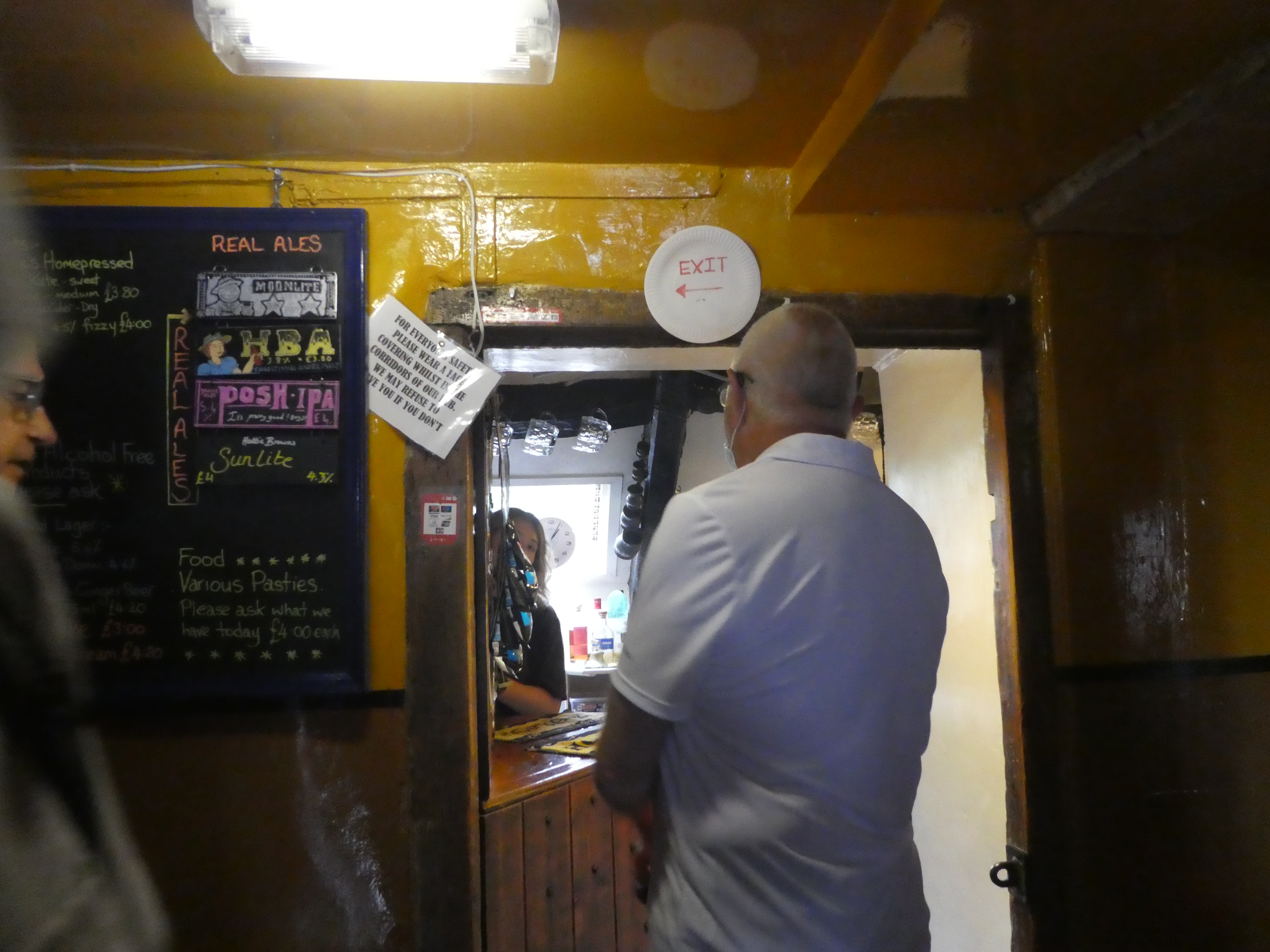
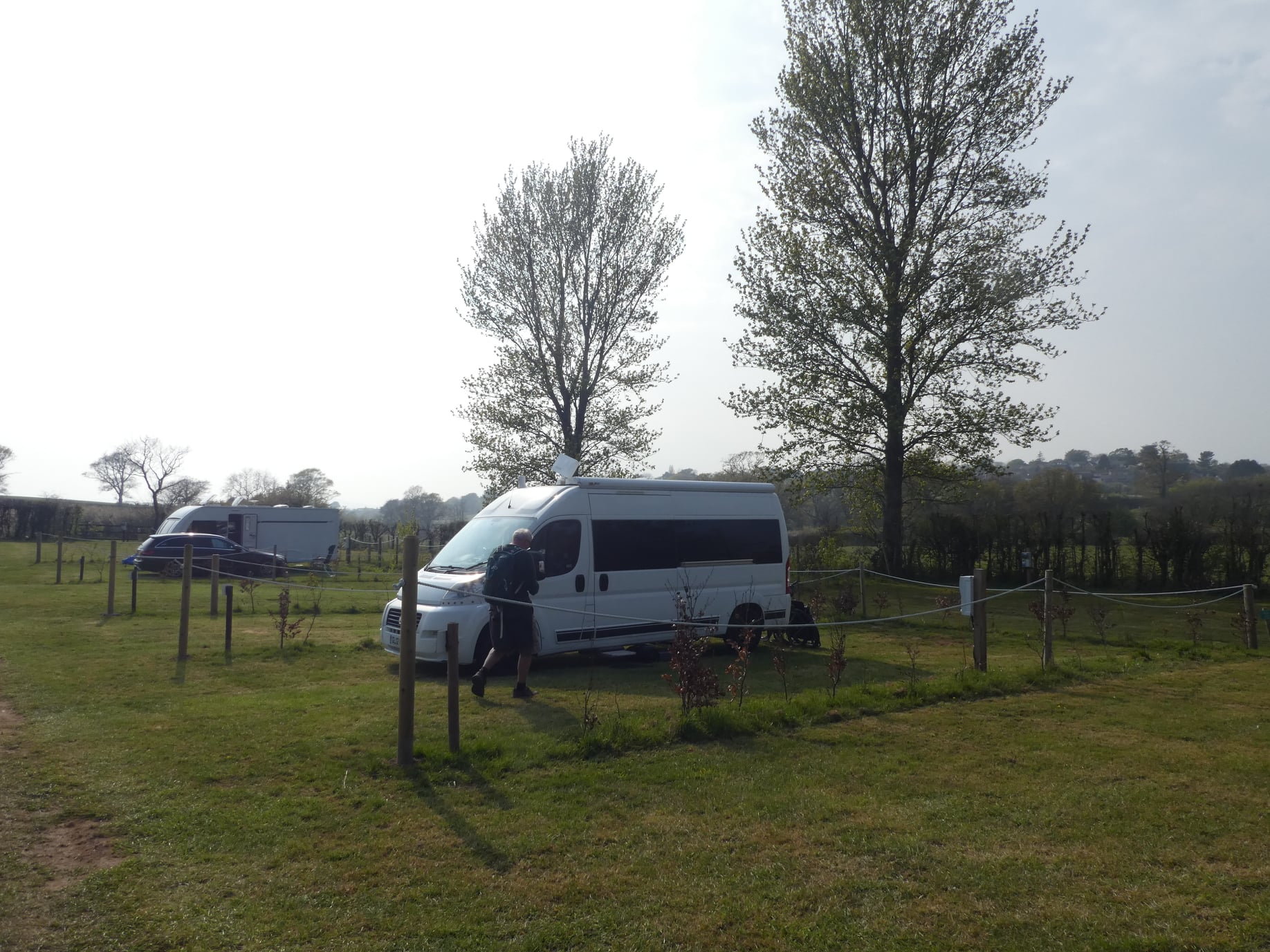
Half way through our week exploring the Ex estuary we moved to the other side of the river, to a site called Prattshayes, joining a handful of vans and caravans in a field next to a small stream, presumably once a farm but now a holiday complex consisting of camp site and rental cottages. Less than half a mile up the lane lies the village of Littleham, a large community with two pubs. We wandered up in evening sunshine and had a beer in the garden of The Clinton Arms, although the menu wasn’t tempting.

Cycle fanatic van neighbours, older but clearly more sprightly, recommended a route along an old railway track to Budleigh Salterton, which we decided to tackle next day.

The first climb came up through Littleham village, then after some confusion about where the cycle path began we rode up…and up…

The path curved up through woods, occasional gaps giving glimpses of wonderful views over the Devon countryside and farmland. While it was never steep the gradient was relentless. I vowed not to get off and push as I had on the way to Dawlish and was relieved to make it to the top without walking and even with one or two gears left! Then it was the blessed downhill slope and a hopeless muddle of attempts to find the cycle path in the back streets of Budleigh.

At last we plunged down into the tiny town and to the pebbly beach, where a kiosk was doing brisk business in ice creams and coffees. Feeling that an ice cream might be deserved by now we indulged, then walked the bikes along the prom until we were back in town.

We followed up for our final day with a walk up and along the coast path via ‘Sandy Bay’ holiday park, memorable in that in must surely be the most vast array of chalets the world has to offer, [unless you, reader, know better?]. Once we’d crossed it, though, the coastal views were wonderful and we could loop back along the lanes and a footpath to our site without retracing our steps.

That was it for south Devon- until the next time- and somewhere I’ve never been…

Grace is also known as the novelist, Jane Deans. Her new novel, The Conways at Earthsend is now out and available from Amazon, Waterstones, Goodreads, W H Smith, Pegasus Publishing and many more sites. Visit my author page on Facebook: (1) Jane Deans, Novellist, Short Fiction and Blog | Facebook

A Tiny Taste of Freedom

We are in Devon, south west England, just for a week. I’ve paused my antipodean travelogue for this diversion, mostly because any kind of change of scene is a novelty in these restricted times.

The 20/21 winter was long, difficult and gloomy, with its deluge of grim news and statistics pouring out day after day. It prompted a longing for at least some spring weather and lighter evenings. Nobody wants to wish their life away, least of all those of us with fewer years ahead, nevertheless I longed for spring. Now here it is; and with it a small loosening of the bonds that tied us.

We are re-aquainting ourselves with our campervan, which we have used for odd days out but not for an overnight stay since last summer. The weather is fine, with a cold-edged wind as we prepare and pack and I know for sure I’ll have forgotten items or will have packed entirely unsuitable clothing.

We sweep down and across our home county of Dorset following a route we’ve travelled many times but that always provides magnificent views of the Jurassic Coast and charming villages along the way.

We’ve had to begin reserving, planning and booking- a strategy we’re unused to employing as we usually travel on a ‘where shall we go today?’ basis, once, famously turning right at Bordeaux instead of left for the Med due to a forecast of snow, and landing up in the beautiful sunshine of Portugal instead.

Our first destination is in the village of Starcross, between Exeter and Dawlish, a farm site in a valley with a stream and a pond, beautifully laid out. We have a pitch overlooking the hens’ enclosure. It is warm enough to have coffee or lunch outside and I become fascinated by hen society; the way they move en masse from one area to another or individuals make sudden bursts of running for no apparent reason. When I approach the fence they all gravitate to me, presumably in hopes of food although I prefer to imagine it’s in greeting.

Having set up, we walk into Cockswood, a few minutes away, to sit in the outside area of The Ship pub for a drink and to reserve a table to have dinner next evening. There is just enough warmth in the sun for it to be comfortable.

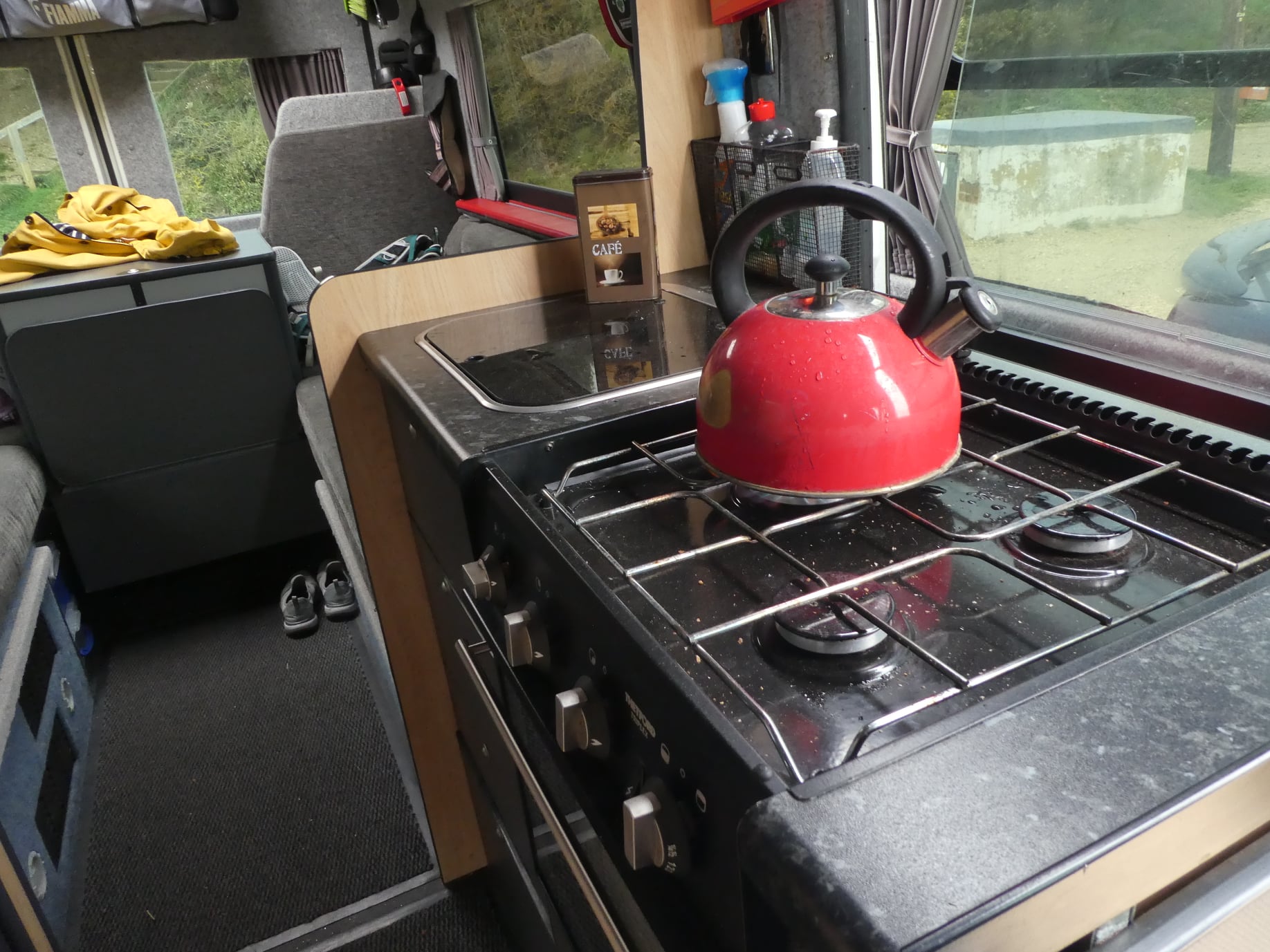
We swing easily into van routine, sleeping well and waking to tea before morning chores; emptying and water-filling. There’s plenty of time to read, write or potter [Husband’s preferred activity] then after lunch we set off for our first, amoebic cycle of the year, towards Dawlish. I’ve got over my first cycle wobbles by the time we reach Dawlish Warren, a funfair and tourist spot which is seething with revellers, although my thighs are aching, but when we turn up towards Dawlish itself the hill proves too much and I have to alight and push. I’m alarmed! Is this the end for me and cycling?

Next day we stride out along the footpath towards Exeter, past Powderham Castle and the church then along the river bank towards the canal. we stop for a rest at the loch, where the pub is doing great business, most tables being occupied. We turn back and sink onto a bench, footweary by the coffee kiosk in Starcross for reviving tea and cake.

Grace is also known as the novelist, Jane Deans. Her new novel, The Conways at Earthsend is now out and available from Amazon, Waterstones, Goodreads, W H Smith, Pegasus Publishing and many more sites. Visit my author page on Facebook: (1) Jane Deans, Novellist, Short Fiction and Blog | Facebook
New Zealand 2011. Northland.

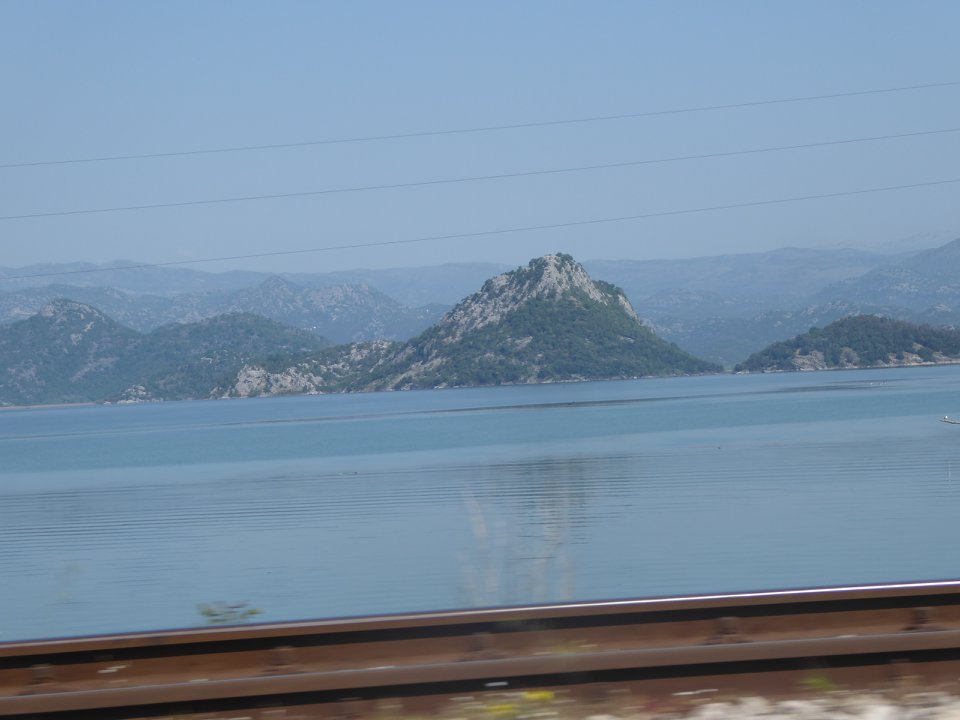
We’d come to the final leg of our New Zealand Odyssey, leaving Aukland to strike out to the country’s aptly named, northernmost part, Northland. Here we motored up to Cape Reinga via ’90 mile beach’, a long, curving stretch of sand up to a headland where two seas meet; the Tasman Sea and the Pacific Ocean. For the Maori these are the male and female seas coming together, ‘Te Rerenga Walrua’, representing the creation of life. Along the way, huge dunes provided a tourist draw for sand surfing, although there were no more than a handful of takers.

Here, as all of the coast throughout New Zealand the waters were clear, striking, azure blue and turqoise, topped with white froth. At the top of the headland where the two seas can be viewed in a turbulent cauldron there is a lighthouse and a couple of helpful signposts displaying distances.

We followed up with a visit to the Waipoua Kauri Forest. The Kauri trees are ancient giants of conifers, rightfully treasured and protected by walkways, platforms and paths. Like the giant Redwoods of California there are revered trees, special for their age or size and we took our time to gape and to wonder, humbled by the dimensions and endurance of these wonders.

There was little of our time in New Zealand left as we headed for Coromandel, where many tiny islands poke out of the sea and the terrain of the Peninsula is green and rolling. Coromandel town is tiny but we located a bar where we could enjoy a drink and people-watch. It was a favourite haunt of the local fishermen who loped in straight from work, wearing shorts and wellington boots.

Then we enjoyed a last visit to the beach at Cathedral Cove. I was glad, here that I hadn’t left it too late in my life to visit New Zealand. The climb down to the cove was not for the fainthearted. But once we’d got there we could understand how it got its name, as the rocks have formed a cave with a vaulted ceiling, as if a demented architect had been down here and built a huge temple on the sand.

It was time for us to leave. We’d had six weeks in New Zealand, meeting friendly people, enjoying the thrills of the RWC and taking in as many sights and experiences as we were able. And I know ther was so much more we hadn’t seen and done; the South Island east coast’s snowy glaciers and caves, the north west of North Island, Aukland and so much more.

But we were scheduled to leave. But not, reader to return to the UK. The trip had much more in store as we were about to leave NZ and take a look at another country- and a very large one, too. But that must wait for another time, another post…

Grace is also known as the novelist, Jane Deans. Her new novel, The Conways at Earthsend is now out and available from Amazon, Waterstones, Goodreads, W H Smith, Pegasus Publishing and many more sites. Visit my author page on Facebook: (1) Jane Deans, Novellist, Short Fiction and Blog | Facebook

New Zealand 2011. North Island.

The move from South Island to North Island coincided with a change in the weather, meaning that both our ferry voyage and our exploration of Wellington were dogged by cloudy, rainy conditions, although we enjoyed a hospitable and fun time at the rugby club that had accommodated us.

By the time we’d got to Napier the clouds had cleared and we got to look at art deco Napier in the sunshine. I’ll have to admit here that while there were art deco frontages to buildings in the town it didn’t have the wow factor I was expecting, but the seafront palisades and gardens were lovely. Nearby Huka Falls, however was astonishing; turquoise foam rushing along a rocky channel with a loud roar.

We were making our way towards the geo-thermal areas and parks around Rotarua, a place I’d been eagerly anticipating since before we left the UK. At the ‘Craters of the Moon’ park, boarded walkways took us across pools of boiling, steaming mud, a fascinating sight as slow, wrinkly bubbles appeared, burping up smelly, bad-egg plops as though alive.

But is was Te Puia park that stunned us, with ‘cooking pools’, steaming streams, sulphorous rivers like lava pouring over the rocks and best of all, a tall, spouting geyser that shot a plume of hot steam high into the sky at regular intervals-the ‘Pohutu’ geyser being the best.

Our site at Rotarua had its own hot tub in a cabin and could be reserved, a benefit that was hard to resist- and this before hot tubs became the ubiquitous, trendy ‘must-haves’ they are today. It was also at Rotarua that Husband and I opted for individual activities- He to spend a day in the rapids, white-water rafting and I to the beautiful Polynesian Spa, supposedly one of the top ten spas in the world. Here I spent an afternoon lolling about in a series of warm, then progressively hotter pools before having a massage, exiting the spa with a feeling that all was certainly right with the world. Husband’s day had left him exhilarated, so all in all Rotarua was considered a great place.

We spent a tranquil day or two at Waihu Beach then made our way to Auckland, where we were to spend a few days with an old friend of Husband’s from uni days and take in another rugby match. Friend, as it turned out, was eager to show us the area around Auckland, ie beaches, forests etc. For once I’d have been interested to view New Zealand’s capital, but our host was hell-bent on avoiding the metropolis. So we looked at beaches, waterfalls and forests and they were all lovely. But here is the thing; we discovered that Friend, and many of those like him who inhabit North Island seldom travel to South Island and appear to know less of it than we who had toured it.

But we were lucky to be able to stay at Friend’s house in Auckland and to be able to park the van in the road outside. Parking slots were at a premium with the impending rugby match and we were in walking distance of the ground. On match evening there was a cranking up of the party atmosphere with Maori dancers and much dressing up. We were to see The All Blacks, playing Argentina, which meant we’d get to see a real life Haka performance too- an event that impresses me more than it does Husband!

We took our seats, the two in front of us occupied by a couple dressed in red wigs and red and white flags, indicating their status as England supporters even though England were not playing, only to discover that they were Ali and Claire, who we’d met on the train from Dunedin! This made the evening all the more special, as did the friendly New Zealanders next to us.

We bade Friend farewell and got back on the road for a trip northwards, with more sights and surprises in store…

Grace is also known as the novelist, Jane Deans. Her new novel, The Conways at Earthsend is now out and available from Amazon, Waterstones, Goodreads, W H Smith, Pegasus Publishing and many more sites. Visit my author page on Facebook: (1) Jane Deans, Novellist, Short Fiction and Blog | Facebook

New Zealand 2011. Abel Tasman.

If you were to write a tropical paradise then the Abel Tasman National Park, in the north of New Zealand’s South Island could be your guide. As we arrived to our camp site, at Kaiteriteri, the skies were a flawless blue and the sea azure. We’d learned that we could catch a water taxi into the park, be dropped off at the start of a hike and picked up at another point, which was perfect. On the way we got to see ‘Split-Apple Rock’ before the boat pulled in near to the shore and a walkway was lowered to the beach- thus avoiding wet footwear.

By now we had long given up our warm layers, as since moving north [and with the benfit of a few weeks on towards summer] the weather was becoming hot. It had been tricky packing one bag for a long expedition covering all weather conditions but until now we’d at least had the benefit of the van to avoid carting heavy luggage around too much, although later in the trip this did become a headache.

So we spent our day walking along the white beaches, padding across lofty bridges spanning ravines, wandering through forest shaded with beautiful tree ferns and following rippling streams. emerald with reflected vegetation and dotted with enormous boulders, a spectacular way to spend a day.

Next we were off to Nelson to watch Australia play Russia, a wacky event at which the Aussie spectators had gone to town with their outfits. We’d been on South Island for a month and had packed in a lot of sightseeing and rugby. We’d worked our way up to the north, leaving two weeks to see what we could of North Island before moving on to the second big part of our expedition. In order to travel to North Island with our van we needed to get the ‘Interislander’ ferry, which, under good weather conditions would be a spectacularly beautiful boat ride, but on this occasion we were unlucky and made the crossing under grey skies and misty drizzle- which demonstrates that the course of true travel does not always run smoothly. Then we came to Wellington and [appropriately perhaps] the heavens opened and we were inundated.

Another first was that all Wellington campsites were full, which meant we’d need to use the local rugby club’s facilities. We turned up there, following the diversion sign and went to the clubhouse, where we were warmly welcomed by the kindly members, offered use of the club’s showers [an interesting experience] and offered a curry sauce for the chicken curry I was planning to make for our dinner!

We made use of our time to see what we could of Wellington, in spite of the rain, taking a cable car to Victoria Peak and looking at the old, timber government buildings.

Next stop was Napier and its art deco buildings…

Grace is also known as the novelist, Jane Deans. Her new novel, The Conways at Earthsend is now out and available from Amazon, Waterstones, Goodreads, W H Smith, Pegasus Publishing and many more sites. Visit my author page on Facebook: (1) Jane Deans, Novellist, Short Fiction and Blog | Facebook

New Zealand 2011. Arrowtown and Continuing North.

We left Queenstown for the more sedate pleasures of Arrowtown, and to visit friends who’d moved from the UK a few years before and were now firmly established in a small community nearby. Lucky for us, a campsite was within walking distance of their house and was sparsley inhabited.

We went to dinner and were shown around their home which, although a work in progress was already a house to be proud of, not least for its wow factor of a view; mountains surrounding it. I often wonder how much our daily environment shapes us. What is it like to wake to a view of snow-topped peaks every day? Our friends were clearly not unhappy with their choice!

Rising next morning and preparing to look at tiny Arrowtown and walk Sawpit Gully, I took a couple of beer bottles to the recycling bin, where a portly man was reclining on a bench. ‘That’s a viry poor iffort’ he remarked as I dropped the two bottles in, a comment that had me chuckling for days.

Arrowtown is like a little old, wild west town with historic wooden buildings, its main street lined with rustically named stores like ‘The Golden Nugget’ against a backdrop of rocky hills. It is tiny and characterful. In the afternoon we followed the Sawpit Gully trail up into the hills for spectacular views.

Then we were on the move again, to Kaikoura, where the blues of the sky and sea are almost impossibly vivid, like jewellery and the air cool and pure. Young seal pups dotted the rocks and it was here we opted to go whale watching.

Before we left on the sturdy boat, packed into rows inside the cabin area, we were told to expect bumpy seas- and as we got underway and left the shelter of harbour I felt I could have succumbed to the boat’s movement, whci was decidedly quease-inducing. But I stared hard at the horizon and managed to stave it off, until the engines were cut to idle and we climbed up on deck to see the giants we’d come for. Two magnificent whales surfaced and hung around long enough for camera shots and gasps of pleasure from us all. On route back we also spotted an albatross- a giant of the skies with its widest wingspan.

I loved Kaikoura with its postcard perfect scenery. A subsequent earthquake tremor destroyed the beautiful coast road we drove in on and I felt lucky that we had been there at all. Yet it was quiet and we were free to stroll around the bay and sit in the sunshine with a beer and hardly another tourist in sight.

Some Brits we’d met on the Dunedin train ride, Ali and Claire, had recommended the Abel Tasman National Park to us, so it was our plan to travel there next. The skies were blue, the temperature warming, there was still so much to explore!

Grace is also known as the novelist, Jane Deans. Her new novel, The Conways at Earthsend is now out and available from Amazon, Waterstones, Goodreads, W H Smith, Pegasus Publishing and many more sites. Visit my author page on Facebook: (1) Jane Deans, Novellist, Short Fiction and Blog | Facebook
NZ 2011. Queenstown.

You have only to make a cursory search into New Zealand’s highlights for Queenstown to come up in the results. It is known, not only for its stunning scenery but for its opportunities to be active in all kinds of ways. Jet skiing, jet boating, boating, kayaking, walking, mountain biking are just a few. But above all, Queenstown’s biggest draw for thrill-seekers is bungee jumping. And the most famous of all bungee jumps, the place where it all began is the Hackett Bungy at Jack’s Point.

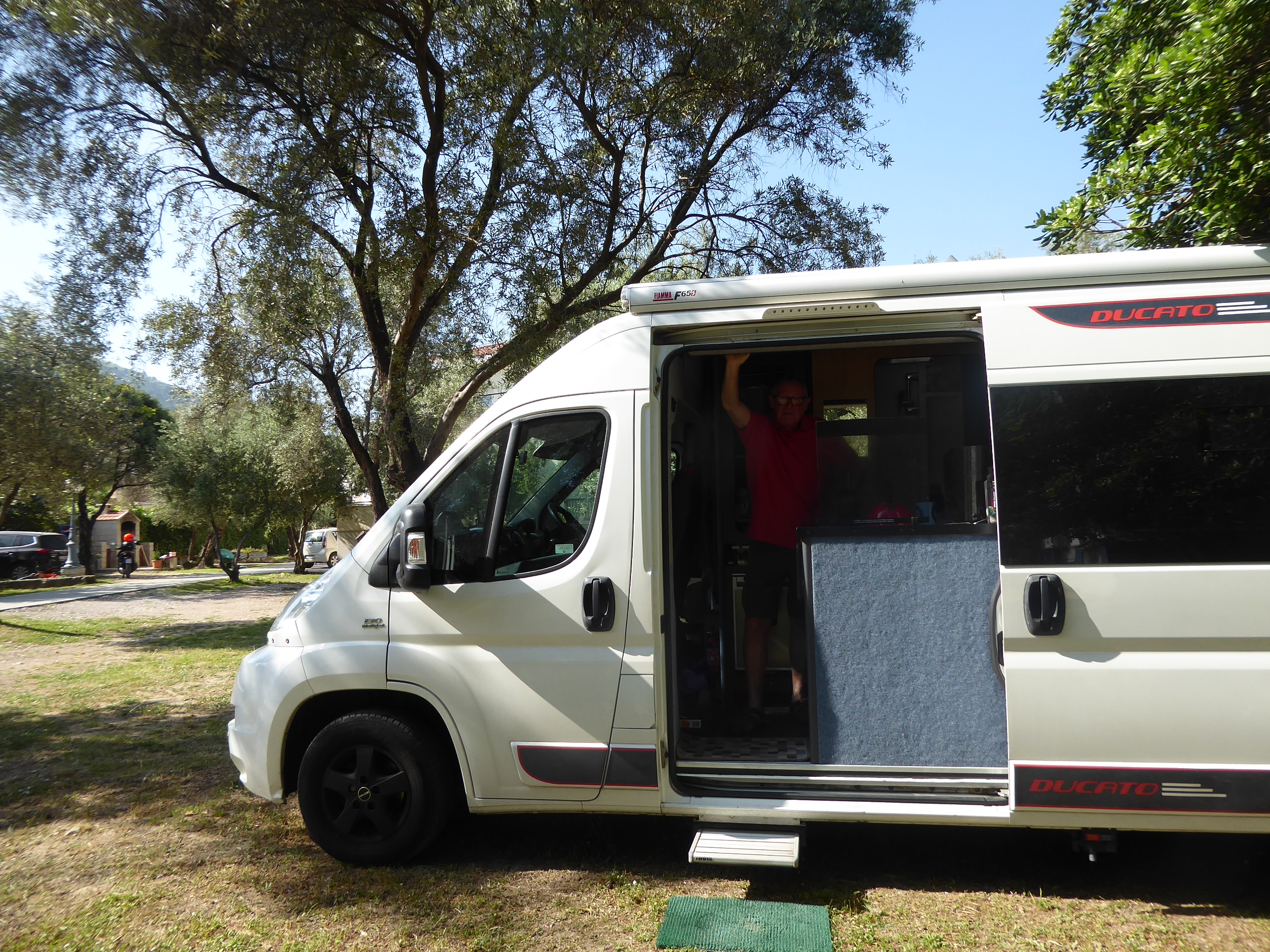
The Queenstown campsite is elevated enough to provide spectacular snow-topped mountain views but was busy, accommodating all kinds of travel vehicles, from bells and whistles motorhomes to spartan, cleverly converted estate cars with cunning stoves that pulled out under the boot lid. The showers were beautiful but, unusually, needed a coin in the slot. In the bitter cold evening I walked across between the rows of campers to the block with my two coins clutched in my hand, intending to wash my hair. When ready, I inserted both coins into the meter, after which the shower ran tepid so I shampooed quickly, expecting the water to heat up. It didn’t. In fact it ran colder than any shower I’ve had before or since, the water feeding down from the snow clad slopes. With a head full of shampoo there was nothing for it but to continue and get finished as fast as possible! Invigorating but brutal and I was never more glad to be dry, dressed and back in a warm van.

Next day we were up for exploring Queenstown.

Now neither Husband nor I was ever likely to willingly throw ourselves off a spindly platform into the void attached to an insubstantial bit of elastic, but we were excited to see others take the plunge.

At Jack’s Point a footbridge spans a deep gorge with a rushing river below. A platform attached to the outside of the footbridge exists for those brave or foolish enough to want to experience the rush of adrenalin that accompanies hurling yourself into a chasm. There was no shortage of these, although most were young. One young boy was clearly terrified as he teetered on the platform, procrastinating until the operator helped him with a friendly shove. We watched him plunge towards the foamy water and bounce back up and down until the movement slowed and he was hauled into the waiting boat, an enormous grin on his face.

Our own modest venture into activity was a jet boat ride, during which we were given helmets and life vests, crammed into a fast boat and swooshed around on the lake.

Best of all, though was to be lifted up the mountain in a cable car and to step out for the most stunning mountain panorama I’ve seen; the bluest blues, the clearest air and a perfect circle of snow capped peaks. Some had travelled up with mountain bikes for a thrill-packed hurtle down, some were undertaking bungee jumps here at the top, but for me, to stand above Queenstown and gaze was breath-taking enough.

Grace is also known as the novelist, Jane Dean. Her new novel, The Conways at Earthsend is now out and available from Amazon, Waterstones, Goodreads, W H Smith, Pegasus Publishing and many more sites. Visit my author page on Facebook: (1) Jane Deans, Novellist, Short Fiction and Blog | Facebook

NZ 2011. Fjordland.

By the time we’d arrived to Te Anau in the far south of South Island we’d settled well into the trip, although the grin was still permanently fixed to my face. I should mention here that packing for a three month trip to another hemisphere was a tricky business. We’d bought large, soft, wheeled, valise-style bags and were aware we’d need to cover all weather eventualities. Here in Fjordland I was very glad of my thick fleece jacket and the layers beneath it and we made good use of the electric heater in the van. The site at Te Anau was one of the ‘chain’ variety, for which we held a discount card and had luxurious amenities with underfloor heating- much appreciated!

Despite the cold, Te Anau was an unearthly place- snow topped mountains reflected in the lake, which was opposite our site. The plan was to get a tour to Milford Sound, which I knew to be an iconic sight. We could get a coach and boat combined trip, better than trying to drive ourselves as the snow-laden roads promised to be difficult.

Having settled at the site and arranged our trip we strolled out in the bitter night air and found a bar where we could watch the day’s match [Japan and the Allblacks, as I recall].

We got an early start on our bus next day but the driver was informative and chatty, making stops for us to see places of interest en route, increasingly snowy as we went. Once we stopped and clambered out into the snow to make snowballs and photograph the landscape and in one of the places cheeky Kea parrots were busy dismantling the rubber trim around a vehicle’s windows. On arrival to Milford Sound we had lunch, then boarded the boat for a tour around the cliffs, inlets and waterfalls of the sound.

This is a place where weather is immaterial. On our day the sky was heavy with grey cloud, the water iron-grey. An occasional sunbeam brushed the tops of the towering mountains with a bright glow. Our skipper took us along the cliffs to where tumults of waterfalls fell, close enough to be drenched, or near to huge expanses of rock where fat sea lions basked. It is impossible to fully describe the majesty of the towering cliff walls of the sound, or the thundering foam of the waterfalls, but it is an unforgettable experience.

We returned to Te Anau via more wonderful places. At ‘The Chasm’, foaming water thundered along deep beneath a huge rock with natural viewing tunnels and in the temperate rainforest I decided I’d fallen completely in love with tree ferns which were everywhere, casting their umbrella fronds in graceful arcs.

Next day we were off again, this time to New Zealand’s great activity playground and with outrageously gorgeous scenery to boot…

Grace is also known as the novelist, Jane Deans. Her new novel, The Conways at Earthsend is now out and available from Amazon, Waterstones, Goodreads, W H Smith, Pegasus Publishing and many more sites. Visit my author page on Facebook: (1) Jane Deans, Novellist, Short Fiction and Blog | Facebook

New Zealand 2011. Ever South…

We’d left the Dunedin rugby pitch in the early morning, following a cold, cold night during which we’d barely slept, and continued our route southwards, this time towards Invercargill. Along the single lane road we would drive through villages and small towns, striking in their rural, agricultural ethos, with strong references to local industry. Most place names were qualified with ‘famous for…’, adding such produce as peppers or apples, and sometimes an extra-large facsimile of a fruit or vegetable adorned a roundabout or a roadside hoarding.

The architecture charmed me in that pavements and sidewalks alongside parades of shops were shaded by overhanging canopies reminiscent of the wild west. Once we’d visited a ‘dairy’ which could be located in every town or village, we never looked back as there were t delicious arrays of cakes, bakes and scones, ruinous for the waistline but scrumptious for lunches. My most overriding feeling during that trip south was that I’d been transported back to my childhood into a gentle reconstruction of the 1950s.

One place we loved was Oamaru, where even the wildlife seemed delighted to welcome us. There were various contraptions in Oamaru’s streets, including a ‘steampunk’ machine that wheezed and blew steam. With all the RWC international visitors, campsites were busy but the sites were clean and comfortable, often with underfloor-heated showers and a variety of accommodation, including simple rooms and an option to share use of a well equipped kitchen. This made for sociable travel as well as convenience. We were often to meet like travellers along the road to the next rugby match or at a site.

We were able to find quiet spots to park up and have lunch-often by a secluded beach. Once we ventured out for a post lunch stroll on the sand, only to be confronted by a beligerent sea lion which reared up in a growling, menacing stance between ouselves and the waves. Husband, in a bid to draw him off, dashed into the water then became cut off by the animal, who’d pursued him. At last the sea lion seemed satisfied that he’d terrified us into submission and loped away.

We reached the Catlins Coast and had our first views of penguins- yellow-eyed penguins along the beach.The coastline had begun to be rugged, waves crashing and foaming on to rocks and at times, a fierce wind. Inland, paths through rainforests held magnificent displays of tree ferns and vegetation dripping with moss and lichen as well as tumbling waterfalls. All was pristine. But this was not a trip for sun worshippers. The weather was cold and often wet, although it never once dampened our spirits.

We reached the southernmost point of mainland New Zealand, Slope Point, where all was bent before the fierce wind. This is the furthest south I have been on this planet.

At Invercargill we stayed at the racetrack and were treated to a view of a trotting cart as we woke up and readied ourselves for the next match. Later, down in the town the pubs and bars were full of kilted Scotsmen, then a thrilling parade of pipers through the streets.What could top this? We were to move on to what became, for me, the most memorable part of the entire trip…

My brand new novel, the eco-thriller, The Conways at Earthsend is now out and available from Amazon, Waterstones, Goodreads, W H Smith, Pegasus Publishing and many more sites. Visit my author page on Facebook: (1) Jane Deans, Novellist, Short Fiction and Blog | Facebook