Caught without a Web

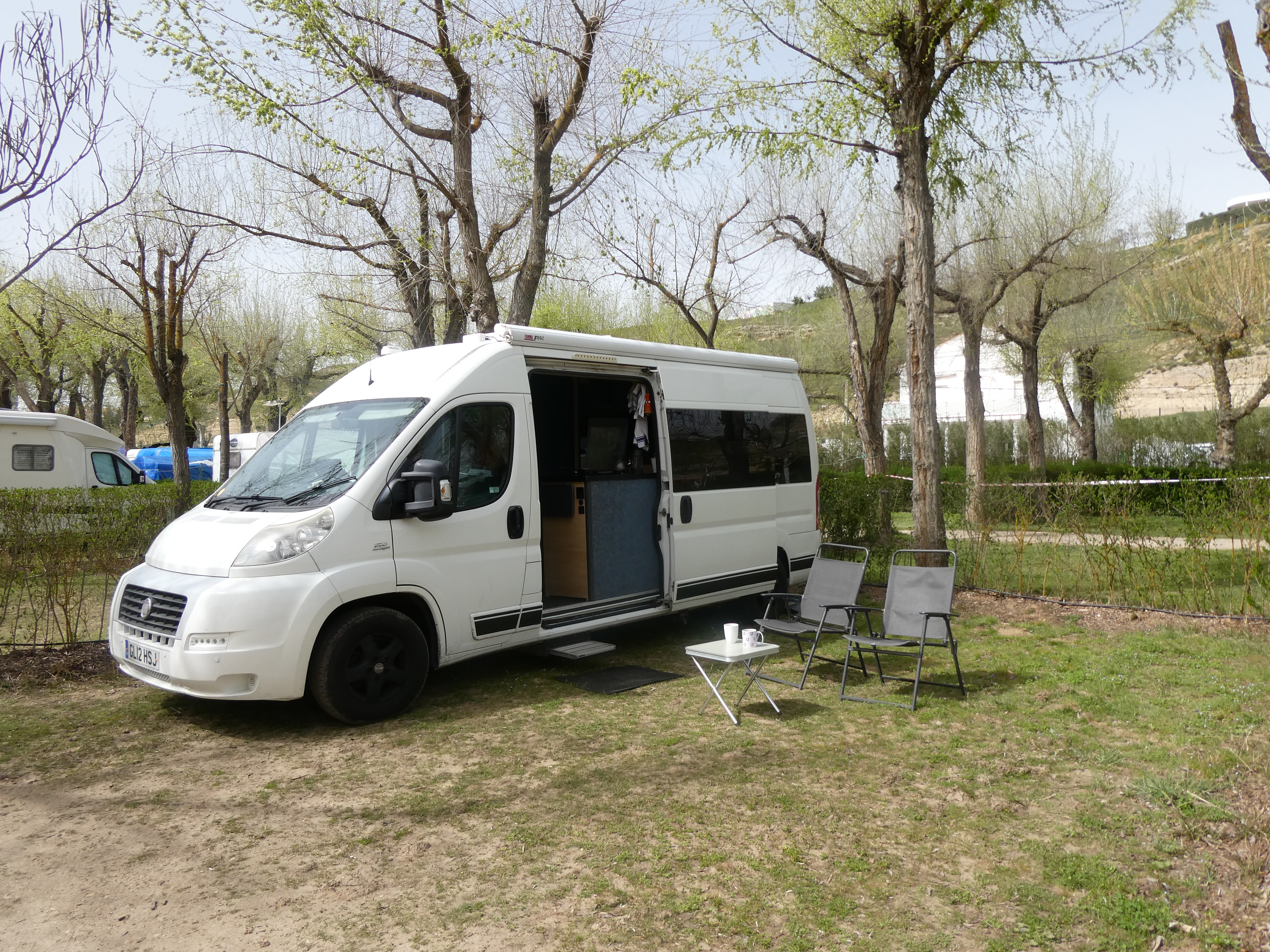
We arrive to the camp site at Burgos. We’ve been here before, years ago [and a similar time of year] when the weather was bitter cold and miserable and everyone was wrapped up in thick coats and woolly hats. Today, though, it’s warm and sunny, and since we didn’t get to look at Burgos last time it seems like we can now.

But there’s trouble ahead. Having parked up, plugged in and put the kettle on it looks like the swanky, new Avtex internet device Husband got installed into the van isn’t working, although it certainly did work at home in the UK. We try various options, type in assorted numbers on devices, turn off and on [as one does]. On my laptop, a page prompts me to type in a phone number and all numbers are rejected. I begin to feel frustrated. I call ‘3’, the provider whose page comes up. I have an increasingly stressful conversation with a distant, heavily accented ‘3’ assistant. I feel hot and irritated and am told to stop by Husband, which I do. Worse still, the site has no wifi.

In reception, Husband is given directions to a shopping centre which we can visit tomorrow to seek out, perhaps, a solution.

Next morning is sunny again and after coffee we set off to ‘Al Campo’ in the town, which turns out to be a large shopping complex with plenty of parking opposite. Inside, the first sighting is a small booth of a phone shop. The assistant shrugs when we ask for help and shrugs again when we ask if there’s somewhere else. Upstairs it’s the same story. Defeated, we descend to the ground floor again and there!, there is a Vodaphone shop next door to an Orange shop, almost opposite the small phone shop. In France we get Orange sim cards for our mobile wifi device, so it’s clear we’ll have to ditch the wondrous Avtex and return to our tried and tested method. We enter the shop. An able and amiable assistant tells us ‘yes- sure we can do it’, speaking near-perfect English, too. I feel my shoulders relax. There’s the usual wait for paperwork then we’re set. Hooray! We go across the road and have a tapas lunch to celebrate.

Of course, we survived years of tent camping trips before the internet was conceived of…

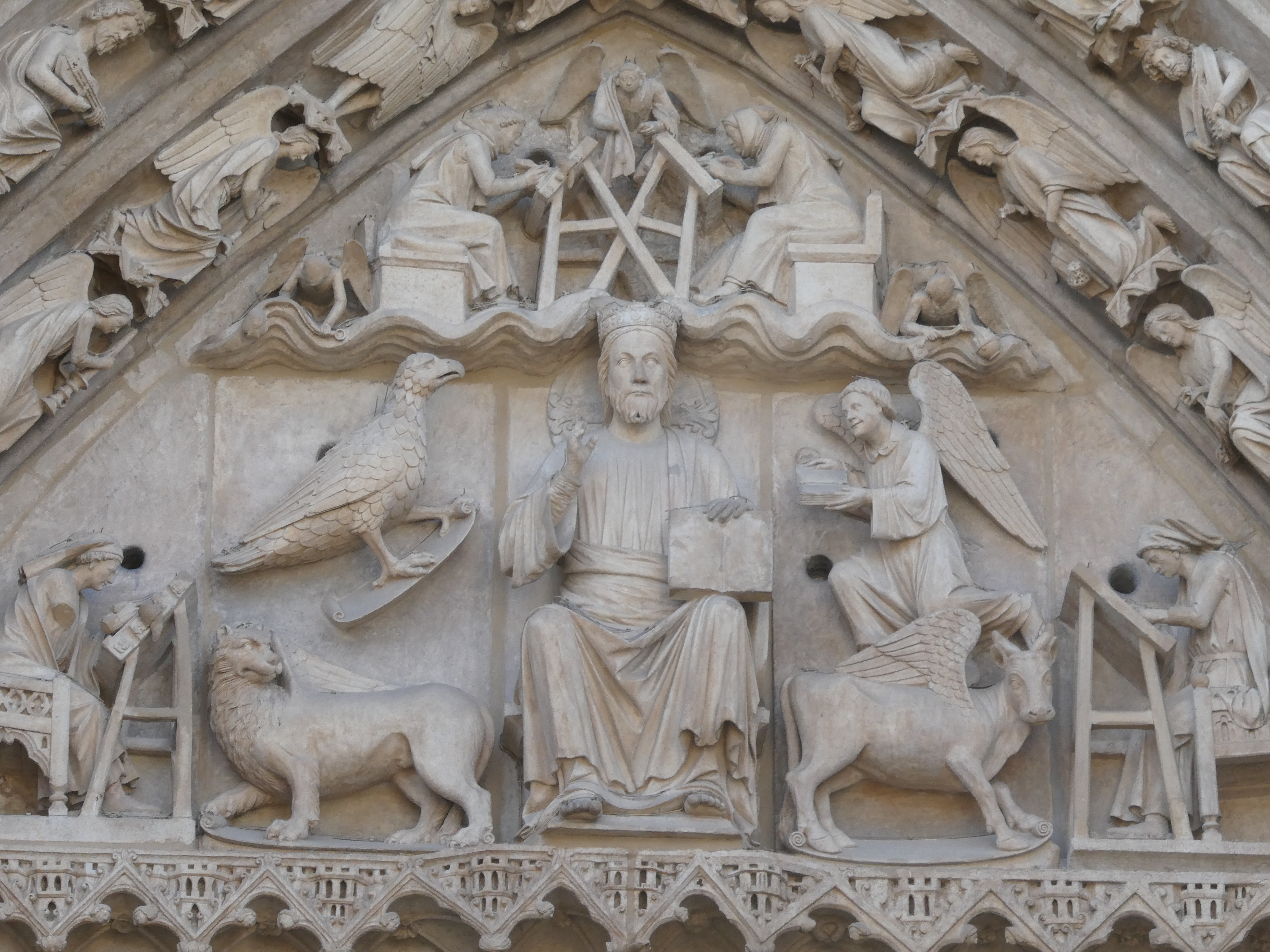
Back on site, we allow ourselves a short bask in the sunshine before getting a late afternoon bus into Burgos centre. It’s still hot and walking round feels like hard work, but we find our way to the cathedral, which is the city’s main attraction, the Catedral de Santa Maria. It’s a UNESCO site and well deserved. While the outer parts of Burgos are modern and high-rise, the old centre is beautiful and characterful.

At last we give up sightseeing in the heat, get an early evening beer and people watch. We’ll be off again in the morning, heading ever southwards…

For fiction by me, Jane Deans, search for novels: The Conways at Earthsend [an eco-thriller] and The Year of Familiar Strangers [mystery drama]. Visit my website: janedeans.com

A Toe in the Water

It’s a return to travel writing in this week’s post…

Not literally- at least I hope not!

The ferry from Portsmouth, UK to Santander in northern Spain leaves sometime after 11pm; after the last, remaining motorhomes, lorries, cars and motorbikes have been fitted into the jigsaw slots in the ferry’s capacious hold. This boat is one of Brittany Ferries’ newest, boasting ingenious ramps and contraptions in order to accomodate as many vehicles as possible. Similarly, there is more cabin capacity than public area, although the bar/lounge, once we’ve managed to get loaded on, found our cabin and got there, is bursting with life, a roaring trade, with drinks and platters of charcuterie and cheese flying out like the end of the world is at hand. Once we’ve sat down with a drink ourselves, all the dreary waiting in queues, yawning, is forgotten.

I don’t sleep well on ferries. In fact, I don’t sleep well at all, these days, but after this first cabin night there’s no rush to get up. It’s a dinky 4-berth, which is lucky because neither of us is cabable of clambering up and down off a high bunk, especiallly in the dark. Next morning there’s a cafe queue for huge breakfasts, and since we’re not huge breakfasters we grab coffee and a pastry, then…what? We can walk around the boat for a look, which we do. We can look at the one, modest shop, which we do. We can go to the ‘reading room’, which we also do, although it isn’t as comfortable as it looks and not as warm as the other areas. We spend an hour or so then get another coffee.

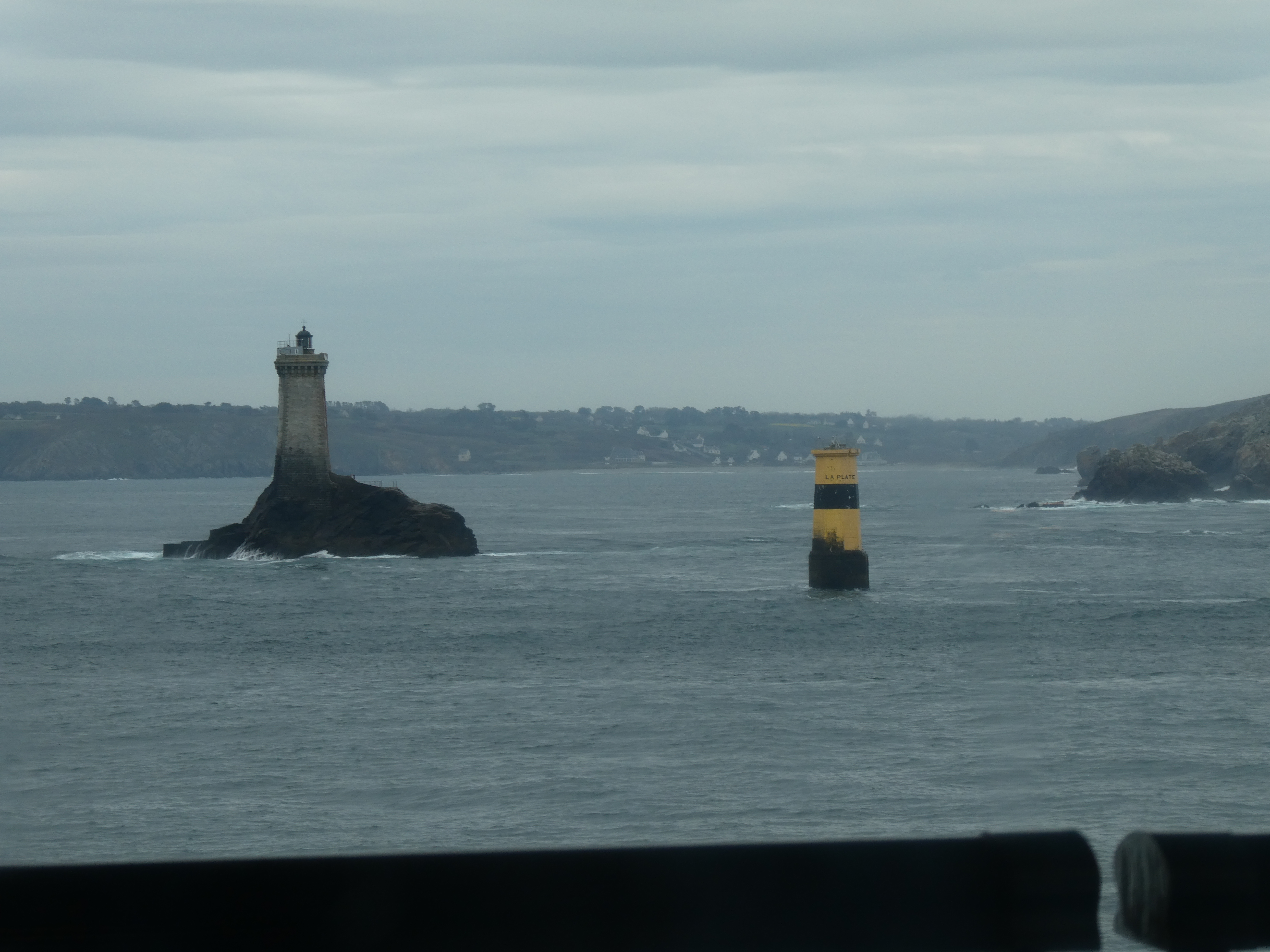
We have lunch. We read, We take another tour. We resist the urge to drink the day away as some are doing. The views in the Bay of Biscay become, briefly interesting as we glide past Brittany, with the lighthouse at Finistere a feature. The afternoon becomes bright with sunlight and the skies clear, until the sun is a tangerine orb that sinks into the sea. We go to shower in the tiny ensuite inside our cabin then go for dinner.

I’m awake before the tannoy announces our imminent arrival to Santander. It’s 7.00am, so 1 hour before we must disembark, but there’s very little to do except wash, dress and pack. In the cafe some are scoffing down ‘full English’ breakfasts as if they’ll never eat an edible morsel again. Santander port begins to slide past then the boat slows and we’re docking. We’re called to the car decks and descend through the hoards to ours- which we’ve taken care to remember! [I’ve described in a long ago post how we failed to locate our van on the Sardinia ferry and were mortified to be the last remaining vehicle as well as confronted by scowling ferrymen].

It takes an age to unload everyone and we’re one of the last to trundle off the boat and on to Spanish shores, then out into the outskirts of town, driving south and west. This first part of our journey is mountainous [the Cantabrian Mountains] and it’s exciting to see snow caps. We stop at a convenient supermarket for supplies and the bright sun feels warm. The autovia is easy and quiet and we’re on our way to Burgos…

For fiction by me, Jane Deans, search for novels: The Conways at Earthsend and The Year of Familiar Strangers. Visit my website: janedeans.com

Visiting Steven [Part 3]

Molly and Ed have been paying a visit to lugubrious Steven as a favour to a neighbour, but the visit is not easy or enjoyable. Now they on their way back home…

‘You’re surely not going, are you?’ Ed exhales an irritated huff as I begin to reverse out of the driveway.

‘I feel I should. I need to be Elspeth’s representative. And If I don’t go, who on earth else will?’

‘It doesn’t matter,does it? Who cares? It’s not our problem. I suppose at least we’ve got a cake out of it.’

Next morning I go next door to Elspeth’s to tell her when the funeral is, playing down the negative reception we had from Stevenand probing a little into the strange, mother-son relationship of Steven and Bet. My elderly, infirm neighbour is sitting in her usual spot by the bay window, where she likes to watch the world go by. I tap the window to let her know I’m coming in, then use my key.

Elspeth was here when we moved here, seven years ago. She made us feel welcome straight away, going on to become a close friend and confidante. Over the years she’s become disabled, lost confidence and rarely leaves the house, even though she knows we’d take her anywhere she’d like to go. I pop in most days, unless we’re on holiday, just to check if she’s alright and see if she needs any shopping.

I make us both tea and settle into a chair opposite her. She’s looking expectant, wanting to know how we got on yesterday at Steven’s house.

‘Did he like the flowers?’ she asks. I smile.

‘Oh yes- I think he liked them. I found a vase to put them in for him.’

She nods. ‘How does he seem, Molly?’

I chew my lip, thinking. ‘He’s…he’s sad, of course.’

She waits for more. She hasn’t seen Steven or his mother for more than twenty years. since they moved to the coast, to Eastbourne and I wonder why they made the choice to move away from anyone they knew, given that neither of them had left the bungalow or the TV screen to stroll by the sea and enjoy the benefits of coastal living.

‘Elspeth, why do you think Steven stayed with his mum and never left the family home? He seems to have become dependent on her right into adulthood.’

She gazes out of the window, where a hungry blue tit is tearing away at her bird feeder.

‘Well, they were always close,’ she tells me, ‘more so when his dad left them. I think Steven felt protective towards her then I suppose it became a mutual thing.’ she turns back to me.

I ask her how she and Bet had met and she describes how they’d both started in the same accountancy firm on the same day, how they’d gone out dancing, met men, had boyfriends who’d become husbands, had a baby within a year of each other. They’d been bridesmaids for each other, supported each other and laughed together for years, shared secrets and helped out whenever it was needed, until Bet’s husband left her and she wanted a new start, wanted to be near the sea. She chose Eastbourne, many miles away.

Elspeth’s happy marriage came to an end when she was widowed but she no longer had the immediate support of her best friend. Contact had been reduced to letters, fewer and fewer of them as time went by, then only birthdays and Christmas cards. Elspeth had received an impersonal, typed, round-robin letter informing her of Bet’s death.When she asks me about the funeral arrangements I feel so sorry for her I tell her I will deputise for her and attend.

Then I realise I will have to tell Ed.

Back at our house, Ed is busy pottering in the garage. I open the door and he looks up.

‘How was Elspeth?’ he asks me.

‘She’s ok. I know you won’t like this idea much,’ I venture, ‘but…

Check in next Sunday for the fourth and final instalment of Visiting Steven. For more fiction by me, Jane Deans, search for novels: The Conways at Earthsend and The Year of Familiar Strangers. Visit my website: janedeans.com

Visiting Steven [part 2]

Molly and husband, Ed have driven a longway to visit Steven, a man they don’t know but are beginning to wish they still didn’t…Track back to last week’s post to begin at the beginning…

He stares down. ‘I cared for her for a year. She likes to be in here, with me. We like to be together. We like the same TV programmes. Emmerdale, that’s one of her favourites; all the soaps. We love them.

I’m noting the use of present tense, nodding at him. Is he confused, part of him believing her to still be alive?

‘Did you have help with her care? Did anyone come in?’

‘They come three times a week; not always the same ones. Some of them are alright. I like it when they’re gone and it’s just Mum and me again. I can do anything they do, anyway. We don’t need anyone else.’

Ed coughs. I ignore him.

‘I tell you what, Steven. How about me making us all a cup of tea. Shall I do that? I expect I can find everything in the kitchen. Is it through there?’ I wave my hand at the hallway. Ed leaps up, springing into action.

‘I’ll do it! he blurts and strides from the room.

I plunder my thoughts for conciliatory phrases. ‘Was it peaceful? I expect she was comforted to have you by her side, wasn’t she?’

There is a painful silence, during which I notice his face is glistening with tears. I rifle in my bag for a clean tissue and place it in his lap before escaping to the kitchen, where Ed is opening and closing cupboards in a hunt for mugs. He turns when I enter.

‘For God’s sake! How much longer do we need to be here? The man’s clearly deluded and clinically depressed. There’s nothing we can do for him, is there?’

I refrain from questioning Ed’s psychiatric, diagnostic skills. ‘I promised Elspeth! I can’t just throw the flowers at him and run off!’

‘Well, we’re leaving as soon as we’ve done the tea- that’s if I can find anything to put it in. It’s a hell of a way to come for this kind of welcome. We’ll need to get back on the road soon.’

He’s right, of course. It’s a two and a half hour drive for us.

I find a glass jug in a cupboard and put the flowers into it as Ed withdraws some petite, flowery cups from a high shelf. He’s made tea in a brown, tannin-stained teapot, using leaves he’s found in an ancient, tin caddy. There’s some milk in the fridge which smells alright. I carry two cups back into the living room, where Steven hasn’t budged, and place one beside him on a side table. We resume our respective positions. I lean forward.

‘When’s the funeral, Steven?’ I ask him and he flinches as though he’d forgotten we were there.

‘Monday. Willdown Cemetery. Eleven o’clock.’ He sniffs.

‘Who’ll be there- apart from yourself, I mean?’

He shrugs…

Check in next Sunday for the third and final instalment of Visiting Steven. For more fiction by me, Jane Deans, search for novels: The Conways at Earthsend and The Year of Familiar Strangers. Visit my website: janedeans.com

Visiting Steven

It’s a squat, ugly bungalow on a corner between two busy roads. a short driveway bordered with scruffy weeds leads to the front door, paint peeling, neglected terracotta planters. I press the bell, peering through the wobbly glass until a blurred figure is visible and approaching. I clear my throat as the door opens just a bit, a narrow sliver of face in the gap, the rest shielded behind.

‘Steven?’ I say, summoning what I hope is a cheerful smile. He looks from me to Ed, his long , pale face guarded, his eyes hooded. He opens the door a fraction more. He’s a tall man, thin, a little stooped. He’s wearing a hand-knitted, navy cardigan over a grey shirt.

Ed’s lurking behind me on the step, semi-concealed as though he needs me to protect him. I take a breath and extend my free hand towards Steven.

‘My name’s Molly,’ I tell him, ‘and this is my husband, Ed’. I half turn to Ed, who appears to be what I term ‘skulking’ whenever he is engaged in a task he is reluctant to undertake. Steven glances down at my hand but doesn’t take it, preferring to move the door back until he’s narrowed the gap once more. I shift the bouquet of flowers I’m holding and plough on.

‘Steven, we’ve come to see you at the request of our neighbour, Elspeth. I believe you know her?’ A flicker of acknowledgement passes across his face. I continue. ‘I think your mum was a close friend of Elspeth’s. Am I right?’

He steps out from behind the door, nodding. I proffer the flowers.

‘Elspeth wanted you to have these. And she’s written you a note. Her writing’s a bit shaky these days but you should be able to decipher it.’ I do my utmost to fix an encouraging smile on my lips. There’s a pause while he stares at the flowers then back at us then he seems to rally, pulling the door wider and mumbling ‘come’, as he turns and lopes away into the hallway and turns left into a room. We follow, Ed trying to hisss something from behind me. I can guess what it is but ignore him. I know he’s even more averse to running this errand than I am myself. He wants to leave the flowers and the cake and go home.

I follow Steven into a living room furnished with two, faded, Dralon armchairs- ‘wingbacks’ I believe they’re called, in beige. There’s a worn, beige carpet, an old-fashioned gas fire opposite the door and a small dining table against one wall. The bay window has lattice panes, floral curtains on either side. It’s a bland, joyless room, unremarkable except for a large, metal-framed hospital bed, stripped down to its plastic-covered mattress. It faces the television, dominating the space like a huge, silent reproach. Steven, who has dropped into one of the wingbacks, must have noticed me staring.

‘It’s Mum’s’ he says, as if she’s still lying in it, frail and needing attention. I nod, aware that my smile must look grafted on my face.

‘You can sit’ announces, sweeping an arm at the other wingback. He pays no attention to Ed. There’s no other seating except for a dining chair, which Ed, still holding the cake, plumps for, giving me one of his hard frowns. I lean towards Steven.

‘We’ve brought you a cake’.

‘I don’t eat cake. I can’t eat gluten.’ I risk a glance at my husband, who rolls his eyes. Steven hasn’t made eye contact with either of us, rather keeping his face downcast, currently at carpet level as he sits, motionless except for the slightest twitch in his left foot, the one that’s resting on his right knee.

‘So, Steven’, I venture, ‘Your mum lived here in this room, did she?’…

The next part of ‘Visiting Steven’ will be in next Sunday’s Post. To read more by Jane Deans: novels, The Year of Familiar Strangers and The Conways at Earthsend are available. Visit my website: janedeans.com

Heart of Oak

A new, flash fiction story in this week’s Anecdotage post. A young girl finds comfort in the empowering branches of an ancient tree…

It’s the top of the world, a pinnacle where the landscape lays beneath like a map studded with vehicles and figures, or at least that’s how it seems to Ada, who has never climbed to this position before.

At this height, the branches become spindly and precarious, susceptible to the slightest breath of breeze, but the girl enjoys the thrill of the swaying limbs, the danger they promise. She also understands that the tree is her protector, will never let her fall and has her best interests at heart. She’s confessed to it, held fast to it, spoken her fears to its sturdy trunk while her arms stretched around to encircled it.

She feels empowered in this lofty perch where nothing can touch her. Below, on the scruffy patch of grass they call a lawn her little sister, Jessie is talking to her doll, Clarissa and although Ada can’t make out the words, Jessie’s hectoring tone indicates that Clarissa is in trouble. She watches as Jessie shakes a warning finger at the doll, where it lays in the battered pram.

In the field next door to their garden, the Baildons’ shire horse, Toby is cutting a diligent swathe through the grass, his nimble teeth tugging the stalks as he steps. Ada loves Toby and dreams of straddling his broad back to roam the lanes, perhaps to school where she would be the envy of all the others.

An insistent buzz comes fromthe opposite side of the garden, where the churchyard paths are being mown. From this high, the ebb and flow of her father and stepmother’s current row is little more than a blurred grumble, alternate high-pitched whine and low growl. If there was more height, more branches to climb she’d continue the ascent until the voices disappeared altogether.

Jessie’s taken Clarissa out of the pram now and is giving the doll a hard smacking. She must have done something very wrong- failed to eat her dinner, perhaps, or left her room untidy? Maybe she’d just been in the wrong place at the wrong time?

Wood smoke drifts across Ada in the breeze and she inhales as it passes, relishing the sweet, earthy aroma. A long time ago, when they used to visit their grandparents, she’d been allowed to help out when they had a bonfire in their garden and needed to clear unwanted growth and prunings, raking up twigs and leaves and tossing them on to the flames. She’d loved doing it; loved watching the flames spring into action, licking up around the bundle of trimmings as if accepting an offering. They never visited their grandparents now, since Mum went.

She looks downthrough the leafy boughs to the washing line and tries to conjure the figure of her mother, working her way along the line, a peg in her mouth as she hung items there. If she caught sight of Ada in the tree she’d wave before returning inside or she would bring biscuits and milk out for her and Jessie, placing the cups on the picnic table and fetching her coffee so they could all sit together in the sunshine. They’re not allowed to snack between meals now.

There’s a bang from somewhere inside the house, a door slamming then rapid footsteps. A moment later her stepmother emerges, stomping to her car, wrenching the door open and driving away. Dad comes out and she can see the round, thinning circle on the top of his head as he stands gazing at where the car was, before taking a long drag of a cigarette and blowing the smoke out in a long, irritated plume. Ada can smell the smoke, the dry, acrid wisp making her nose wrinkle. Dad murmurs something to Jessie, who’s engaged in tucking the blankets round Clarissa, who must have been forgiven her misdemeanours. Jessie shrugs without looking up. Dad glances around before returning indoors but doesn’t raise his eyes skyward, doesn’t imagine for a moment that Ada is right here above his balding head where she can peer down on it.

She closes her eyes, resing her cheek against the knobbly bark and inhaling its wholesome, mossy scent. Suppose she could live up here?She could bring some planks from the shed, rig up a shelter from old, plastic sheeting, add cushions and the sleeping bag she used to use when Mum and Dad took them camping. It’s still in the house somewhere, she’s certain. She’d only need to climb down for food and water, which she could collect at night, although the house might be locked up of course. But she knows there’s a spare key under the flower pot by the back door. Ada drifts into a semi-doze where she sits leaning on the oak’s solid, reassuring trunk.

A shout jerks her from her everie. Jessie is directly underneath her, squinting up. ‘Dad says do we want to go out for pizza?’ her sister asks, peering up into the branches. Ada sighs, nods.

‘Yeah. Yeah, alright’

and she drops one foot down to a lower branch, then another until she’s back on the ground. Back to Earth.

Read these 2 novels by Jane Deans: The Year of Familiar Strangers and The Conways at Earthsend. Visit my website: janedeans.com

Love in a Cold Carriage [part 2]

Love in a Cold Carriage concludes today. Search Anecdotage for Part 1 [published last week].

As the doors groan open, she takes her bag from the seat next to her. Perhaps if it is occupied. Love-spoon man will desist. New passengers shuffle in, filling the aisle, their big coats brushing the seats, their bags jostling. They bring in the scent of the platform- doughnuts, diesel fumes and night air. A teenager in a puffa jacket drops down beside her, headphones on and wastes no time in withdrawing a phone from her pocket and scrolling, engrossed. Alex expresses an inward curse. Why hadn’t she done this? The teenager has insulated herself from interactions. A book is inadequate for this purpose.

Throughout the disgorging and boarding, Love-spoon man has continued to talk in spite of Alex’s hostile lack of interest. Now he pauses, renews his pose across the table and thrusts a long, rangy arm and knobbly hand into her space until she must withdraw her head to avoid contact.

‘My name’s Ellory’ he beams. Alex drops her eyes to her book. ‘And yours is?’ She pretends not to hear.

‘What’s your name?’

She coughs then sighs, frowning. ‘Alex’

‘Pleased to meet you’. His white, lumpy hand looks indecent as it’s dangled under her nose to be shaken. Alex lays her book down and turns to the teenager.

‘Excuse me’ she hisses, then has to nudge the oblivious girl, who makes a reluctant exit from her seat to allow her to pass. Alex makes her way to the end of the carriage and out of the door, where she leans against the wall, swaying with the rumbling, rolling train. It’s at the suburbs now and will be sliding into Waterloo in a few minutes. She could stay here, out in the door area until it stops, except that her handbag is on the seat and her weekend case above on the rack. She’ll need to return to her seat- and the odious Love-spoon man, before she can leave. She steels herself; better sooner than later.

Returning to the seat, she ignores the delighted grin of the man and the disgruntled scowl of the teenager, who must get out again, and leans in to take her handbag before reaching up to pull her case down.

‘Thanks’ she tells the girl. She’s aware that the man is speaking, that he may be about to follow her, so she heads out and along the train towards the nearest toilet, where she enters, locks the door and sinks down on the seat, hoping that nobody will need the facilities before the train stops.

At last the train slows to a halt and the doors open. Alex emerges, peering along each way before trundling her case to the next door along, stepping down on to the platform. She takes advantage of the crowd, dashing towards the barrier, inserting her ticket and bursting through to the other side. She stares wildly around at the milling throng in the station concourse until she spots the man she’s looking for and makes for him, feeling the smile build inside her, thumping, surging elation replacing anxiety and irritation. The joy of the weekend is upon her.

He sweeps her into a hug and they kiss. When she lifts her face he’s looking over the top of her head at something approaching. Someone. He’s smiling. She turns to see as the person arrives next to them. She feels the blood drain to her feet and her stomach lurch.

‘Alex’, says Jared, swivelling her to face the newcomer. ‘There’ll be three of us this weekend. This is my Dad, Ellory. I didn’t say before because I wanted to surprise you.’

She swallows, words failing her. Ellory’s frog eyes are wide with mirth.

‘I suppose a hug is out of the question? Although we have already met, haven’t we?’ …

To unlock more fiction by Jane Deans, search novels: The Year of Familiar Strangers and The Conways at Earthsend. Visit my website: janedeans.com
Love in a Cold Carriage

Here’s Part 1 of a brand, new story, in which passenger Alex’s longed for journey is sullied by the attentions of a fellow traveller-

The carriage isn’t too full when Alex steps inside the door; better still, there’s a table free. She’s in no doubt that within a couple of stops she’ll be sharing, but for now she can sink into the seat, enjoy her coffee and revel in the luxury of having the space to herself. She doesn’t feel too much like reading, preferring to gaze out of the window and savour the anticipation of the weekend to come, a feeling that eclipses her exhaustion.

For the first two stops, she’s lulled into a false sense of security, then as the train pulls into a larger station, a crowd is waiting on the platform, a mix of students, commuters and holiday makers lugging cases, making for the airport, which is the next station along. Alex sighs as the doors wheeeze open and the first passengers fill the aisle, looking right and left, heaving cases on to racks and sinking into seats; bringing with them an acrid scent of vapes, tarmac and sweat.

She’s staring out when someone slides into the seat across the table. It’s become dark enough to outside to see the man’s reflection as he settles. She can also see that he’s gazing at her. Perhaps she’ll get her book out after all. She turns towards her bag, keeping her face down as she unzips and delves for the book. But the man seizes the chance mid-turn and leans forward to speak.

‘Will I be disturbing you if I get on with my whittling?’

‘Excuse me?’ Alex frowns. What on earth is he talking about? She is obliged to look up and at him then.

‘Will you mind very much if I indulge my hobby while we’re travelling together?’

Travelling together? Alex pulls in her chin and squints at him. He has leaned across to her side so far that she can detect a faint aroma of something like polish and can see the faded grey of his protruding, frog-like eyes. He has thinning, sandy wisps of hair combed over a bald patch and a pale, dry complexion. She suppresses a shudder then shrugs, shakes her head. There’s no time to open her book before he places a bundle on the table between them, his bulging eyes never leaving her face.

‘I can see you’re intrigued!’ he grins, prompting her to frown. He’s unrolling the fabric bundle now. Alex executes a demonstrative opening of her book and plonks it down in the space remaining on her side but he is undeterred, continuing to gaze at her over the table, having revealed the contents of the bundle. She risks a glance at the items displayed: a type of knife, a soft cloth,some woodshavings and a rudimentary, wooden spoon. She’s aware that he’s grinning like he won the lottery, having almost caught her attention. He picks up the spoon and waves it in her face.

‘Know what this is?’ Although she’s adopted and expression of mild irritation now, he’s either failed to notice or doesn’t care. ‘It’s a love spoon, a Welsh love spoon. Have you seen one before?’ Alex’s lack of response fails to halt the deluge of enthusiastic tedium as he describes the tradition of love spoons, how they are Welsh, how young men gave them to their sweethearts as romantic tokens, how he makes them and sells them at craft fairs. The unsolicited flood of facts streams on and on. Alex picks up her book and slumps back. He’s still talking. She leans slightly to the right to ascertain whether there could be an empty seat further along the carriage but it’s busy. When the tannoy announces that they’ll be arriving at the next station she wonders if she’ll be able to move along to the next carriage and find a seat, although as the train pulls in only a handful passengers leave and she can see that the platform is crowded with people waiting. It’s Friday evening after all…

Check in next week to find out if Alex escapes!

Novels: The Year of Familiar Strangers and The Conways at Earthsend aare widely available. Visit my website: janedeans.com

The Waiting Room

It’s a return to fiction this week. I’ve mined my own, recent experiences with health issues to produce this very short, flash fiction story about someone waiting. When waiting myself, I’ve been lucky to be brilliantly supported by Husband, but many, many of us must face serious health scares and investigations alone. This story is dedicated to those who wait, undergo tests and wait for results without someone by their side…

Clutching the letter, the woman made her way along the endless corridor, up the wide staircase, through the automatic doors, along another corridor and towards ‘Reception’, where she stood in front of the glass in mute compliance to wait her turn. When she reached the desk, she was compelled to ask the receptionist to repeat her question, then decipher what she’d heard in the woman’s heavily accented English. She handed over her paper, standing still while the woman scrutinised her computer screen, feeling a sudden heat of panic engulf her as the receptionist frowned at the screen. Had she got the wrong day? The wrong time? Perhaps she’d come to the wrong department.The place was, after all, a giant maze of corridors,buildings, floors and courtyards.

‘Take a seat please’ the woman instructed and she turned towards the two rows of chairs, pink, shiny seats and wooden arms. On the wall opposite, a TV screen showed the twenty-four hour news, silent with subtitles. She chose a seat at the end of the back row and sank down. Along the row, at the other end there was a couple, heads close together, murmuring in low voices; in front of them a lone woman like herself but much younger, engrossed in her phone.

She sighed. A few years ago there would have been a pile of scruffy, dog-eared magazines- Country Life, Good Housekeeping or Take a Break, all far out of date but providing an undemanding distraction. She glanced around at the walls which displayed a selection of worthy, earnest posters and leaflets advocating this and that and bearing telephone numbers or warning against violent or unruly behaviour towards staff.

Behind the desk, the receptionist had returned to her screen and was scrolling, perusing and tutting. A nurse in a blue tunic and trousers entered, smiling, provoking an anticipatory response from the four waiting, the attendees; but as the nurse merely picked up a folder from the desk and disappeared through the doors they all slumped back into their waiting activity, or lack of it.

Outside the waiting room, a corridor led to a series of small, intimate rooms, their open doors offering an occasional glimpse of more desks and chairs. She could hear doors opening and closing away up the corridor, blue-clad nurses or someone wearing a lanyard striding purposefully away, carrying papers. Then a door closed and a couple passed the waiting room, shrugging coats on.

She closed in on herself, stilled, looked down at her clasped hands. She was accustomed to waiting, having done a lot of it as a child, when she’d been compelled to attend Sunday morning service in church with her father, perching on a hard pew as communion stretched on and on, an interminable queue of devout parishioners, hopeful of eternal life. Here, in this waiting room they all shared this hope too, although they wouldn’t be depending on God to provide it.

Remembering her yoga breathing exercises, she closed her eyes and concentrated on the long breaths in and out. It was soporific after an interminable, wakeful night and she caught herself drifting, drifting until a different blue-clad nurse appeared in the doorway, causing everyone to look up again.

‘Victoria Hegly?’ she announced, consulting her clipboard. The couple at the end of the row stood, looked at each other and followed her. ‘I’m Simone’, she heard the nurse say, ‘I’m one of the nurses here.’

She resumed her unmoving meditation. Secondary school- that had been a monument of boredom; the assemblies when they’d had to sit on the hard, cold parquet floor, speech days even worse as the prize giving laboured on, seeming to be never-ending. The lessons themselves had been mind-numbing, with teachers entering, sitting enthroned on a raised platform and dictating notes for their luckless pupils to write in ‘rough’ books and learn. It would not do these days! Children could not be allowed to be bored for one minute, needing distaractions in the form of colouring or screen activities in restaurants and even, as in her grandson’s home, at the dining table.

Her thoughts were interrupted by a couple of women entering the room, one older than the other- mother and daughter perhaps? The younger woman leant in towards the desk, they waited, were told to sit, choosing seats by the window, which overlooked the busy car park. She thought it just as well the car park tickets were paid as you left, or how on Earth would you know how much time to purchase?

The other lone woman was summoned by a new, smiling nurse. Nurses have changed, she thought, since she’d last had reason to be here in the building. It was forty years ago. The nurses had been stern and authoritarian as they cared for the new mothers during and after childbirth. She’d been well looked after but in her post-natal, emotional turmoil they’d seemed hard and unfeeling, admonishing her for her ignorance and ineptitude. Now, here, they smiled, proffered tissues, held her hand. Times had changed.

Inside her bag her phone vibrated and she reached down to withdraw it. There was a text from Neil. She frowned. ‘Thinking of you’ it said. ‘How did it go?’ She turned the phone off and replaced it in her bag. Neil wanted to help more than she wanted him to. Neil was for companionship, evenings out, an occasional meal or a night in with a film, sometimes overnight stays, nothing more. She wished she hadn’t mentioned the appointment now, as his desire to be ‘there for her’ added an extra layer of obligation to the anxiety of waiting and a frisson of guilt into the mix.

She was zipping the bag up when the first nurse reappeared with her clipboard. ‘Eleanor Gatiss?’ she asked the room, scanning those remaining. She nodded. ‘That’s me.’

‘I’m Christine. I’m one of the nurses. It’s this way.’

She bent to pick up her bag, straightened her back and smoothed down her skirt before following the young woman in blue out into the corridor towards the small, intimate consulting room…

Want to read more fiction from Grace’s later ego, Jane Deans? Novels: The Year of Familiar Strangers and The Conways at Earthsend, available to download or purchase. Visit my writer page: Janedeans.com

Southsea- Ins and Outs

For our second day at Southsea we’ve decided to walk the prom/seafront and its environs, taking in a few places we know of and some we don’t.

From our hotel, we need to cross the common and turn left on to the promenade, which becomes smarter and free of the heavy machinery that’s employed in strengthening the flood defences.

I love the architecture here- tall, grand terraces, some of them five floors high, lining the streets leading to the sea or facing the sea itself, although on this January day the sea is iron-grey and visibility poor.

We come to a ‘tropical’ garden, with a faux mini-waterfall, pathways snaking around the palms. Even now, in the depths of a UK winter it’s attractive, with an assortment of green plants and trees providing a variety of textured leaves. Further along there’s [yet another!] pier, then on our left, across the road there is a park with a large boating lake, where swans and ducks have taken residence, coating the surrounding footpath in large dollops of excrement. These have to be negotiated in order to circumnavigate! At one end of the lake there’s a cafe, but we’re heading for the tiny museum, housed in an old house just outside the park.

We know that there’s a butterfly house inside the museum, although when we enter the warm enclosure it soon becomes clear that only one species is visible. They are interesting and spectacular but once we’ve seen them…

The museum is clearly aimed at visiting school parties, with its accent on environmental issues, the ‘only man is vile’ take. Amongst stuffed versions of our own wild birds and mammals there are, bizarrely, models of exotic creatures such as alligators. The lobby is dominated by a large, ambitious model of a dinosaur, looking a little battered and worse for wear. Presumably someone had harboured dreams of echoing the London Natural History Museum’s diplodocus…

It doesn’t take long to complete a tour of the museum, which, to be fair, is free to view. We exit and loop back away from the seafront towards the shopping centre, for tea.

For our last evening we choose to visit an Italian restaurant, Giuseppe’s, which is a stone’s throw from our hotel. On this Saturday evening the small place is packed out with diners, which bodes well, but we’re glad we’ve booked a table. It appears to be run by two brothers who are both gregarious and pleasingly Italian, greeting people in dramatic fashion and creating a fun atmosphere. It’s typically cosy in the restaurant and the decor is characterful and quirky.

The meals are delicious and filling- I’m unable to finish mine. We’re pleased to have chosen this place. We move on to the pub for a last drink before returning to the hotel.

During this short break, the sore throat I’d been harbouring for two days has morphed into a heavy, streaming cold. By the time we get home it has moved on into full-throttle flu, the worst bout of which that I can ever remember. So much for holidays!