
The Cotswolds is a region of part midland/part south of England that extends to five counties and is much loved by tourists, both domestic and international as well as dwelt in by numerous celebrities, who may well be the only ones to be able to afford the properties. The region is famous for its bucolic countryside of rolling wheat fields and its towns and villages of golden Cotswold stone, picturesque and historic. These villages are what I suppose overseas visitors must imagine when they think of England, an England of thatched cottages, red phone boxes and pink roses around a door.
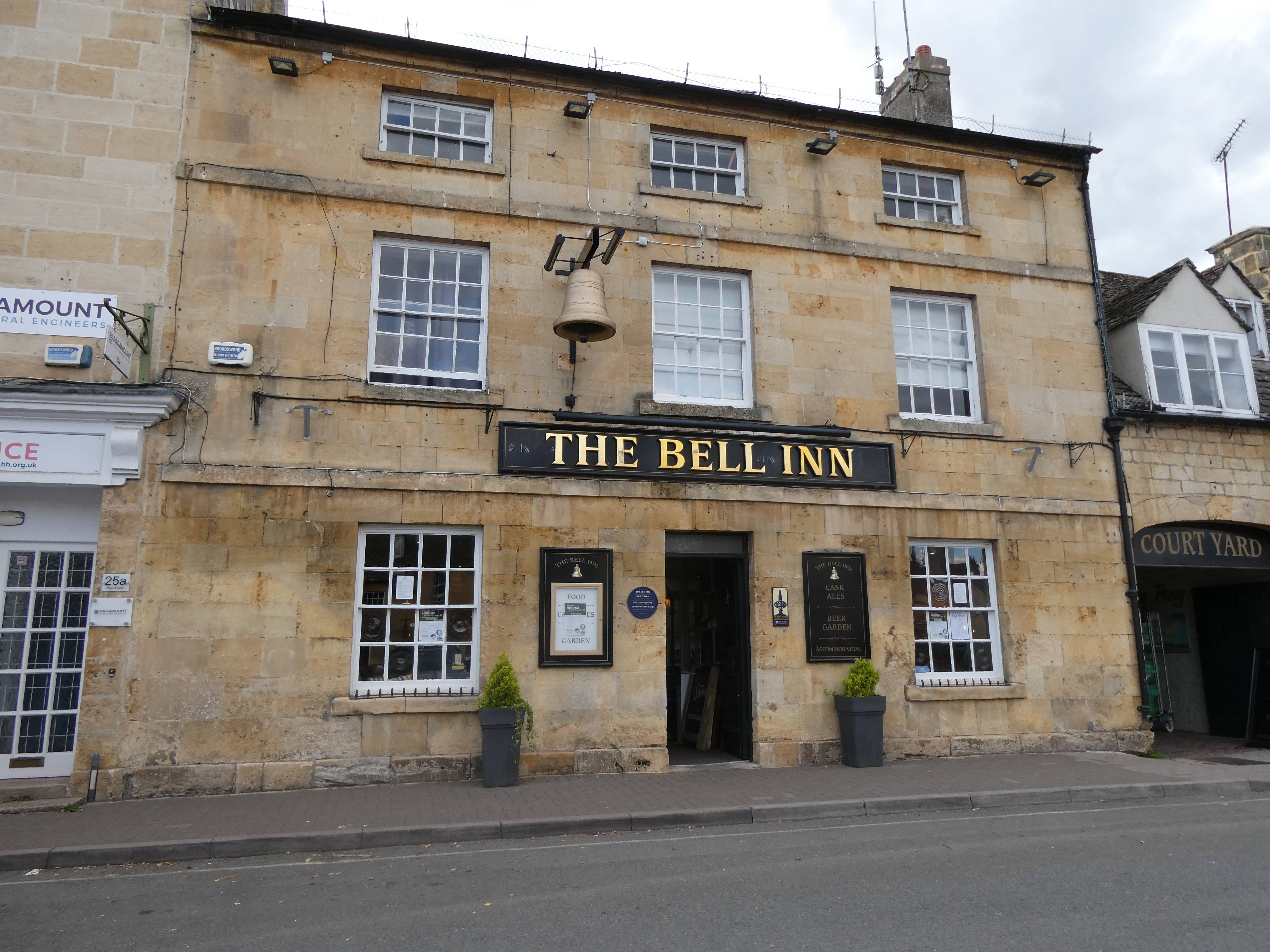
Husband had booked us into an old coaching inn, in Moreton-in-Marsh, which is either a small town or a large village; typically Cotswold but marginally less stuffed with tourists and traffic than the more famous ‘Stow-on-the-Wold’. The hotel,The Bell Inn lies in about the middle of the wide High Street [pretty much the only street] in a terrace of fine old stone buildings. Tolkien is said to have frequented The Bell and modelled ‘The Prancing Pony’, the hostelry where Frodo and his friends went first on their journey in Lord of the Rings, on this Inn, hence the large map of ‘Middle Earth’ covering one wall in the bar.

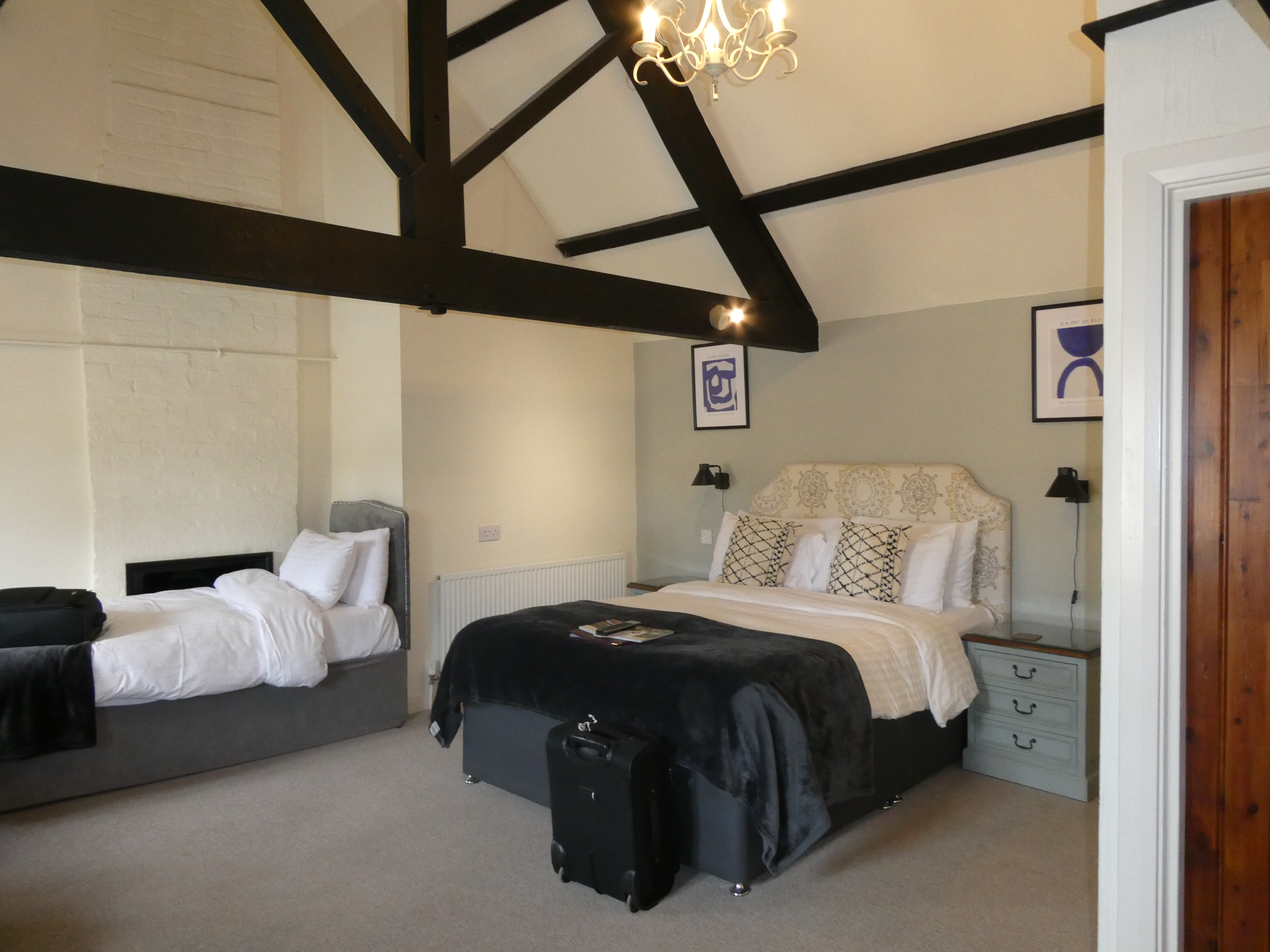
Our room at The Bell was out the back, across a courtyard and up some steps. Inside it had low beams and latticed windows and a great bathroom. So far so good, except that there was no fridge, meaning I’d have to ask the hosts to keep my meds in their kitchen fridge and have to trek down there first thing in the morning.
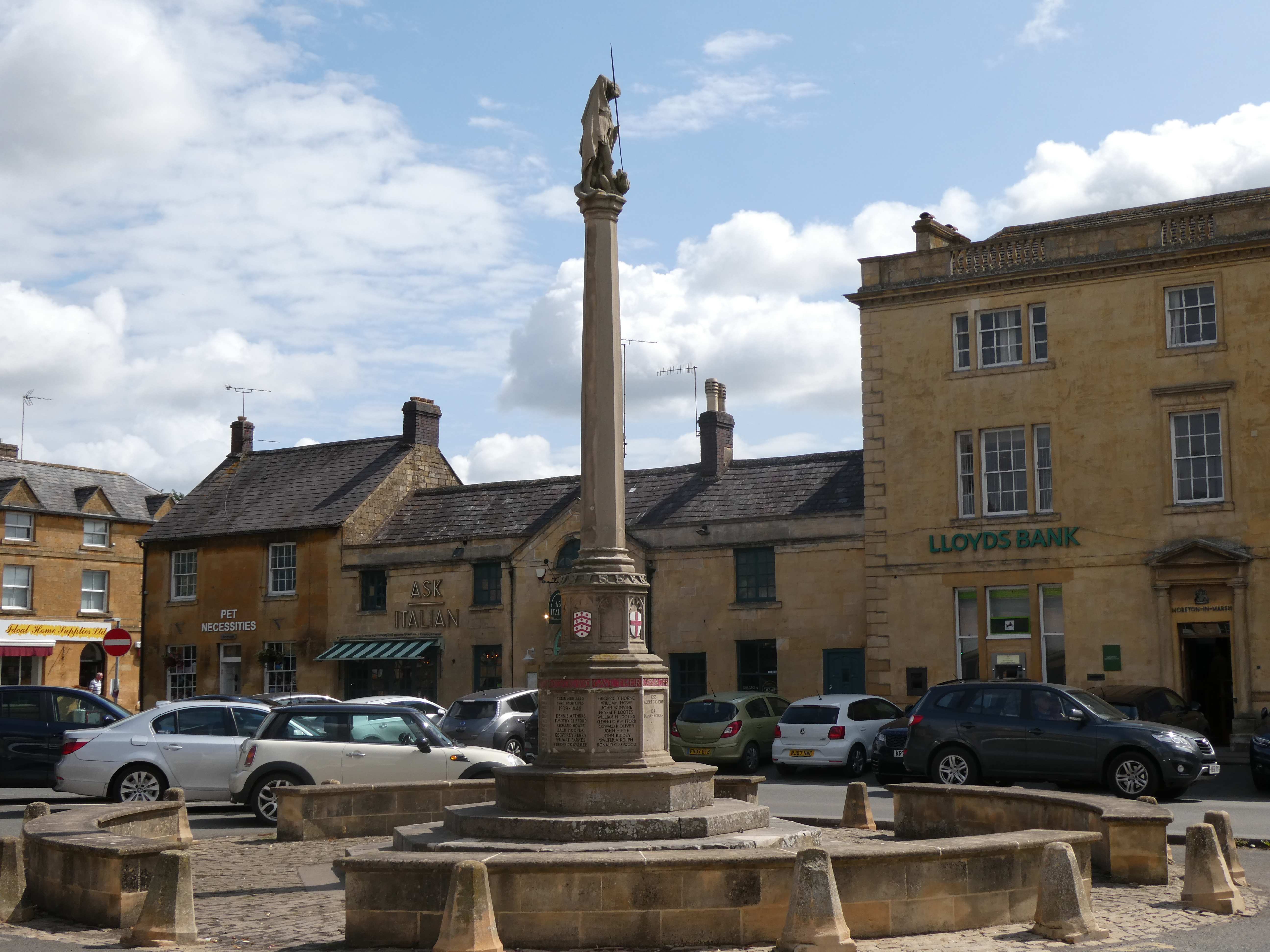
We wandered out and around Moreton-in-Marsh. It was our 20 year wedding anniversary and we opted to book a table at a Thai restaurant across the road, then had a look around. There’s not much to Moreton ITM, although it does have a [posh] Co-op supermarket, a station and a number of decent places to eat. It goes without saying that all the buildings are in carefully matched, golden-yellow stone [even the Co-op!].

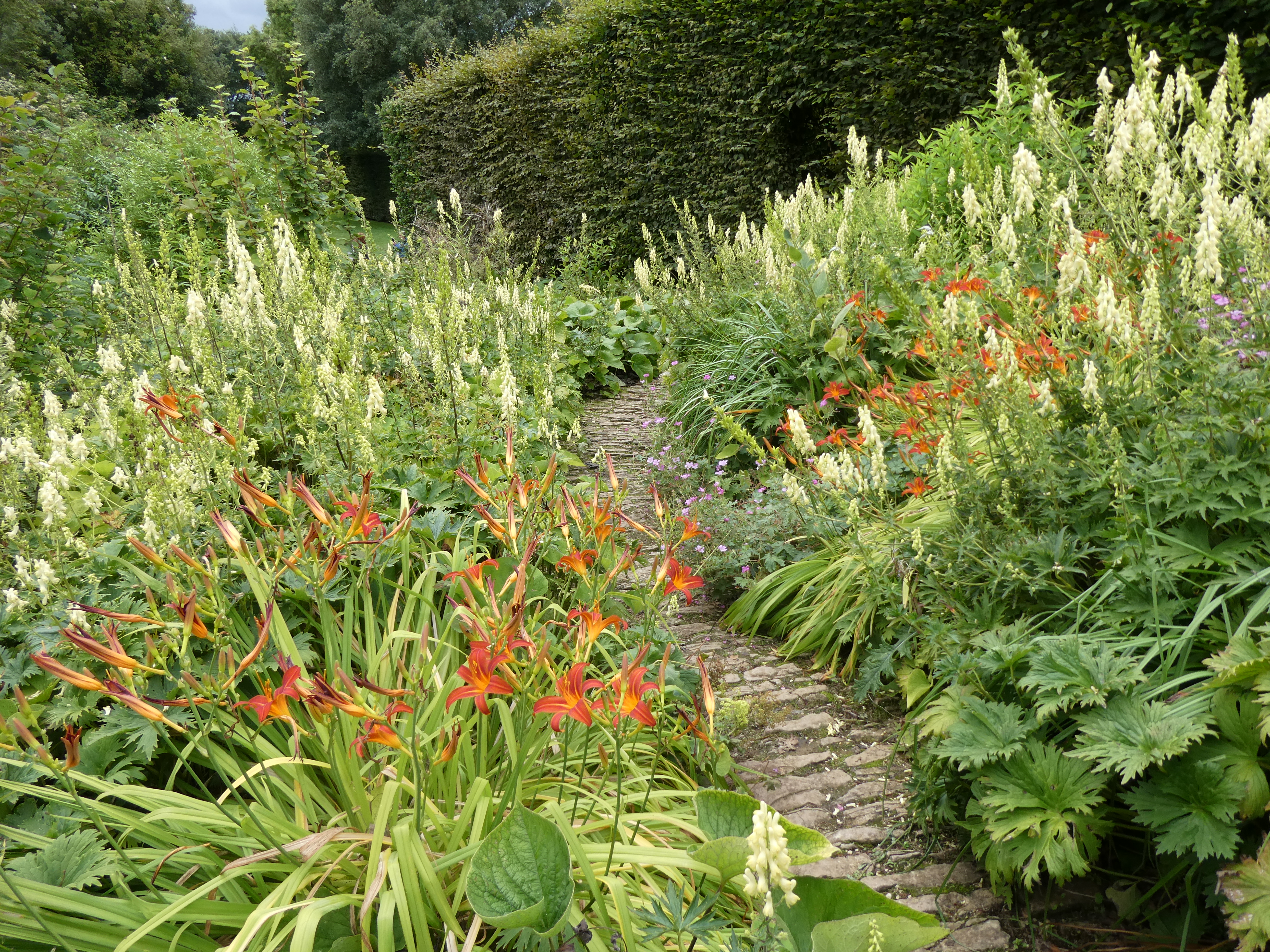
Breakfast in the morning was well-cooked, if not sumptuous. Later we drove around and around the countryside until we managed to locate Hidcote Garden, a National Trust property I was keen to see. Built in the arts and crafts style, it is extensive, with many garden ‘rooms’, the planting at this time of year tumbling everywhere having benefitted from all of this summer’s rain. You could spend a couple of days here and still not get to see it all- there are borders of tall perennials, formal squares, huge pond areas, an ancient cedar- huge and graceful, wilder, informal parts that lead to an enormous park where sheep graze.
Towards the end of the afternoon the rain came and we dived into the cafe, then the shop, of course.

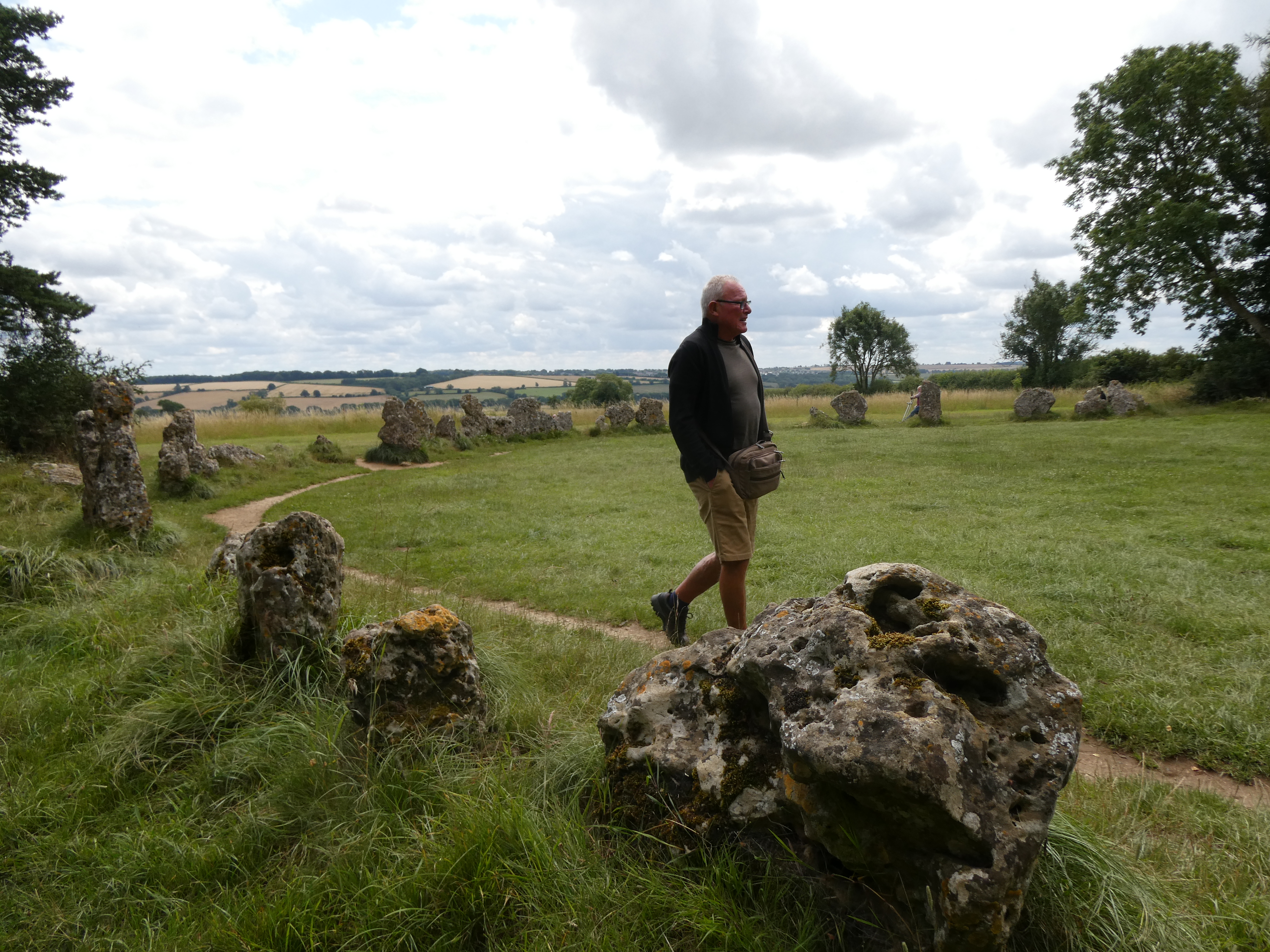
The following day we went to find some ancient standing stones nearby, which were impressive- a perfect ring on the hillside, as well as a couple of other stone monuments, then we opted to go to Stratford upon Avon, of which I could remember little from javing visited as a child. The town, of course was heaving with tourists of every nationality. It’s pleasant enough, with the canal and canal boats, the big RSC theatre and statues of the great man everywhere you look. We took a tour round the ‘Tudor Life’ museum, which was hilarious for its mock-ups.
Then it was back to our coaching inn and off for a meal to celebrate the ancient age I have now become- and very nice it was, too [the meal, not the age!]…

Grace is the alter ego of novelist and short story writer, Jane Deans. To date I have two published novels to my name: The Conways at Earthsend [https://www.amazon.co.uk/Conways-at-Earthsend-Jane-Deans-ebook/dp/B08VNQT5YC/ref=sr_1_1?crid=2ZHXO7687MYXE&keywords=the+conways+at+earthsend&qid=1673350649&sprefix=the+conways+at+earthsend%2Caps%2C79&sr=8-1 and The Year of Familiar Strangers [https://www.amazon.co.uk/Year-Familiar-Strangers-Jane-Deans-ebook/dp/B00EWNXIFA/ref=sr_1_1?crid=2EQHJGCF8DSSL&keywords=The+year+of+familiar+strangers&qid=1673350789&sprefix=the+year+of+familiar+strangers%2Caps%2C82&sr=8-1 Visit my writer Facebook page [https://www.facebook.com/search/top?q=jane%20deans%2C%20novellist%2C%20short%20fiction%20and%20blog or my website: https://www.janedeans.com/
 Anecdotage