Autumn Arboretum

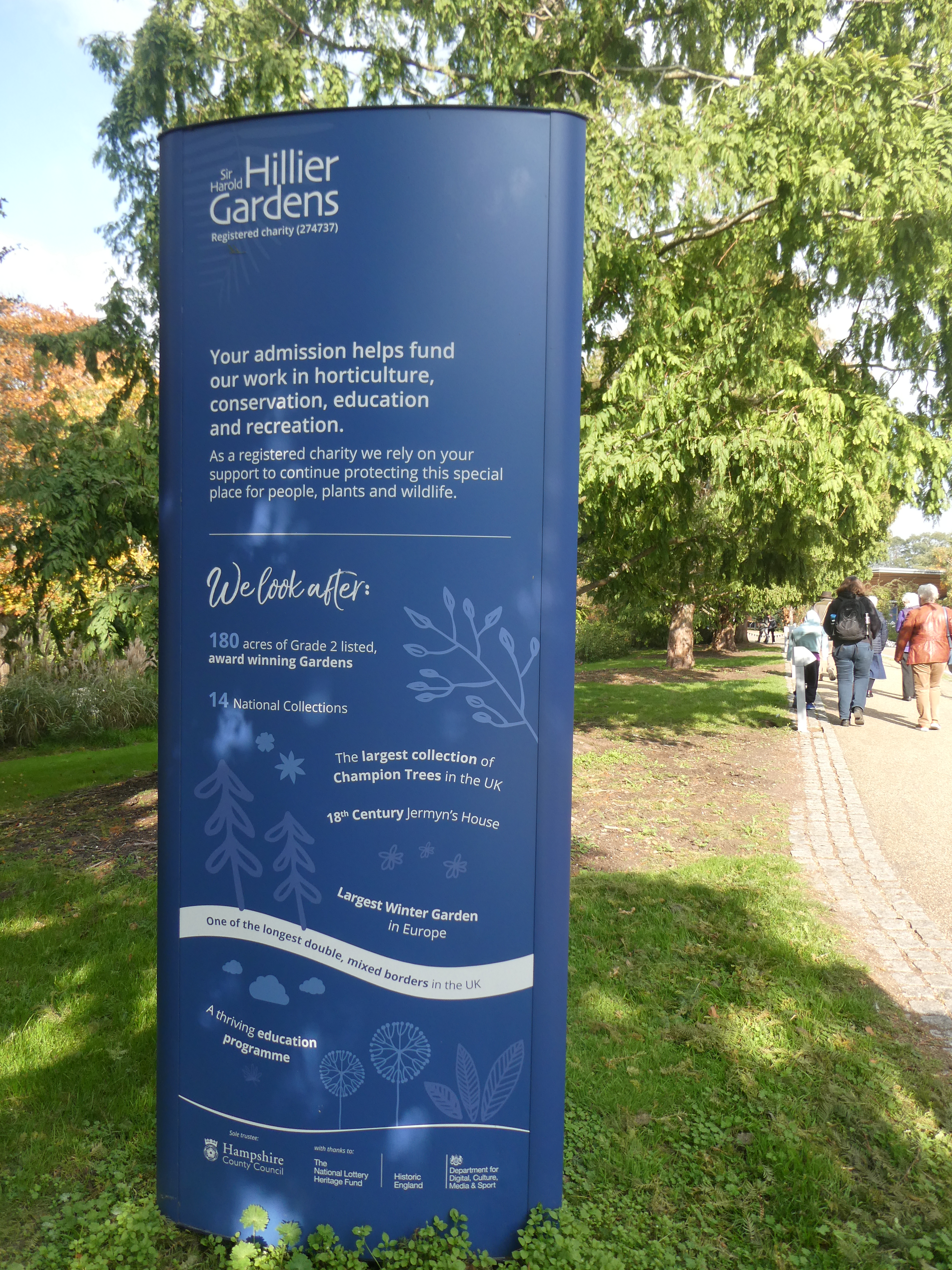
The dry and sunny weather has stuck with us for October so far. Husband’s birthday comes around and I cast around for a good activity on this Sunday afternoon, hitting on the idea of Hilliers’s Aboretum, near Romsey, Hampshire- a charitable trust that offers a garden centre as well as a huge estate full of assorted, indigenous trees. Early autumn is a great time to visit because the colours of the trees’ leaves is beginning to develop as they wind down for their winter sleep.
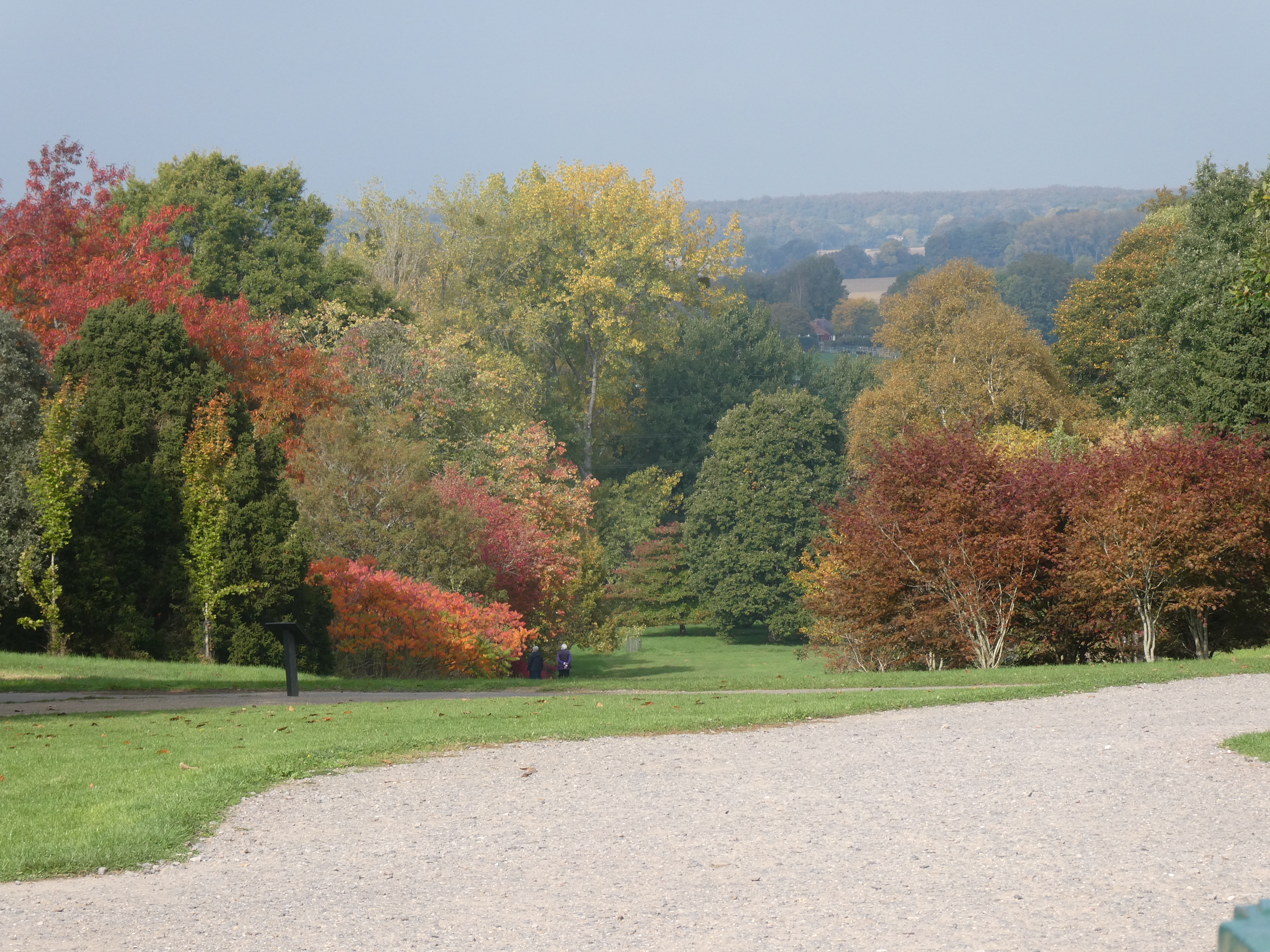
The colours of the Hampshire countryside are already showing promise even before we arrive to Hillier’s. The car park is busy so we’re not the only ones wanting to experience the best that a British autumn can offer today.

At the ticket counter, we’re given a map plus an opportunity to take out a ‘lifetime membership’, a deal that feels questionable. given that we A] won’t be coming every weekend for ever’ and B] ‘lifetime’ doesn’t seem that much of a bargain when you’re in your later life…
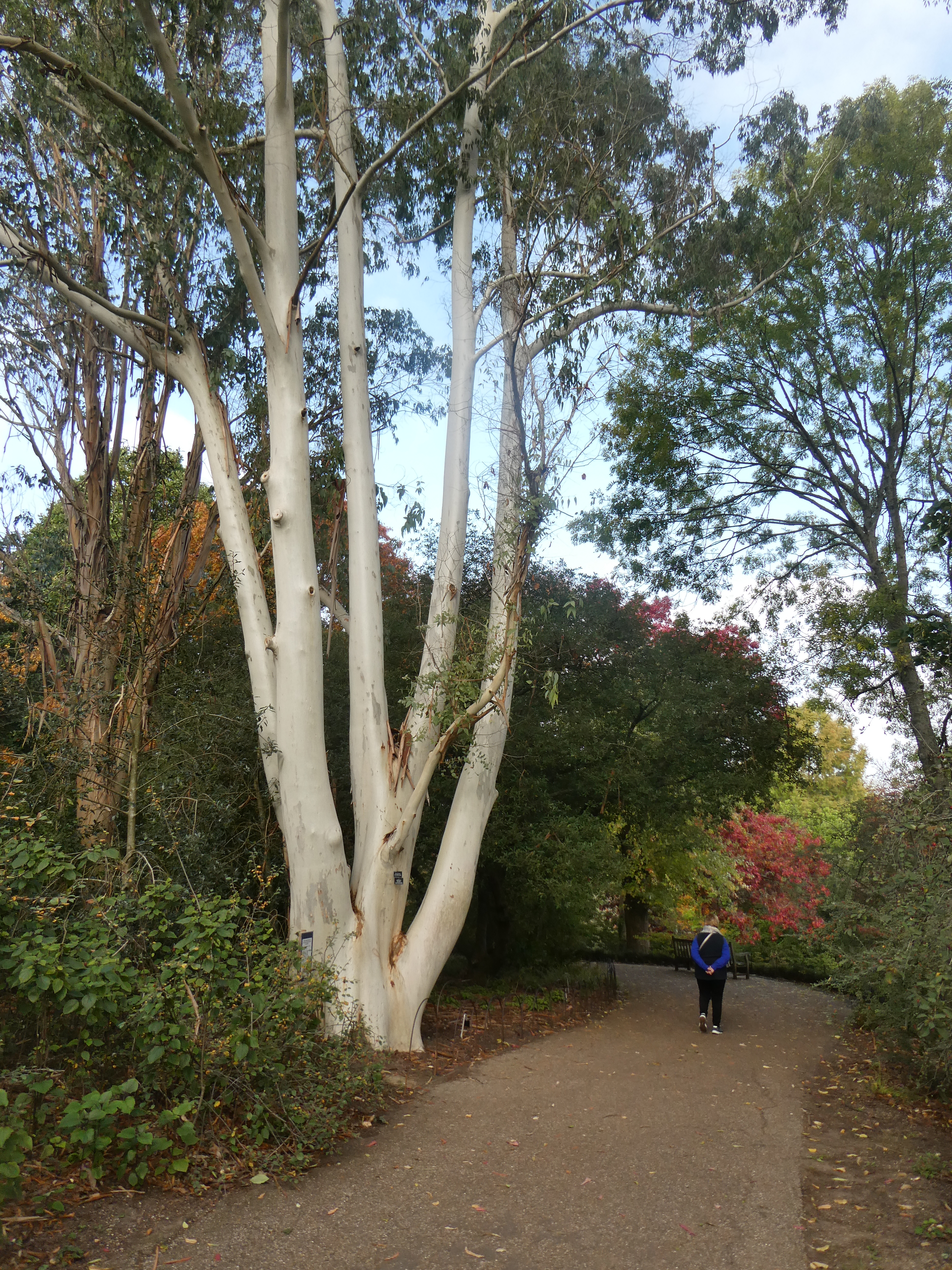
Still, we’re here and stepping out around the plantation, starting with a magnificent view down across the hills and over the landscape. Then we turn left and plunge into the trees. Husband, who is a botanist, knows a great deal about plants and trees, although not their names, which amuses me.
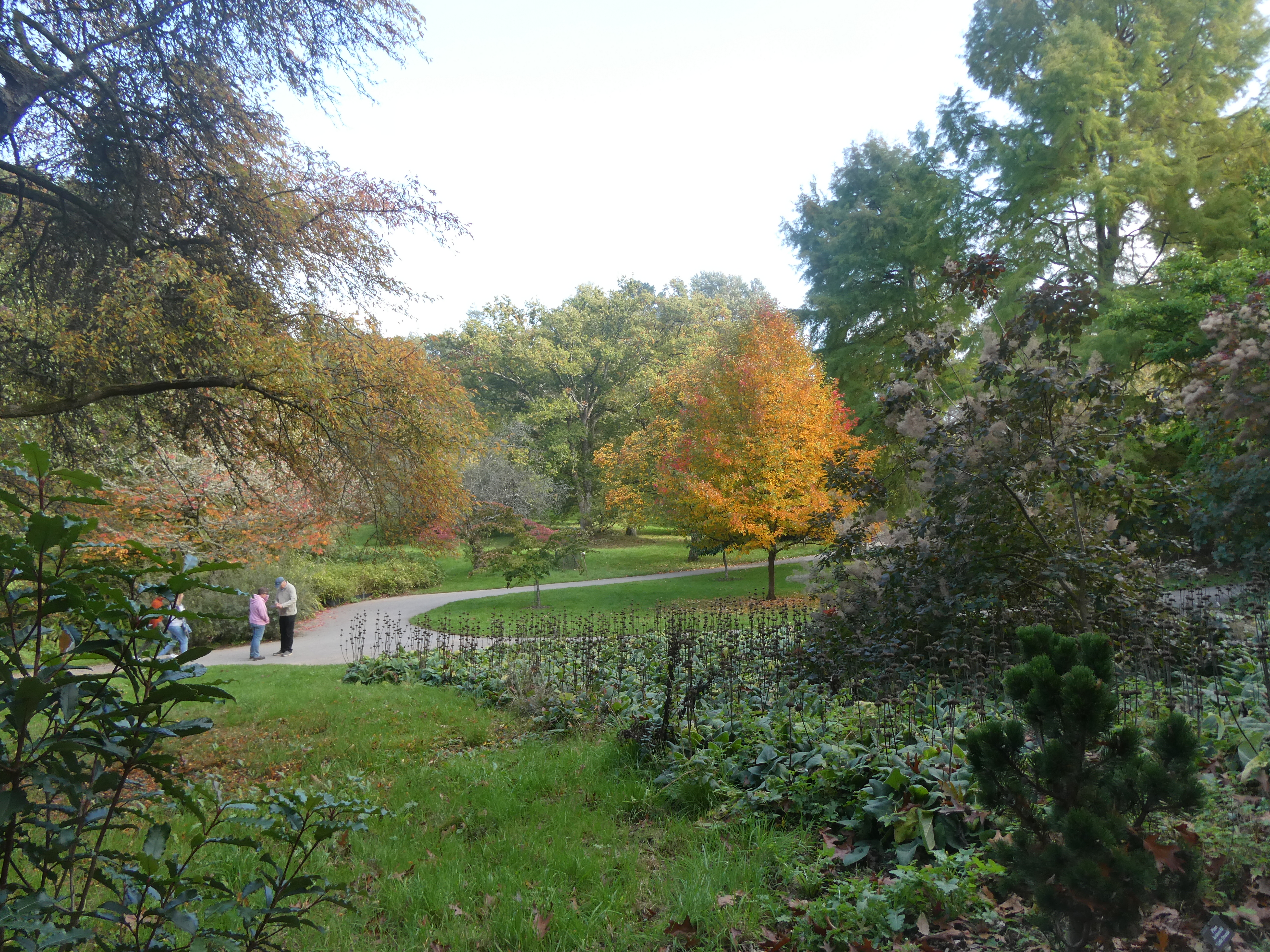
Wandering down along the path towards the pond and the bog garden, the colours range from purple and crimson through to flame orange, gold and yellow. En route there is an occasional added item for interest- a xylophone, some drums, a mud kitchen- all there to entertain bored children.

After a wrong turn or two, we find the pond, which has fish, lilies, timber seating areas and, in the centre of the water, a spectacular larch. Larches are unique in that they are conifers but shed their needles in the winter. Before this, though, they turn a bright orange. This single tree’s reflection on the water is amazing.

Around the outside of the pond, in the bog areas, there is towering Gunnera, just starting to decay, the enormous leaves beginning to blacken. Further on, beyond and above the pond area we walk through a tunnel of tall bamboo.

The path winds up and out then we emerge at the start of a wide alley flanked by herbaceous borders, a grass area between, that seem to extend as far as the eye can see. The borders, even this late in the year, are chock full of colour, with dahlias, geraniums, asters and so many more flowers, most being visited by bees, a lovely sight.

Then we’re back to the start, and since we’re by the cafe, it feels churlish not to give it a visit for tea and excellent fruit cake.

Later, I feel glad to have had the cake as I wait [too long] for my meal to be delivered to our table in ‘The Botanist’ restaurant. But what an appropriate place for botanist Husband’s birthday meal!

Novels by Jane Deans [Grace]: The Year of Familiar Strangers and The Conways at Earthsend. Visit my website: janedeans.com

In the Company of Trees

Though it’s not on the plan, as we leave Tobacconist Farm, Minchinhampton I remember that we’re not so far from somewhere I’ve wanted to visit for a long time- the national arboretum at Westonbirt. The arboretum is home to a huge collection of trees and since we’re passing very close it seems a good chance to go and see it.

It’s a warm, bright day. We pull into the coach and motorhome, where we’re almost alone, park and decide to have coffee before we set off around the plantation.

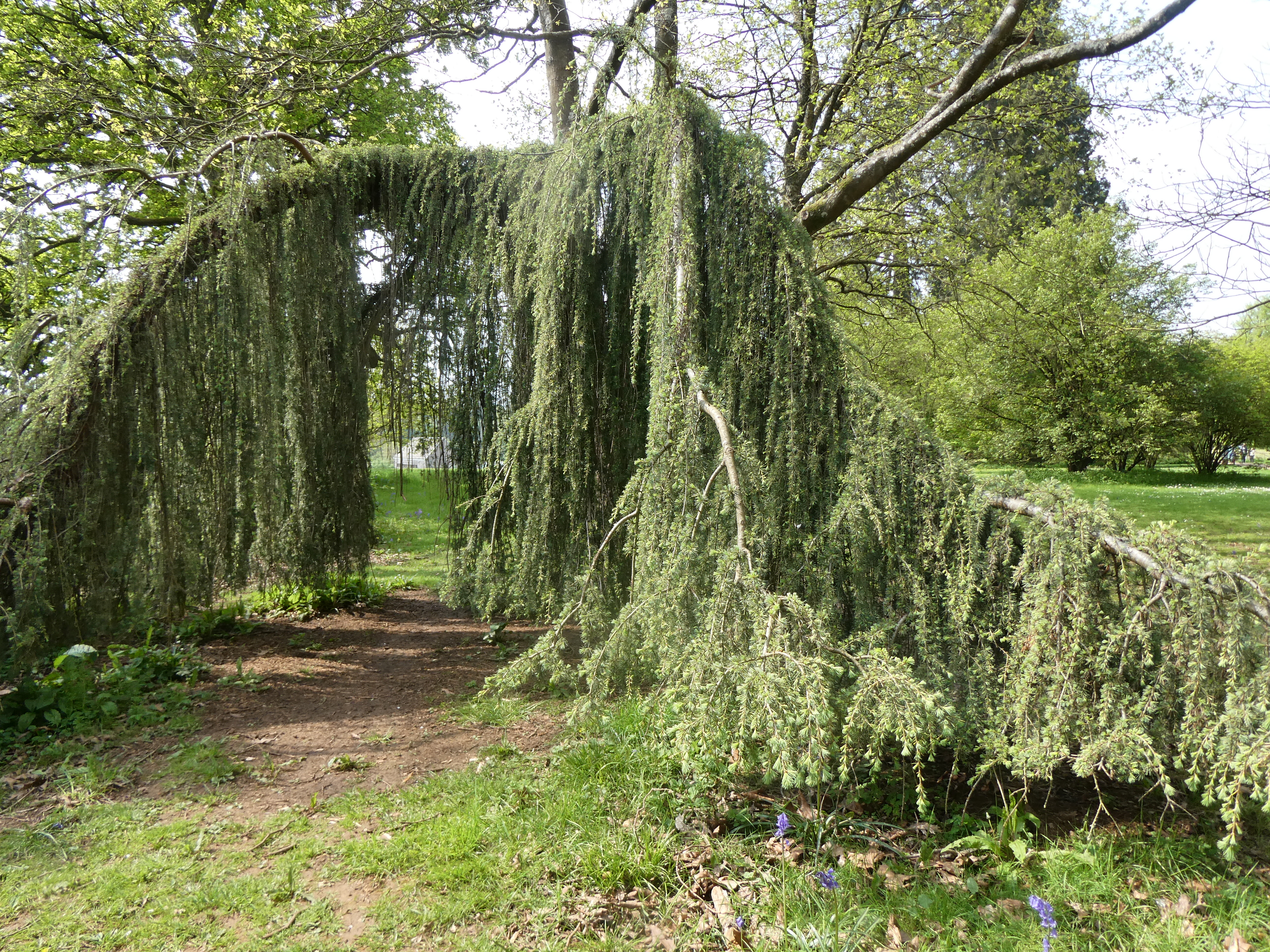
It’s not busy on this weekday, so as we begin to stroll around the vast area we’re often out of sight of anyone. The trees here are extraordinary. As well as the well-known, indigenous trees of the UK, there are many unusual specimens from all over the globe and they’ve made a great job of labelling most of them.

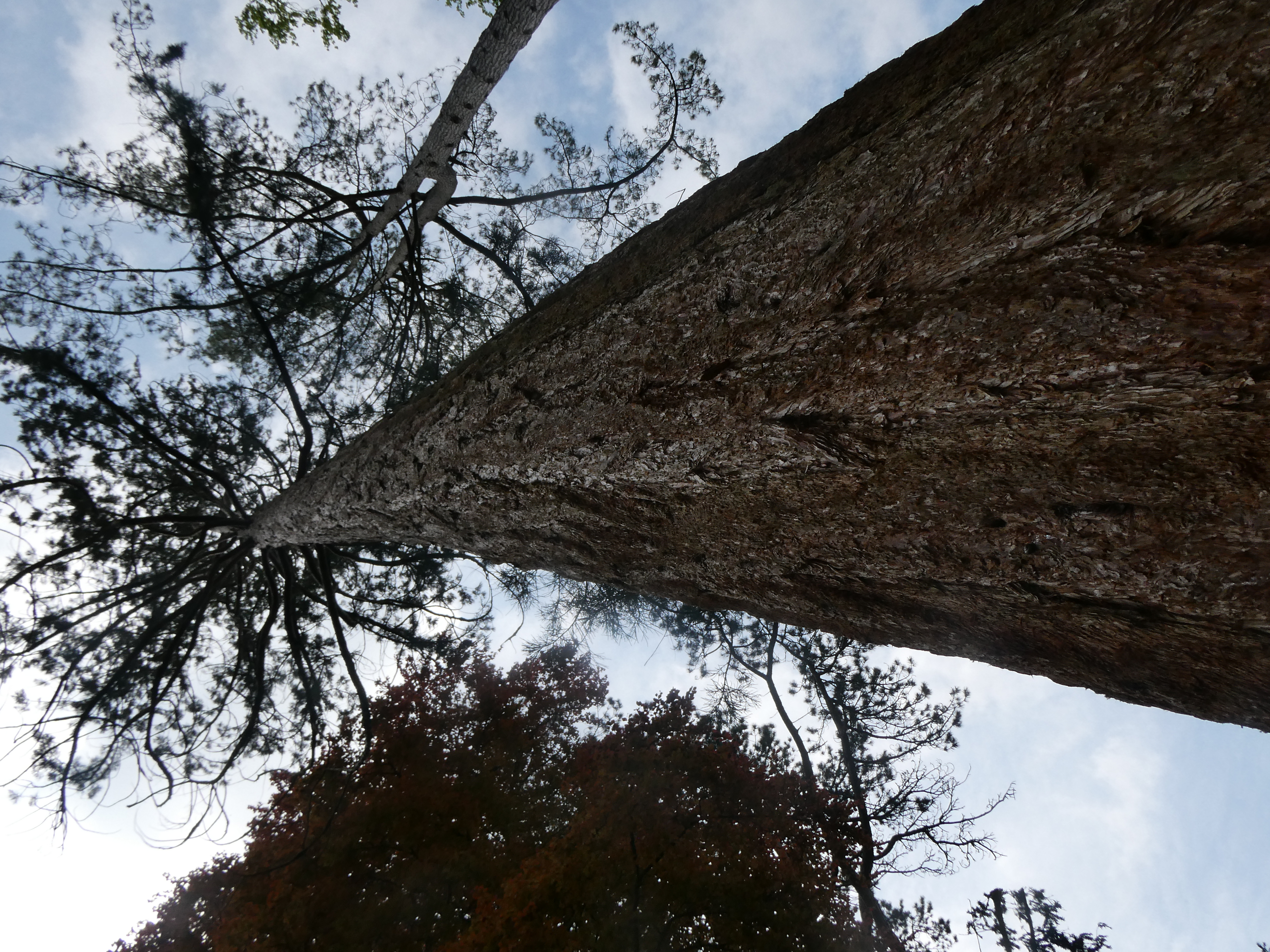
This is a beautiful time to visit, as in between the trees there are huge carpets of proper British bluebells and glorious, vivid rhododendrons in eye-popping colours. The plantation is divided into areas- a lime tree grove, an oak walk, a maple loop. The maples are displaying their finest foliage, with an array of colours from lime green through to the brightest scarlet. There are, of course, some real giants here, too- towering redwoods and huge horse chestnuts.

There’s a lot to see and it requires a lot of walking, which is good for us, although for those who find it harder there’s a shuttle service to take around the site. It’s well organised. In the end we decide there’s so much to see here that we should probably have some lunch at the small cafe and continue.

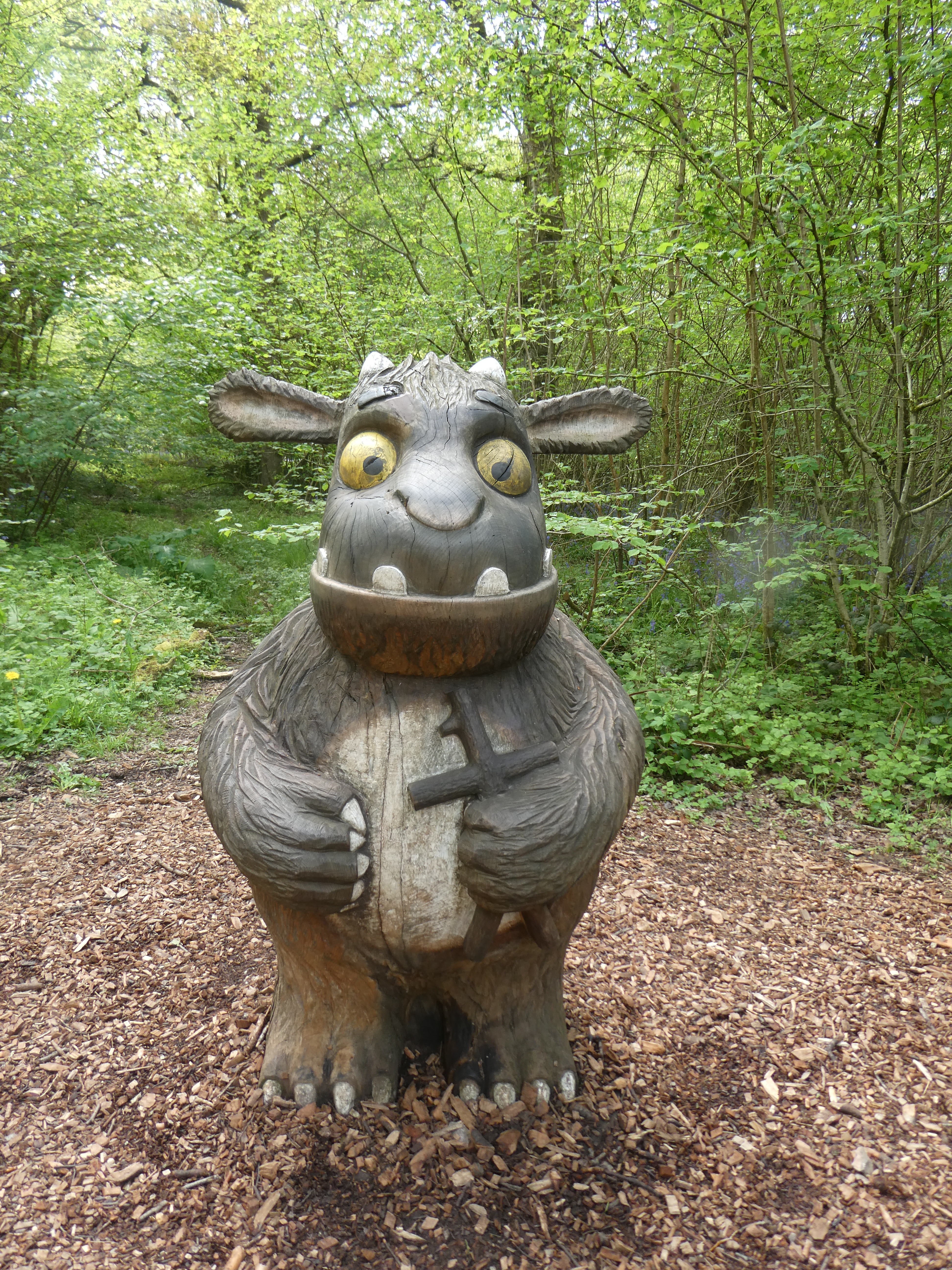
After a sandwich and coffee, we’re up for finishing the circuit of the place. which means going up the other side and a wilder part, wooded and canopied. On one pathway there is the Gruffalo- and I noticed that childrens’ parties can be held here-. I think I’d have loved a birthday party in the woods as a child! [also I wish I was Julia Donaldson but that’s another [childrens’] story.

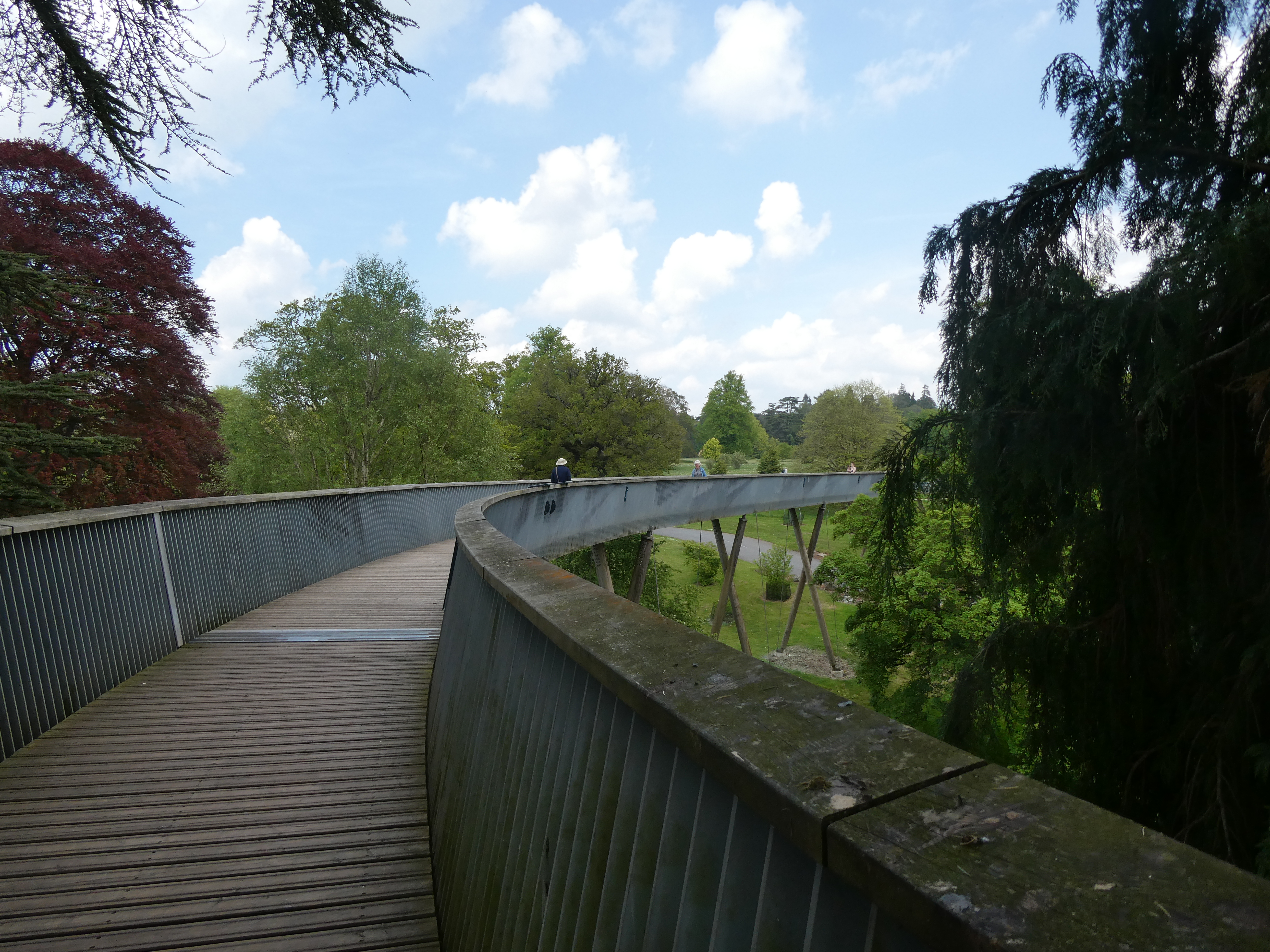
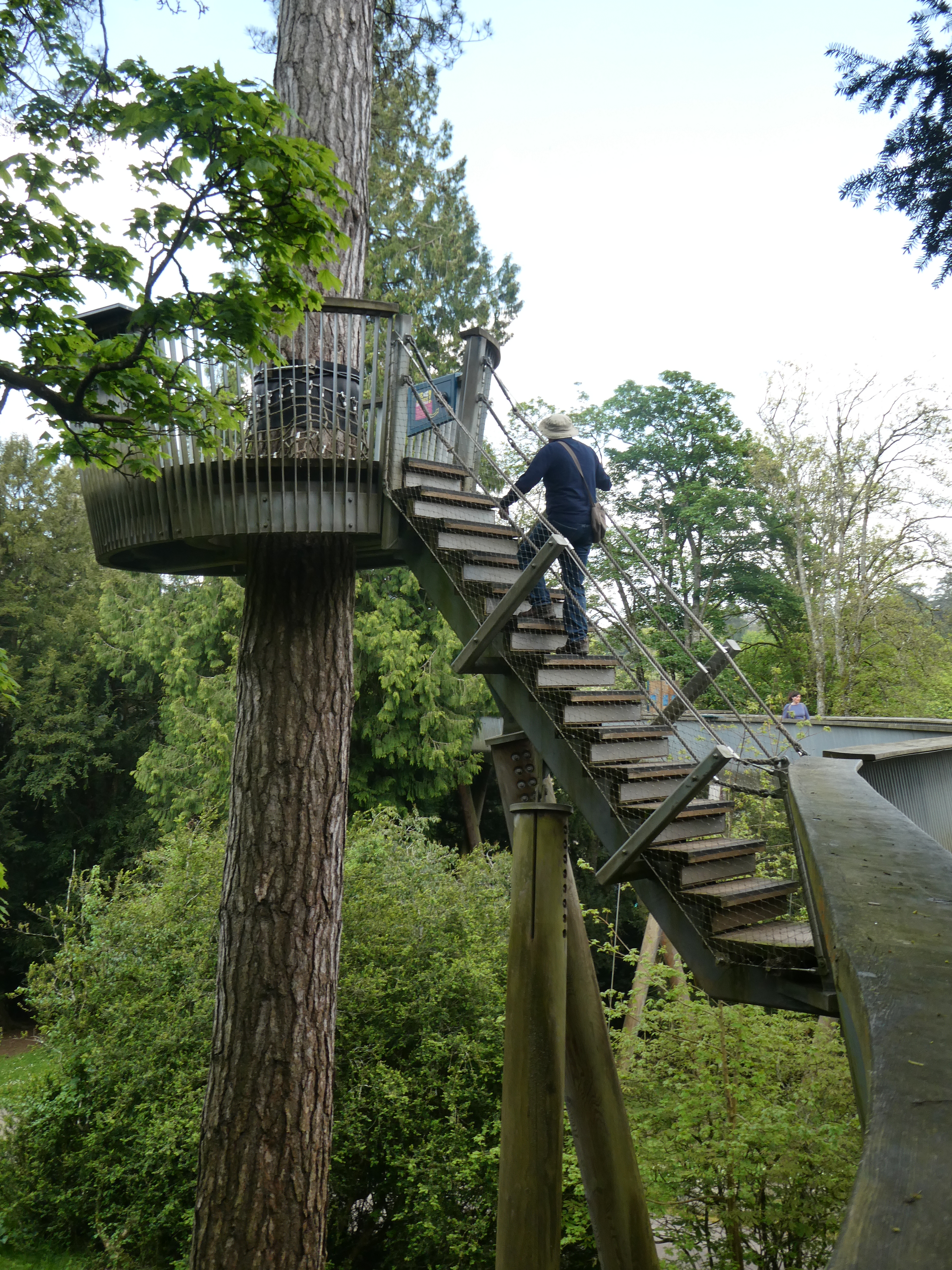
We’re working our way towards the elevated tree-top walk, which can be seen from the entrance, then we’re climbing up and getting the views. Below us there’s a woodworking workshop where furniture is being made; above us a short set of steps up to a rounded tower- all, of course, in timber.

We feel we’ve earned tea and cake, conveniently available from a kiosk near the entrance. It’s time to move on and to our next site in the village of Lacock. This site is a world away from ‘Tobacconist Farm’, which was basically a field with a shower block. This one is landscaped, the hard standing pitches meticulously lined up with their own patches of mown grass. There are carefully tended flower beds, a thoughful play area [this site is not adults only], a separate tent field, the beginnings of some glamping units. We’ve booked and already have a pitch number, so there’s no checking in- just finding the pitch and plugging in.

We take a quick stroll down the hill and across the busy road to the village for a very quick recce, then back. The day is still warm and it’s pleasant enough to cook and eat outside- which we do….

For fiction by me, Jane Deans, search for novels: The Conways at Earthsend [an eco-thriller] and The Year of Familiar Strangers [mystery drama]. Visit my website: janedeans.com
Boomers’ Bloomers [again]

Baby boomer:    a person born during a baby boom, especially the one in the US or UK between approximately 1945 and 1965: Ageing baby boomers are creating a greater need for healthcare. baby-boomer. adjective [before noun] › The baby-boomer generation is now hitting retirement age.18 May 2016

We ‘boomers’ are in trouble again. Not content with having had free university education, ‘good’ pensions, having the gall to buy properties and now living long enough to be using up all the healthcare budget we have transgressed further. The offence? We have failed to teach our progeny horticultural skills. There! How appalling! We should have been outside in the garden with our new-borns teaching them the difference between bindweed and broccoli instead of idly dandling them on our knees. We should have set our toddlers to weeding, hoeing and tying in the runner beans rather than reading them stories and letting them splash around in paddling pools.

Having been born and raised in the countryside I did actually learn a great deal about gardening at an early age; though not grand or modernised the properties we inhabited were always surrounded by large pieces of garden which my father tended with gusto-perhaps because he came from a family of market gardeners. The fruit and vegetables he grew were more than a supplement to our diet; together with the hens we kept they almost were our diet. Yet we were not coerced into digging and weeding and were left to our own devices, excavating our own plot behind the shed to find buried treasure and taking stray worms down to the hens’ enclosure or trawling the small stream with jam jars on strings. I do remember being interrogated as to why I’d pulled up a cabbage and explaining that it was to see if it was growing, a reply not received with indulgent approval-nevertheless it had been growing.

But I knew about gardening. I knew that you could graft one type of apple tree on to another, that potatoes needed to be earthed up, that you could make compost from garden and vegetable waste. I knew the names of things-vegetables, fruits, flowers and weeds. I also knew the names of trees and wild flowers. At school, with no danger of a ‘national curriculum’ we went on nature walks-a long crocodile of hand-holding pairs strolling the lanes and scrutinising the banks and hedgerows so that we knew which tree conkers grew on [not a conker tree!] and bringing back specimens for the ‘nature table’. I grew up able to identify common birds from plumage and song and to know a number of wild flowers, plants and trees.

Just as a garden itself cannot be made instantly you can’t ‘teach’ gardening. The skills and knowledge develop over time with trial and error and a little research now and again. The best gardens evolve-like the twenty year old patch I’ve grappled with and am about to leave. How will the next garden grow? I look forward to finding out…


Windows

                I’m not sure of the exact meaning of ‘broadening’ the mind, but if it has something to do with stuffing facts, experience, skills and knowledge into it then it must be true that travel does this. But to learn anything by travelling I don’t feel it is necessarily a requirement to trek into the Antarctic, to climb Everest, canoe up the Amazon or swim with dolphins in Florida. While it is desirable to wander far and wide, I think it is entirely possible to broaden the mind with a simple stroll around the block, whether your neighbourhood is a suburban housing estate or the village green. All you need is to be naturally nosy and have voyeuristic tendencies.

                To wander an area on foot, wherever it is, presents a multitude of questions. Who lives here? How do they earn a living? What do they do in the evenings? How do they travel? What kind of tastes do they have? Where did they get their kitchen units? Do they garden? What do they grow? What on earth made them choose to paint the front door cerise? Why do they have net curtains? Why don’t they have net curtains?

                It is helpful to anyone wishing to pry if the subjects have neglected to pull the curtains and left all the lights on. I love this. I especially love the basements of residential London streets, where they may have converted the space into a kitchen or a living area or a playroom, a library or a dungeon.

                We have travelled more ‘on our own doorstep’ here in the UK than in any year I can remember since I was a child. This is in part due to family events, of which there seem to have been many and divers, and also due to the summer weather, the first for many years not to be beset with rain, wind and low temperatures. We have visited all four parts of The British Isles.

                The British countryside is beautiful. The trees, especially are graceful, majestic giants in full leaf and laden with their seeds or fruits.

                We are in the Yorkshire dales in the aftermath of a family gathering; staying on the periphery of a small market town, where many of the homes’ entrances open directly on to the street, their windows allowing plenty of nosing to take place. As we walk I conduct a casual survey of the inhabitants’ attitudes to tourists’ prying eyes. Many have wisely installed blinds or net curtains, but some provide ready-made interest in the form of a display; shelves of antique toys, a beautiful plant, a revolving glass mobile, a partly written love poem in an ancient type writer.

                The spell has broken and it is raining, reverting to summer as we have come to know it. In a couple of weeks school will be in and it will be time to head south in search of warm weather without the hoards. Next month, Southern Europe. Santé!