Village on a Chocolate Box

Years ago, when I was a child [the 50s, mainly], boxes of chocolates were a favourite gift and were almost always adorned with pictures- most often totally unrelated to their contents. A common theme was cosy, thatched cottages with roses around the door. My mother was very fond of boxes of chocolates, so this made buying her a birthday or a Christmas gift very simple.

So all these twee designs on chocolate boxes led to a well-known catch-phrase [at the time] of comparing country cottages to chocolate boxes. If you said a home was like a chocolate box, everyone would know what you meant.

Nowadays though, I doubt very many people would understand the phrase at all. Boxes of chocolates have largely fallen out of fashion and favour and those that do still exist are unlikely to have photos of thatched cottages on the front and a huge red ribbon around them.

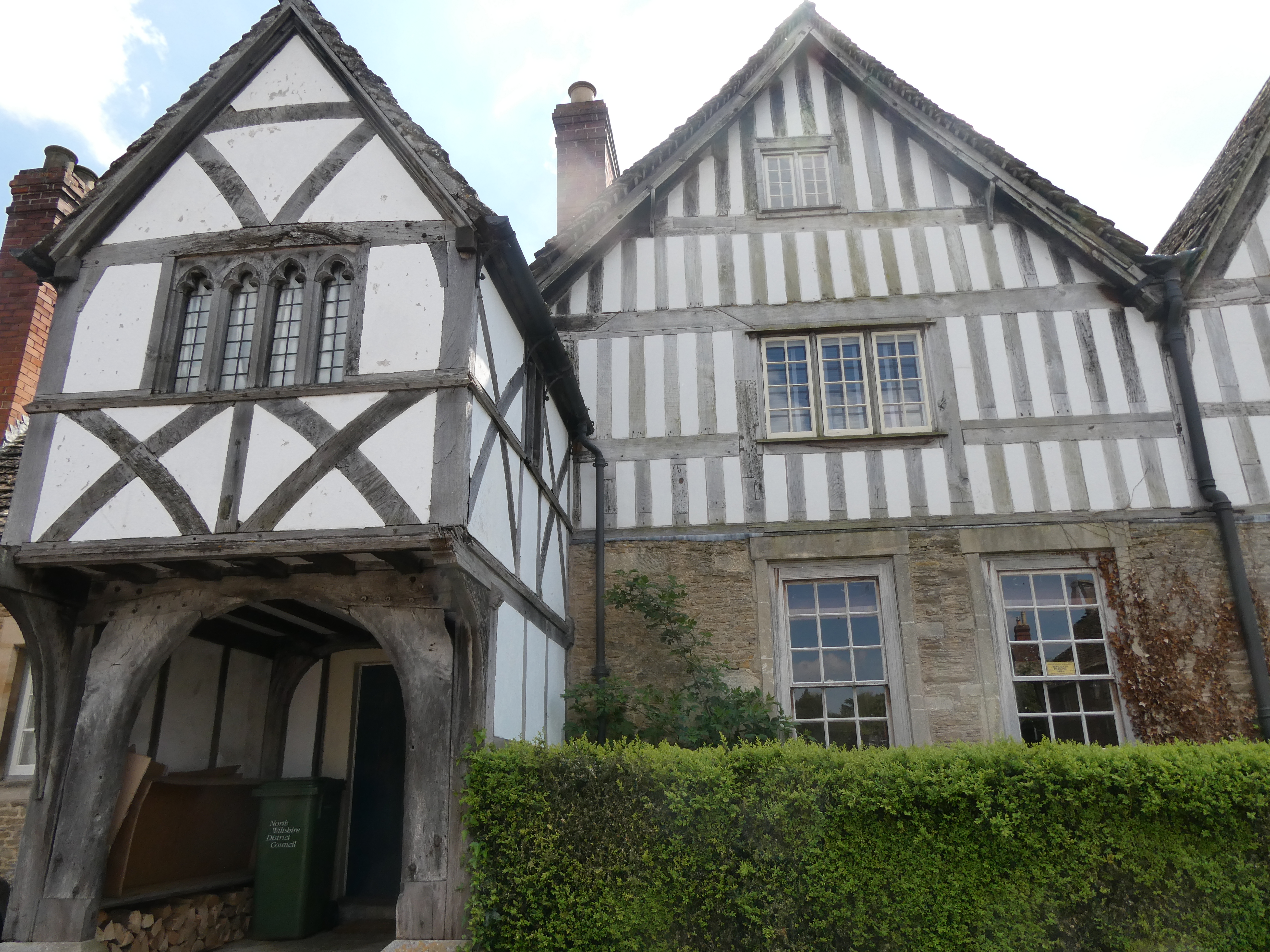
The village of Lacock in Wiltshire, though, boasts enough chocolate box cottages to stock large numbers of sweet shops and is the kind of village I imagine overseas tourists dream of visiting, should they want to see traditional British life.

Here, the two main streets host terraces of ancient buildings- half-timbered, thatched, tiny or rambling- all tended and primped for visitors. Among the homes is a village store, a post office, bakery, cafes, pub and gift shops. Outside some of the houses, shelves of home-grown garden plants are on offer- even offering ‘honesty boxes’ for payment!

In addition to all of this historic twee-ness there is the beautiful attraction that is Lacock Abbey [National Trust of course], a huge, majestic pile sitting in vast and beautiful grounds, all as meticulously tended as you would expect from a NT property.

One stunning aspect of the abbey grounds is a buttercup meadow, a sea of yellow cris-crossed with mown paths, the flowers almost tall enough to conceal a person [at least- a short person like myself!]. In the centre is an old tree, wound with something at the top [possibly willow twigs?] looking like a woody planet, and hung with beautiful bracket fungus.

The wooded area is another sea- white this time, of wild garlic, which seems to be having a good year, perhaps due to March’s incessant rain? There is an unmistakeable aroma of garlic as we wind our way nearer to the abbey.
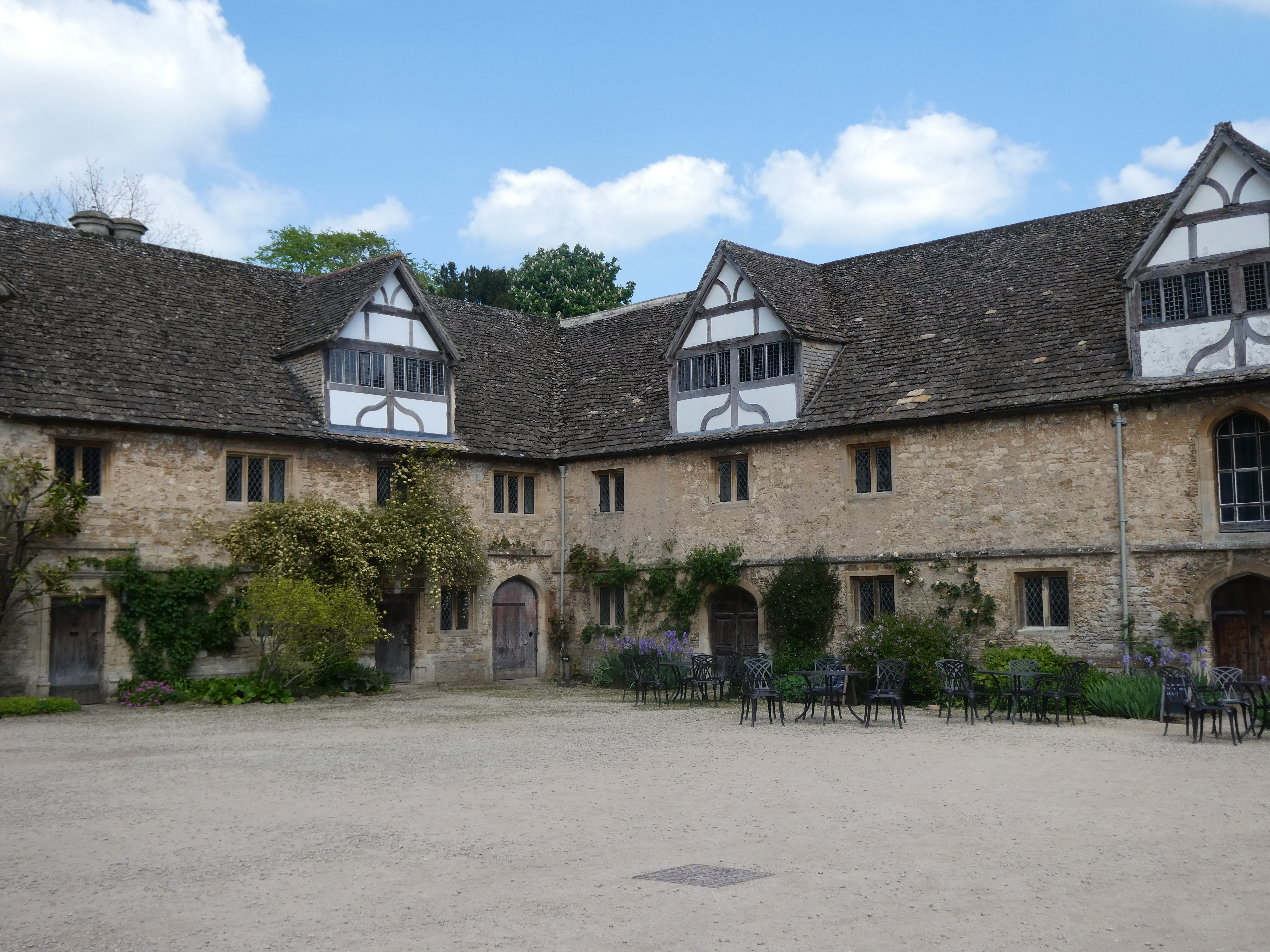
We stop for a quick look at the courtyard- presumably accomodation for the abbey inmates, then pop inside the abbey itself, which is beautiful, hung with paintings and dressed with age appropriate furniture. We finish in the enormous hall which is decked with statues around the walls and an enormous fireplace.

Back outside, we take a moment to visit the large pond, before leaving and going to the cafe, always an obligatory deviation. The sun is out and a cheeky robin visits our table to beg for cake crumbs…now as afternoons go it’s pretty good…

For fiction by me, Jane Deans, search for novels: The Conways at Earthsend [an eco-thriller] and The Year of Familiar Strangers [mystery drama]. Visit my website: janedeans.com

Festive or Frustrating?

I’d guess most would consider that living in a tourist town is extremely lucky, since the attractions are there on our doorstep all year round- and it’s true, there is much to feel fortunate about- although not smug [I hope!]. But it can be variously annoying, frustrating and tedious too.

The small market town where I live is in an enviable position- between the Uk’s best known national park and the sea- and also boasts many historic features, making it a magnet for visitors, no less for holding regular events like festivals during the summer months.

During such shindigs, streams of traffic pour in, choking up the town and filling the car parks by early in the day- then having to stream back out again, having failed to find spaces. On the other hand, we’re lucky in that we can stroll up the road and be in the midst of whatever is on in a matter of minutes. Sometimes it’s noisy, often it’s messy- with clearing litter an almost full time occupation for those involved in the running.

Husband and I used to be part of a team that ran a music festival in our town, an event now taken over by others, so we know what’s involved in staging one; risk assessments, fire fighting training, stallholder booking, ticket selling, first aid- the list of chores is endless.

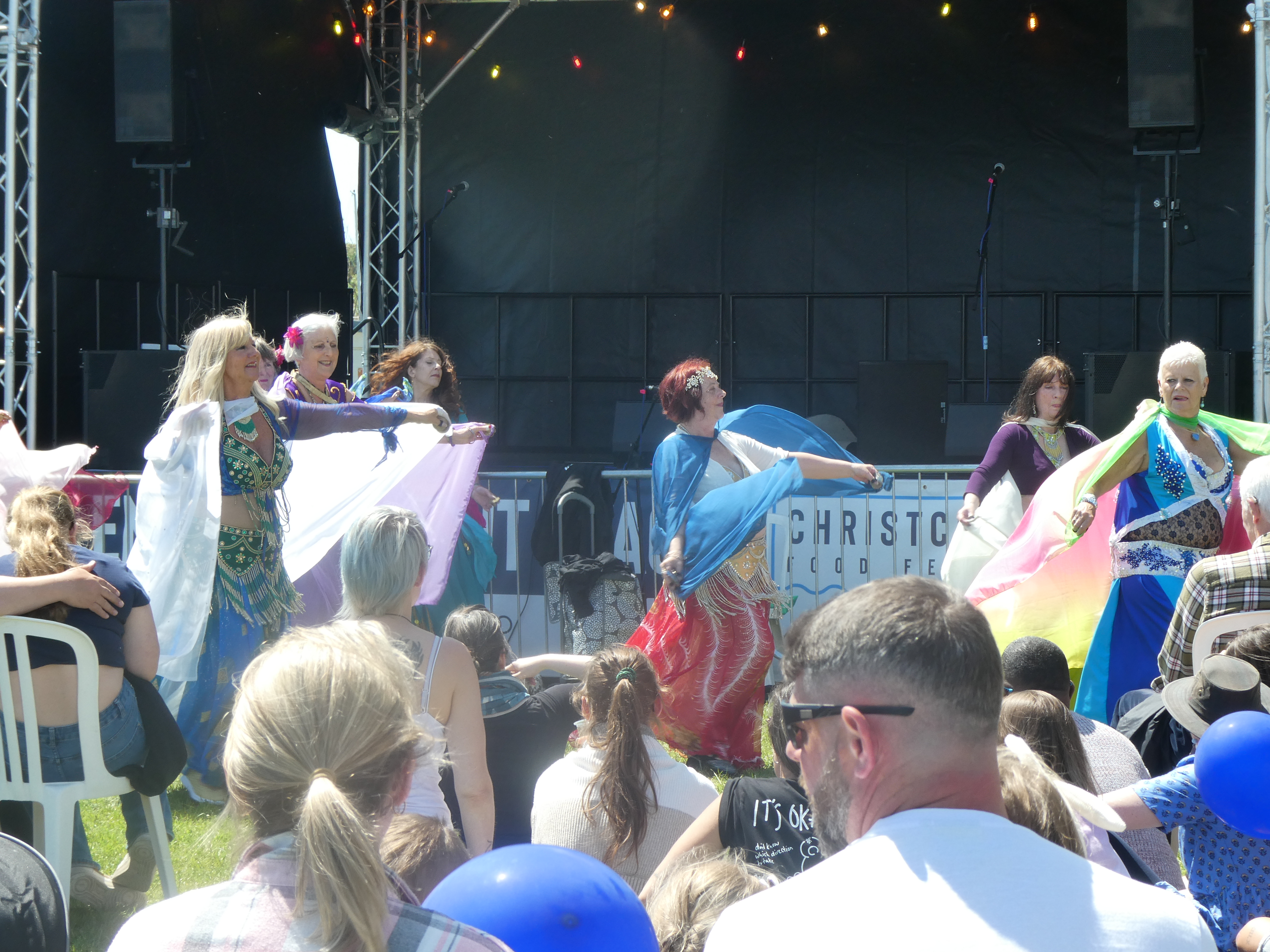
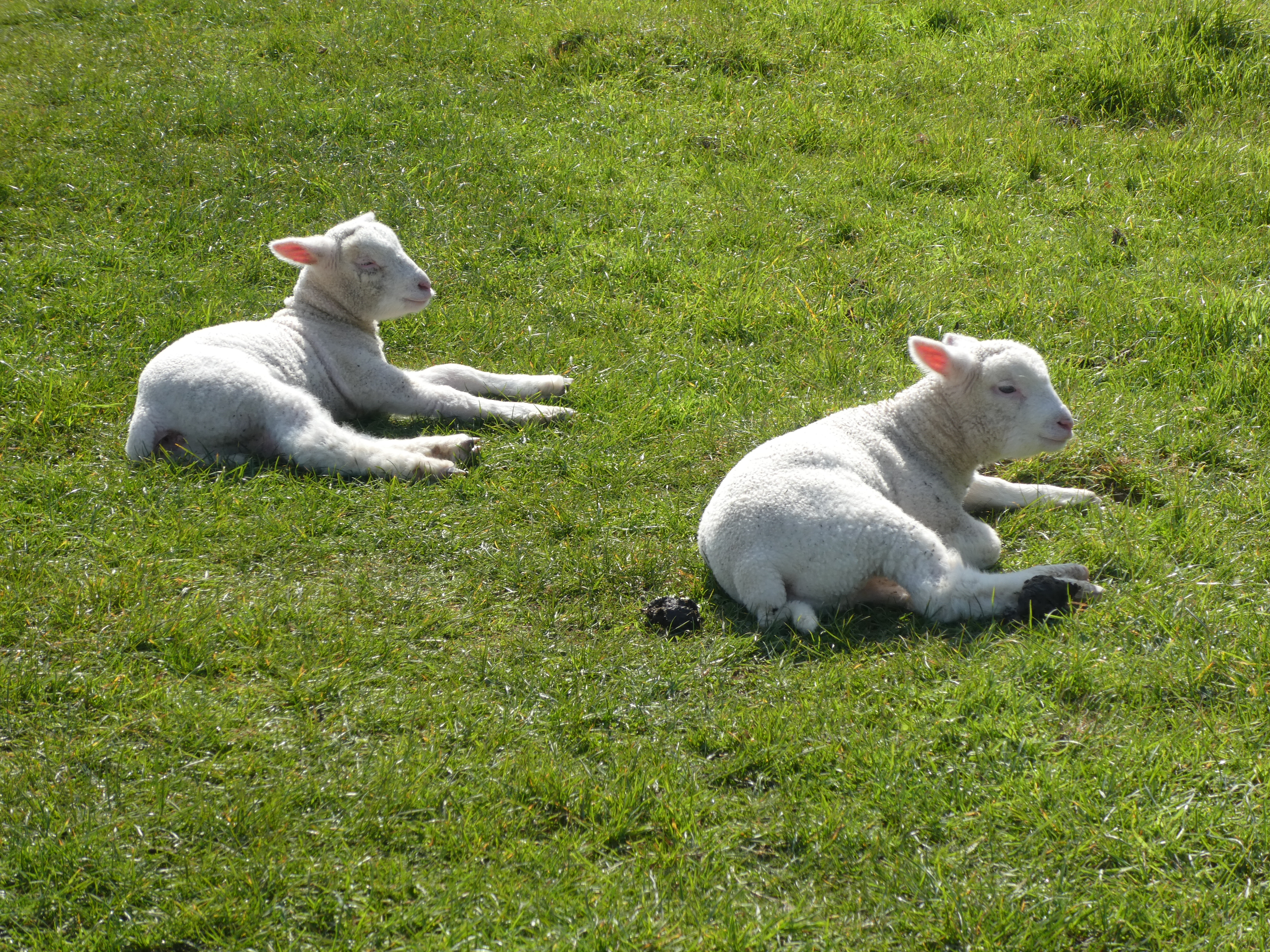
Our town has just hosted the annual food festival, a massive undertaking that results in a sea of stalls down through the High Street and on the ‘Quomps’- a green area next to the river and quayside. The event was, as always, hugely popular, with some obvious features like cookery displays and others less so, like sheep shows and a cross-channel row-boat. Like many such festivals this one has been taken over by a huge company, which results in fewer small, independent businesses and much of the food [too much!] is ‘fast food’ orientated.

We wander along for a couple of hours to see if anything’s new and to investigate lunch possibilities- it’s tricky for those like me, whose choice is a bit limited by health issues, since I can’t consume dairy or spicy foods these days and the range of stalls is overwhelmingly dominated by spice and cheese. Another festival a couple of weeks ago in the environs of the town was a ‘cheese and chilli’ one- not a great magnet for me!

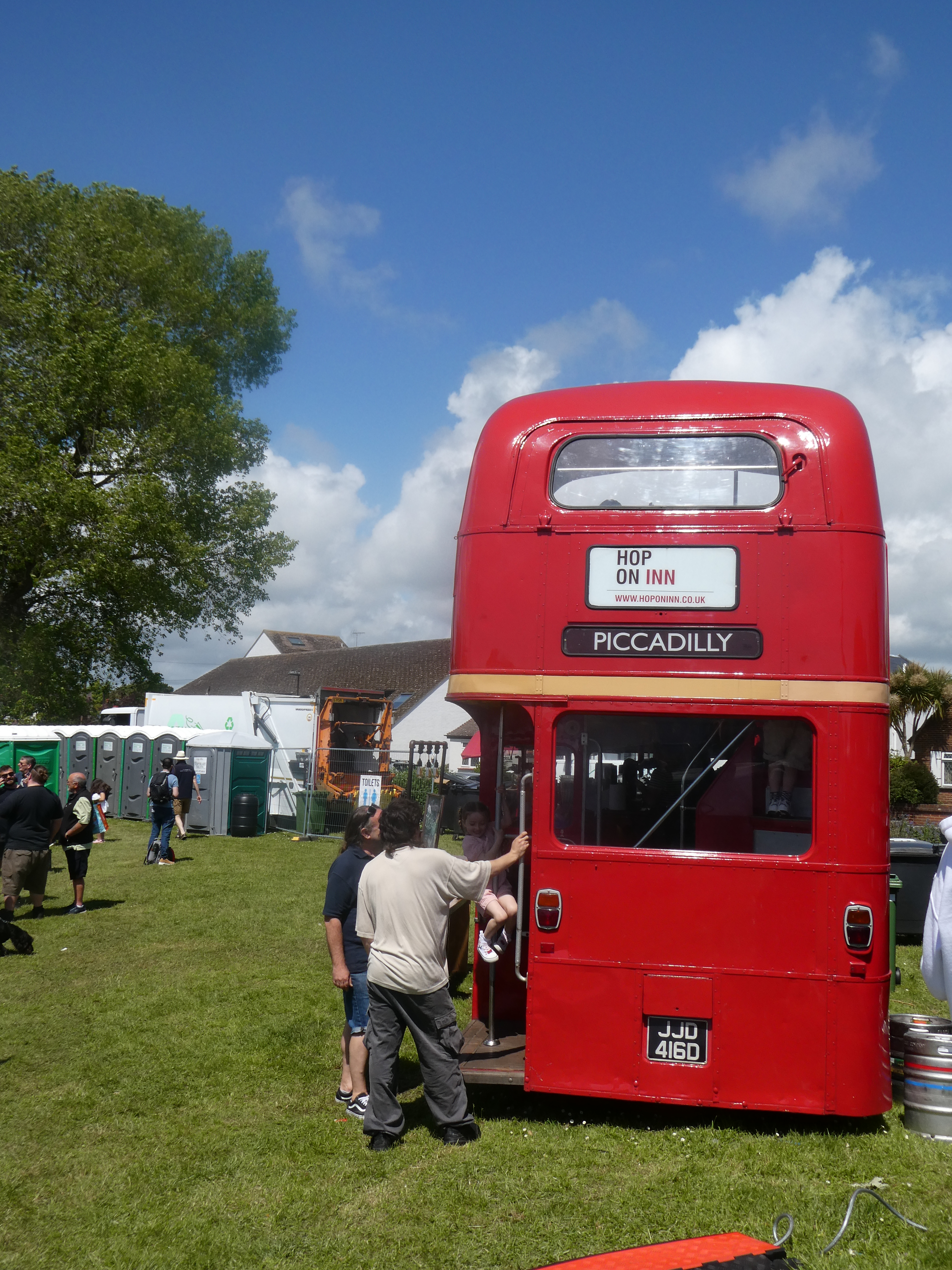
We walk past the waiting stream of traffic and to the High Street, which is thronged with visitors, then on down to the Quomps, where most of the action is; a double decker bus remodelled into a bar, curry stall, burgers, the sheep show- no sheep on show- [presumably they’re on lunch break, too], ‘loaded’ fries [loaded with- you’ve guessed it- cheese], belly dancers- belly dancers?.

I manage to find a roasted duck wrap, which is pleasant enough- if expensive, then think I might like an ice cream. A tour of the entire food festival. however, cannot yield one single ice cream stall [and there are quite a few] offering a non-dairy ice cream, which strikes me as extraordinary, given that every supermarket is now able to offer them!

We walk back to the town and home. That’s it until the next festival- and mostly the same stalls again!

For fiction by me, Jane Deans, search for novels: The Conways at Earthsend [an eco-thriller] and The Year of Familiar Strangers [mystery drama]. Visit my website: janedeans.com
Ticket to Ryde

Day two of our local jaunt to Southsea dawns gloomy and overcast, but we decide to press ahead with a hovercraft trip to the Isle of Wight anyway. At this time of year we can’t expect tropical temperatures or baking sun and it’s a bonus if there’s no rain.

We’ve had a good breakfast at the hotel. It’s just a couple of minutes walk across the common to the hovercraft ticket office and once we’re there there’s a short wait but even so a perusal of the key rings/pens/fridge magnets on offer does nothing to fill the time. Ferries continue to criss-cross on the water outside, beautifully coordinated so as not to collide.

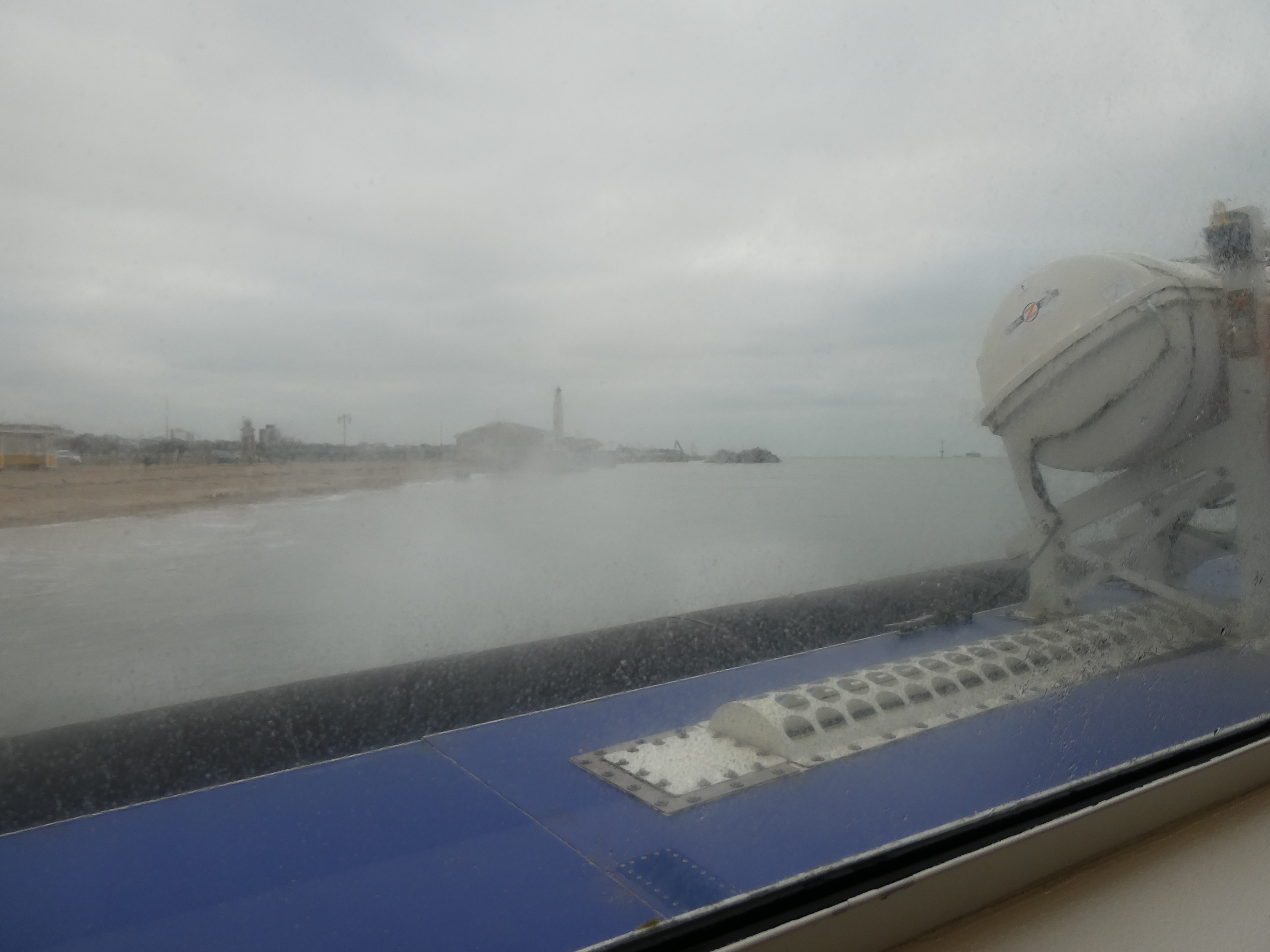
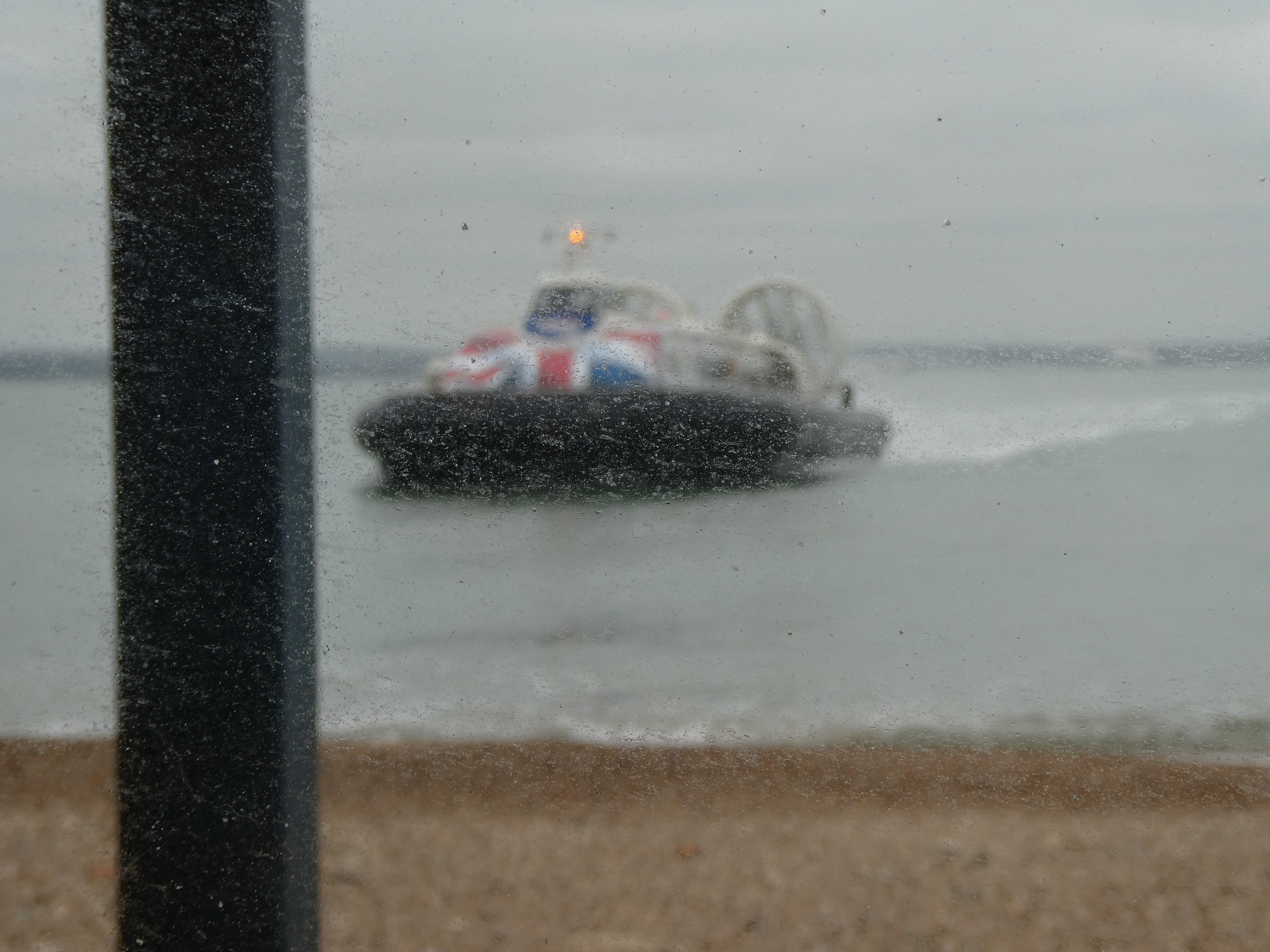
We can see the hovercraft approaching long before it arrives, then it swoops up on to the beach, lifting its skirts and then dropping them in a wheezy curtsey as the air is expelled. The doors lift open at the end and the steps descend, followed swiftly by the passengers, before we’re ushered up and in. This is no sluggish turnaround! Once we’re seated, the vessel rises up and is soon up to speed, whisking across the waves for a ten minute trip to the island. Of course there are no vehicles on this crossing- they must go by ferry. This is an expensive stretch of water; the price of a car or van is quite outrageous, given the short distance; even these passenger tickets are not a bargain.

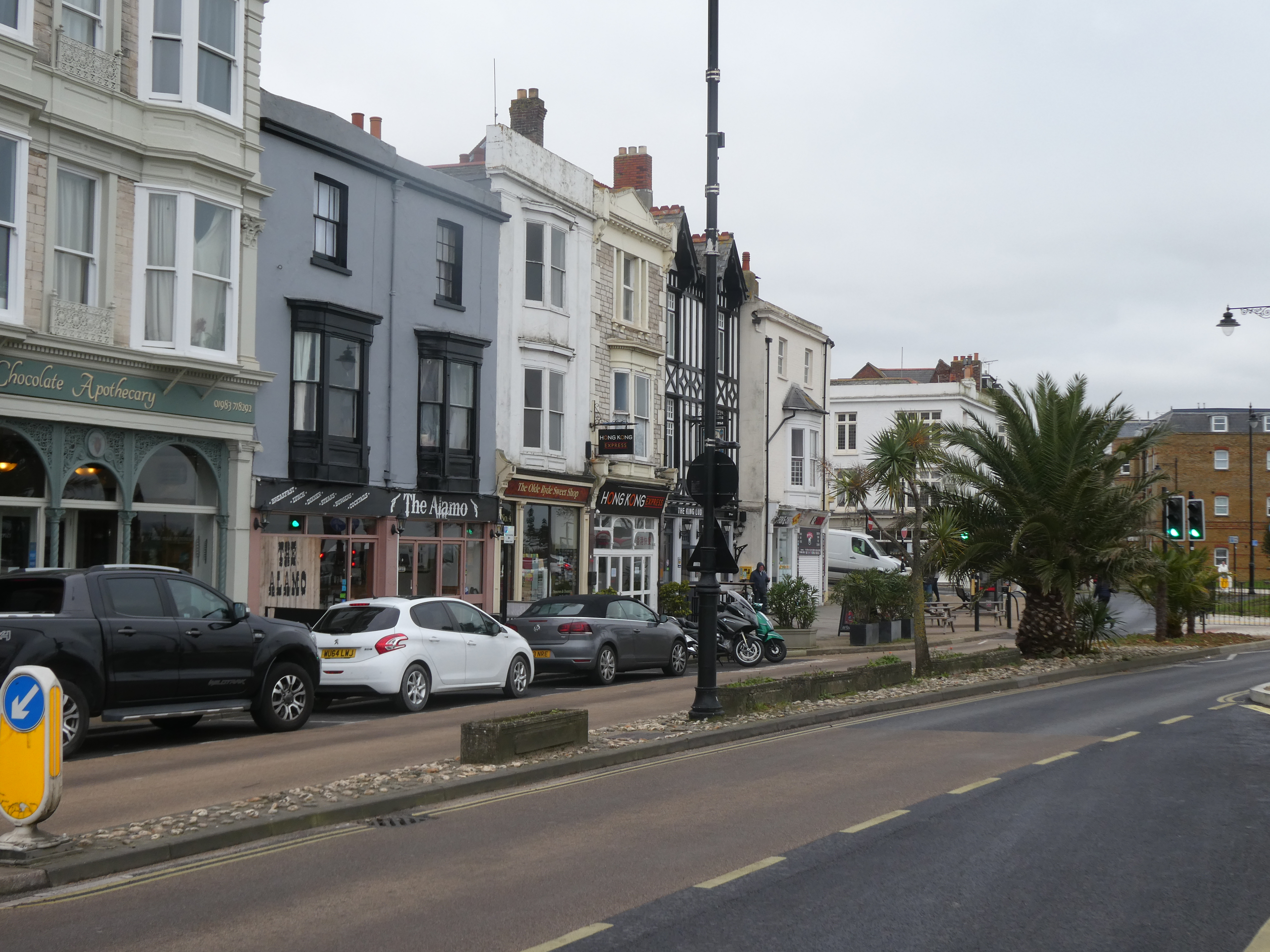
We’re soon at Ryde, swooping and curtseying then exiting- all over in a flash. Ryde seafront is undergoing a transformation, with new paving, signs and so on. The hovercraft terminal sits next to both the train and bus station- very fancy, although we fail to locate any public lavatories in spite of searching all over the place. Then it becomes clear that the workmen-type portaloos in front of the station are, in fact, the temporary public loos. Later I notice a tiny sign to the effect in the information office window- hmmm.

We catch a bus to Sandown, which has a decadent, neglected air, its once grand hotels and apartments tumbling down, windows boarded, ivy taking hold and mould blackening; and even on the seafront, where rooms and homes face the water providing a wonderful view. Further along, beyond the pier there is an unlovely block of flats and I wonder why anyone would prefer one of these to the grand old Victorian buildings that are becoming ruins.

The pier is dedicated almost entirely to slot machines and on this overcast Saturday, this is where people have come- to play ‘Penny Falls’ and virtual golf. Seaside resorts in winter can often feel melancholy but Sandown feels positively dismal.

We drift back to find a bus stop- there being little else to see.

Back at Ryde we have a look at the pier, which is spectacular, before calling it a day and going for the hovercraft. The later it’s fish and chips in the cosy pub and a nightcap before bed…

Jane Deans has published two novels: The Conways at Earthsend and The Year of Familiar Strangers. Visit my writer page on Facebook:https://www.facebook.com/people/Jane-Deans-Novellist-Short-Fiction-and-Blog/100063988575981/

A Journey in Itself

Having cut short the Sussex trip, [https://gracelessageing.com/2022/03/20/cutting-it-short/], due to the Plague we made a second attempt at an early spring jaunt, this time even closer to home. We are back at Tom’s Field, Langton Matravers in the beautiful, Dorset Isle of Purbeck. We’d been encouraged by a promising forecast of warm sunshine. This is a rustic campsite that has existed for years and years and one we’ve been patronising for years, too. The services, while oldish and not luxurious are clean and efficient, the showers powerful and hot. There is also a campsite shop, not comprehensively stocked this early in the year but open and useful. We’ve only booked for three nights, midweek but I’m sure that by the time the weekend arrives it would be packed with vans and tents. The site does not accommodate caravans.

The dose of Covid that prompted our swift return from Sussex has been a bit of a journey in itself. Initially I felt shivery, achey and tired. I coughed. I was lethargic. At home I lolled around, did nothing and kept falling asleep. After isolation finished I managed some pottering in the garden, then by the weekend I was able to go out and about- to the theatre and to spend an evening with friends.

Then the sunshine prompted a packing of the van. Despite having felt well enough to get around I slept badly, waking often with a blocked nose and a hacking cough. It seemed that The Plague had moved into another phase. Loading the van was an effort but we made the short hop to The Isle of Purbeck in unbroken, warm sun and joined the 3 other vans in the south field. The site only opened 2 days ago.

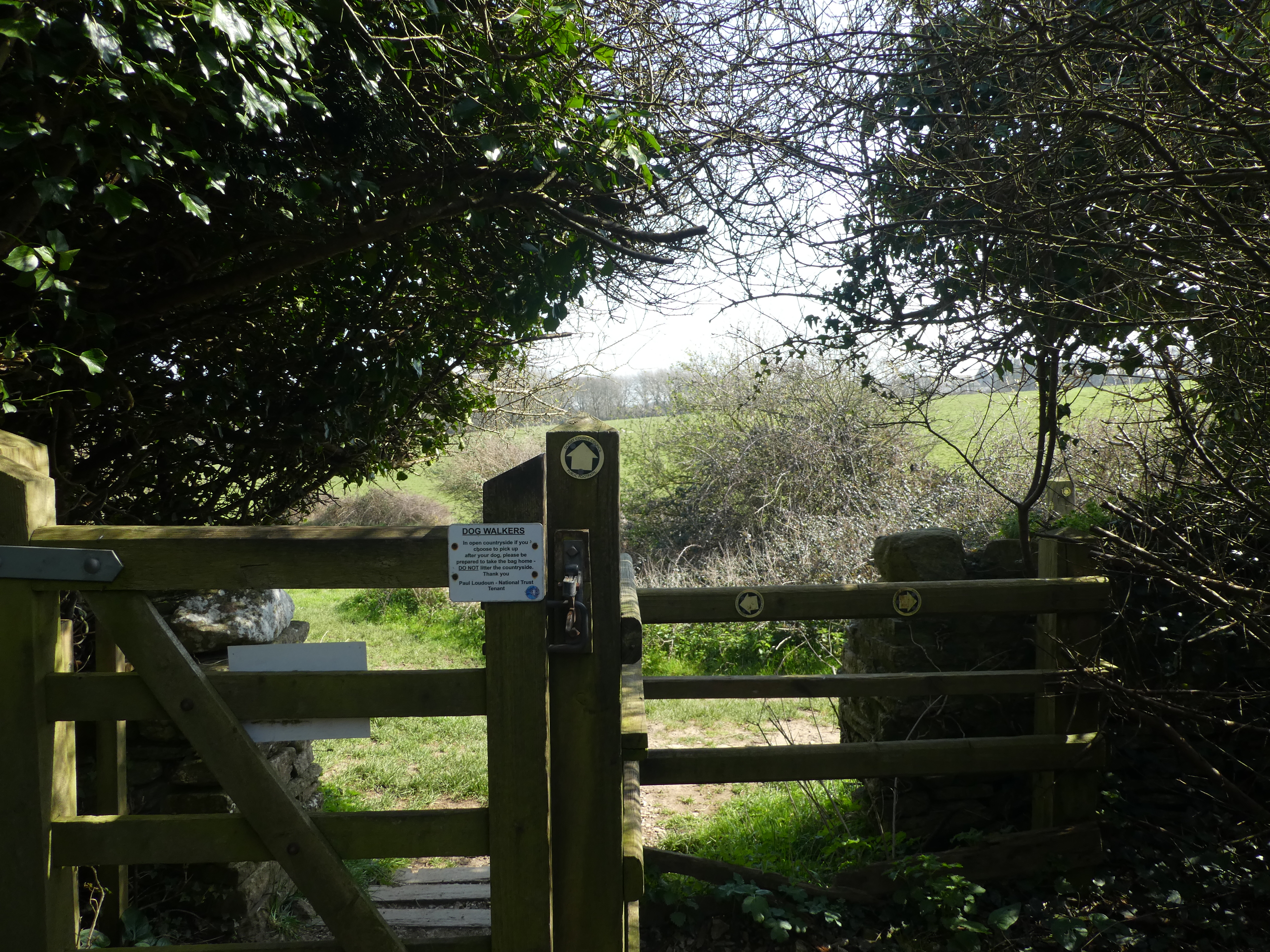
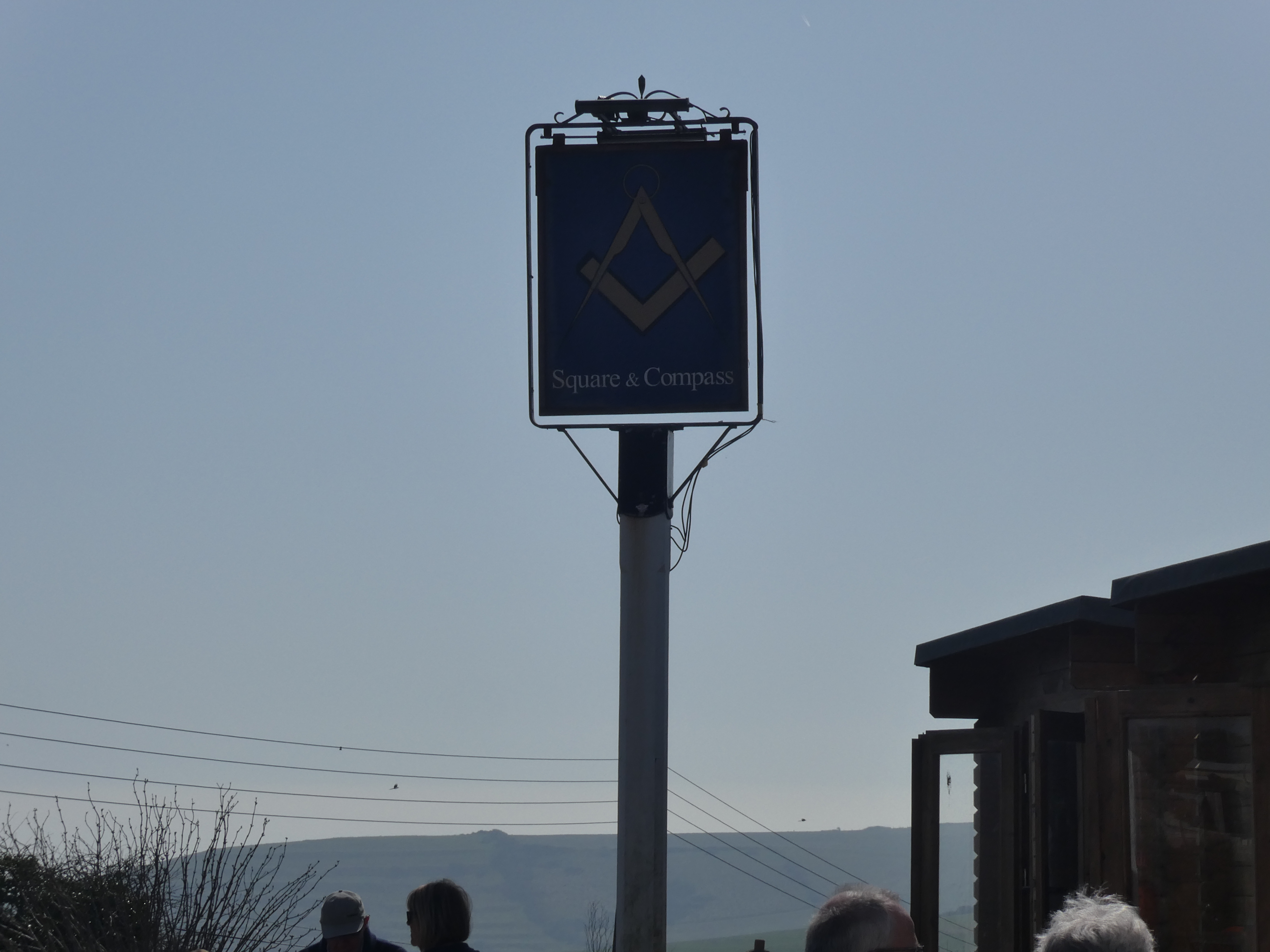
Having spent yet another night propped up and blocked up, I staggered awake and did very little until Husband suggested a walk to the excellent Square and Compass pub at Worth Matravers to get lunch and a drink. I wondered if I’d manage the short walk across the fields and along the Priest’s Way but sitting outside the old hostelery with a pasty felt worth the effort. For a description of this wonderful, old pub click here: https://gracelessageing.com/2021/09/19/short-and-sweet-in-dorset/

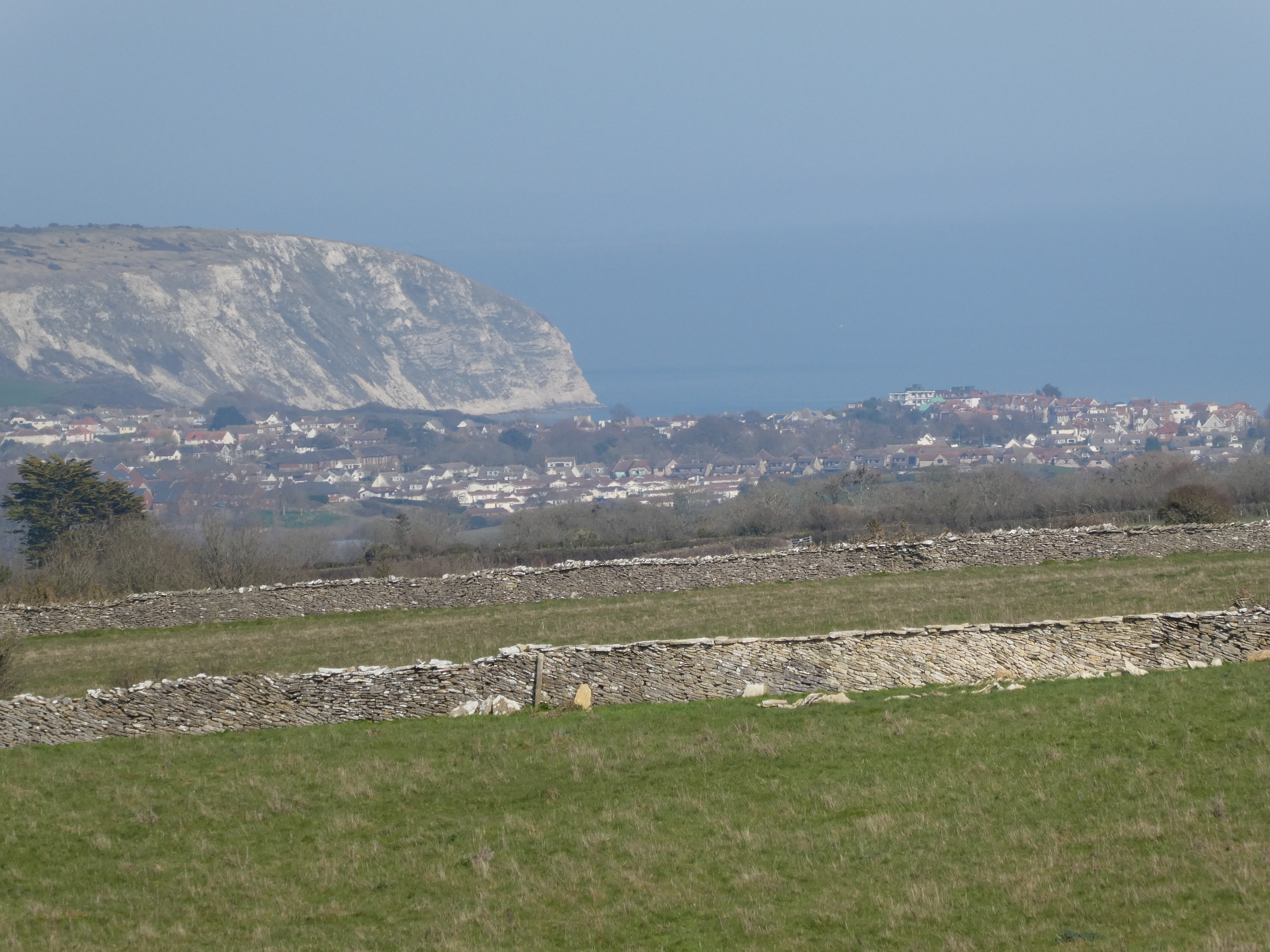
Then another uncomfortable night followed and I decided against joining Husband for a favourite walk over the hills and down to beautiful Dancing Ledge, where the sea would be sparkling on this warm March day, opting instead for a doze on my lounger, catching up on missed sleep and watching the antics of the blackbirds chasing each other in and out of the ivy hedge.

I made it down to the lovely old KIngs Arms for something to eat, then trudged back for the next long night of sleeplessness. We’ll have to hope the next van trip of 2022 is less dogged by mishap. Third time lucky, perhaps?

Cutting it Short

After a couple of days at the Emsworth site [as described in last week’s post], we’ve determined there’s not too much left to see and it’s time to move on, this time to Littlehampton. Somewhere deep in the recesses of my [admittedly defective] memory, I seem to recall that we were despatched there from London as students in the fine art department of my college, in order to produce some work of a seaside nature. Other than this I remember nothing, so presumably the results were under-whelming and unlikely to set the art world on fire.

I’ve booked tickets to see The Weald and Downland Living Museum, an open-air attraction covering a large area and celebrating South Downs life with constructions of homes and businesses from days gone by. It’s also the home of ‘The Repair Shop’- a hit British TV series where expert restorers of every skill revive items that are brought in by members of the public. The objects chosen need to have an emotive back story, such as having been used by a beloved, now deceased parent or grandparent, which precludes Husband or me submitting ourselves for repair or any of the rubbish we have cluttering up our house.

We’ve been given a time-slot for revival and since we’re taking in the museum en route to our next site at Littlehampton we park and have lunch first. In the enclosure, some of the installations are set up as working premises, manned by volunteers who are eager to impart their knowledge and undertake demonstrations. We go first to the potter, who stands behind his wheel clearly gagging for the punters to stop and listen, which we obligingly do. And it’s here I hit my first snag with the museum: about half the items on display are things we had in our household when I was a child. Here in the potter’s shelter lies a ceramic mixing bowl- two of which we have in our kitchen cupboard right now, as I write. The potter imparts some interesting facts, although there’s little new in his exposure of all things pottery. I used to teach a pottery evening class myself, many moons ago and know about pug mills, kiln explosions etc.

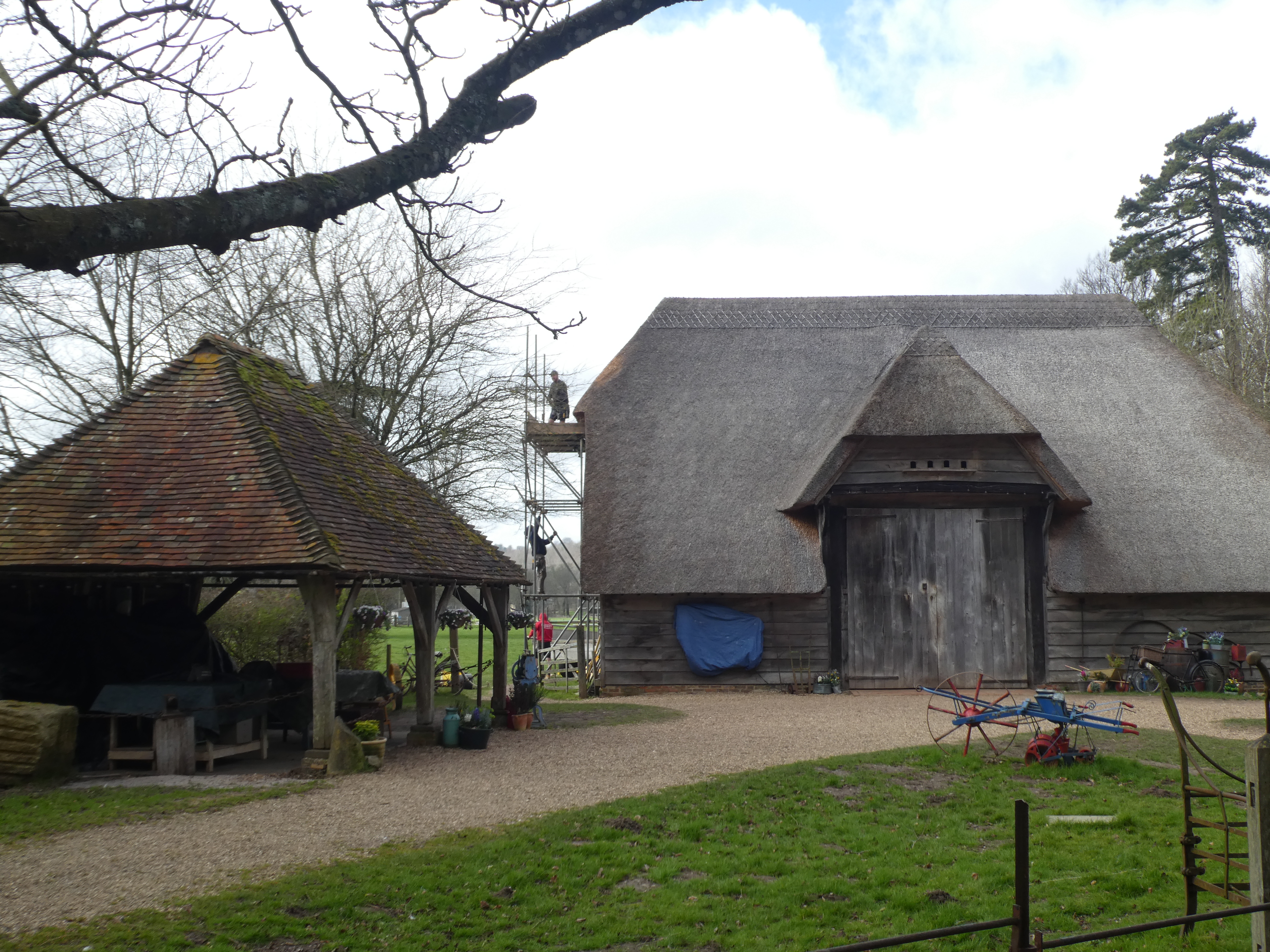
I’m aware that we’re trapped by the ‘expert’ but then we’re rescued by some fresh victims visitors, allowing us to move on to the blacksmith’s shack. The expert here is an ex-volunteer but seems to know how to make a curly piece of iron. From here we can see the venue for The Repair Shop TV programme, although we’re not allowed too close due to it’s being a film set. A scaffold to the side of the thatched building indicates it is being repaired…

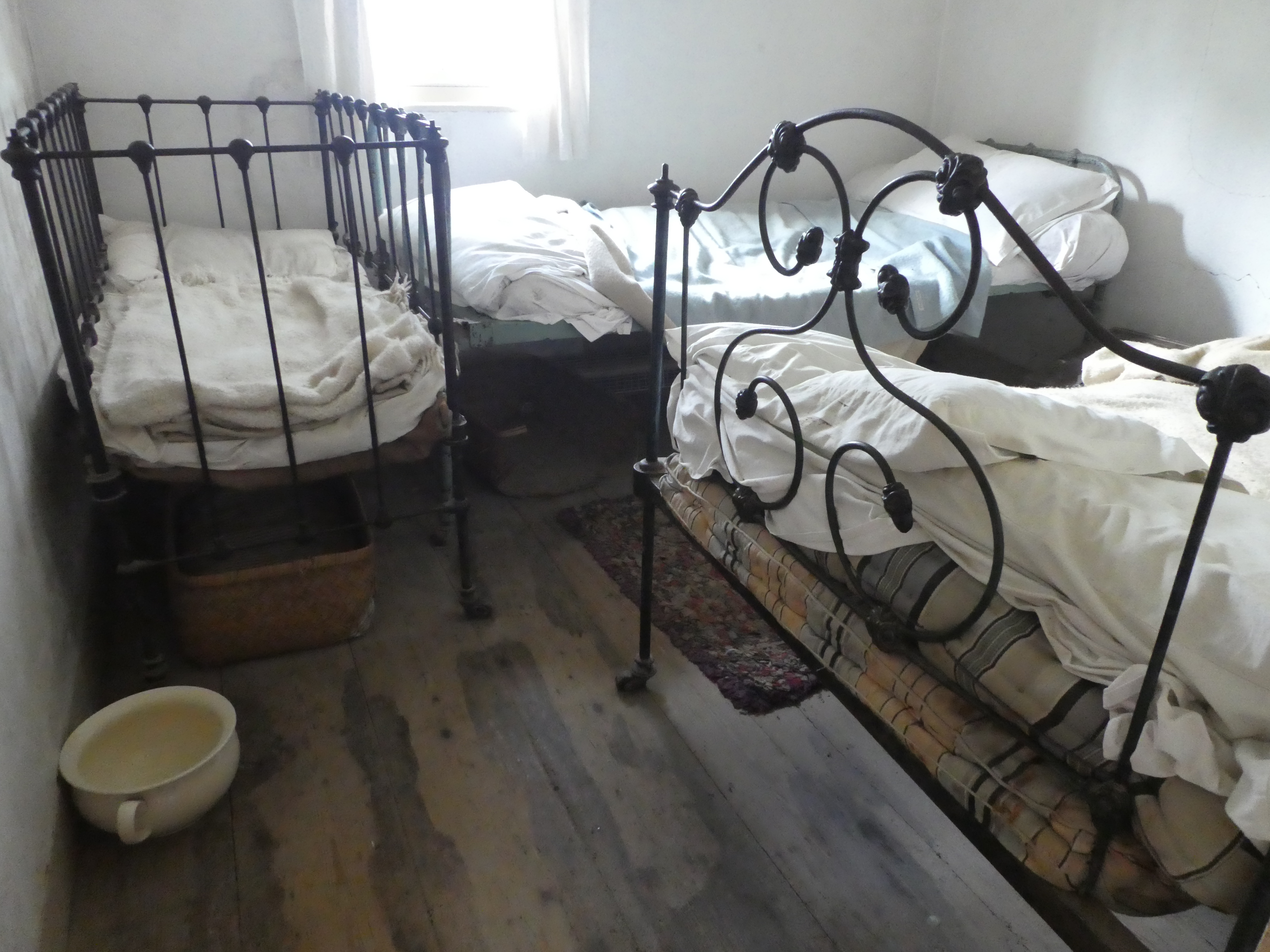
We continue to the mill, nipping away before we’re caught again then leave via the bakery, which is flogging yummy little oat cakes, still warm from the big, wood-fired wall oven. We’re getting the hang of avoiding the ‘guides’ and stick to visiting the unmanned houses. There’s a mixture of eras from medieval to Victorian. As before, many of the homes are furnished with items I remember my mother using: a ‘copper’ and a mangle for laundry, a range, chamber pots in the bedrooms. There are some glaring omissions though. We’d no bathroom before I was five and we were bathed in a tin bath by the fire. Also our toilet resided in a wooden shack towards the back of the garden and was furnished with a wide, wooden plank into which two holes were carved- one large and one smaller. A child could sit and cogitate alongside an adult there- although I don’t remember sharing with either of my parents! Under the seats was a long drop down into a cess pit. There are no outside toilets at the museum as far as I can see…

There’s a small farm area and a charcoal burners camp in the woods, then we’ve done it, neatly dodging the well-meaning volunteers.

We head off to Littlehampton and park up in our pitch. I still have a sore throat. The site is quite different from Emsworth, with more caravans, but it’s quiet and we’ve found a sunny spot. There’s next to no internet signal here for our little mobile pebble hub, but we pass a peaceful evening.

I wake feeling achey and unrested. After a while I decide a Covid lateral flow test is in order and Lo and Behold…there is the second red line. There’s not much deliberation and we’re not far from home so the second night gets scrapped as we pack up and take to the road home. Next morning it’s raining…

A Wander in West Sussex

Having regrouped from our debacle in Iceland, picked ourselves up and dusted down we opt for a modest, local jaunt in our campervan. It’s a while since we packed and prepped for such a trip so I resort to consulting our inventory list in the certain knowledge that we’ll have forgotten something. A few years ago we arrived to one of our favourite Isle of Purbeck sites to discover I’d loaded no bedding of any description, which resulted in a visit to Swanage’s one and only duvet and sheet stockists.

This March has come in like the proverbial lion, with ferocious, biting winds. At least the abortive Iceland trip was good for something, in that we amassed excellent cold weather gear. The van itself is cosy and warm- [warmer than our house!]. Also I’m reminded that the Ukrainian refugees are fleeing their war-torn country in icy, snowy conditions with their babies and all they can carry.

On our way back from Gatwick last month, the train passed through Emsworth, leading us to consider returning to have a look. It’s a modest distance from our home but not an area we’ve explored much so we’ve headed there, to a site at ‘Southbourne’, not the Southbourne, Bournemouth we moved from 5 years ago…

For our first day we wrap up well and walk down to the coast path and along to Emsworth, which is either a large village or a tiny town. It’s attractive, with a pretty harbour and not a lot else, including shopping, so I give up on the soft toothbrush I was hoping to pick up [having- yes- neglected to pack mine]. We get a coffee outside a small harbourfront cafe, sitting in a sunny, sheltered spot then it’s a short bus ride back to Southbourne.

Next day we opt for a visit to Chichester, accessed by a bus ride in the opposite direction. On the bus a single, portly, mature man feels the need to chat, starting with harmless remarks about bus stops and gradually progressing to rants about his pension, his dentist, his rent and why doesn’t everyone vote Conservative, at which point I no longer feel able to nod and murmur and I’m praying for his stop to be soon, please…When he gets up to leave the bus the woman who’d sat behind him is moved to tell me ‘Well that’s lucky…’ I also noticed that Husband, who’d been lucky to have taken the window seat, had found the passing countryside totally absorbing throughout the man’s diatribe.

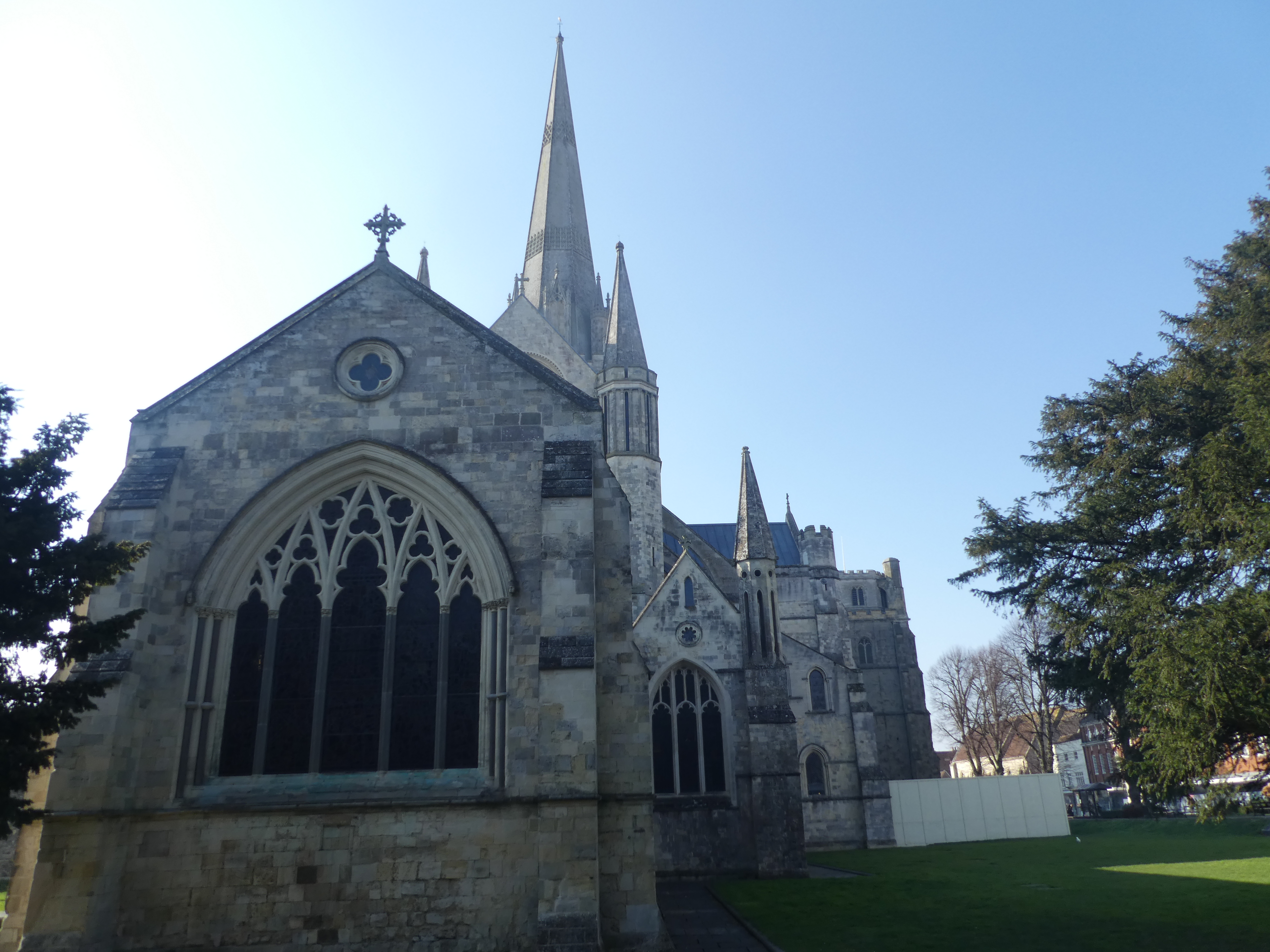
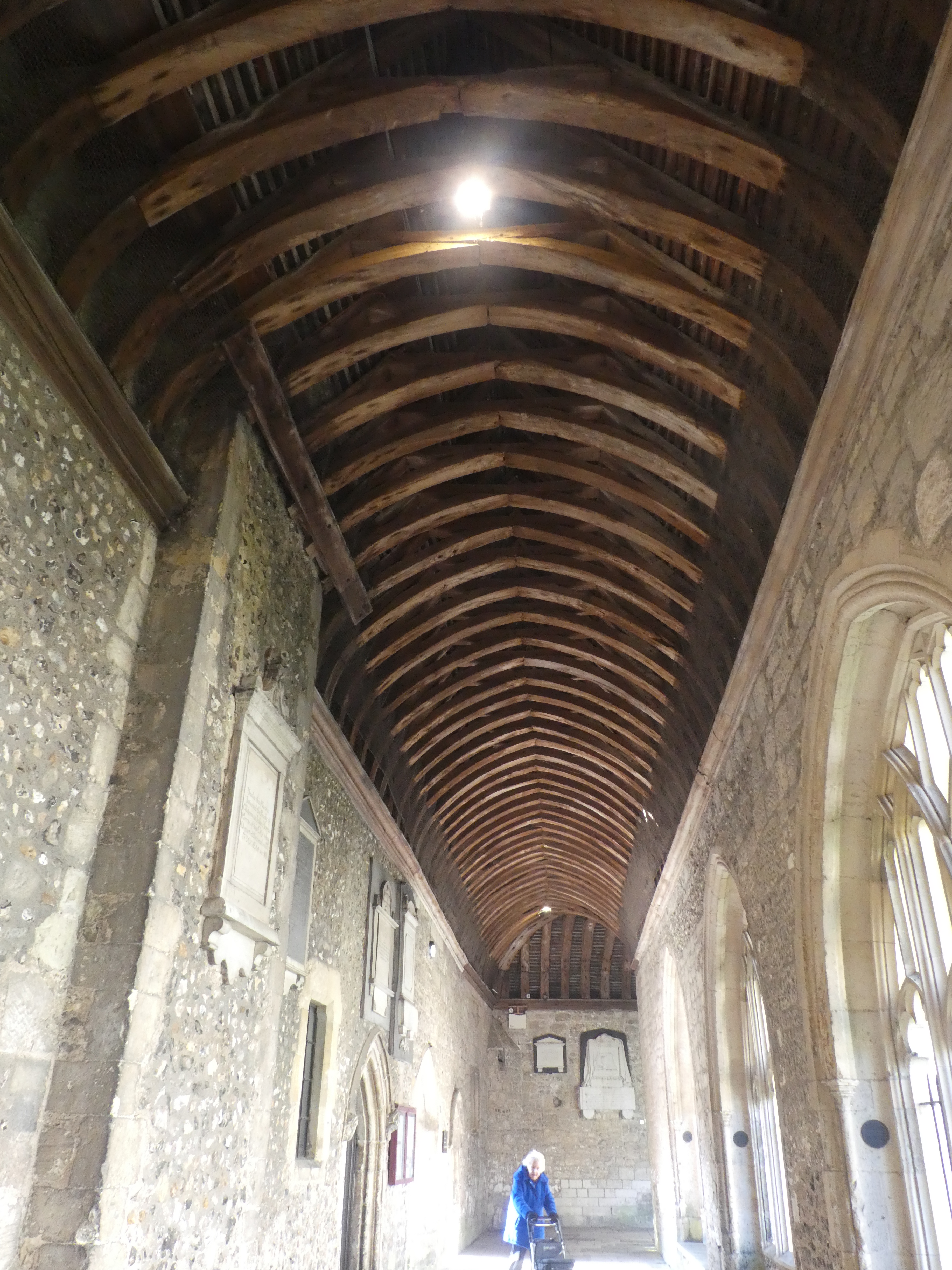
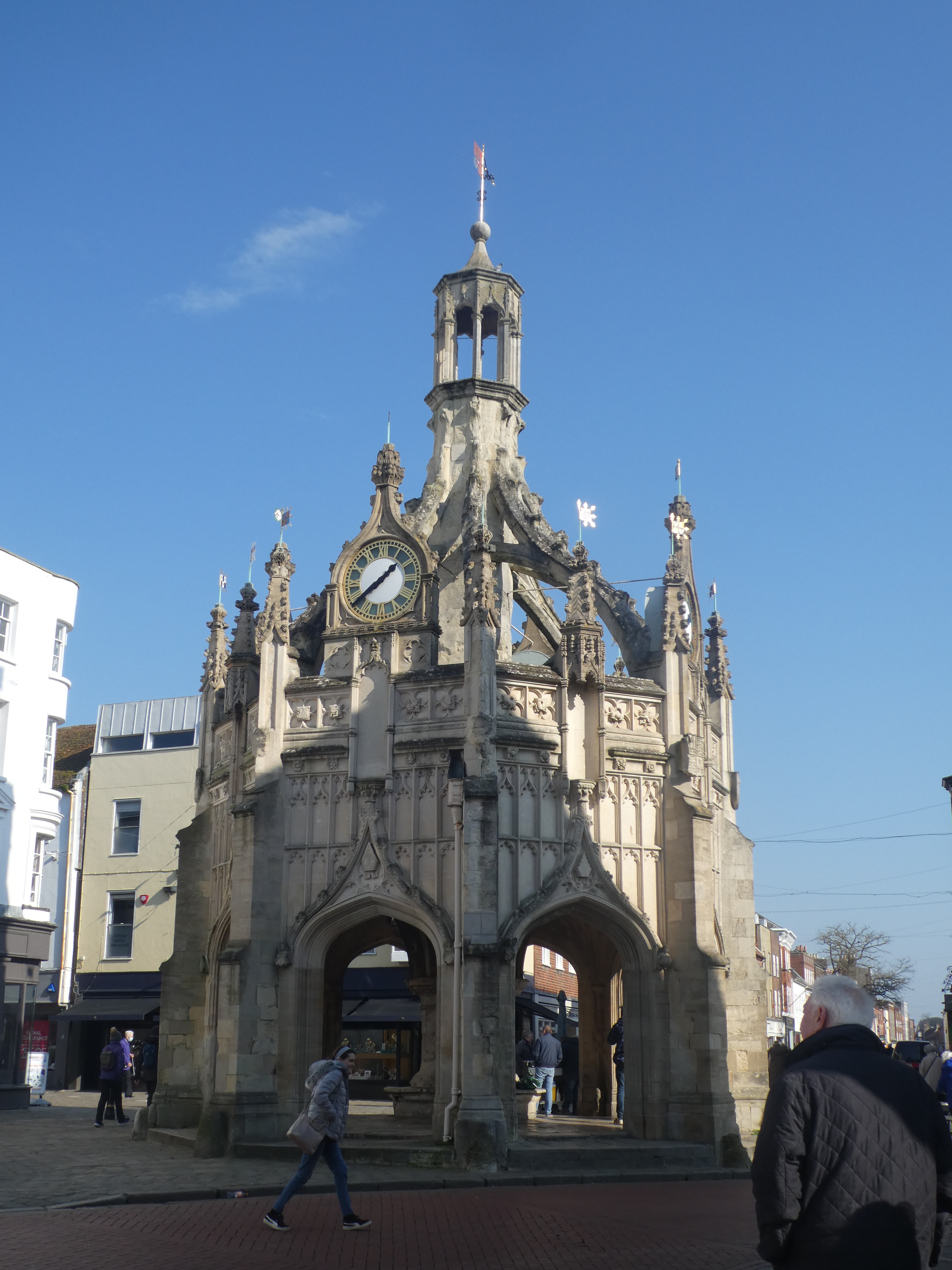
We alight right beside Chichester’s magnificent cathedral but don’t enter as a recital is taking place. Instead we walk through the cloisters with their barrel-vaulted ceilings and the close- all very scenic. Then it’s a stroll of the streets and a quick look in a gallery or two. It’s a beautiful city with many historic pieces of architecture, including a wonderful market cross. There’s just time for a look at the Bishop’s Palace Gardens before we head back and the garden is extensive, although it’s too early in the year for many colourful displays.

The return bus is full to the gunnels, mostly with schoolchildren who act just exactly as you would expect groups of adolescents to-

Then we’re off to the pub, just a step along the road, for a very acceptable meal. We’re gearing up to move on to the next site in the morning…

Our Close County Neighbours

Last week I described some of the features of Dorset’s iconic landscapes and seascapes and it’s easy to see why visitors to our lovely county flock here, not only in the summer but throughout the year.

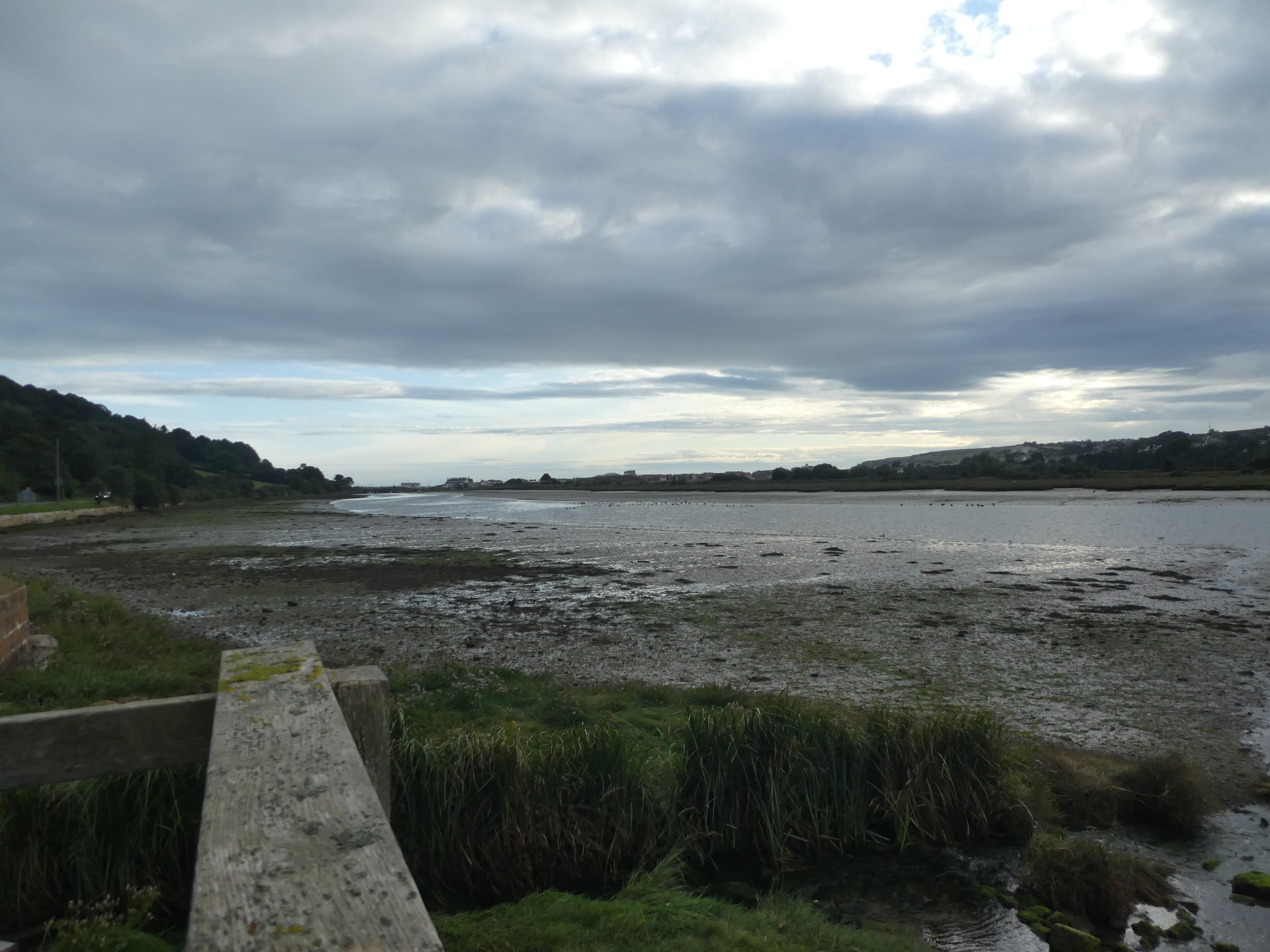
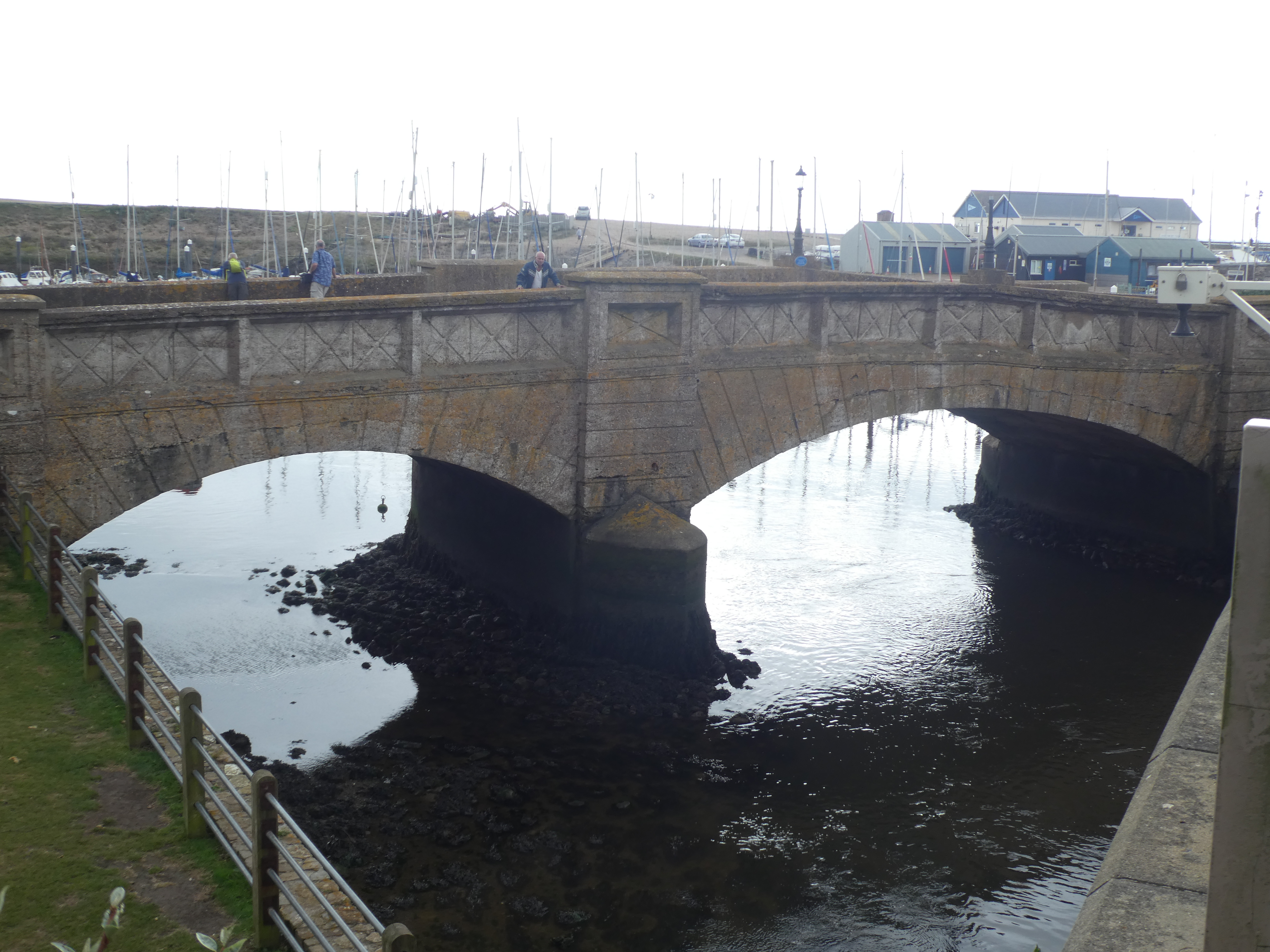
Our neighbouring county to the west, Devon is also a popular tourist destination and we’d booked a few nights just over our county border, in tiny Axmouth, where we’ve stayed before. The site is in the heart of the village, facing the River Axe as it becomes an estuary flowing out to sea at the small town of Seaton. It’s easy to walk into Seaton from the campsite, by walking along the river and across a bridge. A new, road bridge has replaced a much older one, notable for being the first one constructed of concrete!

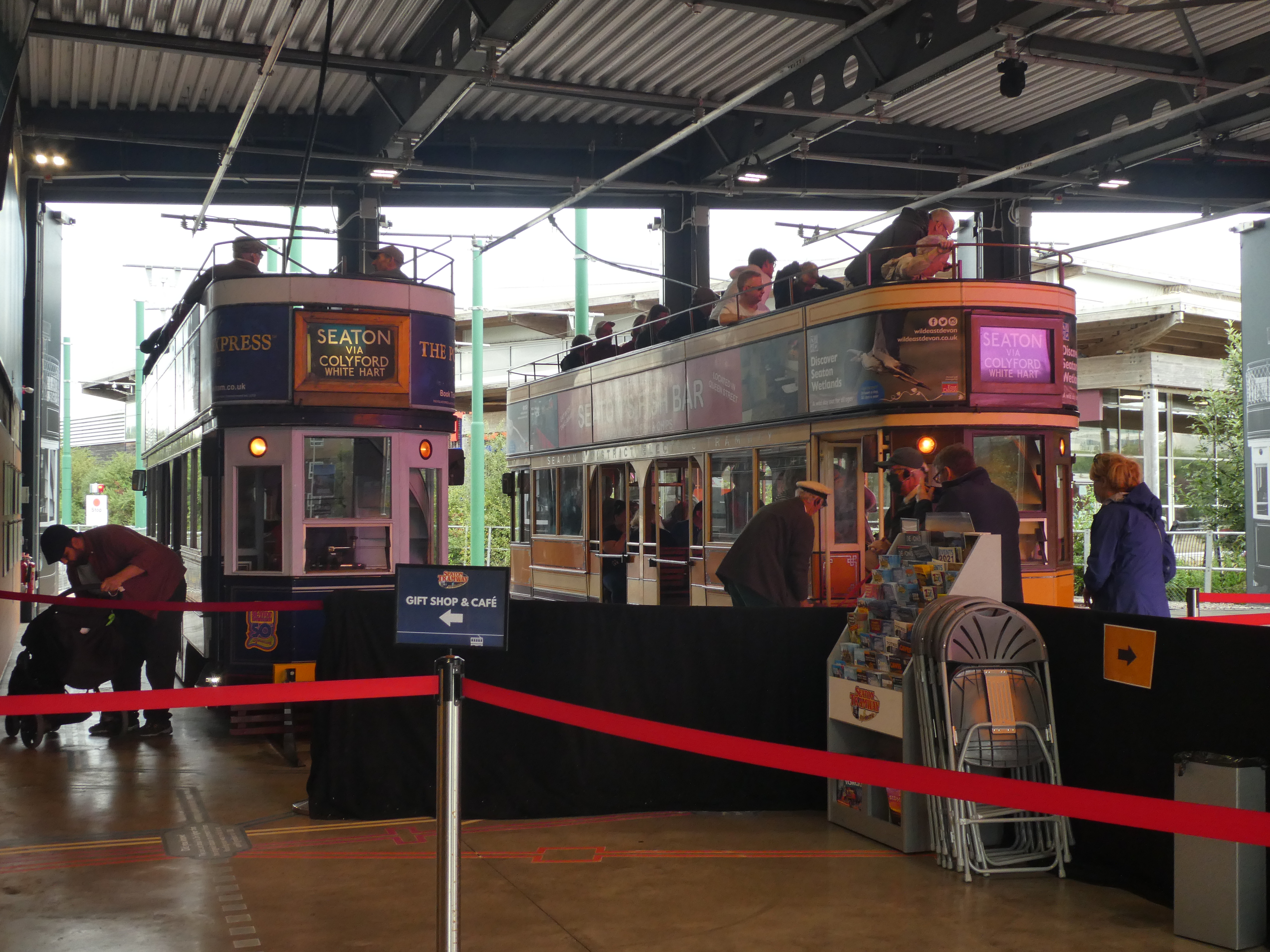
The site is much busier than it was the first time we came. It is in a wonderful position- not only having interesting views but also near to the two village pubs and bus stops. Across the other side of the River Axe we can see the cute, Seaton trams trundling backwards and forwards around the ‘Axmouth Loop’. I’m a sucker for a tram at any time, but these are restored, vintage vehicles, dinky, colourful and fun.

We head into Seaton and to the tram station. It’s a large, imposing building for such a small tram network! But of course it houses the ticket office, gift shop and is a station. A tram is about to leave, luckily an ‘open-top’, which gives a good view of the estuary mud flats and Seaton marshes. So we clamber up the narrow, winding steps and bag seats on top; soon we’re off, rumbling along a track that winds out of Seaton, past the old tram shed and along the river, where the tide is out and there are flocks of waders congregated on the muddy shores.

An occasional tram passes on the other side, sometimes waiting on a siding. There is one station along the way, in a wooded section, then we roll along to Colyton, where the track ends. The station here capitalises with [another] gift shop and a cafe. After a short turn around the gift shop there’s little to do except wait for the return tram to Seaton, which we do, rattling back the way we came.

We’ve booked to have dinner at the pub which adjoins our site, which is a result! Next day we take advantage of the bus service and go off to Lyme Regis, famous for ‘The Cobb’ and featured in John Fauld’s well known novel, The French Lieutenant’s Woman [also a film]. The Cobb is merely a part of the sea wall surrounding the harbour, but from the end there is a fine view of Lyme Bay. It’s a quaint, characterful town and although it’s crammed with visitors on this sunny afternoon I get a pang of nostalgia as it’s here we stayed 25 years or so ago when Husband and I first got together, taking a room and ‘The Red Lion’ in the High Street and striding out for one of our first SW Coast Path walks.

It’s heartening to see that The Red Lion still exists! For some reason our room’s en suite bathroom had a mysterious, bogus door. Stepping out of the bath, I wrapped a towel around myself and, curious to see where the door led, I opened it, just as people were walking along the corridor it accessed. I wonder who was more surprised?

Later, after dinner I remember we gatecrashed a disco being held by a group called The Buffaloes’, distinguished by hefty chains around their necks, but not by their dancing, as we were the only revellers gyrating on the dance floor. Some of them must have been passing our bathroom when, towel-clad, I opened the door. If they recognised me with my clothes on they gave no sign…

But we aren’t staying in the hotel this time, so it’s back to the bus stop and home to our lovely van-

Grace is also known as the novelist, Jane Deans. Her new novel, The Conways at Earthsend is now out and available from Amazon, Waterstones, Goodreads, W H Smith, Pegasus Publishing and many more sites. Visit my website: janedeans.com or my author page on Facebook: (1) Jane Deans, Novellist, Short Fiction and Blog | Facebook
Exploring Unst

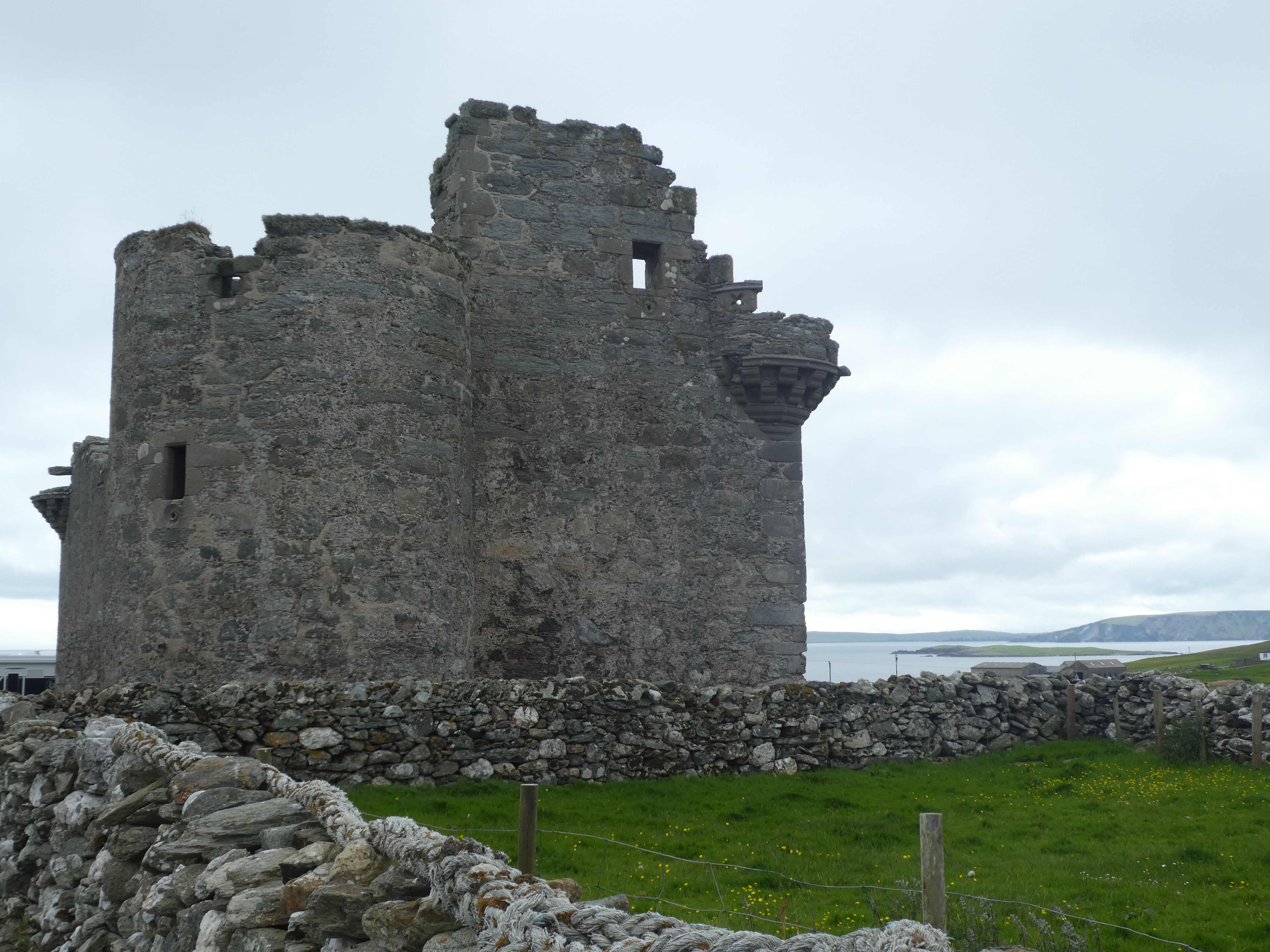
We set out from our base at Gardiesfauld, to explore the tiny island of Unst, which lies at the northern end of the Shetland Islands. Typical of the islands, Unst has no motorways, no dual carriageways or major roads. Most routes are single track, with passing places [if you’re lucky!]. Having said this, traffic is sparse. Just short drive away from our site is Muness Castle, small but relatively intact, sitting in an imposing position above the sea. We can walk around the structure and it’s quiet, with only one other couple stopping to look.

Like the other islands, Unst is littered with abandoned, ruined, stone cottages and in a nearby cove these buildings are everywhere, although the sole inhabitants of the bay now are Shetland ponies, skittish when we approach. Contemporary homes on Shetland are less glamorous; low, pebble-dashed houses, presumably easier to insulate against unforgiving winter weather.

There is also, scattered around the landscape much evidence of early settlements, with many remains of Viking long houses and burial mounds.

On a trip up to the north of Unst- the north of the north- at Baltisound, we happen upon Bobby’s Bus Shelter, a place of pilgrimage for tourists. Situated on a corner, it is embellished with all manner of creature comforts- a chair with a cushion, a TV [not real] bookshelves complete with books. There is even a ‘bus shelter visitors book’. Outside, a house-shaped box contains eggs and home-baked items for sale. A customer to the box informs me the bus shelter is customised each year. Inside the box there is a plethora of delicious baked items, from cheese scones to lemon drizzle cake. I choose a pack of cinnamon muffins for us, although finding the correst cash for payment is tricky. Tucked inside with the bakes is a cash box, open, with the notes and coins that customers have left. I’m humbled by the honesty of the customers and the trust of the baker. The muffins are delicious!

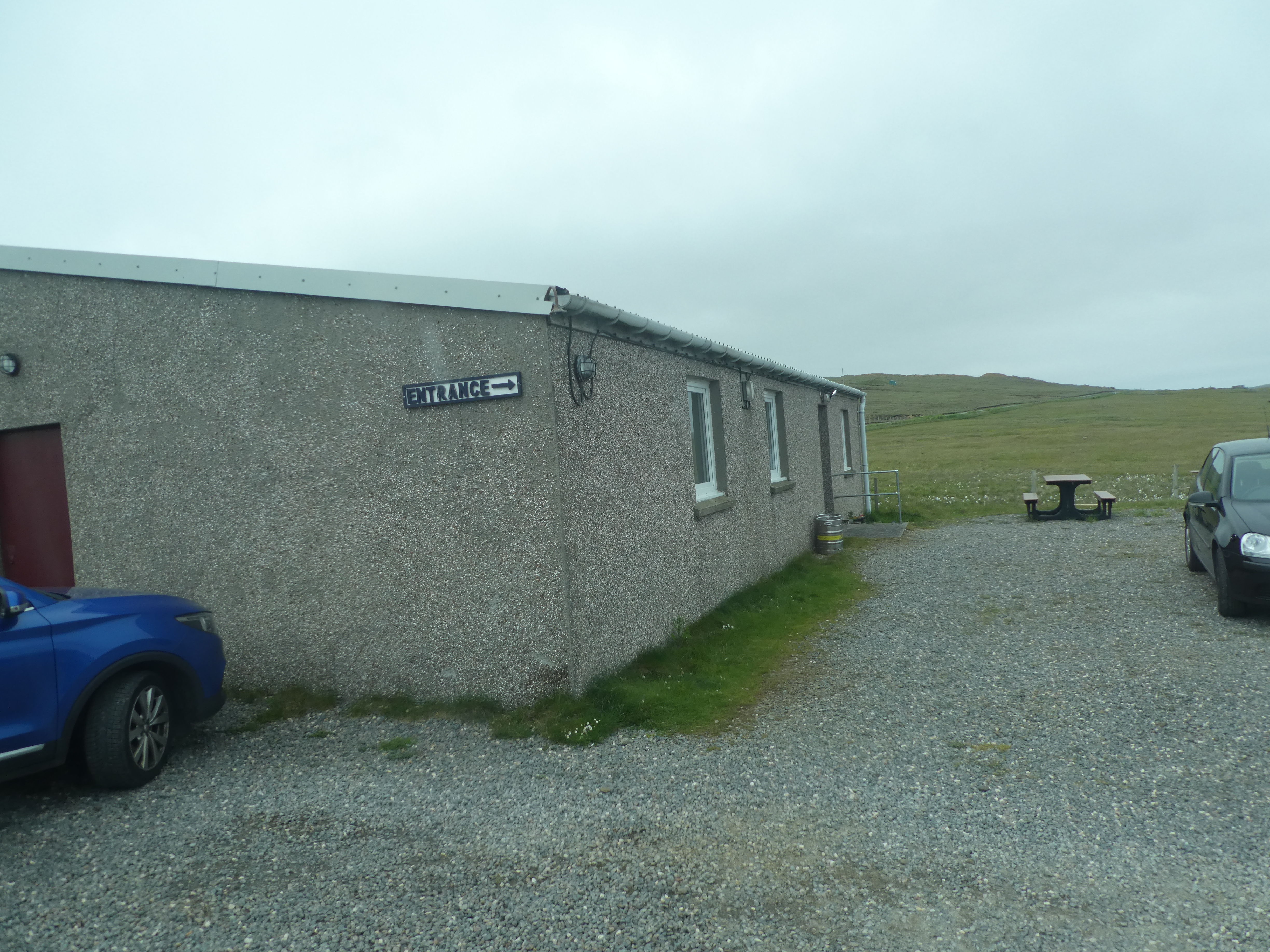
Baltisound also seems to be home to Unst’s one and only bar, although it’s an unprepossessing building. Beyond Baltisound we happen upon a replica Viking ship and a replica long house, immaculate and beautiful…and deserted! We have it all to ourselves.

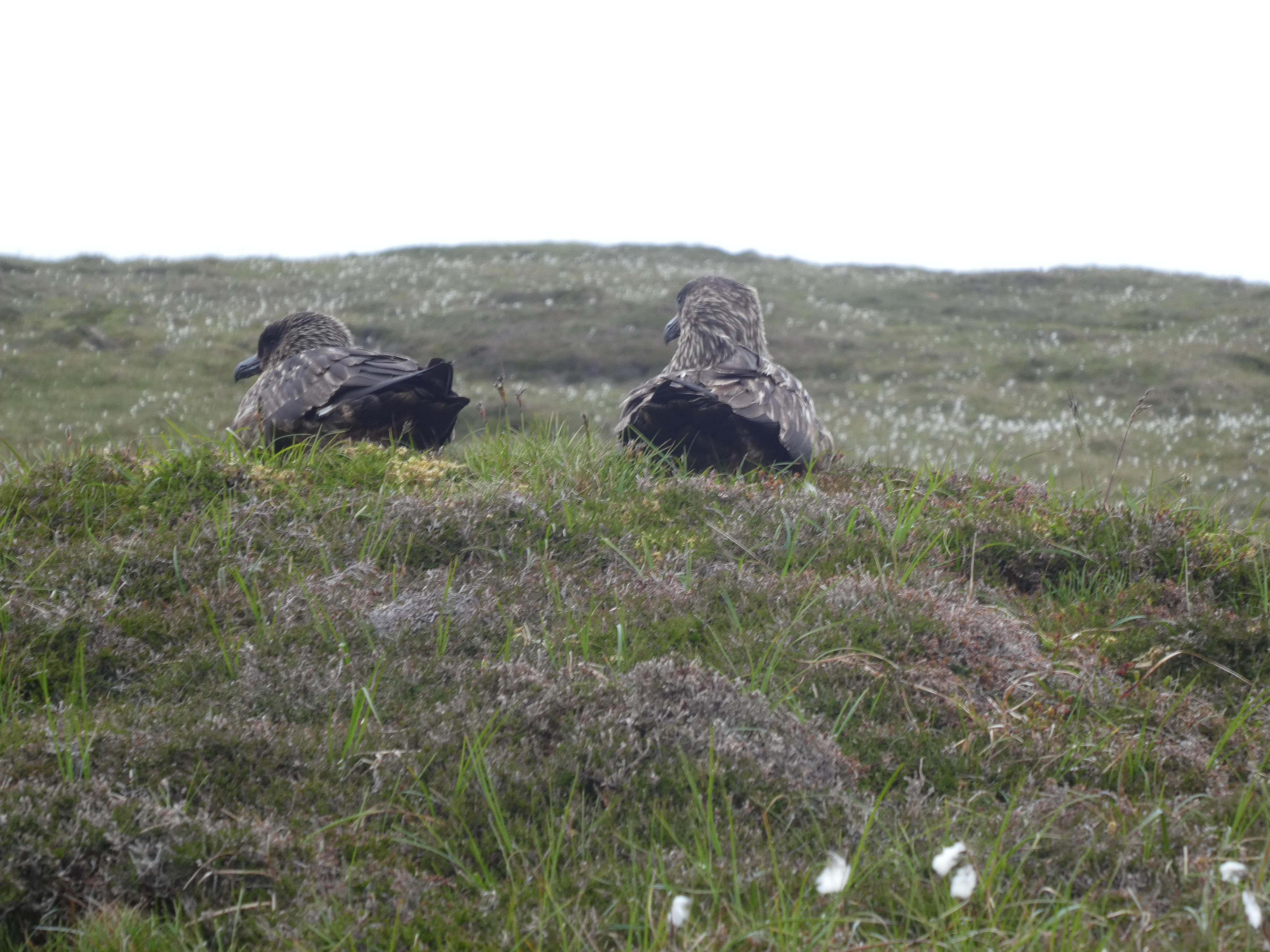
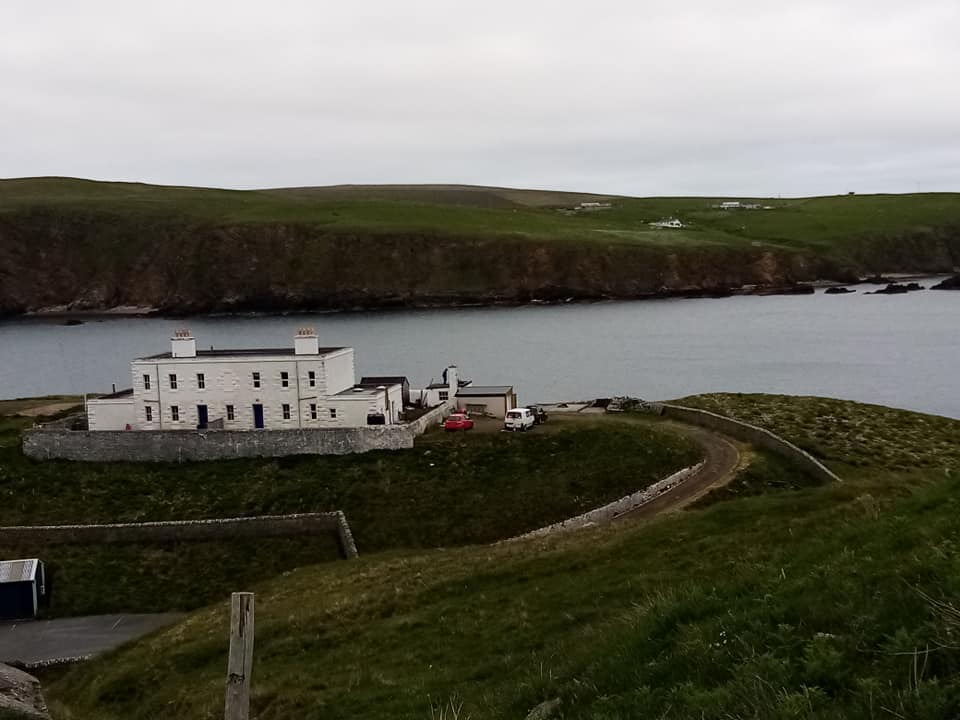
Then we are up at the very tip of Unst and it feels remote, although there are a few homes. From the beach, we wind up a narrow track and around a bend to a car park at Hermaness Nature Reserve, above a rocky semi-island with a couple of houses that must be holiday homes. There are skuas nesting here and I spot what I think is a Lapland bunting.

Here on the islands I feel I’ve been transported back to a previous era, to a time when communities were small, people knew each other. The shops are community shops, packed from floor to ceiling with essentials. The pace of life is slow, the outdoors a precious resource for work and leisure. Each village has a community hall, essential for socialising. No other part of the UK I’ve visited is like this now, like the UK of my childhood, the 50s.

Our time on lovely Unst is up, but we’ve much more to see yet as we return to Shetland itself…

Grace is also known as the novelist, Jane Deans. Her new novel, The Conways at Earthsend is now out and available from Amazon, Waterstones, Goodreads, W H Smith, Pegasus Publishing and many more sites. Visit my author page on Facebook: (1) Jane Deans, Novellist, Short Fiction and Blog | Facebook

Orkney

Our ferry from Thurso to Orkney passes the island of Hoy, where the stunning stack of rock known as The Old Man of Hoy stands out from the cliff, looking surprisingly lifelike. Then we’re rounding the edge of the island and into the harbour at Stromness. The small harbour town fringes the circle of the bay and rises up the hillside behind, grey stone houses in a tangle of streets and steps.

Our site for the first night sits out on the entrance to the harbour. It’s a small site but in a great position. As each day winds down here, in midsummer the nights never get truly dark and it’s magical to see the daylit sky at 11pm or wake at 3am to light and birdsong. The weather is warm and bright and the sunsets beautiful.

Stromness’ narrow streets are paved with original slabs and while they aren’t pedestrianised, vehicles are few and far between. There is a collection of independent shops; no chain stores, no ‘Specsavers’ or ‘H&M’, rather some fusion second hand/handicraft stores and a few charity shops plus ‘The Rope Shop’.

We move on to Kirkwall, Orkney’s metropolis and administrative centre, where our site is in a convenient, central location.

Next day we are off to explore our area and to stumble upon plenty of interesting sights and places to visit. We lunch overlooking an island with a footpath causeway, flooded at high tide, a popular spot. There is a ruined palace, [The Earl’s Palace] at the tiny village, Birsay. We drive around the coast for more spectacular views in unbroken sunshine- not something we’d been expecting here. At home there is torrential rain and unseasonal low temperatures and it’s hard not to feel smug.

We make our way to the Ring of Brodgar, an ancient neolithic/ bronze age site. It’s a huge ring of standing stones, impressive as it stands on the hillside in splendid isolation. We’re lucky to be wandering around unimpeded by fellow sightseers, although there are a couple of ranger volunteers, desperate to impart their gems of knowledge.

Next day we set off for an exploration of the southern islands, Burray and South Ronaldsay, connected by road causeways. First to Mull Head, a nature reserve where a short path leads to The Gloup. A seacave collapsed and created a deep, rocky tunnel through which the sea can be glimpsed, a stunning sight. The sheer rock walls look man-made, pockets of thrift clinging and a meadow pippet strutting about, unconcerned by onlookers. On the cliff edge, fulmars are nesting and I watch while a male bird comes in to land and greet his partner with a series of cackles.

We drive down across a road causeway to look at the Italian Chapel, a tiny, exquisite church constructed from a Nissen Hut during the second world war by Italian Prisoners. It is beautifully maintained. As we inspect the painted ceiling and lanterns made from bully beef tins I try to imagine how it must have been for the Italians incarcerated here on Orkney. How different the winter must have seemed, the landscape and the culture!

Grace is also known as the novelist, Jane Deans. Her new novel, The Conways at Earthsend is now out and available from Amazon, Waterstones, Goodreads, W H Smith, Pegasus Publishing and many more sites. Visit my author page on Facebook: (1) Jane Deans, Novellist, Short Fiction and Blog | Facebook

A Fine Week for Devon

We reserved a table outside at The Ship Inn at Cockswood for 6.00pm, hoping that the sun would last long enough for us to be comfortable. In the event, although we’d selected a table that would catch the last rays, the wrought iron chairs, surrounding trees and an invading cloud thwarted any hopes of warmth. It was a good meal, but I envied those who’d had the forethought to bring cosy blankets to wrap up in. A chilly edge to the wind persisted.

Half way through our week exploring the Ex estuary we moved to the other side of the river, to a site called Prattshayes, joining a handful of vans and caravans in a field next to a small stream, presumably once a farm but now a holiday complex consisting of camp site and rental cottages. Less than half a mile up the lane lies the village of Littleham, a large community with two pubs. We wandered up in evening sunshine and had a beer in the garden of The Clinton Arms, although the menu wasn’t tempting.

Cycle fanatic van neighbours, older but clearly more sprightly, recommended a route along an old railway track to Budleigh Salterton, which we decided to tackle next day.

The first climb came up through Littleham village, then after some confusion about where the cycle path began we rode up…and up…

The path curved up through woods, occasional gaps giving glimpses of wonderful views over the Devon countryside and farmland. While it was never steep the gradient was relentless. I vowed not to get off and push as I had on the way to Dawlish and was relieved to make it to the top without walking and even with one or two gears left! Then it was the blessed downhill slope and a hopeless muddle of attempts to find the cycle path in the back streets of Budleigh.

At last we plunged down into the tiny town and to the pebbly beach, where a kiosk was doing brisk business in ice creams and coffees. Feeling that an ice cream might be deserved by now we indulged, then walked the bikes along the prom until we were back in town.

We followed up for our final day with a walk up and along the coast path via ‘Sandy Bay’ holiday park, memorable in that in must surely be the most vast array of chalets the world has to offer, [unless you, reader, know better?]. Once we’d crossed it, though, the coastal views were wonderful and we could loop back along the lanes and a footpath to our site without retracing our steps.

That was it for south Devon- until the next time- and somewhere I’ve never been…

Grace is also known as the novelist, Jane Deans. Her new novel, The Conways at Earthsend is now out and available from Amazon, Waterstones, Goodreads, W H Smith, Pegasus Publishing and many more sites. Visit my author page on Facebook: (1) Jane Deans, Novellist, Short Fiction and Blog | Facebook