Back in the Swing of Things. France April 2022

We’ve chosen Conleau for our first site on this celebratory return to France, It’s just outside Vannes- near enough to walk in- and next to an estuary, a saltmarsh nature reserve. Across the road a popular beauty spot skirts the marina, overlooked by a couple of bars. It’s all bathed in sunshine for our first evening and we take a short walk then get a beer outside in the sun. An elderly man at the next table is eager to chat, which provides me with more French practice, and he with English…

The site is half full, mostly tourers, mostly French. There’s only one other British pair plus one or two other nationalities, which suggests that post-covid wandering is slow to get going. But I’m delighted that ‘turning up and booking in’ seems to be back on, as I’d worried we might never be able to be spontaneous ever again!

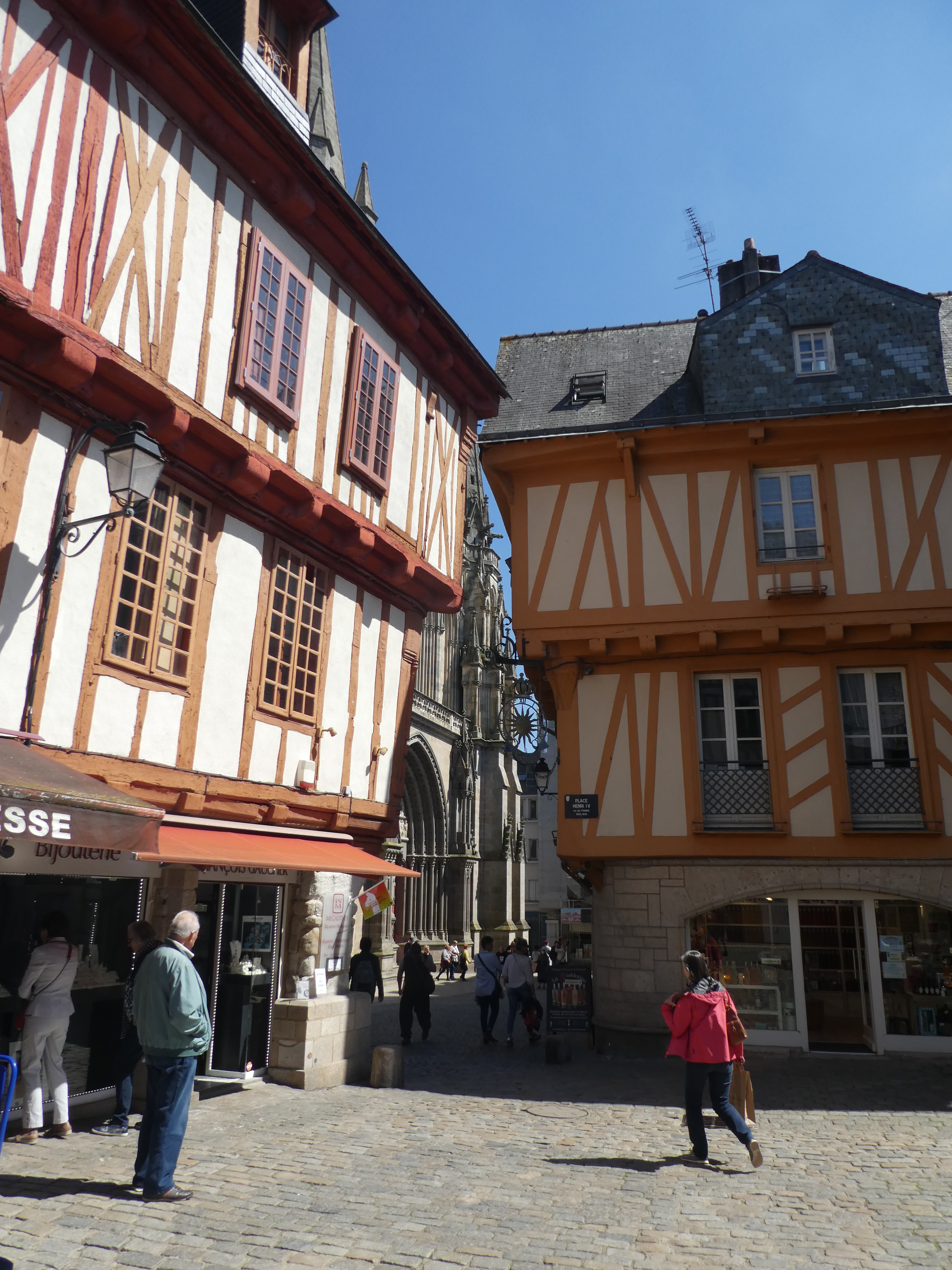
Next day we start out to walk around some of the estuary and discover that Vannes is not all that far, so continue on to the old city, walking along the river. In spite of all the modern architecture we’ve driven through to get to the site, the centre of the town is ancient and characterful with half-timbered buildings and cobbled streets. It’s full of tourists- again mainly French, and there’s a fair bit to see.
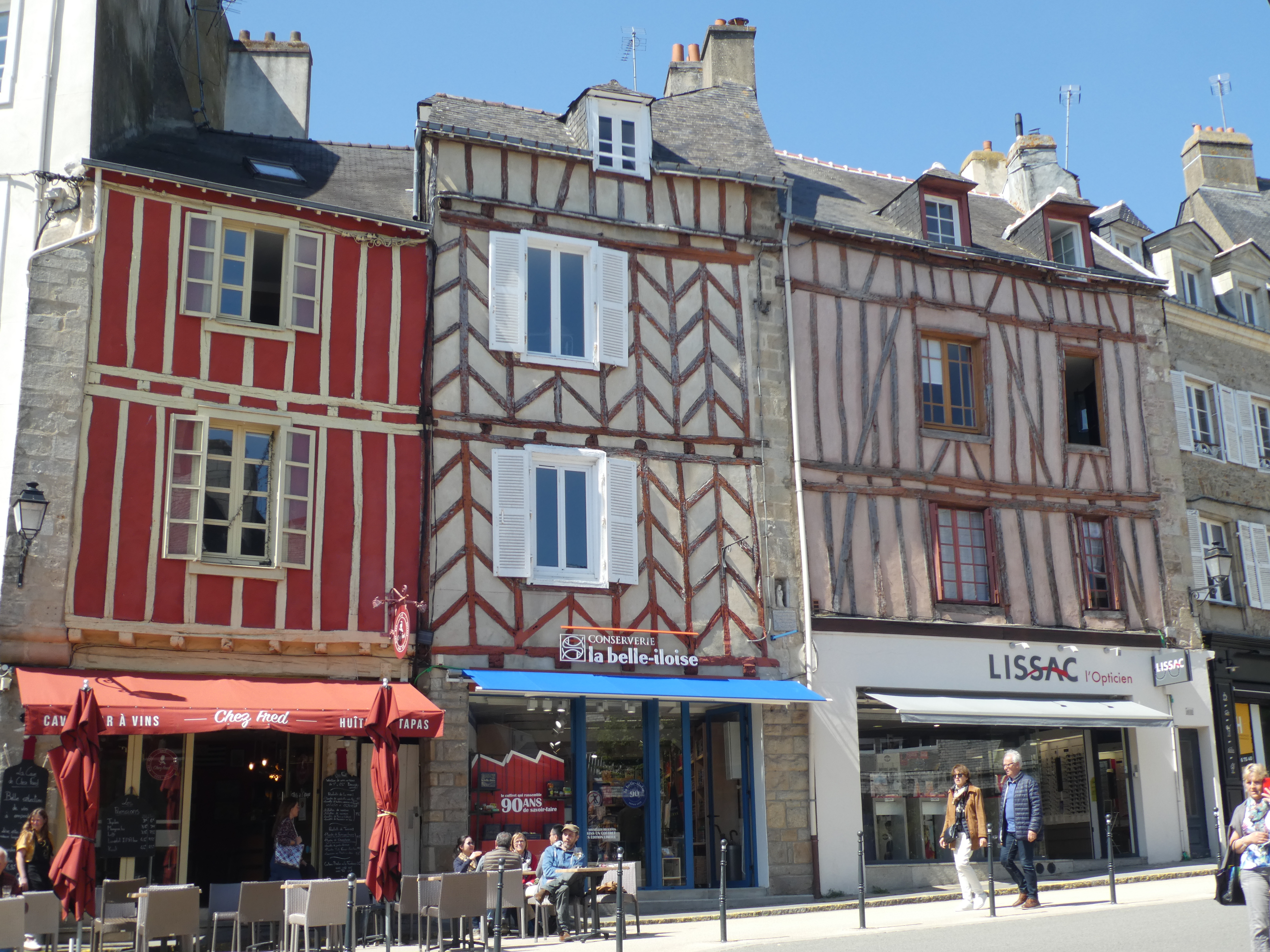
We’re a little weary and footsore and get a bus back almost to our site- except that the driver pulls up and turfs us off a couple of hundred yards before we get there.
We’re aiming to try and build back up to walking after our doses of Plague, so the following day we walk the other way, along the nature reserve, following one river.

It’s time to move on and we’ve opted for Quiberon, where we’ve stayed before on a few occasions. The site we opt for looks good and it’s near the sea, but although it is part of the same chain as Conleau its services are feeble. The showers, in spite of the new, modern building are feeble, the internet non-existent. The good news is we can walk into Quiberon town, which we do, along the seafront. All is just as we remember, including the ice-cream shop!
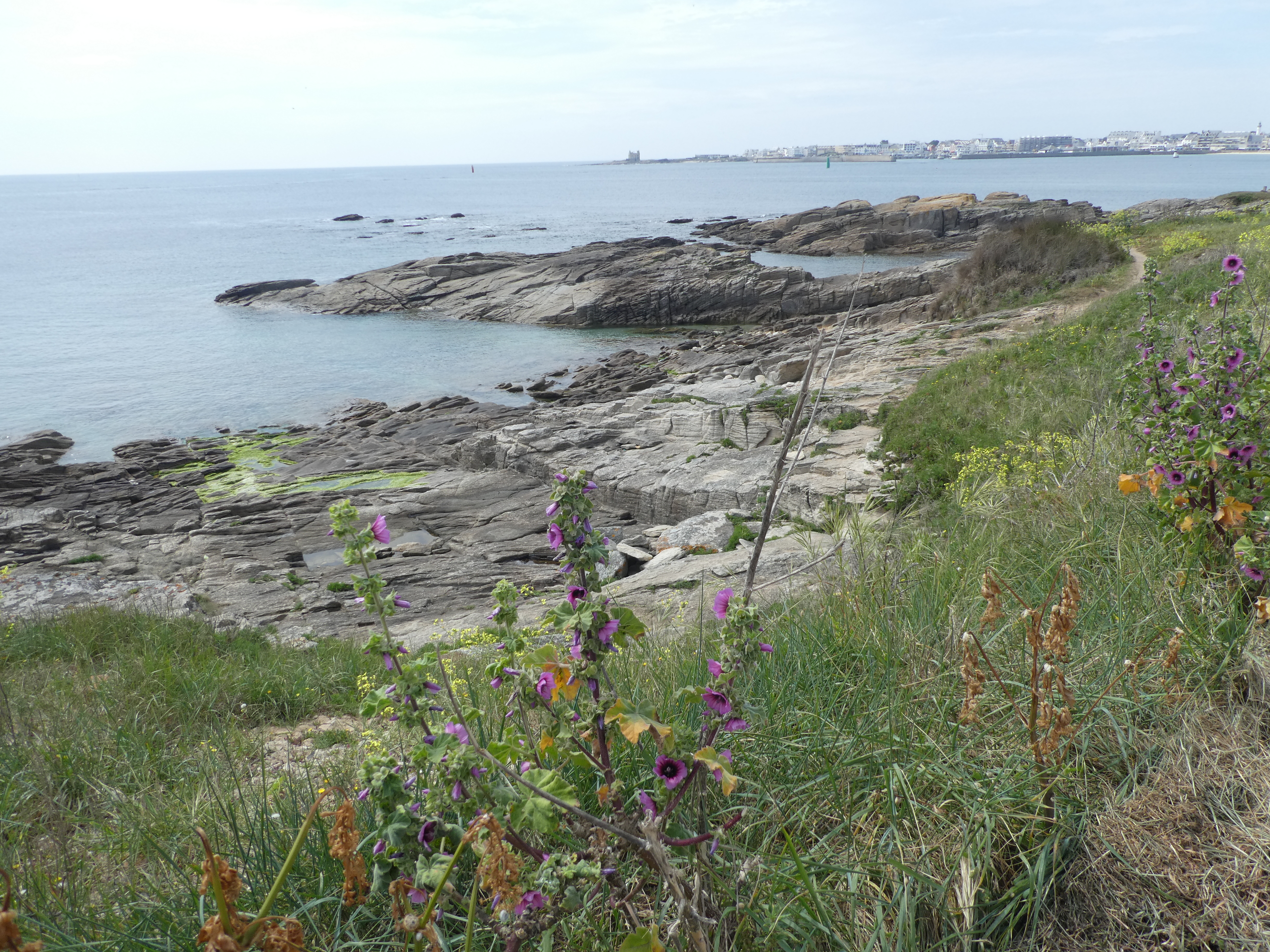
The coast around the Quiberon peninsula is scenic and rocky and the weather is fine, so it’s more walking, then on our second full day we plan to set off later, inspect the town and get a meal. We spend a lazy afternoon then head off, browsing the shops and getting a coffee. It takes a while to select a restaurant and it’s Saturday so many of them are ‘complet’. In the end I persuade Husband into the ‘Bistro du Port’ which he’d been convinced was a burger joint, but in spite of its unassuming exterior the restoranteur is enthusiastic and charming, welcoming us into his establishment, recommending dishes and engaging with us. The food is mostly seafood, fresh and delicious as you might expect in a port restaurant.

We walk back full and contented, and we’re ready to move again next day, which is Sunday. We’ll need to be up and away to catch a supermarket before thay close at midday…

Grace is also known as the novelist, Jane Deans. Her new novel, The Conways at Earthsend is now out and available from Amazon, Waterstones, Goodreads, W H Smith, Pegasus Publishing and many more sites. Visit my website: janedeans.com or my author page on Facebook: (1) Jane Deans, Novellist, Short Fiction and Blog | Facebook.
French Renaissance April 2022

It’s a momentous day. After two and a half years we’ve renewed our acquaintance with Brittany Ferries’ trusty vessel, Barfleur and have managed to cross the English Channel and get to France. Oh- and it also happens to be Polling Day for the French, who are choosing between Emmanuel Macron and Marine le Pen.

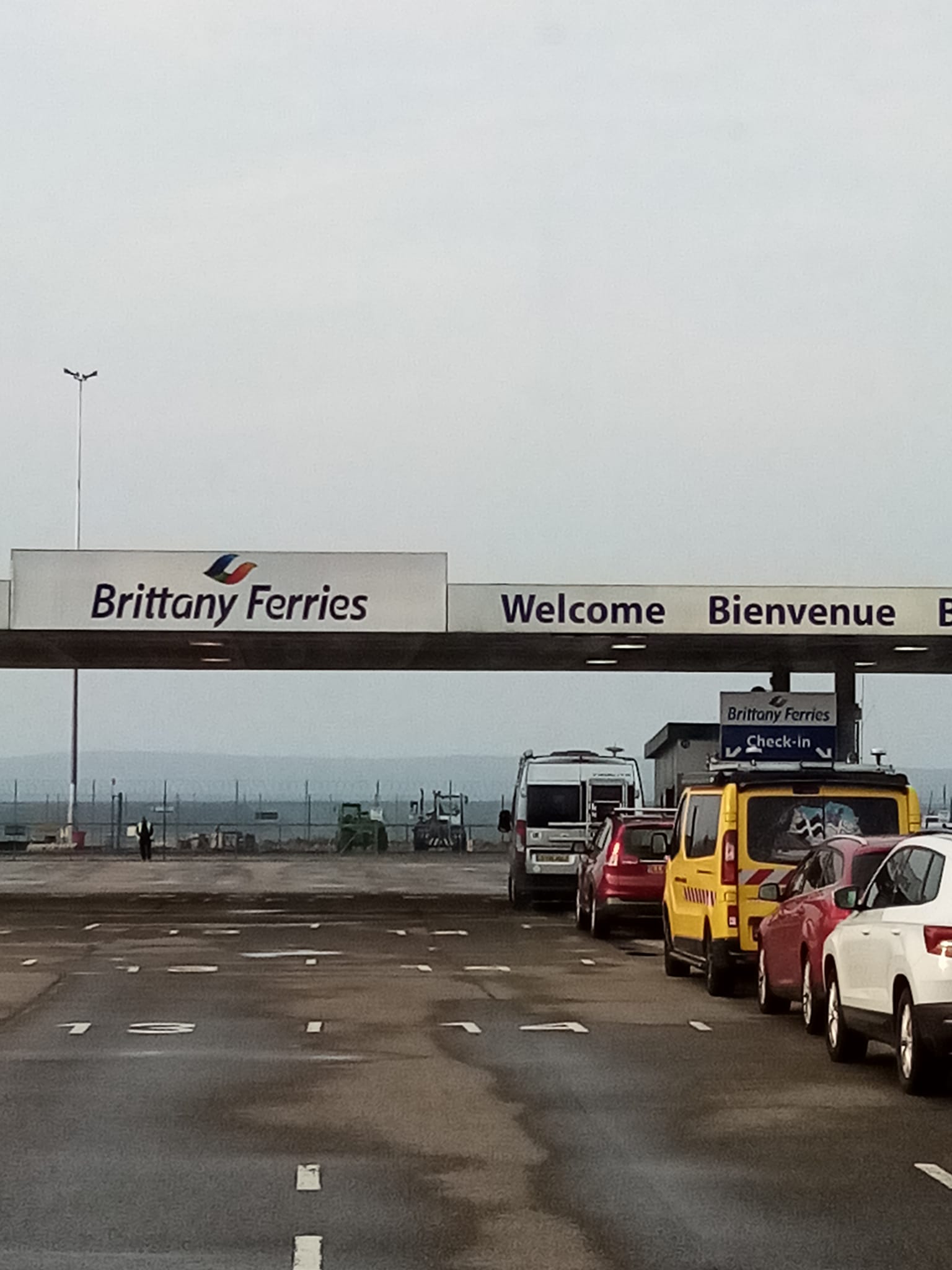
                It’s an early start to be ready, packed up and into the sparse queue for check-in at Poole, but we are luckier than most as it’s a short drive for us. And it’s quiet on a Sunday. We been a little anxious about attempting another trip abroad after the Iceland debacle, but once we’ve trundled to the booth we only need our passports and vaccine passes, then we’re through and in spite of a security check of the van, [due perhaps to being the ‘1 in 10’ or whatever], it’s all straightforward.

                The ferry is quiet, occupied by ancient travellers such as ourselves and one or two young couples with toddlers making the most of back-to-school time. There are no excitable parties of schoolchildren galloping round and round the decks and no gangs of teenagers crowding the shop and thrashing hell out of the gaming machines.

                We get a quick coffee and a pastry then descend to the deck below where a salon offers warmth, quiet and comfortable recliners. Soothed by the engines, gentle swell of the sea and sunshine I’m soon drowsy and most of the crossing passes in a pleasant, sleepy stupor.

We are soon making our way down a familiar route towards Bretagne and our first planned night’s stop, an aire at Tremblay. It’s not hard to find, sandwiched between the cemetery and some old people’s homes and it;s dead quiet[!], except for a yard full of dogs yapping. We’re on our own in the 8 place aire, which has a service point and little else. A short stroll around the village reveals little on this sleepy Sunday, the two bars and everything else closed apart from the Mairie, which is a polling station. I’ve been hoping to fill my water bottles as we’re close to being out of water and the service point ‘ne marche pas’ so I make a cheeky entrance to the polling station and beg some water from the kindly polling clerk, who is very obliging.I thank her and wish her luck whilst itching to know who’s in the lead…

My French is rusty from 2 years of disuse but begins to be revived. We sleep well in our spot next to the cemetery. Aires often seem to be situated by churchyards, or sometimes sports grounds or police stations. Next morning there’s very little traffic to disturb us except for the dustbin lorry. We make a feeble attempt to get water from the service point, which rejects our 2E coin, give up and get underway.

We’re getting back into the swing of it- but we’re too far in towards the centre of Vannes to find a large supermarket by the time we think of it and the SATNAV leads us unhelpfully to a non-existent Hyper-U in the centre of town. We locate a Carrefour at last but find ourselves grabbing a quick lunch in the subterranean gloom of the car park.

Our mobile internet has failed us, a hitch that needs solving. The giant store has an ‘Orange’ outlet and we head there, to find my burgeoning recall of French severely challenged as I try to explain our difficulties. I manage it though and we come away with a stop-gap solution. It occurs to me that much of holidaying this way is problem-solving and perhaps that’s part of what we enjoy…or not…

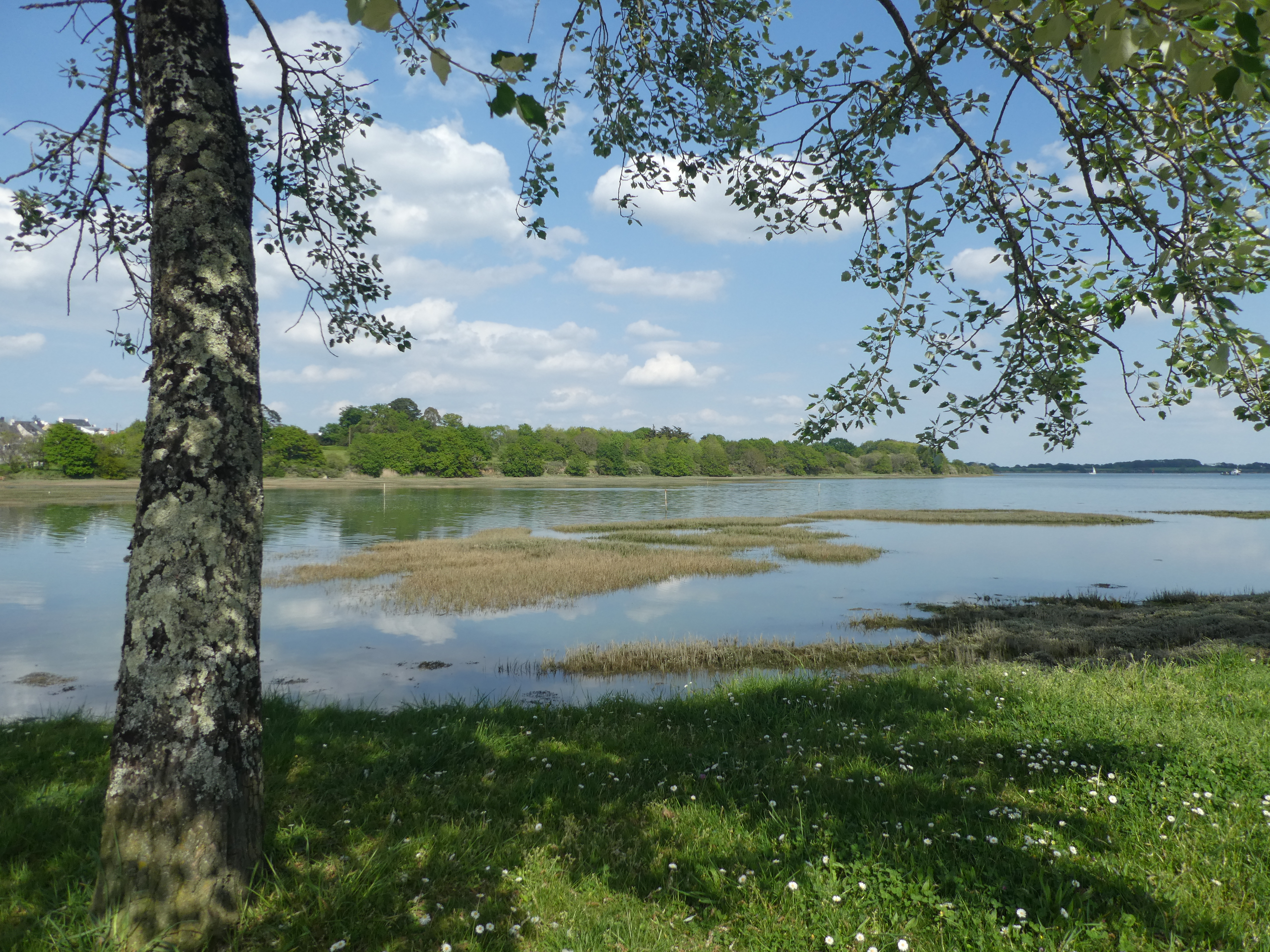
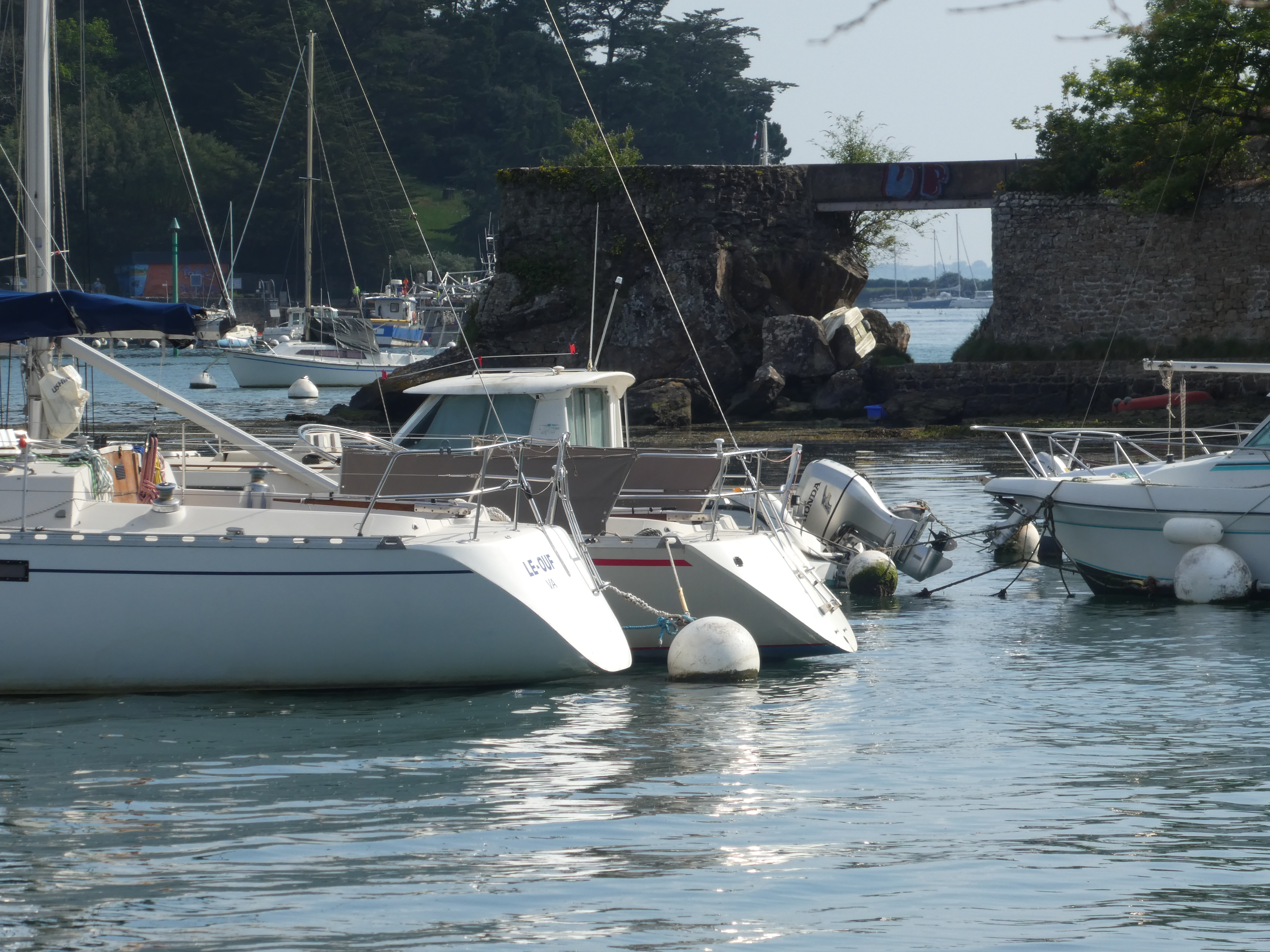
At last we get to our chosen site- and it’s lovely, nestling by an enormous natural harbour. There’s time for a walk and a beer, sitting in the sunshine by the marina and we remember what we love about holidaying this way…

A Journey in Itself

Having cut short the Sussex trip, [https://gracelessageing.com/2022/03/20/cutting-it-short/], due to the Plague we made a second attempt at an early spring jaunt, this time even closer to home. We are back at Tom’s Field, Langton Matravers in the beautiful, Dorset Isle of Purbeck. We’d been encouraged by a promising forecast of warm sunshine. This is a rustic campsite that has existed for years and years and one we’ve been patronising for years, too. The services, while oldish and not luxurious are clean and efficient, the showers powerful and hot. There is also a campsite shop, not comprehensively stocked this early in the year but open and useful. We’ve only booked for three nights, midweek but I’m sure that by the time the weekend arrives it would be packed with vans and tents. The site does not accommodate caravans.

The dose of Covid that prompted our swift return from Sussex has been a bit of a journey in itself. Initially I felt shivery, achey and tired. I coughed. I was lethargic. At home I lolled around, did nothing and kept falling asleep. After isolation finished I managed some pottering in the garden, then by the weekend I was able to go out and about- to the theatre and to spend an evening with friends.

Then the sunshine prompted a packing of the van. Despite having felt well enough to get around I slept badly, waking often with a blocked nose and a hacking cough. It seemed that The Plague had moved into another phase. Loading the van was an effort but we made the short hop to The Isle of Purbeck in unbroken, warm sun and joined the 3 other vans in the south field. The site only opened 2 days ago.

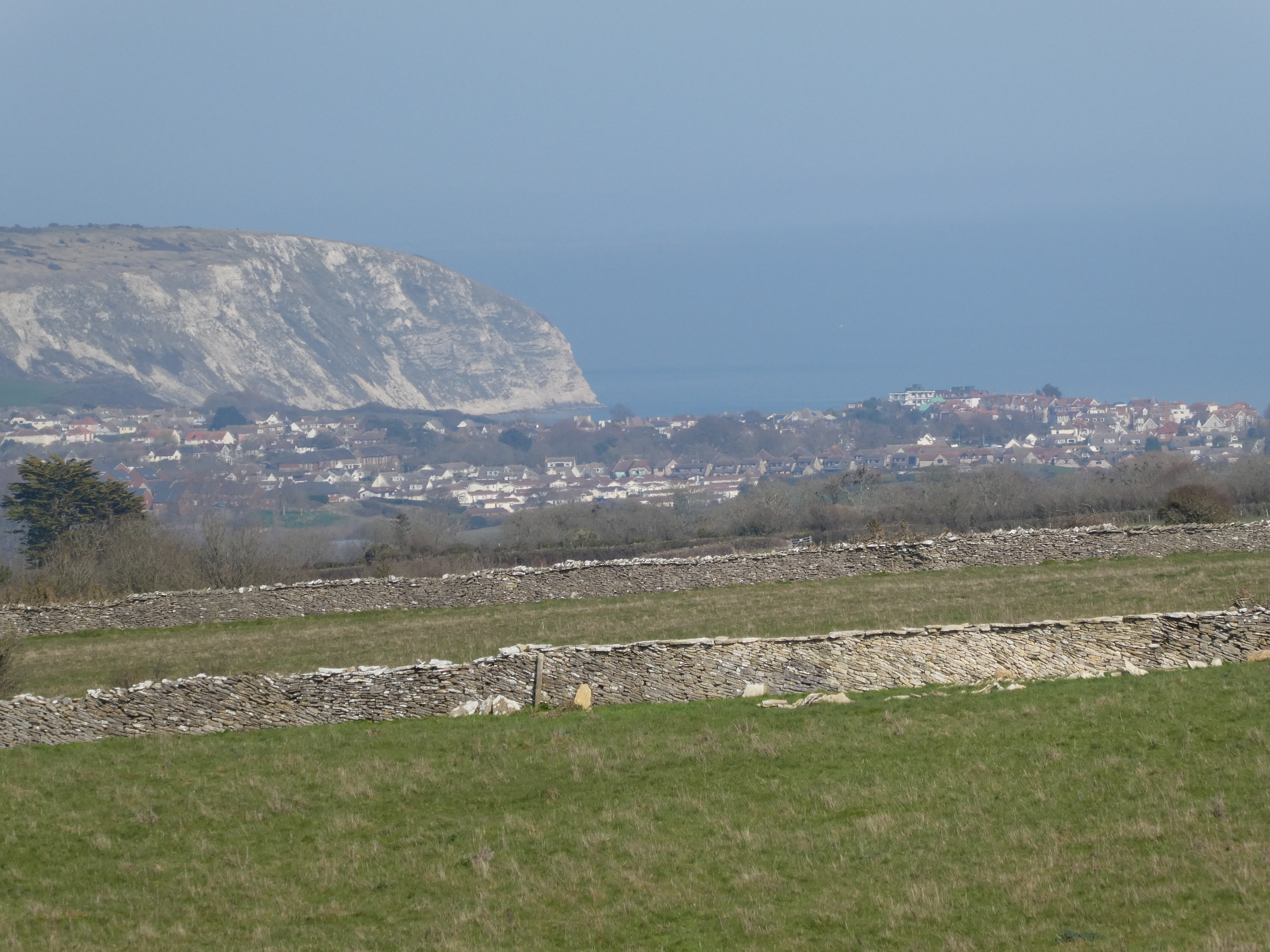
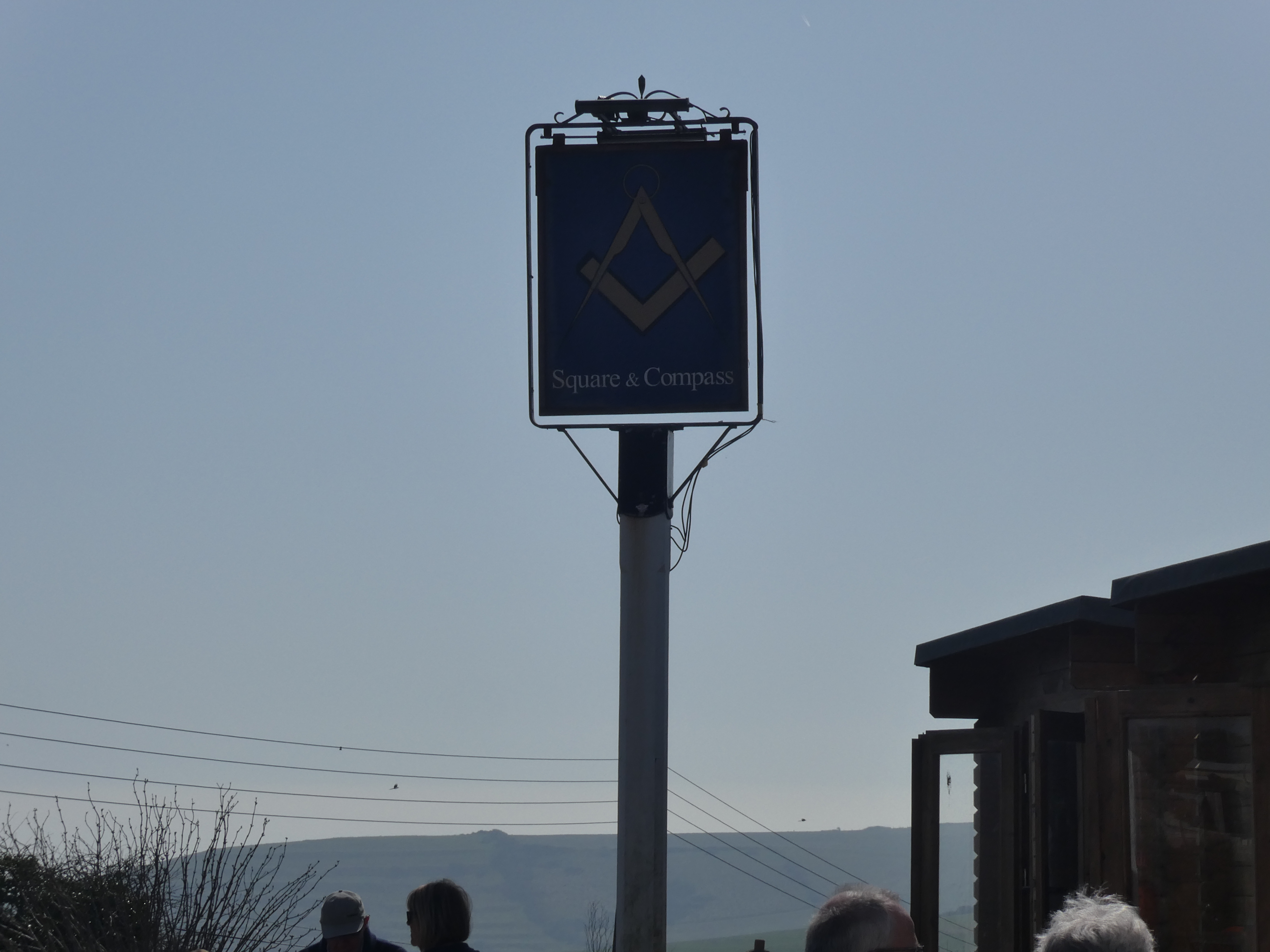
Having spent yet another night propped up and blocked up, I staggered awake and did very little until Husband suggested a walk to the excellent Square and Compass pub at Worth Matravers to get lunch and a drink. I wondered if I’d manage the short walk across the fields and along the Priest’s Way but sitting outside the old hostelery with a pasty felt worth the effort. For a description of this wonderful, old pub click here: https://gracelessageing.com/2021/09/19/short-and-sweet-in-dorset/

Then another uncomfortable night followed and I decided against joining Husband for a favourite walk over the hills and down to beautiful Dancing Ledge, where the sea would be sparkling on this warm March day, opting instead for a doze on my lounger, catching up on missed sleep and watching the antics of the blackbirds chasing each other in and out of the ivy hedge.

I made it down to the lovely old KIngs Arms for something to eat, then trudged back for the next long night of sleeplessness. We’ll have to hope the next van trip of 2022 is less dogged by mishap. Third time lucky, perhaps?

Cutting it Short

After a couple of days at the Emsworth site [as described in last week’s post], we’ve determined there’s not too much left to see and it’s time to move on, this time to Littlehampton. Somewhere deep in the recesses of my [admittedly defective] memory, I seem to recall that we were despatched there from London as students in the fine art department of my college, in order to produce some work of a seaside nature. Other than this I remember nothing, so presumably the results were under-whelming and unlikely to set the art world on fire.

I’ve booked tickets to see The Weald and Downland Living Museum, an open-air attraction covering a large area and celebrating South Downs life with constructions of homes and businesses from days gone by. It’s also the home of ‘The Repair Shop’- a hit British TV series where expert restorers of every skill revive items that are brought in by members of the public. The objects chosen need to have an emotive back story, such as having been used by a beloved, now deceased parent or grandparent, which precludes Husband or me submitting ourselves for repair or any of the rubbish we have cluttering up our house.

We’ve been given a time-slot for revival and since we’re taking in the museum en route to our next site at Littlehampton we park and have lunch first. In the enclosure, some of the installations are set up as working premises, manned by volunteers who are eager to impart their knowledge and undertake demonstrations. We go first to the potter, who stands behind his wheel clearly gagging for the punters to stop and listen, which we obligingly do. And it’s here I hit my first snag with the museum: about half the items on display are things we had in our household when I was a child. Here in the potter’s shelter lies a ceramic mixing bowl- two of which we have in our kitchen cupboard right now, as I write. The potter imparts some interesting facts, although there’s little new in his exposure of all things pottery. I used to teach a pottery evening class myself, many moons ago and know about pug mills, kiln explosions etc.

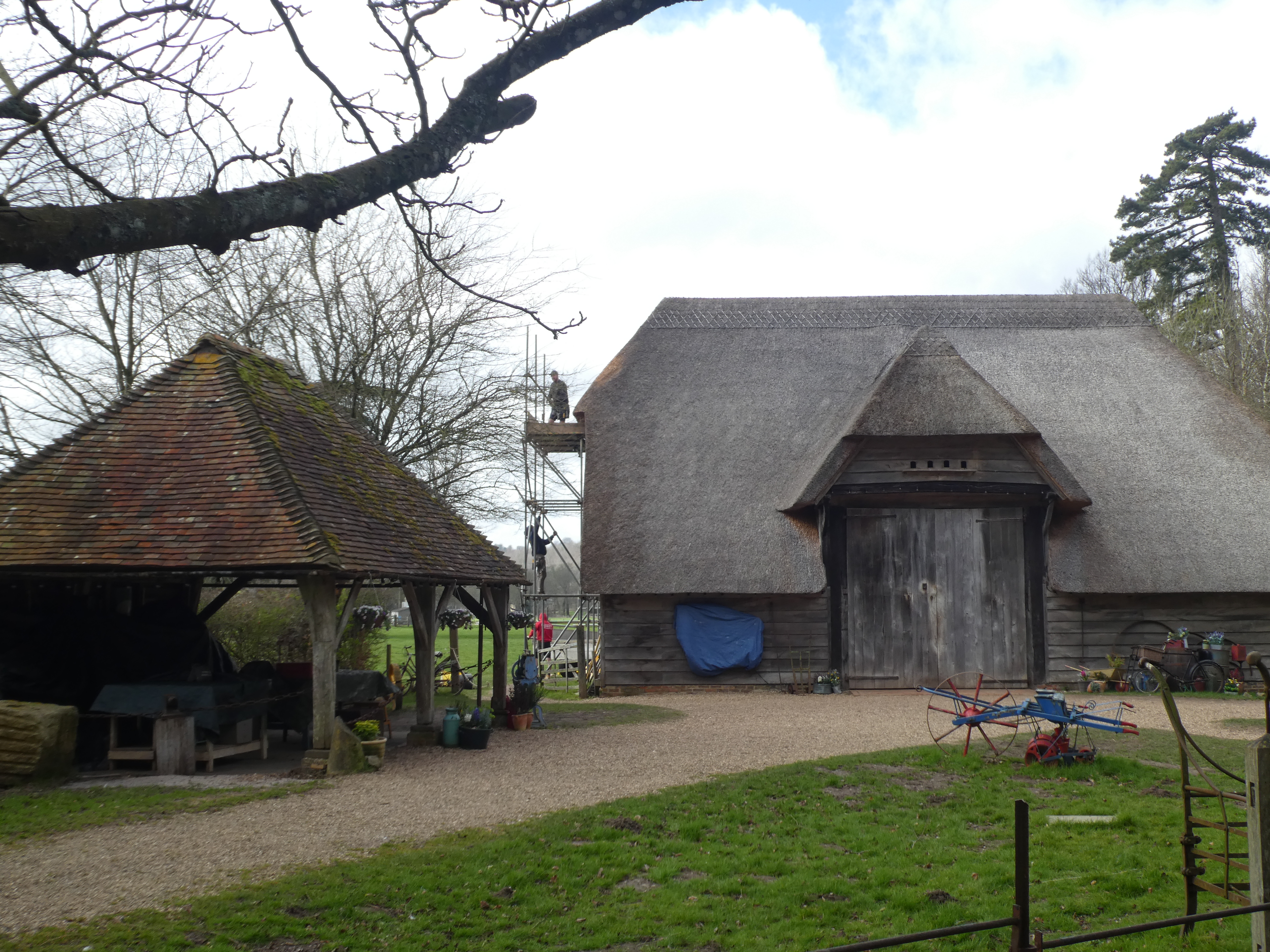
I’m aware that we’re trapped by the ‘expert’ but then we’re rescued by some fresh victims visitors, allowing us to move on to the blacksmith’s shack. The expert here is an ex-volunteer but seems to know how to make a curly piece of iron. From here we can see the venue for The Repair Shop TV programme, although we’re not allowed too close due to it’s being a film set. A scaffold to the side of the thatched building indicates it is being repaired…

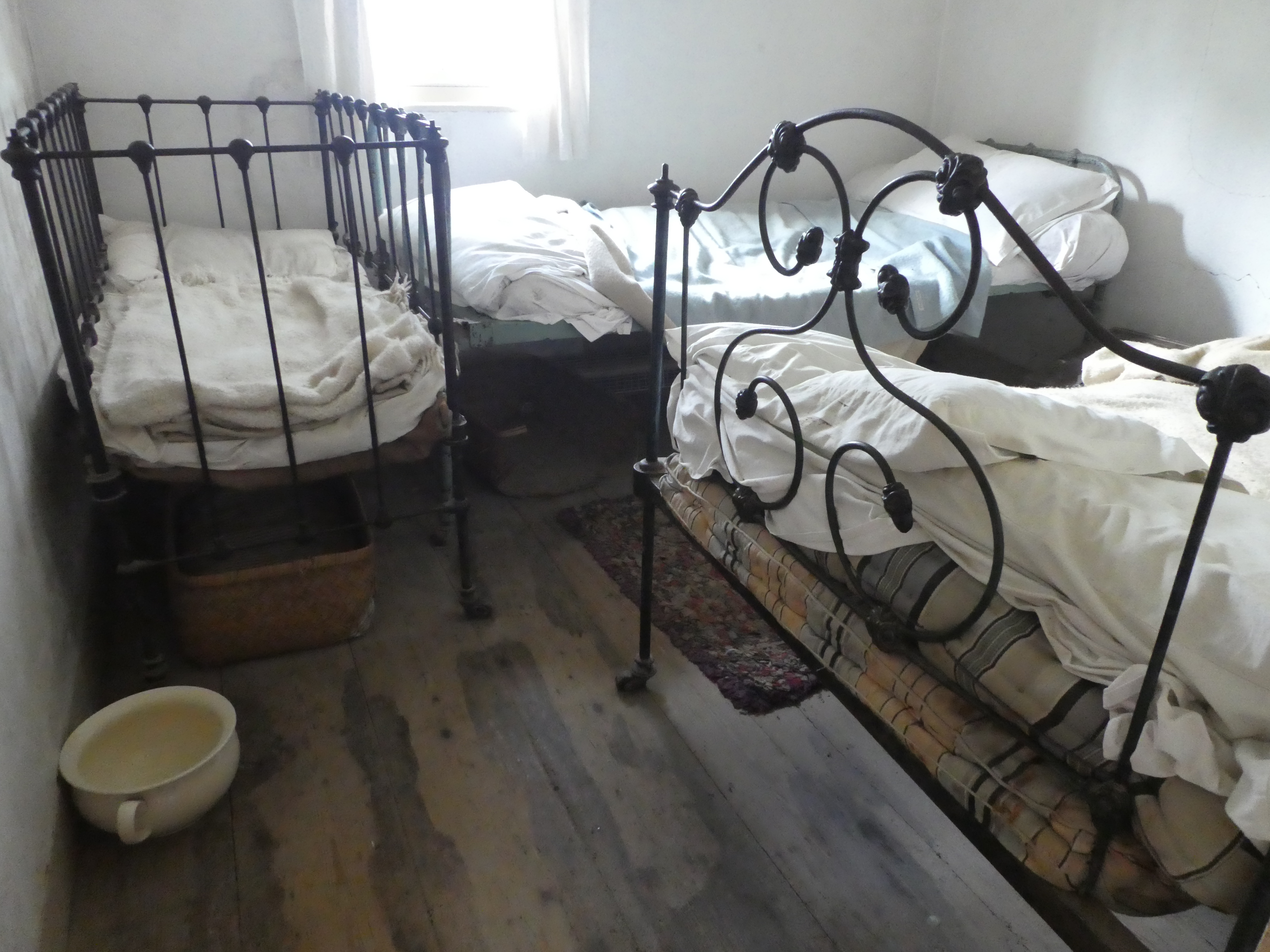
We continue to the mill, nipping away before we’re caught again then leave via the bakery, which is flogging yummy little oat cakes, still warm from the big, wood-fired wall oven. We’re getting the hang of avoiding the ‘guides’ and stick to visiting the unmanned houses. There’s a mixture of eras from medieval to Victorian. As before, many of the homes are furnished with items I remember my mother using: a ‘copper’ and a mangle for laundry, a range, chamber pots in the bedrooms. There are some glaring omissions though. We’d no bathroom before I was five and we were bathed in a tin bath by the fire. Also our toilet resided in a wooden shack towards the back of the garden and was furnished with a wide, wooden plank into which two holes were carved- one large and one smaller. A child could sit and cogitate alongside an adult there- although I don’t remember sharing with either of my parents! Under the seats was a long drop down into a cess pit. There are no outside toilets at the museum as far as I can see…

There’s a small farm area and a charcoal burners camp in the woods, then we’ve done it, neatly dodging the well-meaning volunteers.

We head off to Littlehampton and park up in our pitch. I still have a sore throat. The site is quite different from Emsworth, with more caravans, but it’s quiet and we’ve found a sunny spot. There’s next to no internet signal here for our little mobile pebble hub, but we pass a peaceful evening.

I wake feeling achey and unrested. After a while I decide a Covid lateral flow test is in order and Lo and Behold…there is the second red line. There’s not much deliberation and we’re not far from home so the second night gets scrapped as we pack up and take to the road home. Next morning it’s raining…

A Wander in West Sussex

Having regrouped from our debacle in Iceland, picked ourselves up and dusted down we opt for a modest, local jaunt in our campervan. It’s a while since we packed and prepped for such a trip so I resort to consulting our inventory list in the certain knowledge that we’ll have forgotten something. A few years ago we arrived to one of our favourite Isle of Purbeck sites to discover I’d loaded no bedding of any description, which resulted in a visit to Swanage’s one and only duvet and sheet stockists.

This March has come in like the proverbial lion, with ferocious, biting winds. At least the abortive Iceland trip was good for something, in that we amassed excellent cold weather gear. The van itself is cosy and warm- [warmer than our house!]. Also I’m reminded that the Ukrainian refugees are fleeing their war-torn country in icy, snowy conditions with their babies and all they can carry.

On our way back from Gatwick last month, the train passed through Emsworth, leading us to consider returning to have a look. It’s a modest distance from our home but not an area we’ve explored much so we’ve headed there, to a site at ‘Southbourne’, not the Southbourne, Bournemouth we moved from 5 years ago…

For our first day we wrap up well and walk down to the coast path and along to Emsworth, which is either a large village or a tiny town. It’s attractive, with a pretty harbour and not a lot else, including shopping, so I give up on the soft toothbrush I was hoping to pick up [having- yes- neglected to pack mine]. We get a coffee outside a small harbourfront cafe, sitting in a sunny, sheltered spot then it’s a short bus ride back to Southbourne.

Next day we opt for a visit to Chichester, accessed by a bus ride in the opposite direction. On the bus a single, portly, mature man feels the need to chat, starting with harmless remarks about bus stops and gradually progressing to rants about his pension, his dentist, his rent and why doesn’t everyone vote Conservative, at which point I no longer feel able to nod and murmur and I’m praying for his stop to be soon, please…When he gets up to leave the bus the woman who’d sat behind him is moved to tell me ‘Well that’s lucky…’ I also noticed that Husband, who’d been lucky to have taken the window seat, had found the passing countryside totally absorbing throughout the man’s diatribe.

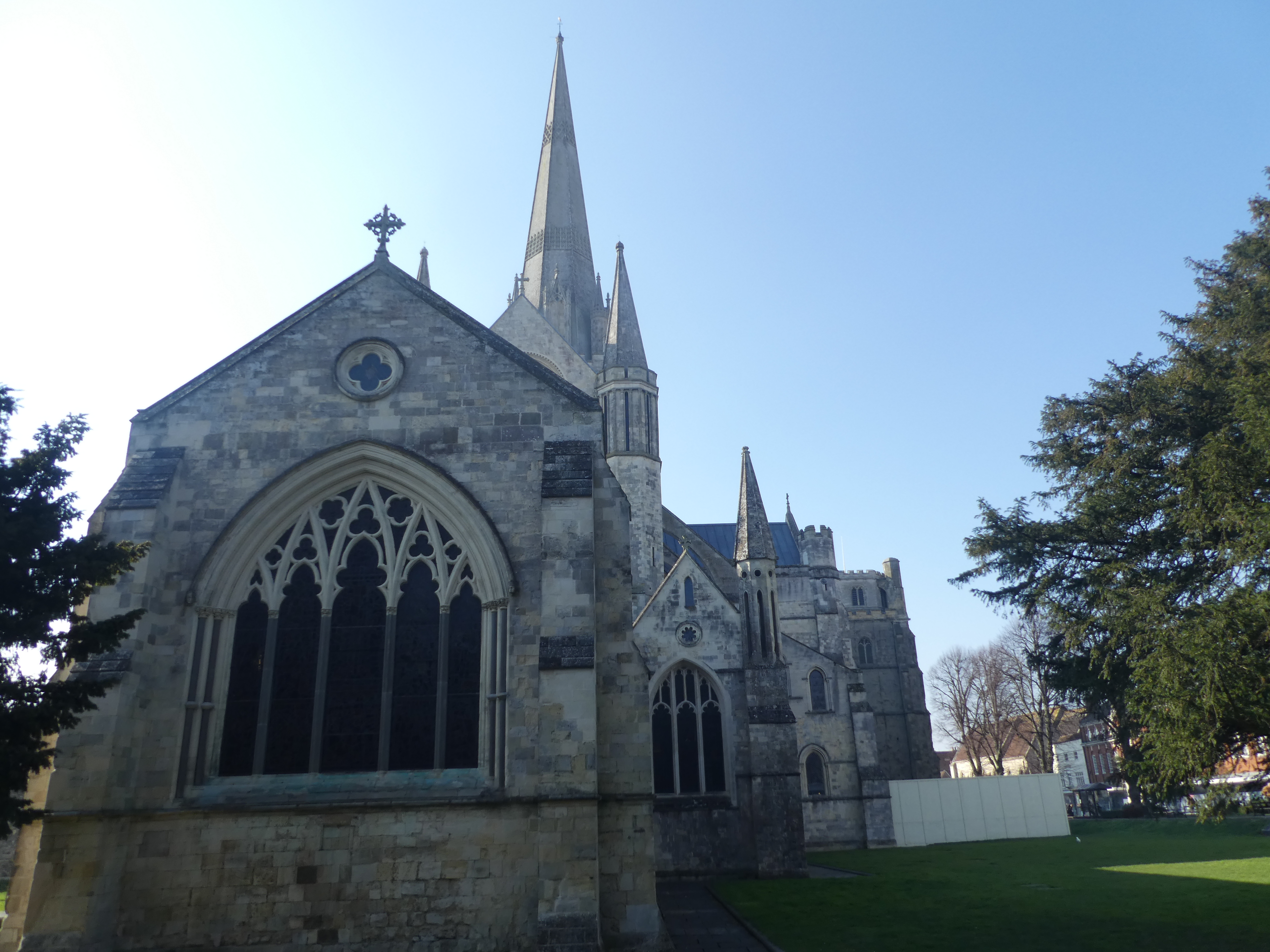
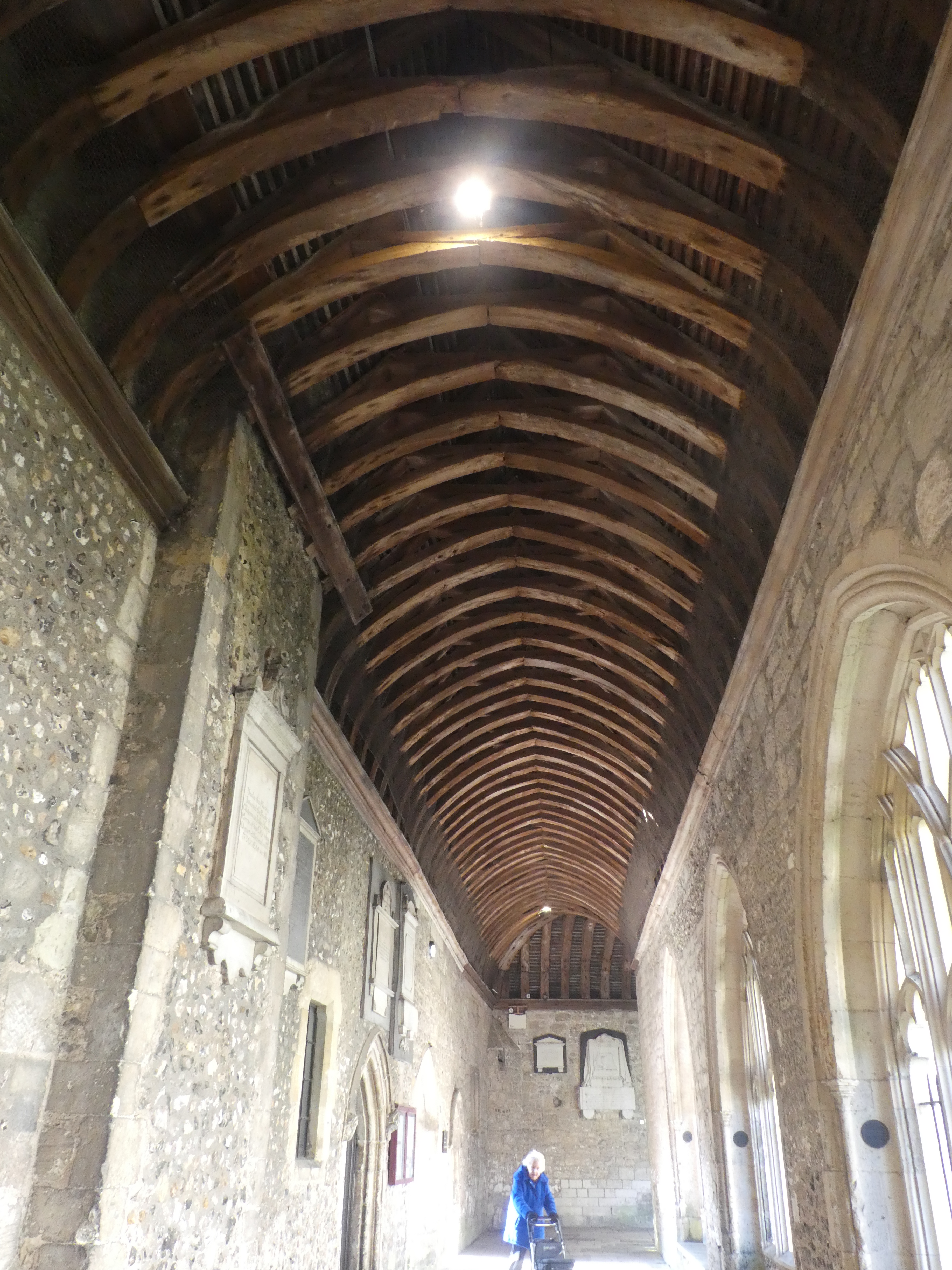
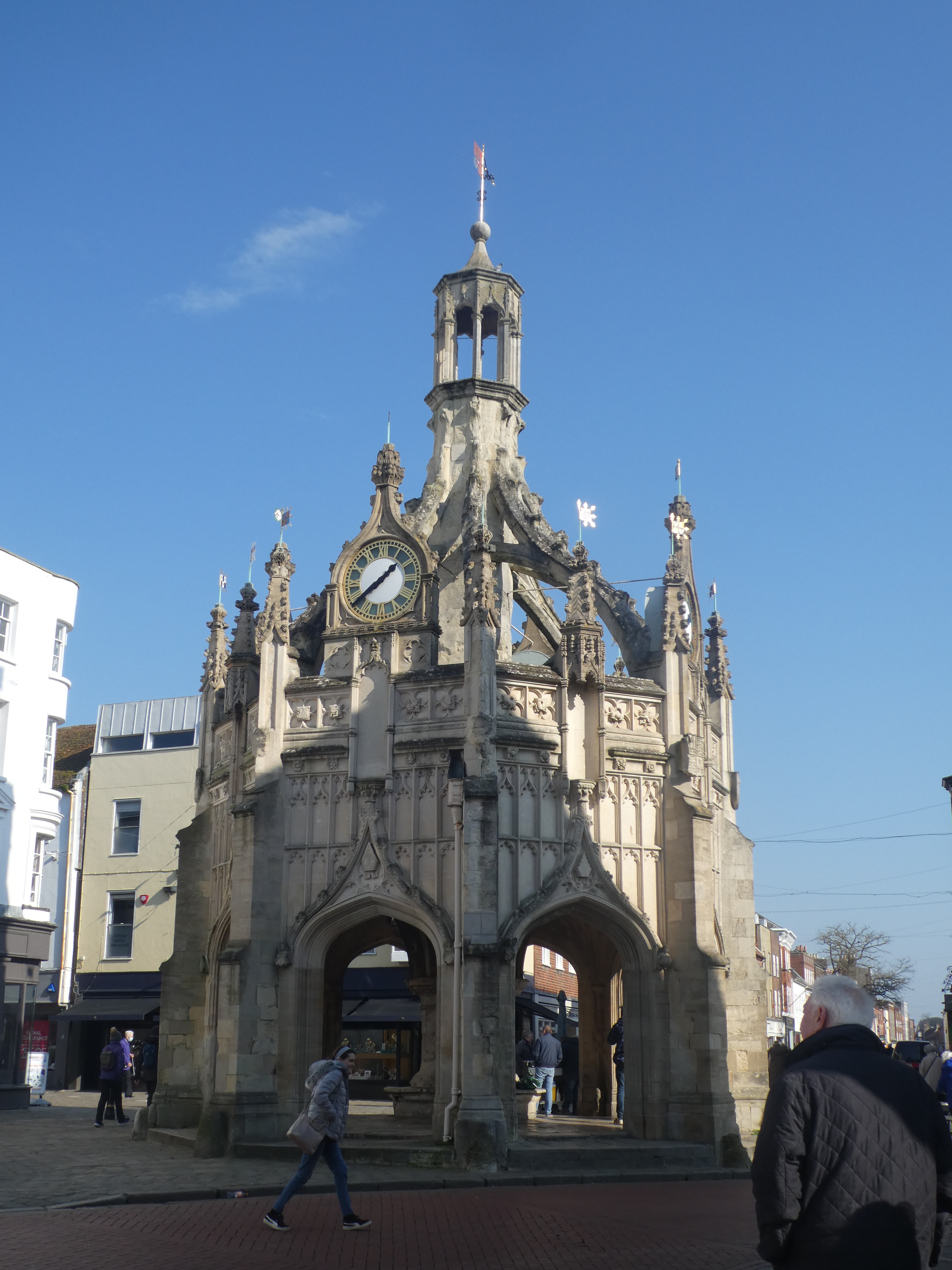
We alight right beside Chichester’s magnificent cathedral but don’t enter as a recital is taking place. Instead we walk through the cloisters with their barrel-vaulted ceilings and the close- all very scenic. Then it’s a stroll of the streets and a quick look in a gallery or two. It’s a beautiful city with many historic pieces of architecture, including a wonderful market cross. There’s just time for a look at the Bishop’s Palace Gardens before we head back and the garden is extensive, although it’s too early in the year for many colourful displays.

The return bus is full to the gunnels, mostly with schoolchildren who act just exactly as you would expect groups of adolescents to-

Then we’re off to the pub, just a step along the road, for a very acceptable meal. We’re gearing up to move on to the next site in the morning…

Australia. On to Melbourne

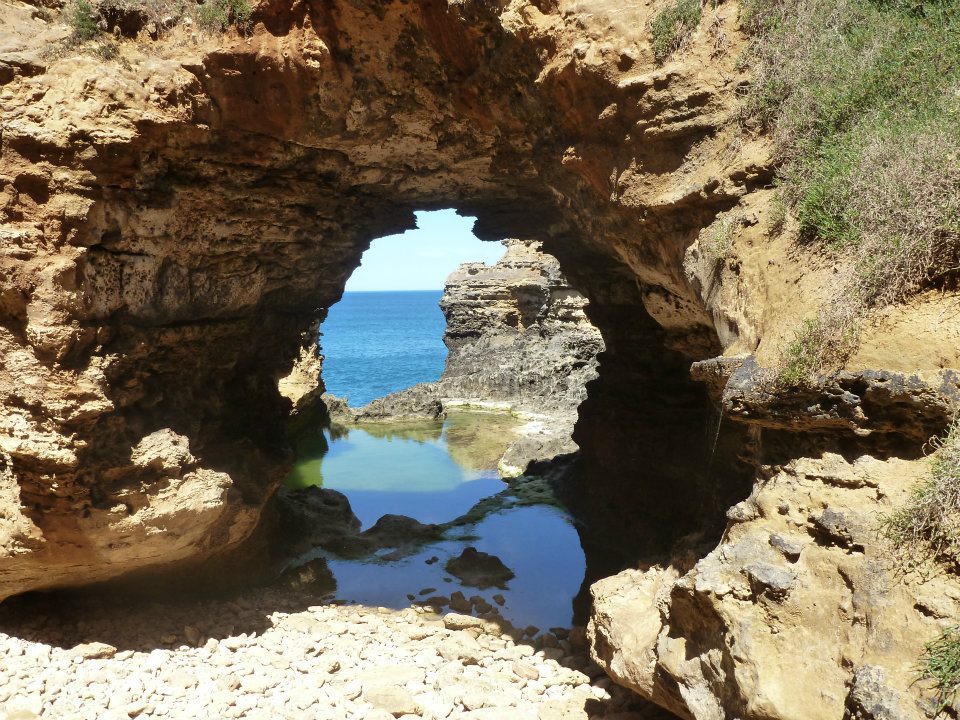
Having collected our third and final van at Adelaide we set off for the next chapter of our Antipodean Odyssey, The Great Ocean Road, which would take us to Victoria and to Melbourne. While the weather continued to be very warm, the landscape morphed into a contrasting character to the arid surroundings of The Outback, becoming more familiar and more in common with many parts of coastlines in Europe and in our own UK.

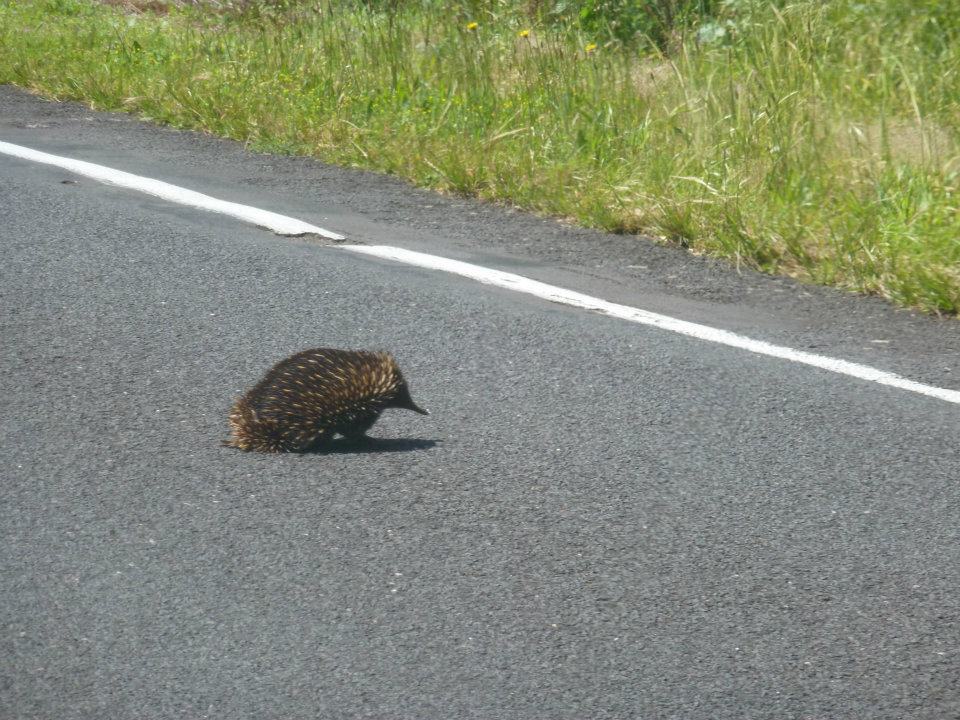
The wildlife, however was vastly different and we were treated to a multitude of wonderful encounters, such as arrays of brightly coloured parrots and the time we needed to pull up and allow an echidna to meander across the road in front of us.

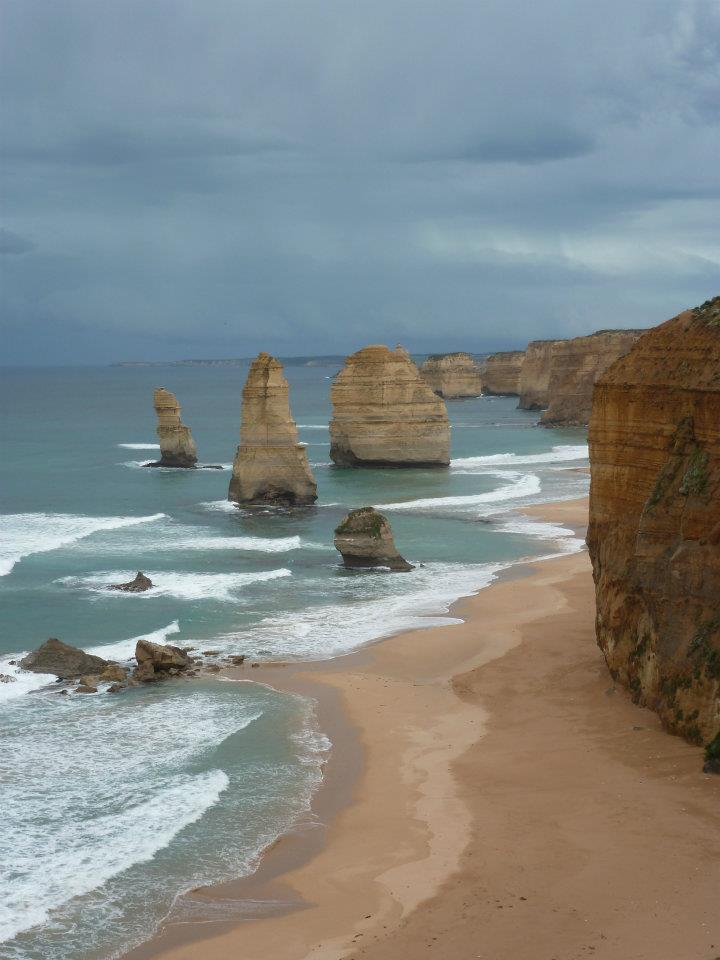
The Great Ocean Road is famous for ‘The Twelve Apostles’, tall stacks of rock which protrude from the waves like a watery hall of columns, but they are fewer now- eight left, according to Wikipedia. Altogether it is a stunning coast line, although many such rock formations exist around the world.

Once we were into Victoria there was also a more familiar, homely atmosphere, the communities less foreign with their coffee shops, bookshops and so on.

One thing that struck us with both New Zealand and Australia was that other than in large cities such as Sydney, bars and restaurants, where they existed, shut up shop early in the evenings. The vast majority of them existed only for betting purposes and housed screens and machines purely for this purpose. If we were lucky enough to find a bar or a pub open we could sometimes get a drink, only to be told the place would be closing at around 9pm, once the gambling was finished. We’ve visited quite a few countries and have found many areas away from large cities to be lacking in any sort of evening opening, notably the USA and the more rural areas of Europe. This leaves me with an impression that the UK is unique in having pubs and restaurants throughout its shires, although in recent times pubs have been disappearing from many of our villages.

When I was about ten years old I was a bridesmaid at the wedding of my uncle and aunt. I don’t remember much about it but I do remember seeing a photo of myself plus my two cousins, decked out in stiff, knee-length frocks and carrying little posies. A few years [and two babies] later the couple emigrated, like so many, to Australia where my uncle set up a business that was to become very successful, settled into Australian life and had a third child. In the years that followed there was scant contact between our families. We cousins all grew up. My uncle, sadly, passed away. But before we left the UK to embark on this long trip I knew I couldn’t go so far and not meet up with my long, lost aunt and perhaps my cousins.

It was a little tricky getting in touch but we managed it and arranged to meet. My aunt had moved and downsized from their large family home but still lived in Victoria in a small community, whereas the cousin I’d never met, who’d been born in Australia, lived in Melbourne. In a spontaneous gesture of hospitality, she and her partner offered to accommodate us for the remainder of our time, which is a huge step to take for those you’ve never met!

Grace is also known as the novelist, Jane Deans. Her new novel, The Conways at Earthsend is now out and available from Amazon, Waterstones, Goodreads, W H Smith, Pegasus Publishing and many more sites. Visit my website: janedeans.com or my author page on Facebook: (1) Jane Deans, Novellist, Short Fiction and Blog | Facebook.
Australia’s East Coast, 2011

This is the second episode of my Australia Travelogue. Part 1 can be found in last week’s post.

While we’d barely looked at Sydney we couldn’t delay the pick-up of the campervan for another day, so we escaped the cheerful grime of the backpacker hostel and went to fetch our wheeled home for the next 4 weeks.

The plan at this point was to motor up the East Coast from Sydney to Cairns, about 1500 miles. We allocated one week for this journey.

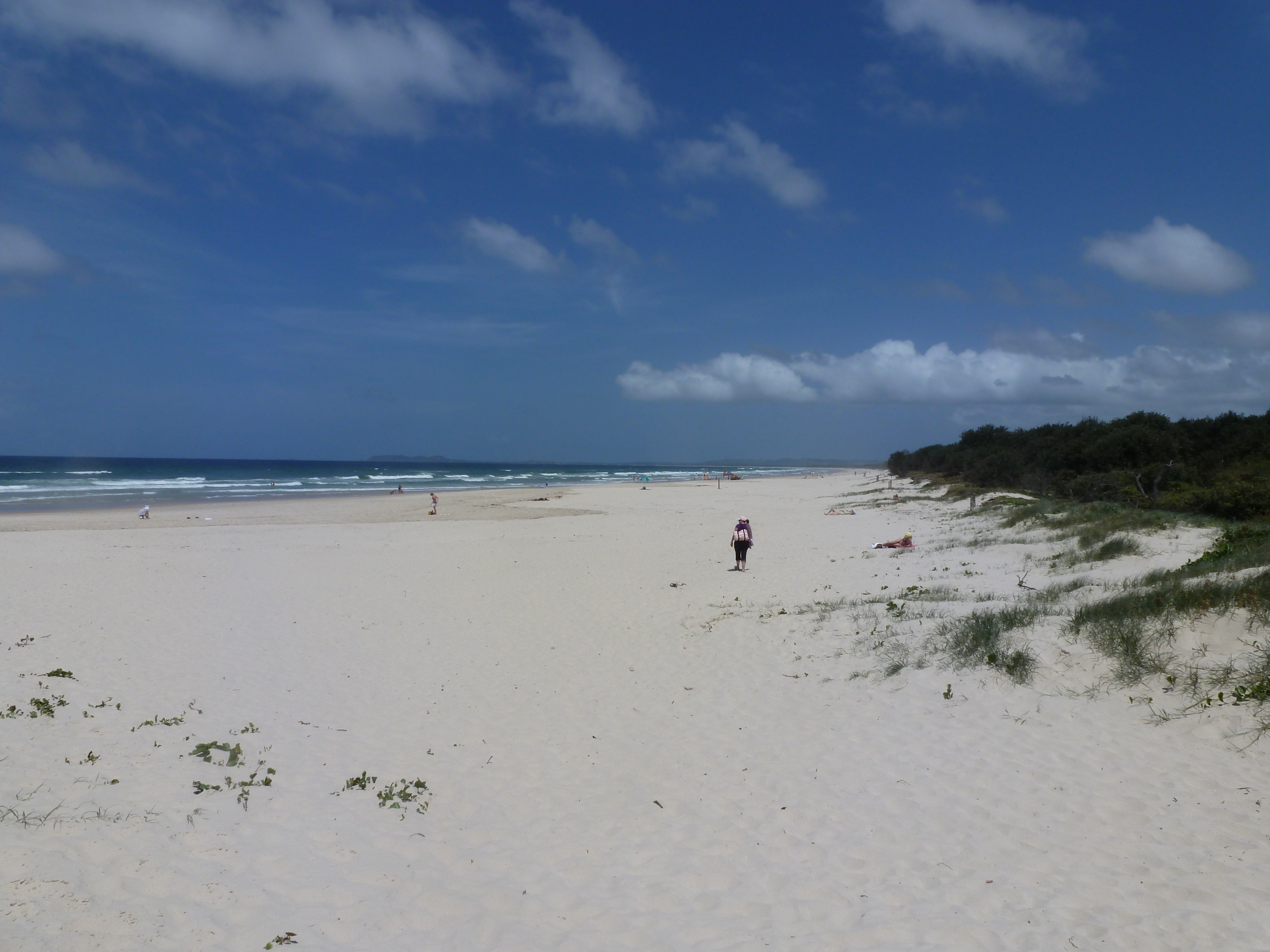
To begin with, the beaches and harbours where we stayed were very similar; wind and wave-swept stretches of coast, for the most part almost deserted except for an occasional walker. The character of the campsites differed from New Zealand’s in that they were larger, bleaker and less intimate. On the first night’s stop we were thrilled by the sight of moderately large lizards which loitered around the pathways and tracks with a studied nonchalence, looking like security personnel.

This was a long drive, punctuated by mainly overnight stops. En route we needed to shop and [of course] pick up beers and so on, using the ‘bottle shops’, since alcohol is not sold in supermarkets as it is in the UK.

As we motored north towards Queensland the landscape gradually altered. Towns were further apart and there were vast stretches of agricultural land where sugar cane is grown. We’d sometimes spot a goods train transporting the cane and these long, snaking vehicles seemed to stretch for ever across the flat fields. The coast was also changing, the beaches huge, the tidal range massive. Along the road we encountered land trains- gigantic lorries pulling a number of large trailers. The roadsides were sometimes fringed with eucalyptus trees and during my turns as a passenger, I was constantly scanning the trees for koalas, a pursuit which was never successful.

There were, however, encounters with wildlife in other areas, such as site showers, where we’d share an occasional shower with a cane toad or a lizard.

For some reason we had high expectations on the approach to Surfers Paradise, a large city south of Brisbane- maybe it was because we’d spent long hours on deserted roads or looking at miles of sugar cane fields and the idea of a surfers town appealed to us. I was thinking of our own Newquay, in Cornwall, UK- a surfer’s paradise for sure. But Surfer’s Paradise, Australia was not at all what we expected. It is a high rise conglomeration and no glimpse of surf greeted us as we drove through. A motor racing event was taking place, so all there was to see were stands and flags. We passed on through.

I was also in a fever of anticipation to see Brisbane, and indeed it did look wonderful as we drove along the river front, searching for somewhere to park the van so that we could explore the place. But here, we drew a blank. We could find nowhere at all to park our wagon and I had to be content with photographing what I could see from the windows. Ho hum. Perhaps we’ll make a return visit at some stage?

So we continued onwards and northwards…

Grace is also known as the novelist, Jane Deans. Her new novel, The Conways at Earthsend is now out and available from Amazon, Waterstones, Goodreads, W H Smith, Pegasus Publishing and many more sites. Visit my website: janedeans.com or my author page on Facebook: (1) Jane Deans, Novellist, Short Fiction and Blog | Facebook.
Van Talk Again…

Continuing the history of Lessageing campervans…

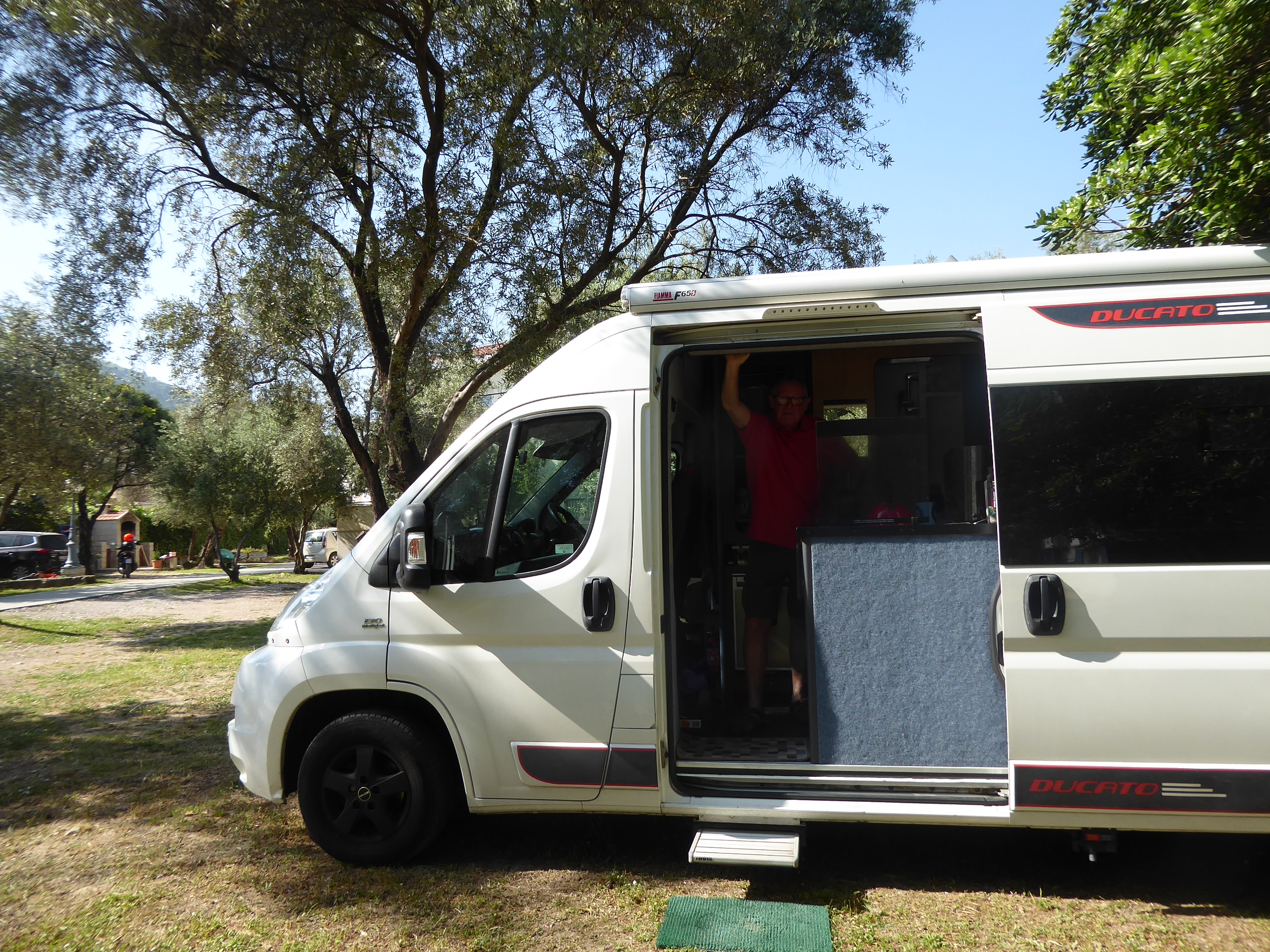
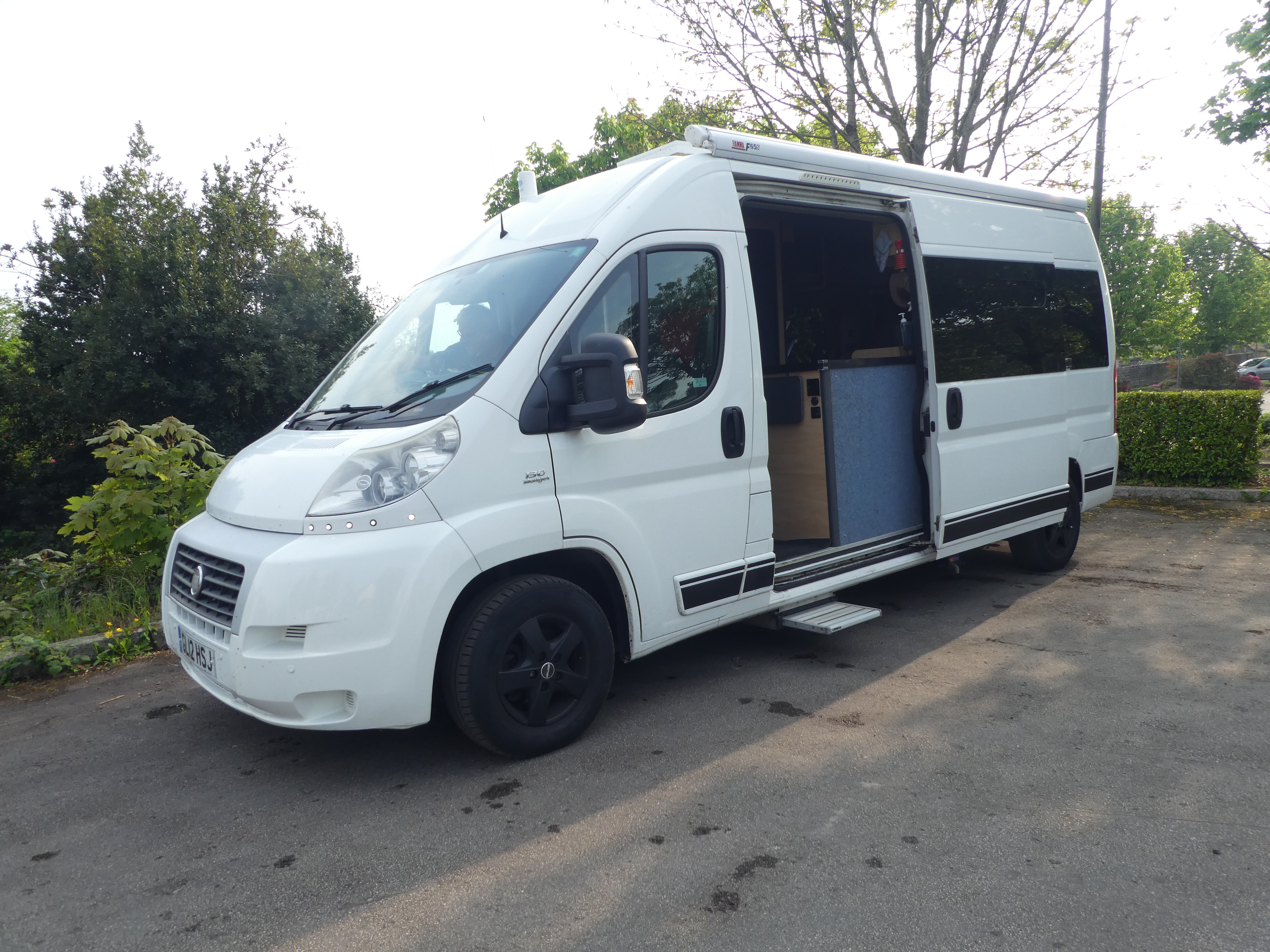
Our current campervan, a Fiat Ducato, is now longer new- either in terms of age or miles, and of course in recent times there has been a veritable explosion of brand new, shiny motorhomes as people took to van trips instead of the cruises and villas they could not book. Acknowledging this, we like to call it a ‘Vandemic’, and the newbie owners, ‘Pan-vanners’ and although we’ve met and chatted to many who are new to this way of travel we harbour hopes that in due time they’ll go back to their package holidays and cruise liners, perhaps even leaving a plethora of slightly used travel wagons in their wake.

But before all this, and after our thrilling Italian Odyssey [previously described], Husband set to on another ambitious plan, to drive to the Peloponnese. This would be via France, Italy, Croatia, Montenegro and Albania. Thus far we’d camped in Croatia, but had gone no further than Dubrovnik, so it felt intrepid to be undertaking such a trip. I’ve described this adventure previously, episode by episode, but haven’t ever fully explained how a piece of independent travel like this can be.

Not all of the countries we crossed are as developed in terms of camp sites, roads, services and facilities as the more familiar ones. Not all of them were easy to insure for, either, as you can read next week! Croatia’s roads had improved a great deal since out first foray with a tent and the sites were more established and widespread. Montenegro, however, the tiny country between Croatia and Albania, provided more difficulty. We wanted to see Budva, hailed by the guide books as a kind of ‘mini-Dubrovnik’ but could find no sites or stopovers near to the town. I pursued the search, eventually, on a German travel website finding a possible place off a backstreet several roads away from the front.

Using the satnav coordinates we circled the supposed site, unitl I spotted what may have been a corner of a caravan roof, which we headed towards. Through a narrow gateway and up a rutted track, past a smouldering bonfire we came to a halt, the only sign of life a few heedless people further up inside the supposed ‘site’. I went to inspect what looked like a shower block, which turned out to have been one once, but leaves had blown in and it seemed disused. After a while a gentleman turned up on a moped; the owner, gesticulating and apologising. They were closed, but we could stay, which we did.

The old, walled town of Budva is interesting and historic, although it does not in any way compete with Dubrovnik. We went to look, then walked along the seafront, attractive enough, lined with restaurants and bars. We chose one and had a creditable meal, then returned to the strange, ‘closed’ campsite and spent the night there. Nothing untoward happened inside the locked site gates, despite misgivings over the security of the place.
We left in the morning and prepared ourselves for the next challenge, to cross into and over Albania…

Grace is also known as the novelist, Jane Deans. Her new novel, The Conways at Earthsendis now out and available from Amazon, Waterstones, Goodreads, W H Smith, Pegasus Publishingand many more sites. Visit my website: janedeans.com or my author page on Facebook:(1) Jane Deans, Novellist, Short Fiction and Blog | Facebook

Van Talk 3.

This post follows on from last week’s, in which I described how we swapped a small campervan for a larger vehicle and began to see the benefits…

Now that we had a larger and more comfortable van we began to contemplate more adventurous travel. In 2017, Husband hatched an audacious plan to motor down through Italy to the very south, to Calabria, to cross by ferry to Sicily, to cross Sicily and get a ferry to Sardinia, from which we could get another ferry to Corsica, then a ferry hop to the French mainland at Nice. In the beginning, Malta was included in this schedule- that is until he learned the eye-watering cost of a ferry from Italy, upon which discovery the idea was aborted.

Of course we needed to allocate plenty of time for the trip, estimating around five weeks.

The travel down through France was all good until Lyons, where navigation became complicated, even with the SATNAV helping. I’d had some bad experiences in Lyons from student days, so these difficulties did nothing to endear the city to me. [I’m sure it’s beautiful and has many elements it its favour once you get to know it].

To cross the border we used the Frejus tunnel, easy but ridiculously overpriced. We looked at Turin, staying in a car park by a subway station. It is a grand old city, beautiful even in the rain, although we were nonplussed by the subway payment system and ended up not paying at all- for which I apologise!

Italy has its north/south divide; the north being relatively well off, the south less so. The north is also relatively civilised in terms of driving. As we progressed south, however, the rules of the road began to appear less assiduously followed. I was taking my turn on the motorway past Naples, attempting to overtake a lorry when the driver took exception and cut in front as we were about to enter a tunnel, a near-death experience which totally lost me my nerve.

The scenery, however, as we grew closer to the straits of Messina was sublime.

Then there was Villa San Giovanni, the town we’d embark from to get to Sicily; the town where we’d need to get tickets. Traffic in the town was unruly. We drove down a narrow street, searching for the ticket sales office, only to be met head on at full speed by various vehicles. There seemed no way to get on to the docks, resulting in our making repeated circulations of the town, only to end up back where we were, like Alice in the garden in ‘Through the Looking Glass’.

At last we pulled into a small car park and went on foot for tickets, helped by a passer-by, eventually driving on to a ferry for the short crossing to Sicily.

The relief, however was short-lived. Once on the other side, at Messina, the roads were worse than ever, cars double or triple parked anywhere as people pulled up abruptly with not a signal or a warning to be seen. Traffic lights seemed to have no significance whatsoever. I spent a good deal of time as a passenger with hands clamped over my eyes.

On reflection, it’s probably just as well we made this trip in our older van, although we’d failed to get our dodgy handbrake sorted before departure. There were some mishaps, such as the misplaced bollard in a Syracusa car park causing a nasty dent.

We visited Palermo, Sicily’s capital, by bus and I was grateful for the bus driver, who was used to dealing with the chaotic conditions at every junction, where mostly the traffic looked to be dancing some kind of vehicular hokey-cokey with everyone leaping into the middle together.

Looking back I wonder how we got away unscathed, although Husband declares that he loved it, relishing the gung-ho, wild west nature of it all. But after two weeks we went on to Sardinia, where we stood at a pedestrian crossing and marvelled when the cars stopped to let us cross…

Grace is also known as the novelist, Jane Deans. Her new novel, The Conways at Earthsendis now out and available from Amazon, Waterstones, Goodreads, W H Smith, Pegasus Publishingand many more sites. Visit my website: janedeans.com or my author page on Facebook:(1) Jane Deans, Novellist, Short Fiction and Blog | Facebook

Van Talk 2

I’m sitting here in our current van, writing, feet up on the comfortable bench sofa- my default evening position, laptop across my legs.

This van is number three. In last week’s post I described how we came to become owners of our first van, a VW and how we modified it for our comfort and our needs.

If things had turned out differently we might still be using a VW van. I’m sure that were it not for me, Husband would certainly have stuck with VWs with their dinky, hip looks, iconic engine sound, compact size and a certain nippiness. It transpired, however that a chronic health condition I got diagnosed with in 2014 required more van comforts, such as a bathroom and toilet. For those curious enough to want to know here is a post from way back when I was terrorised by the disease: https://gracelessageing.com/2014/12/07/journey-to-the-centre-of-the-colon-a-gastric-odyssey-with-apologies-to-jules-verne/

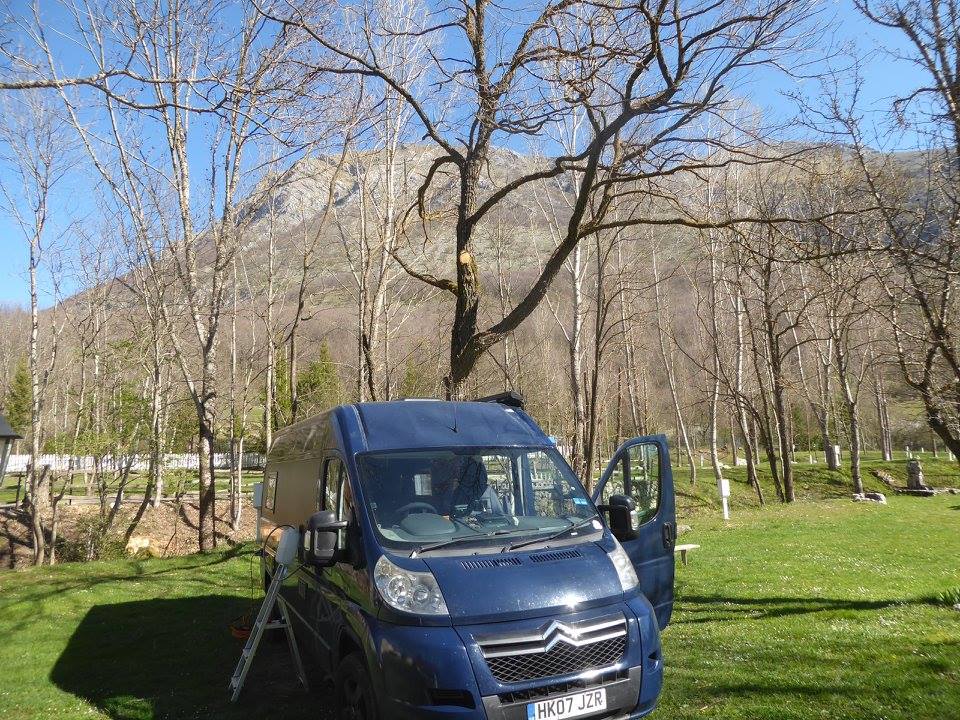
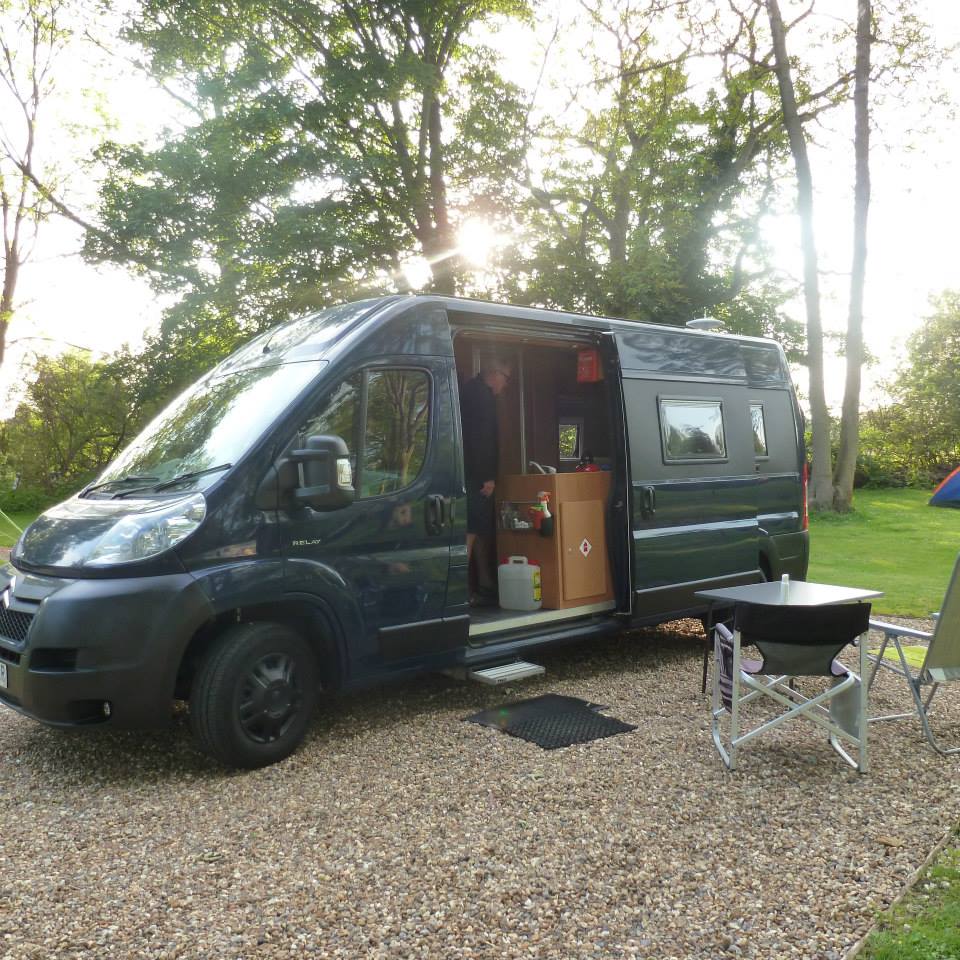
In any case, the upshot of it all was that we branched out into unknown territory- a panel van. Again, it was an ebay purchase, a Citroen. This time Husband ventured up to Hull, in the north of England, to have a look at the vehicle. At home, I was obliged to rely on his judgement plus the ebay photos, which did portray a handsome, luxurious interior and- most importantly- a shower and toilet cubicle. Once more, this was a home-made conversion and once more, the van had barely been used since the work was done.

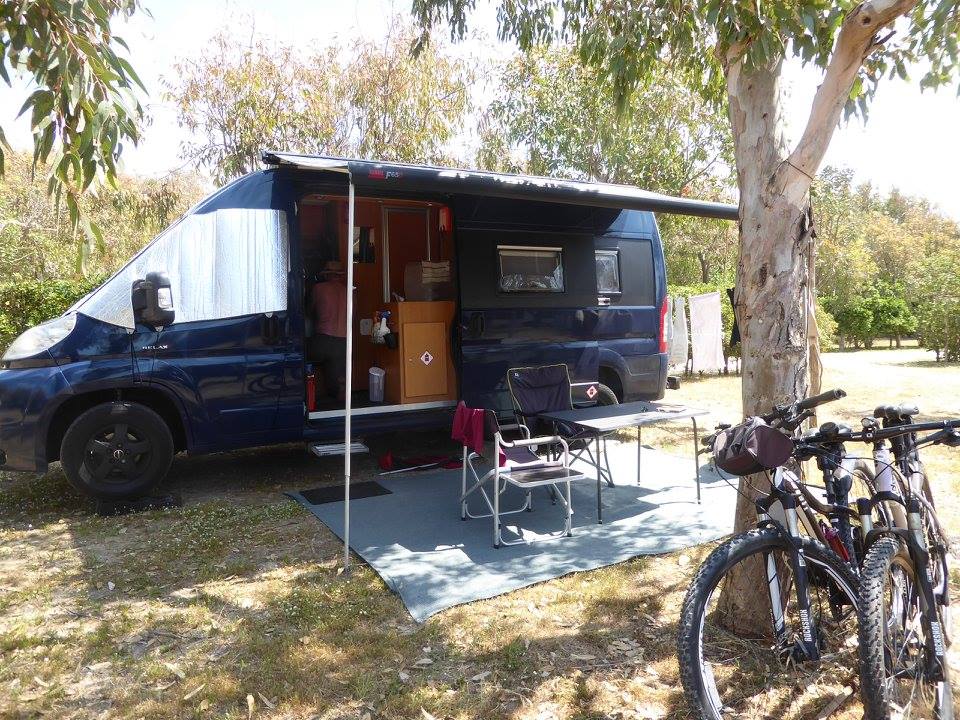
But there was one stunning difference. The van was perfect for us as it was; no need for expensive, corrective work or re-modelling. And besides having what was now a necessity- a shower plus loo cubicle- it had an oven below its three gas burners, two sumptuous sofas in the back and a TV! We’d never missed a TV in the VW van, but were not about to remove it. The bed, however did take a little longer than the ‘rock-n-roll’ bed in the VW, involving inserting a plank into the space between the sofas and turning the sofa cushions over. Once converted into a vast double bed it induced a supremely wonderful sleep with the added joy of waking to a view up and out of the skylight, which might reveal sky and stars, clouds or a glorious tree canopy.

The acquisition of the bigger van opened up a whole new angle on places to stay. Now we could be self-sufficient, no more reliance on campsites for showers and the rest. In Europe [although not in the UK] we’d be able to use ‘aires’. For the uninitiated, aires are places that motorhomes or campervans can park up for overnight stays for either a very modest charge or no charge at all. In France, especially, they are everywhere, towns and villages offering parking, waste disposal and water in a designated area. In most other European countries there are plenty of aires, too. We’ve stayed in the centre of beautiful Reims, where a short stroll takes you to any number of Champagne bars, beside any number of canals and rivers, overlooking rugged coastlines in Sicily- hundreds of great views and access to bars and restaurants if we want.

Of course we still use sites. We often spend long enough away to need laundry facilities and a few extra services. And we have our favourites, the ones we return to because of their position. So where did we go with our new van? Wait and see…

Grace is also known as the novelist, Jane Deans. Her new novel, The Conways at Earthsendis now out and available from Amazon, Waterstones, Goodreads, W H Smith, Pegasus Publishingand many more sites. Visit my website: janedeans.com or my author page on Facebook:(1) Jane Deans, Novellist, Short Fiction and Blog | Facebook