Marvellous Mechanical Beasts

The first sight to greet us on crossing the bridge over half of the Loire to Ile de Nantes is the Palace of Justice- a vast, modern, glass building in elegant black. We turn right at the end of the bridge and walk by the river for a few minutes.

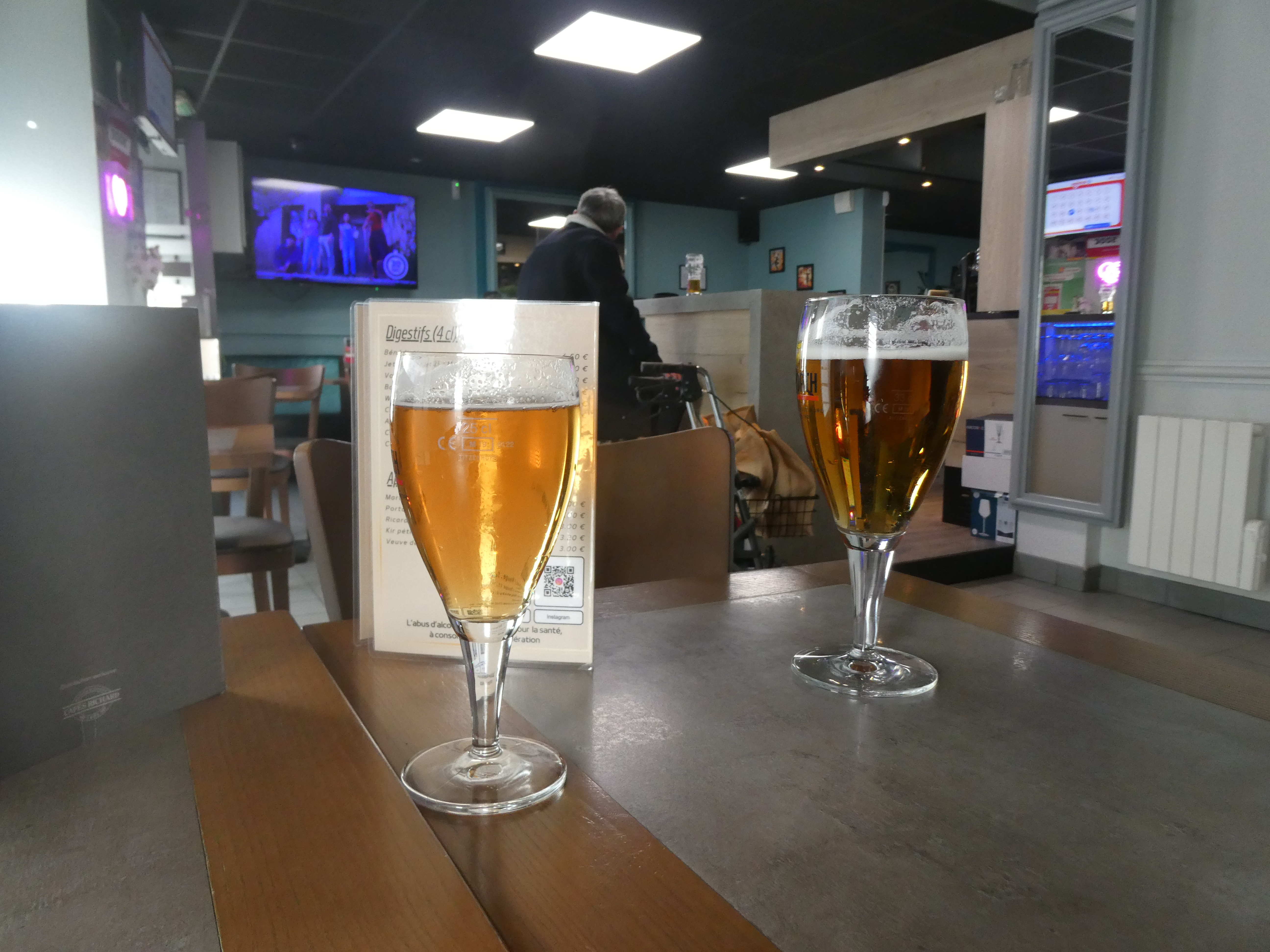
We’ve walked quite a bit since we left the tram, so when we happen upon a small cafe, we dive in- and it’s a little gem; a tiny, cosy cafe dedicated to all things…Anglais- There’s Union Jack bunting, the walls are adorned with pictures of the royal family and there are traditional British treats like scones and Victoria sponge on the counter. I’m aware that it might appear odd for us to be charmed by coming across a British-themed cafe, being British ourselves, and we do, of course, love all things French, but it’s a novelty we can’t resist.

So we order scones and tea and settle at a table, discovering, on a shelf next to me, a range of masks, supposedly iconic British persons- an eccentric selection consisting, among others, of Prince Harry and Liam Gallagher.

In addition to all of this, the toilet is wallpapered with a huge photo of the entire royal family and boasts various Brit-themed knickknacks.

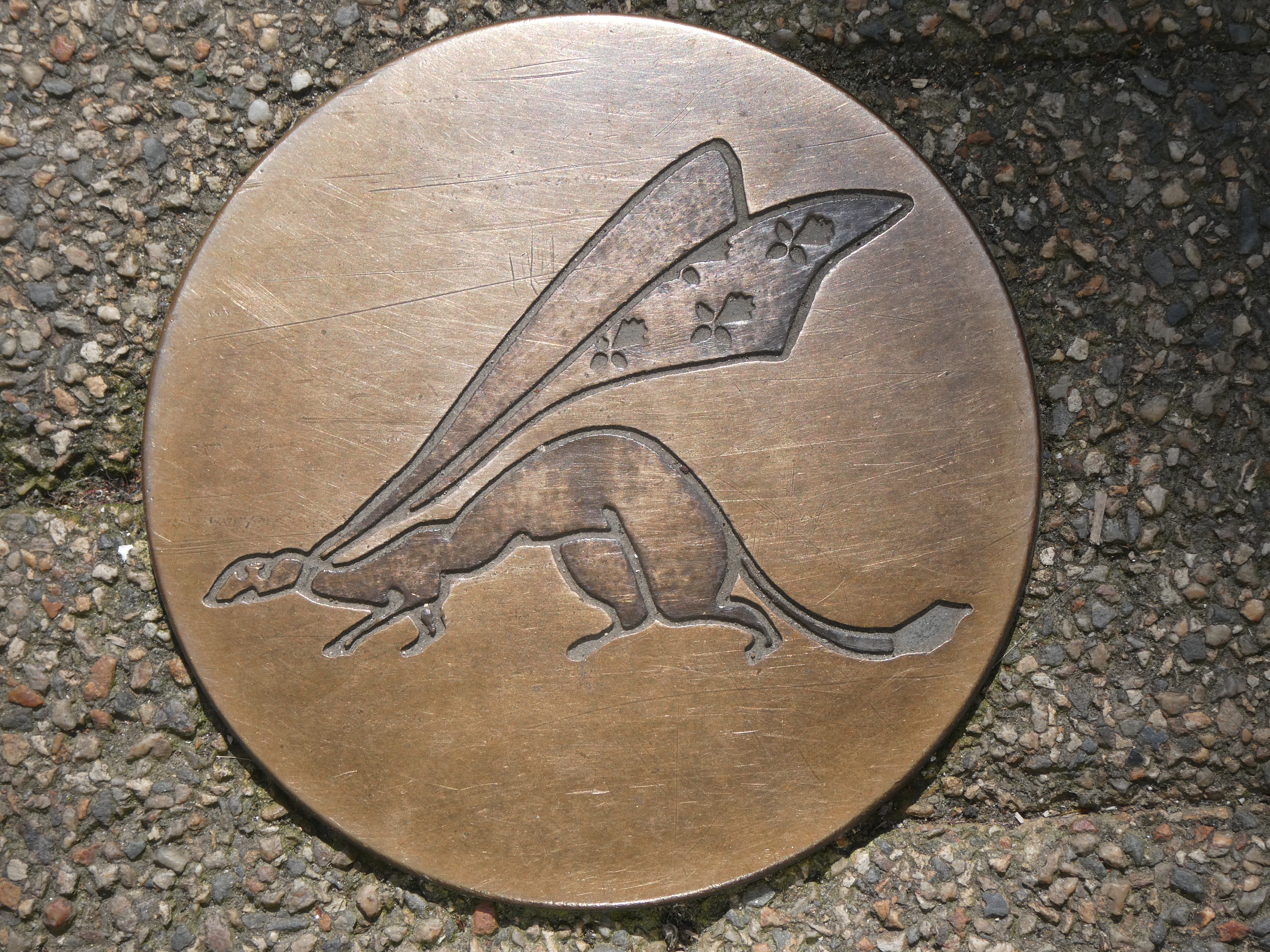
Having spent an enjoyable time in the cafe, we’re reinforced to continue, and once we’ve turned the corner of the block and emerged into a large square, we can see what we’ve come for: The massive, working, walking, flying machine beasts of Nantes.

We’re in luck, because the elephant, which is the biggest and most impressive beast, is about to walk out of the entrance of the hangar, carrying a load of enthusiastic passengers and piloted by a man driving a ground level motor. It is a wonderful and thrilling sight as it places its giant, mechanical feet at each lengthy step and makes its slow, majestic way around to the back of the hangar.
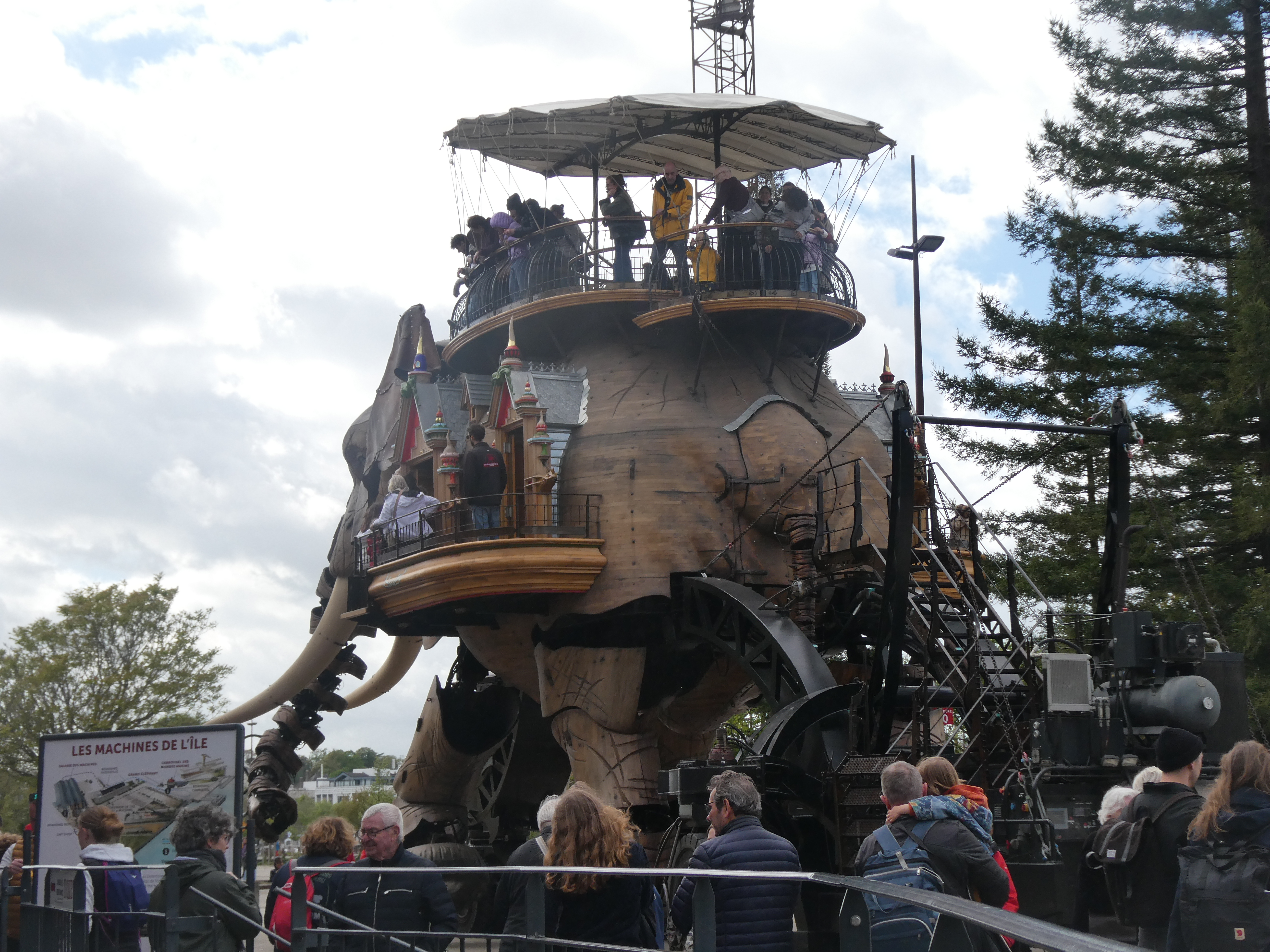
We’re excited enough by the elephant to want to see the remaining beasts demonstrated inside so we buy tickets and wait, alongside the many other visitors while the previous ‘tour’ is concluded. The machines are fascinating- a huge bird [a phoenix?], a chameleon whose tongue shoots out to catch a bug, an enormous spider with luminous eyes. Some have paid to ride the creatures alongside the operators, pulling handles to create movement. We are, of course, flummoxed by much of the narration but this doesn’t seem to matter.

Before leaving, we visit the gift shop to see if there’s a little something for our naff shelf, although there really isn’t anything cheap or nasty enough. We settle for a tiny tin of sweets bearing a picture of the elephant, which feels like copping out.

That, then, was a fitting finale for the day in this amazing city and we retrace our steps back to the centre to find a tram that will take us back to our site. We’ll be off again in the morning- but not home quite yet.

Novels by Jane Deans [Grace]: The Year of Familiar Strangers and The Conways at Earthsend. Visit my website: janedeans.com
Nantes at Last

Arthur: the young man in reception’s name tag informs us. He steps around his desk towards us, all other staff being occupied. It’s clear from the outset that we’re not the standard of tourers he’d like to be welcoming to the site, as a curling sneer hovers around his lips.

I begin in my [not too shabby] French. Here I feel compelled to add that plenty of Frenchmen and women have complimented me on my delivery of the language. The exceptions have tended to be young men, like Arthur.

‘Would I prefer him to speak English?’

I capitulate. He casts me a pitying look and tells us that only the most expensive pitches are available. I look at him. Does he assume, then, that we don’t appear as if we can afford it? Husband steps up. We’ll have 2 nights!

In spite of little Arthur, we make our way to the posh pitch- although I’m at pains to see why they’re more expensive. It’s a small patch next to a tiny square of grass with a picnic table. The piece de resistance seems to be the shed type building, to which we have a key. No- this is not a personal bathroom- this is indeed a shed, containing a scruffy, cold water sink, a fridge [useful] and some loungers. I’m not sure whether these will be used given that the pitch is almost entirely shaded- still, we’re not here to lounge around.

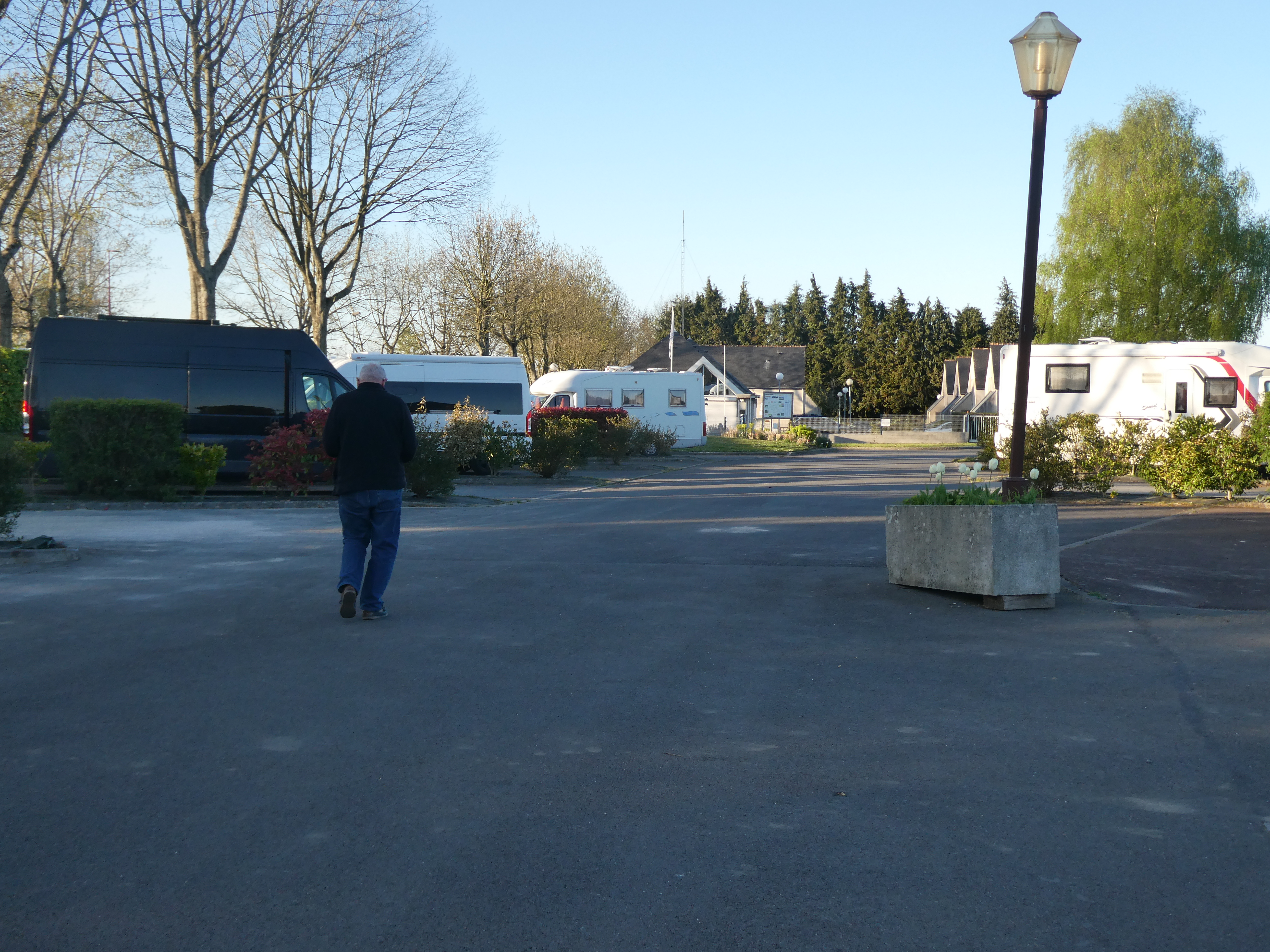
Where are we? We’re at Nantes- in a site we’ve attempted to get into before with no success, it being stubbornly ‘complet’, hence the fact that we’re prepared to pay extra for the pitch. Otherwise the site is fine- if pricy and has a bar/cafe of sorts.

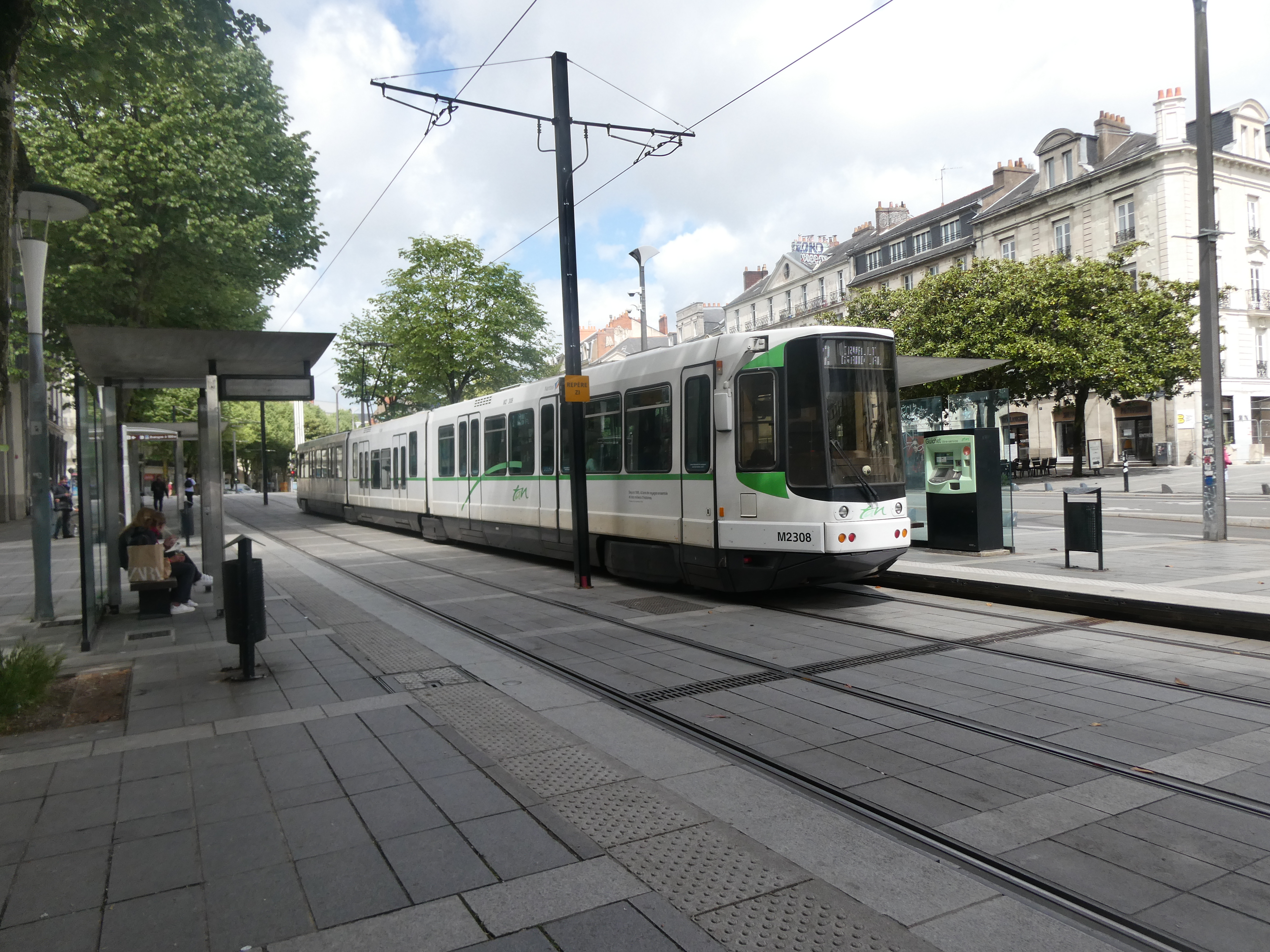
We’re on a tram route into the city. We need to work out how to buy tickets, then we’re set. It’s just a question of gauging when we’re at the centre. I have a slight moment of panic when our tram comes, Husband gets on and the door closes- leaving me on the outside, but when I press the door button it opens. All good; I’m not about to be stranded not knowing where to alight in Nantes.

Using the map on the wall, we take a guess at our stop and get off. First impressions are of a huge and imposing city with massive, elegant buildings and wide streets and pavements. Wow!

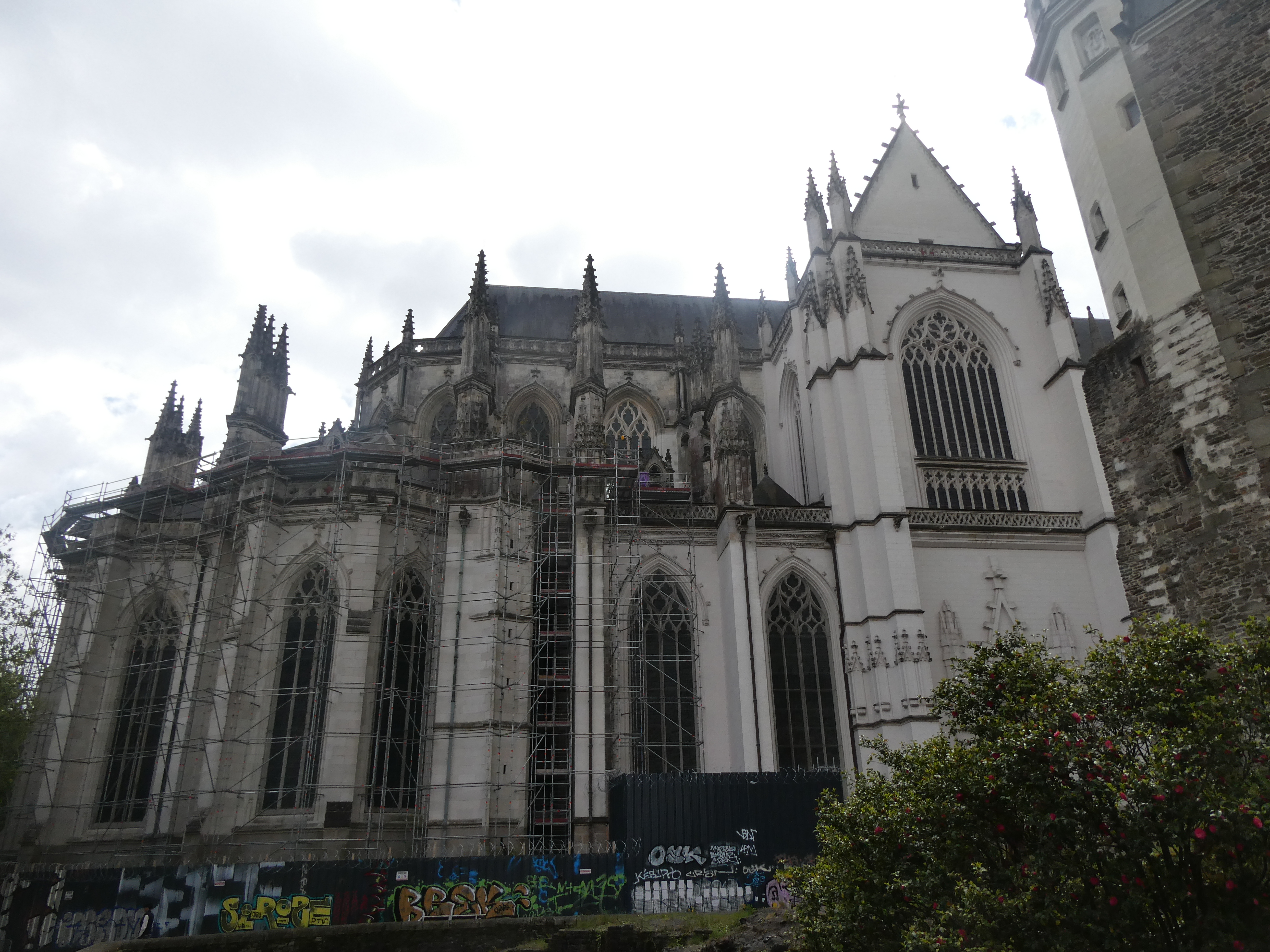
We’re not so impressed by the portacabin toilets near the cathedral, though. They are in a thoroughly revolting state and unusable. The cathedral is, itself, disappointing, since while the exterior looks wonderful, it is encased in fencing due to needing repairs from a fire. Ho hum…

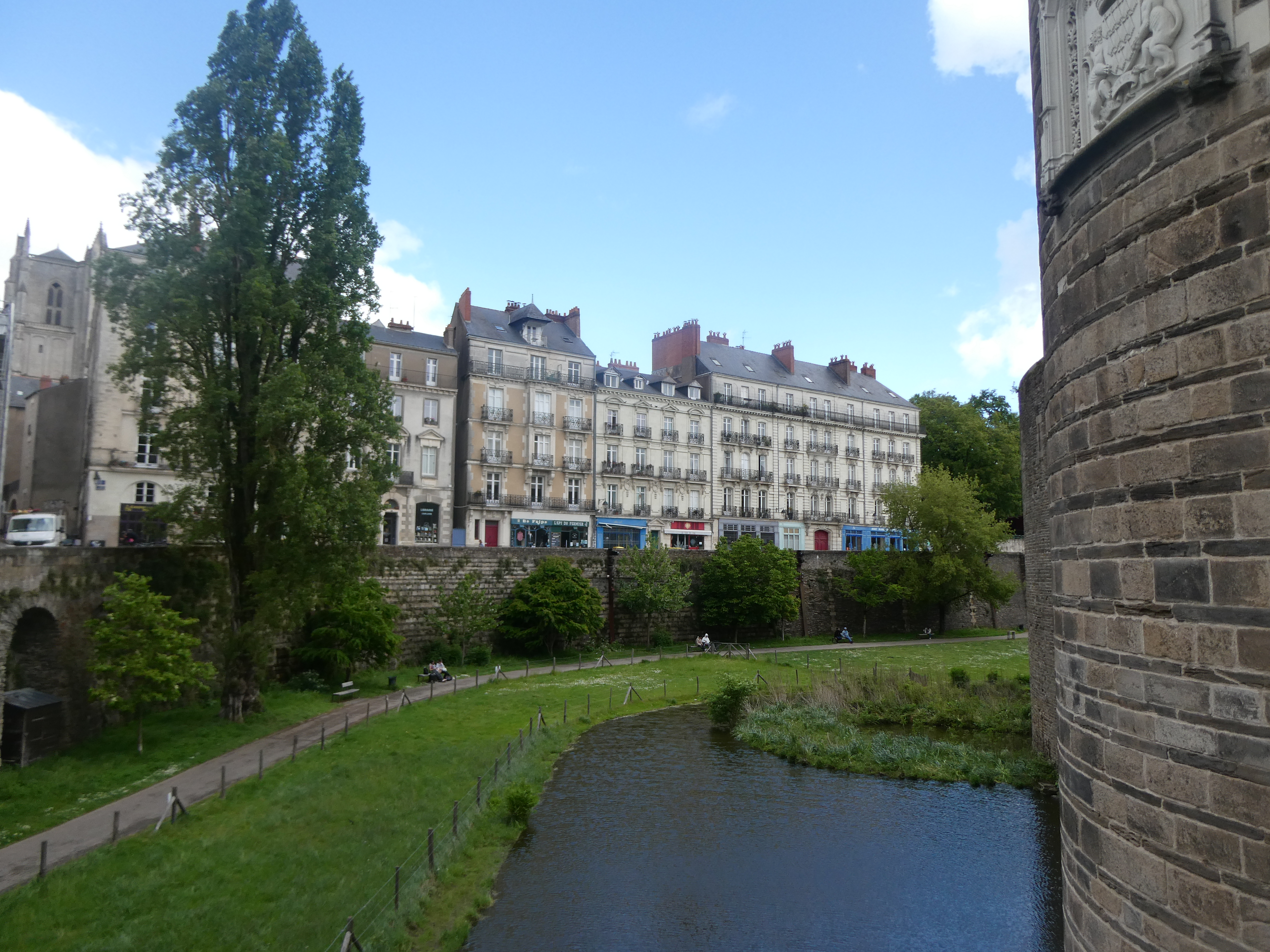
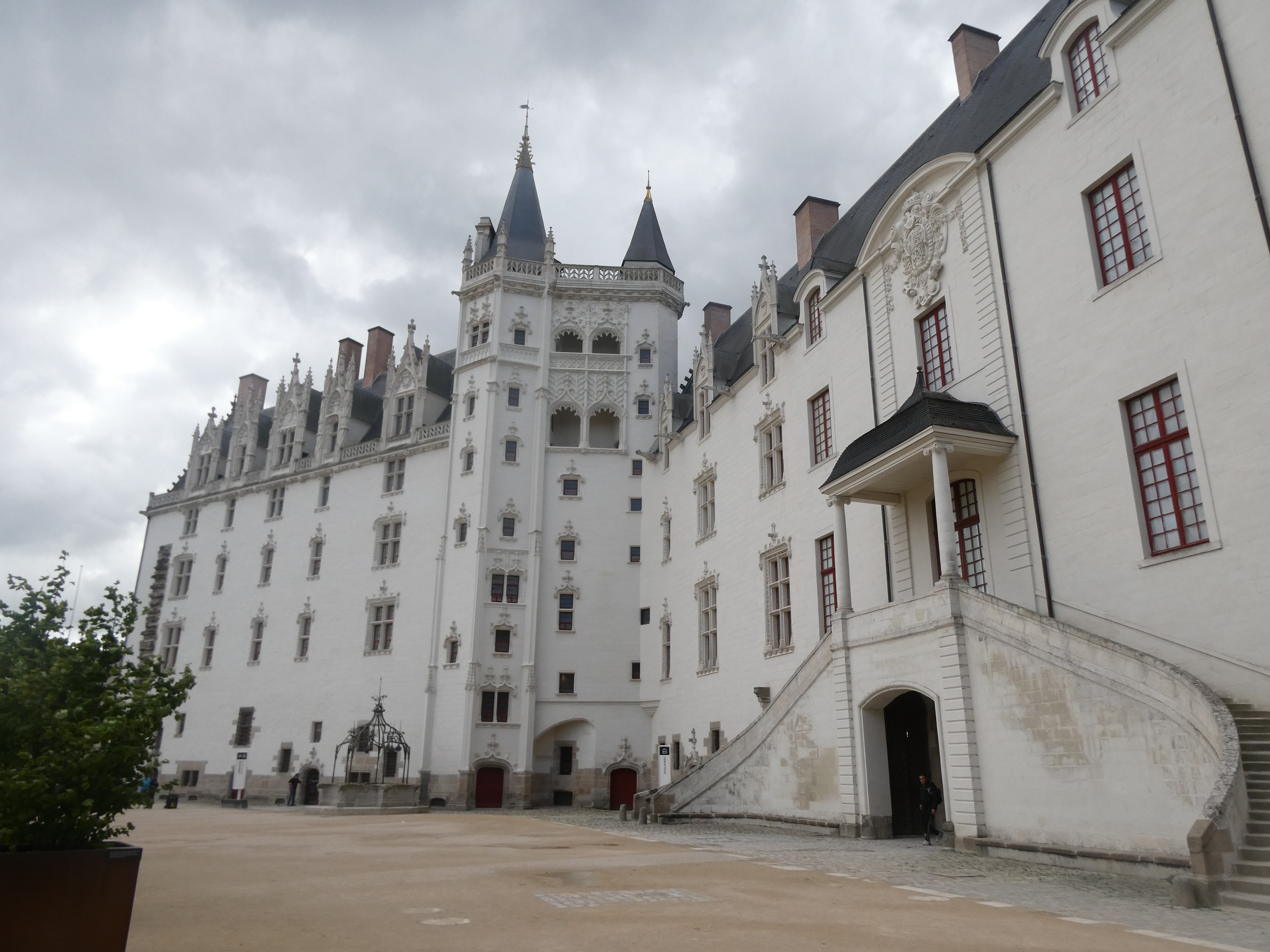
Nantes has a photogenic chateau with a big wow factor and great views from the top of the walls, which makes up for the cathedral’s parlous state. The chateau contains a museum, but there’s too much to see in Nantes for us to use up the time.

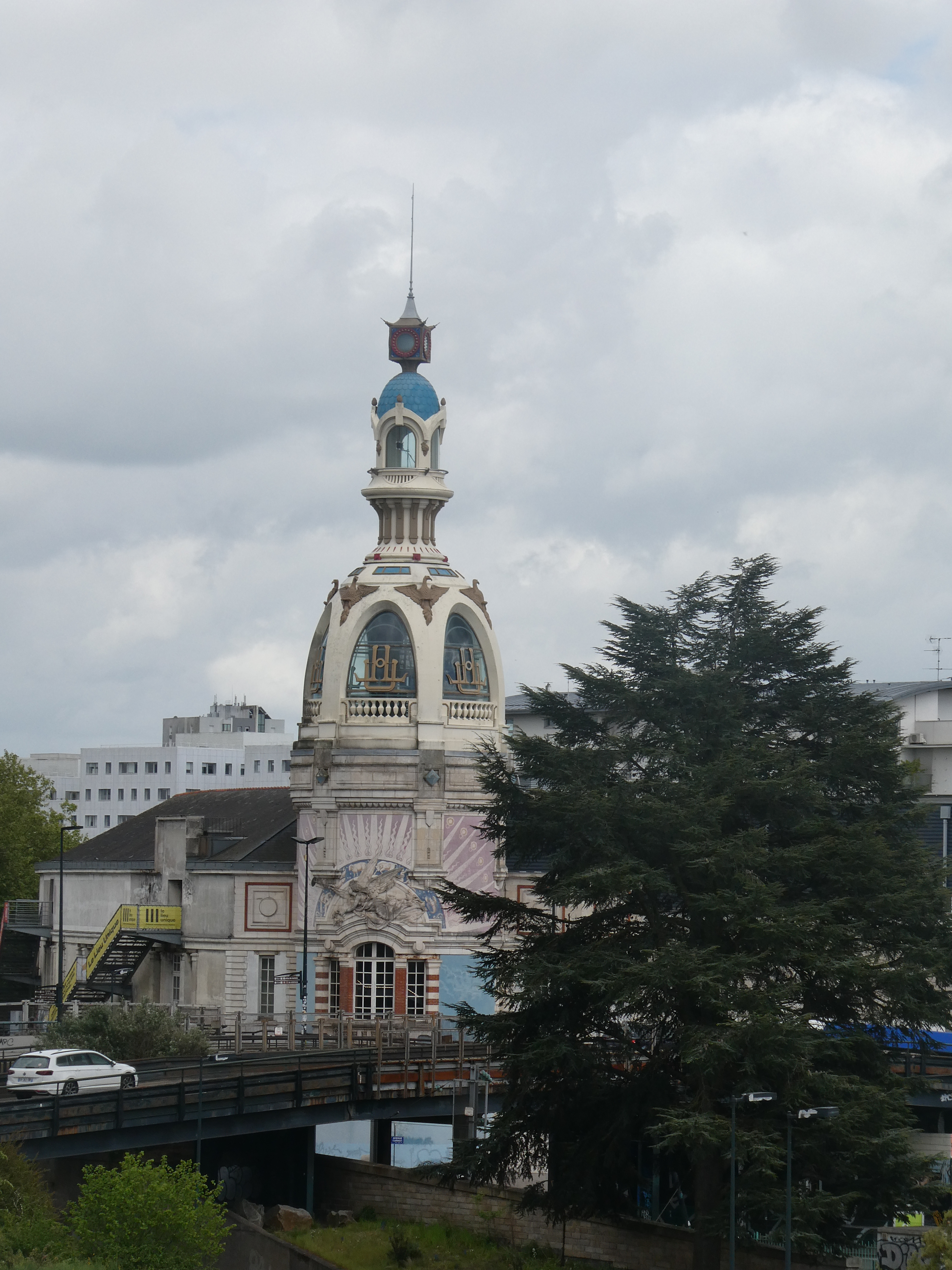
The majestic Loire travels through this city, dividing up for an island, the Ile de Nantes. There’s something thrilling to see on the island, so we head that way and across the footbridge…

Novels by Jane Deans [Grace]: The Year of Familiar Strangers and The Conways at Earthsend. Visit my website: janedeans.com
Les Portes and the Marais

Seasonova campsite at Les Portes en Re is very quiet and relaxing, with only a few neighbouring tourers and scarce occupants of the chalets. We can see that in high season there might be a bar, a re-purposed container near to the tiny pool, but so far there’s no sign of activity or opening. We’re close to the little town though, which has one or two bars and cafes.

The site does not have beach access but is close, meaning that we can walk and find a coast path, which we do. Les Portes has a wide, rocky bay and a sea wall. To begin with, the path leads down to the road and above us there’s a tiny chapel, apparently used as a weapons store during the war, destroyed by missiles and later rebuilt. I want to look inside, however it’s being swept and tidied by two women and there’s not really room for a third in the minute room, which has an altar and half a dozen chairs. I wonder if services are conducted here?

The road changes to a country lane, the verges bursting with wild flowers. We dive through a gap and get back towards the beach, where we’re almost entirely alone, walking along by the dunes, which are fiercely protected with fences and signs.

When the weather turns changeable, with some rain, we become tired of incarceration, put on rainwear and set off into the marshes. The marais has a character of its own, flat, windswept, dotted with reed beds and old salt production ponds- some still in use, as forlorn signs proclaim. It’s a paradise for bird life, of course. The rain becomes more serious, then we stumble upon a barn-like visitor centre with displays, videos and a wealth of information about the marshes, as well as a small gift shop. This occupies us until the rain subsides enough for us to return.

The main bar/restaurant in the town square has a good menu, ideal after an inclement day, so we take advantage. This time we go for crevettes instead of oysters and I’m not disappointed, but I’m hoping this isn’t the last chance for them before we go home! It’s too chilly and drizzly to sit outside and the small indoor area is busy with customers- one big group next to our table enjoying drinks.

Next day we’re off to the coast path again- this time in the opposite direction, which requires clambering up on to the wall and a careful step along it, then on to rocks before the path plunges into woodland. At last we emerge into a small car park sporting a cute, rustic composting toilet…On our way back past the supermarket we’re delighted to discover an oyster vending machine.

By now we’ve probably exhausted all Les Porte’s offerings and it’s time to leave the small town and leave Ile de Re. We’ll begin the gentle meander back north, but we’ve not finished with seeing places yet. We’re about to go and look at a city we’ve driven past and round many times but never stopped to explore-

Novels by Jane Deans [Grace]: The Year of Familiar Strangers and The Conways at Earthsend. Visit my website: janedeans.com
The End of the Ile

We’ve done Bois de la Plage but we’re keen to stay somewhere different on Ile de Re, this time to the very end of the island. But first we make a stop at tiny Sainte Marie de Re, a very beautiful and cute village we’d driven around on arrival. Now we know that negotiating the narrow, twisty lanes of Sainte Marie is a very tricky business, so we park just outside and walk in.

When we’d driven round a few days ago, we’d been looking for a particular site, one which the SATNAV had decided was here [in fact it most certainly was not]. We’d eventually found our way to this first, chosen site then, after a quick look round, determined that it would not suit us at all- being very shady and a long way from everywhere].

It doesn’t take long to see Sainte Marie, which has little besides a quaint village shop, a cafe in a large, open square and a lot of pretty lanes.

Before we head off to the next option for a site, we need to shop. The major supermarkets [Intermarche, Leclerc and Lidl] are based at Ile de Re’s capital, Saint Martin. It’s a beautiful town but we’ve seen [and photographed] it before. This visit is purely for supplies. Leclerc is in the SATNAV, which is certain that we have arrived- but can we see it? No. It takes some time, driving backwards and forwards, into mysterious car parks and out again, before the supermarket is revealed- cleverly disguised as a barn in black timber cladding- with nothing to advertise its existence.

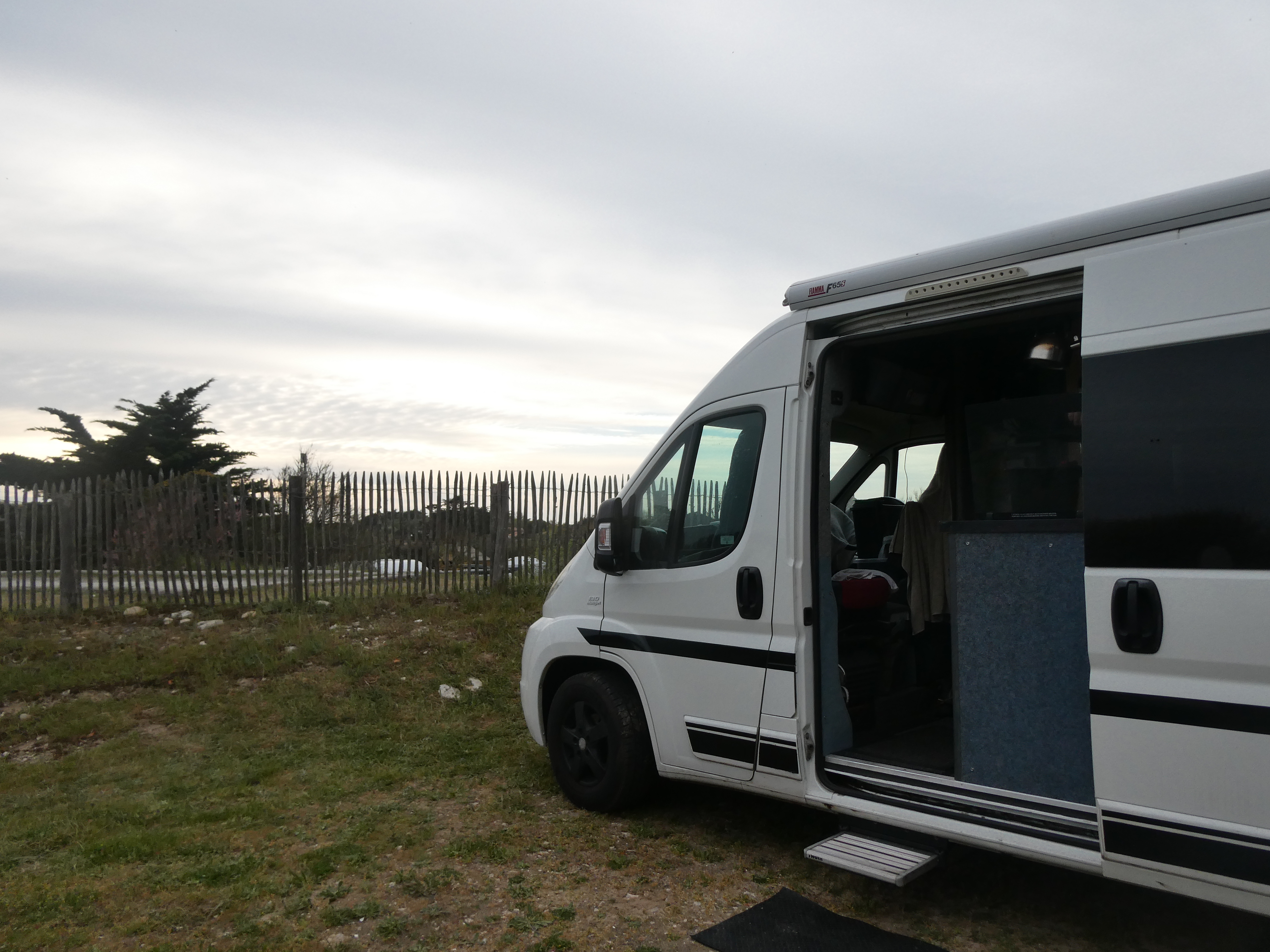
Stocked up, we make our way along to ‘Seasonova’, a site at Les Portes en Re, a quiet part of the island, passing the picturesque lighthouse [which we’ve visited previously]. Seasonova’s reception is closed for lunch, which is commonplace for French sites. Nobody is going to deprive the French from their leisurely lunches! The site is on the outskirts of the little town, by a large car park where the buses stop and turn, which is useful for us as we can also have lunch while we wait.

But we can also wander into the site to look round. It’s very quiet, with only three of four tourers parked up; even the chalets at the end are sparsely occupied.

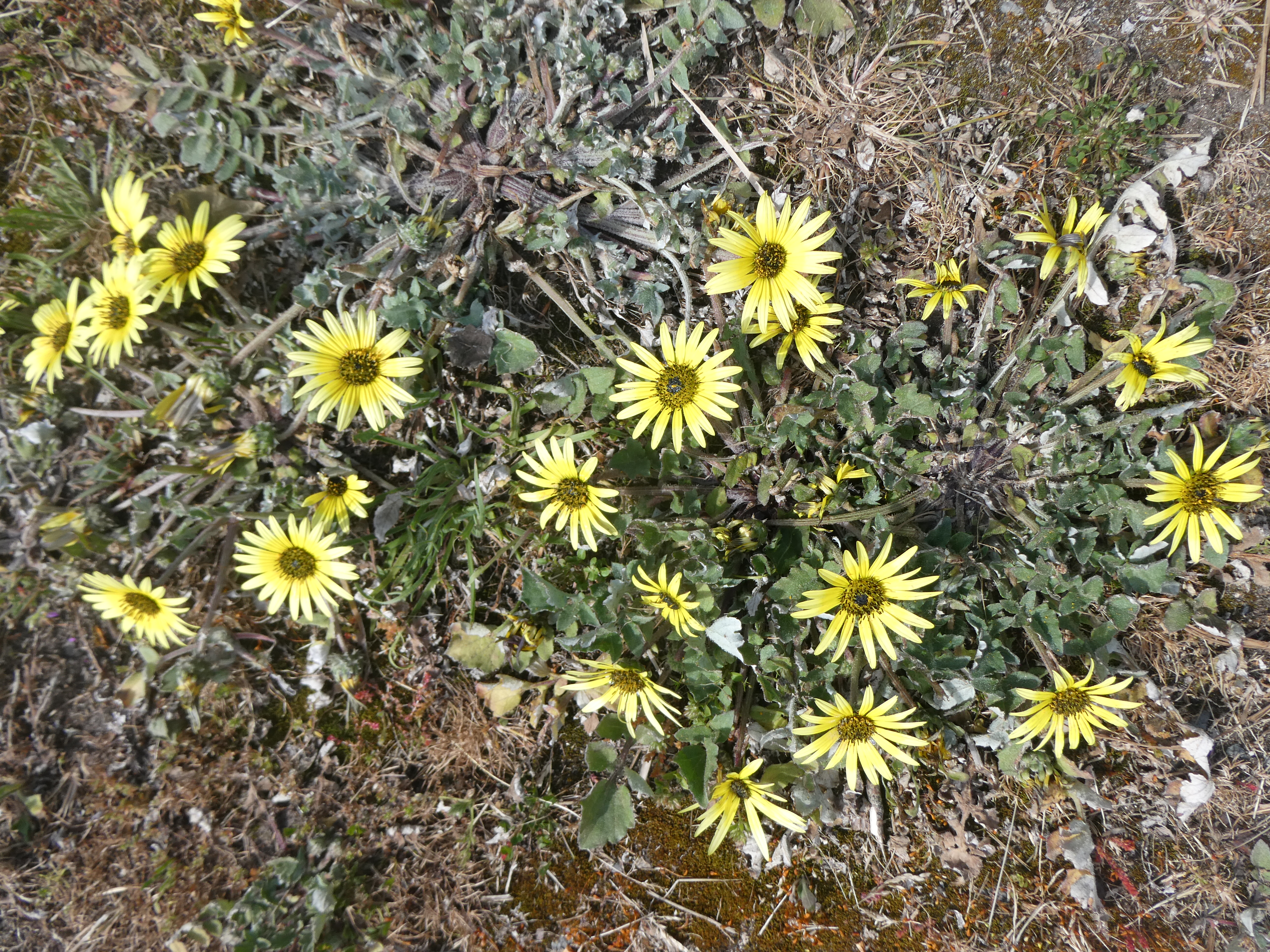
Reception opens and I go to check in, although the young woman behind the counter is pleasant but disorganised, answering the phone whilst attempting to get my details. But we’re in and on to a sunny, open pitch strewn with a carpet of yellow flowers- lovely.

Les Portes is clearly less visited than the towns and villages at the other end of Ile de Re. It’s bordered by the sea and the marshlands, a flat, wild landscape.

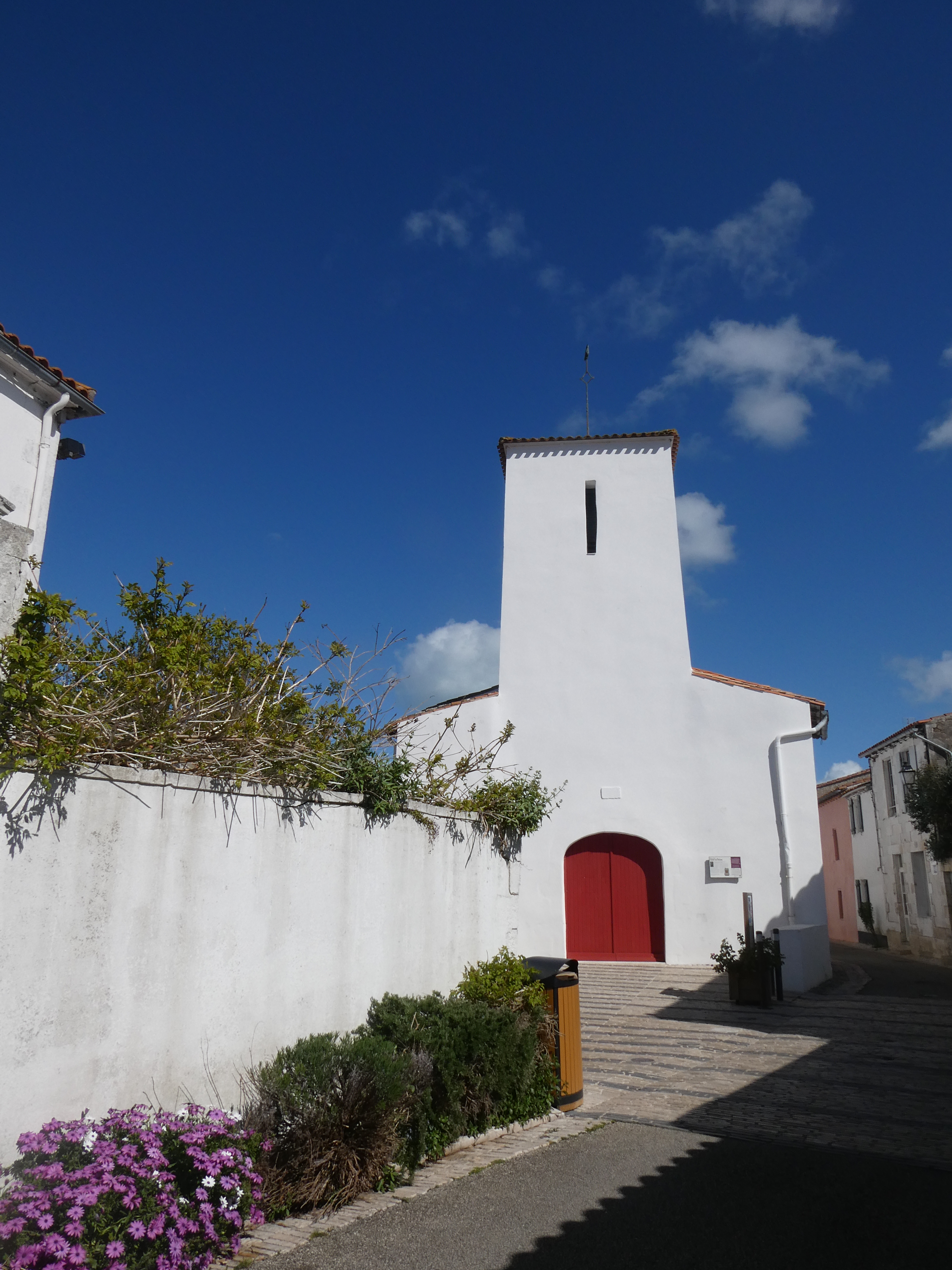
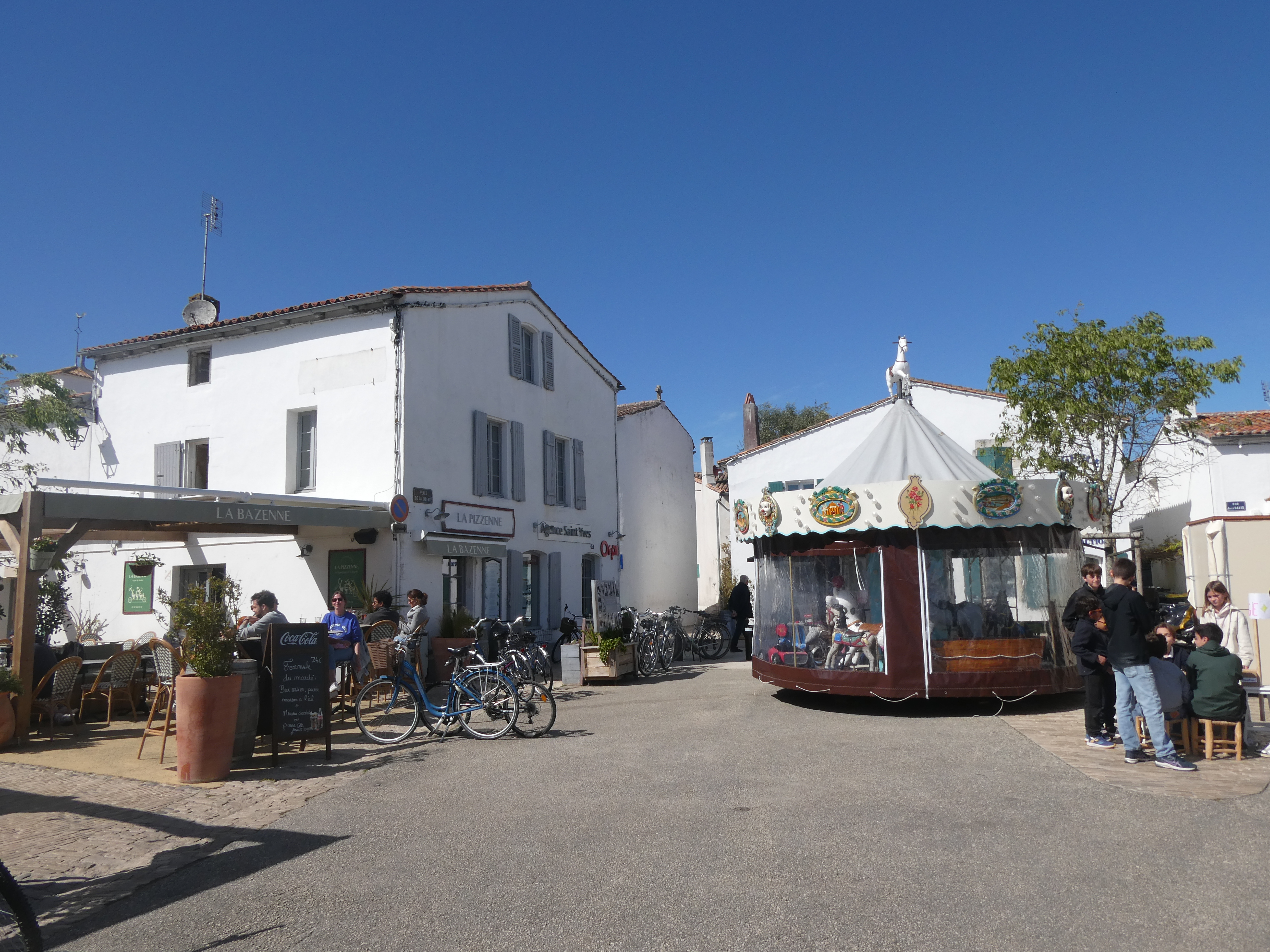
It’s an easy walk into the town, which has a few shops and a couple of bar/restaurants as well as a pretty church. The centre is bustling, with bikes, dog trailers and child trailers parked up by a tiny roundabout. We get a beer- and establish that yes- of course we can get oysters here!

Novels by Jane Deans [Grace]: The Year of Familiar Strangers and The Conways at Earthsend. Visit my website: janedeans.com
Wine and Oysters

The islands off the west coast, the Atlantic coast of France are all beautiful and all worth visiting for their individual attributes, but Ile de Re has a special place in the hearts of many, for a plethora of reasons. We haven’t visited for years, so this is the destination for this jaunt to France.

To get to this small island you only need to cross a bridge from La Rochelle- first paying a toll, of course, which pays for your trip there and back.

Once across, we only have a couple of miles to our first, chosen site, at Bois de la Plage. And it’s much as its name describes, a wood at the beach, the site nestling in the dunes, which makes it undulating but with a good choice of pitches. We select from the options- an elevated pitch, although the beach and sea are not visible over the next line of dunes.

There are more tourers here, even a few British, the first we’ve seen on this trip. however there’s a brisk, cool wind, so lolling around in the sunshine is less likely than at Vannes.

The island is a cyclists heaven and you could be forgiven for thinking it was The Netherlands, since the off-road cycle tracks are everywhere and busy with whole families or individuals in the saddle, enjoying the easy, flat terrain. Besides beaches and oyster beds there are acres of vineyards between the communities.

Nowhere here is large or sprawling, the biggest town being the island’s capital, Saint-Martin-de-Re. We’ve visited before [and photographed] so we’ll by-pass it this time. But we’ll take a look at Bois de la Plage while we’re here. It’s just a 15 minute walk from our site, along residential lanes, the homes white-painted, single storey with shutters and neat gardens- some clearly holiday homes.

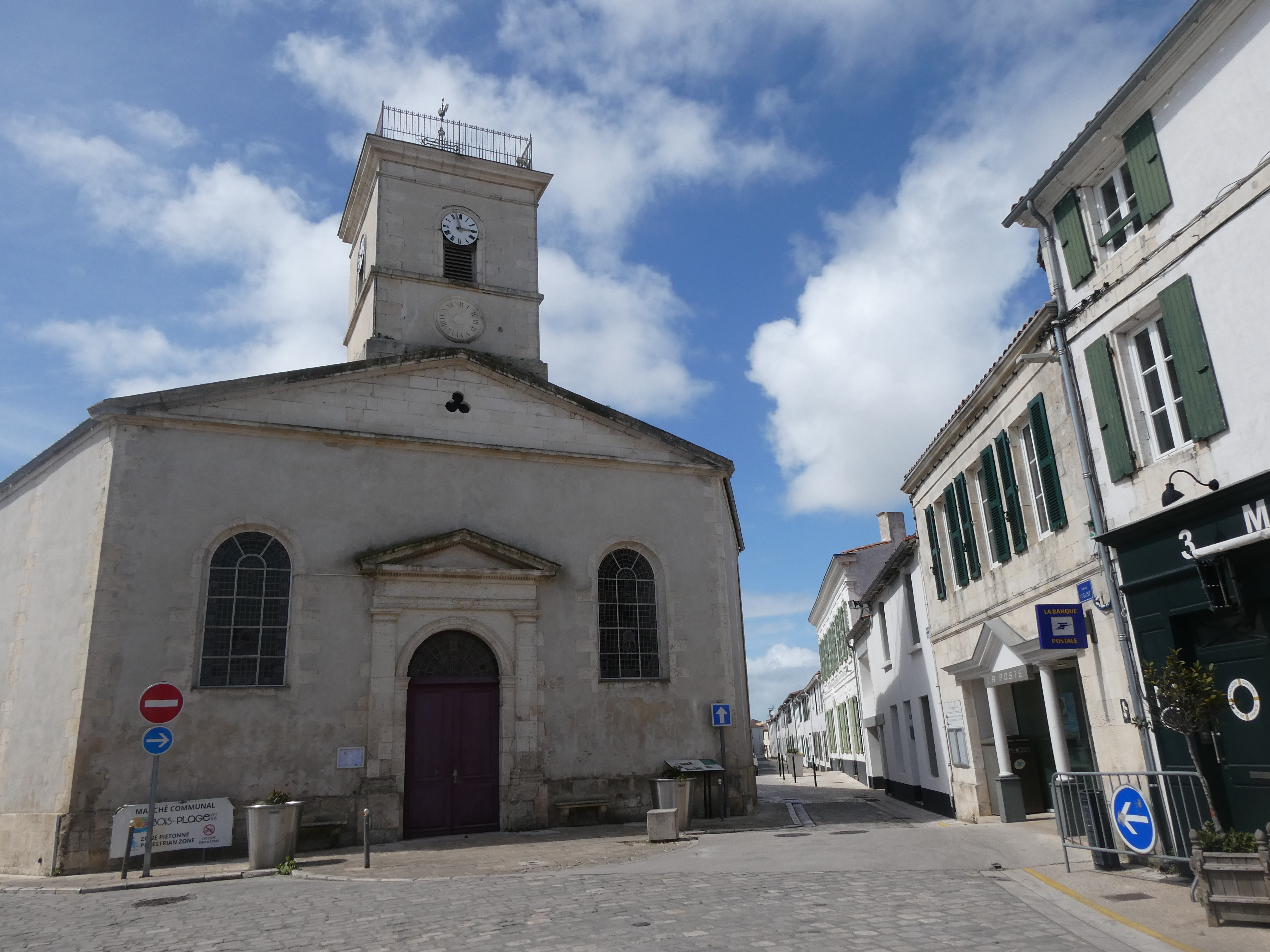
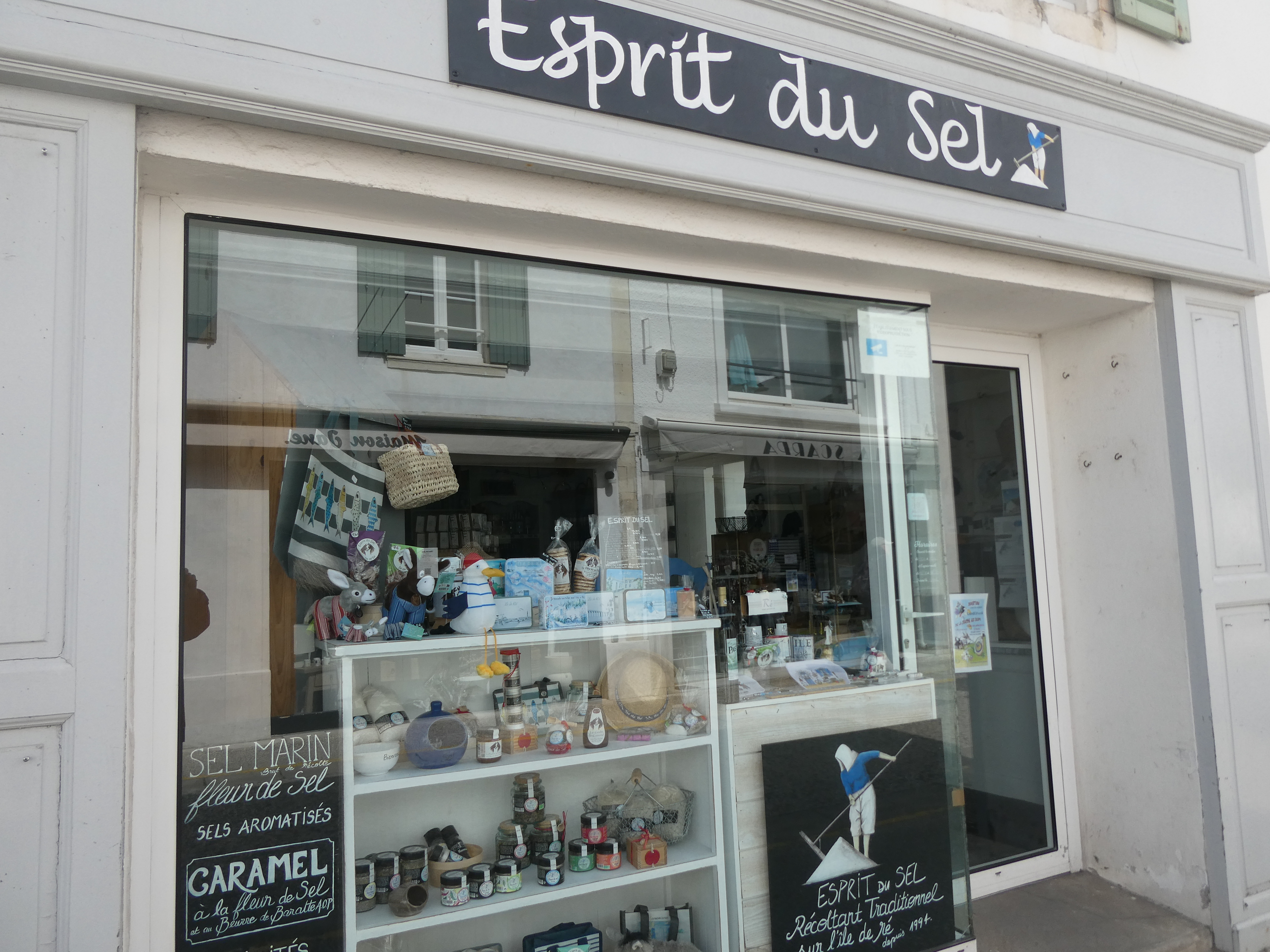
Bois de la Plage is not a throbbing metropolis and has a few small shops- a salt seller, shoe shop, florist, tobacconist. There’s an indoor market, closed today, a picturesque church and a few cafes. We’re on the lookout for somewhere to eat, and while a restaurant near the beach looks lovely, the menu is offering too much ‘tartare’ for our liking. One on a corner in the little town centre, though, Le Moulin a Cafe, offers a good looking menu and, crucially, oysters.

At the entrance to our site there is a bar/cafe, which is fine for a drink- and even has a selection of cocktails, although the food offerings are of the burger and pizza variety. It’s noticeable that French diners appear to be going for more fast food options these days. We wander down in the early evening but there’s a chilly wind and it’s not cosy inside the canvas dining and drinking area, as the breeze blows in.

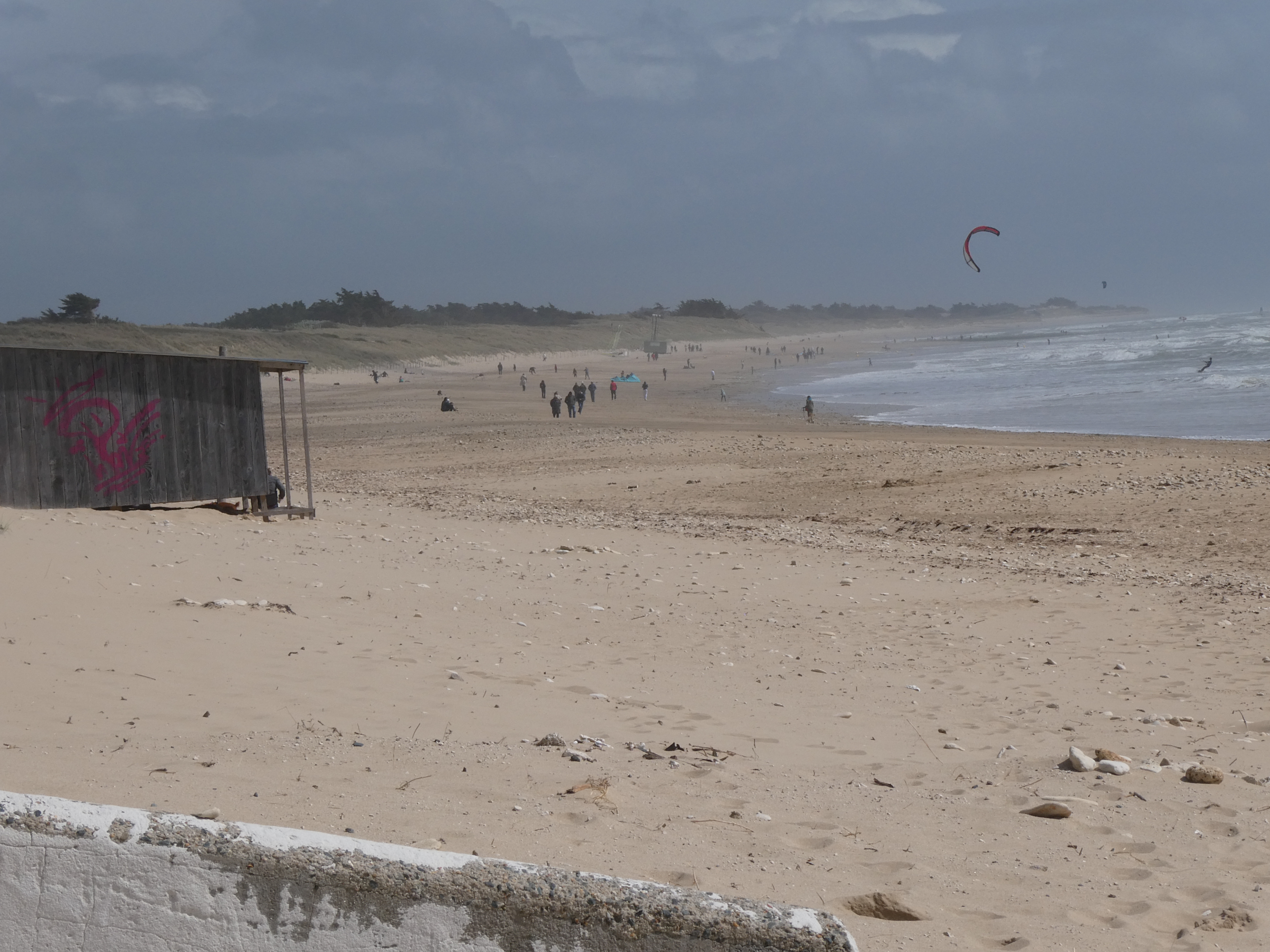
The beach here is typical of this French Atlantic coast, vast, sandy and with lively rolling waves, the kind of beach that surfers love, and one afternoon we return to our site along the sand, turning into the site beach access.

We go to eat at the Moulin. It’s a little quiet, which is unnerving, and we’re led into the back, but as usual we’re out to eat much earlier than the French so as the evening progresses more diners arrive. We have oysters. I didn’t try an oyster until I was in my fifties and immediately became a fan, which was a surprise!

It’s time to move on- but we’re not done with Ile de Re yet…

La Fuite

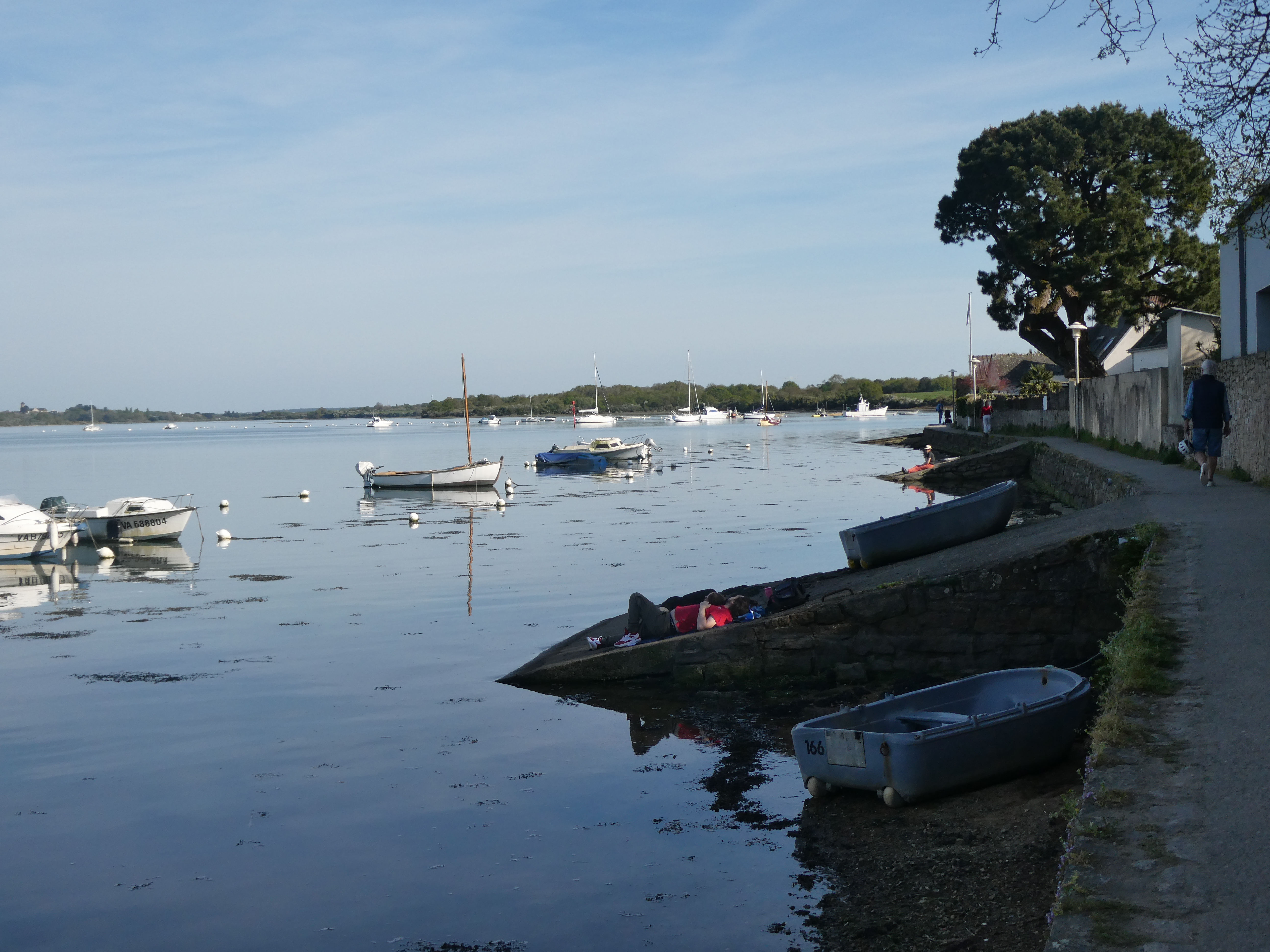
Vannes is a very pretty, medieval town in Brittany. We’re here for a few days’ second visit, enjoying beautiful warm sunshine for a walk along the footpath from our site, which begins in woods and emerges to boatyards, then a quayside thoroughfare into the centre of town. As we near the town it becomes landscaped with seating areas and planting. there’s a large concourse in front of the tourist information office, where the weather has brought out a lot of visitors, keeping the neighbouring cafes and ice cream vendors busy.

Vannes has a lovely network of ancient, half-timbered buildings lining its streets and a huge castle with attractive gardens. Near the top of the town lies the gothic cathedral. Everywhere is thronged with tourists, in and out of the gift shops or sitting outside cafes in the sun.

When we’ve had enough we spend some time searching for a bus stop with the correct number to take us back to site, but it’s easier said than done. We accost a driver, who tells us we’re in the wrong place for our bus and then, remarkably, offers to ferry us up to the bus station, saving our sore feet.

The site’s bar and cafe is open for cheap and cheerful meals. It’s not an extensive menu but the ‘faux-filet’ is very acceptable. We have a lazy last day in the sun with an evening stroll down to the shore for an ice cream.

We’re on the move again- southwards to make another stop at Bretignolles-sur-Mer, which is also known to us, although the site Husband has selected is also known to us and we know it’s a long way from Bretignolles’ tiny centre or seaside and opt to try another, which, as it turns out, is cheaper and more convenient,

We’ve pulled off the track and on to our pitch when some neighbours make us aware of a trail we’ve left along the lane. ‘It’s fine,’ I tell them, ‘it’s water.’

‘Non, non, non! they reply. ‘C’est gazole!’

Yikes! Diesel is leaking from our van! And it’s Saturday!

Husband crawls around on the grass underneath. His verdict: it looks to be the fuel pipe. The mood turns gloomy. I search online for garages, finding a local one with a 5* review from a British motorhome owner, which looks promising. But we can do nothing until Monday except find out exactly where the place is.

We set off on foot to follow the route on my phone, stopping to ask a man busily tidying his garden if he knows it- a man who retreats to find his wife [the English speaker], who immediately offers to take us in her car! ‘C’est normal!’ she cries when we say it’s too much. It’s just as well she did take us- it’s a fair way on foot.

In the meantime, while we wait for Monday, we set off to look at Bretignolles, which Husband claims we’ve never seen- and discover that of course- we have been here and it’s clear as soon as we get to the centre; the square with the uninspiring church, the market hall, the cafes, the little street with a few clothing shops. I even remember where the supermarket is. Not being an extensive metropolis, it’s soon looked at [and recalled]. I don’t feel like photographing it a second time.

On Monday we pack up early and make for the garage. I’ve prepared the French: ‘Une fuite dans le traduite de carburrant’ or thereabouts. We pull up outside. I slept badly and have that cold, stretched feeling of anxiety/exhaustion as we push open the door to reception. I launch into my speech- just as well I prepared as Monsieur speaks no English. He frowns irritably and sighs- not auspicious- and comes out to look.

Then he beckons the van up and towards the workshop and summons a mechanic from the depths. He delves under the bonnet, unscrews things, takes bits away, returns, screws things, bids Husband to start up, stop, start up, stop. He has a few words of English.

It gets done. ‘Phew!’ says Monsieur, laughing.

Then we’re off south.

Novels by Jane Deans [Grace]: The Year of Familiar Strangers and The Conways at Earthsend. Visit my website: janedeans.com
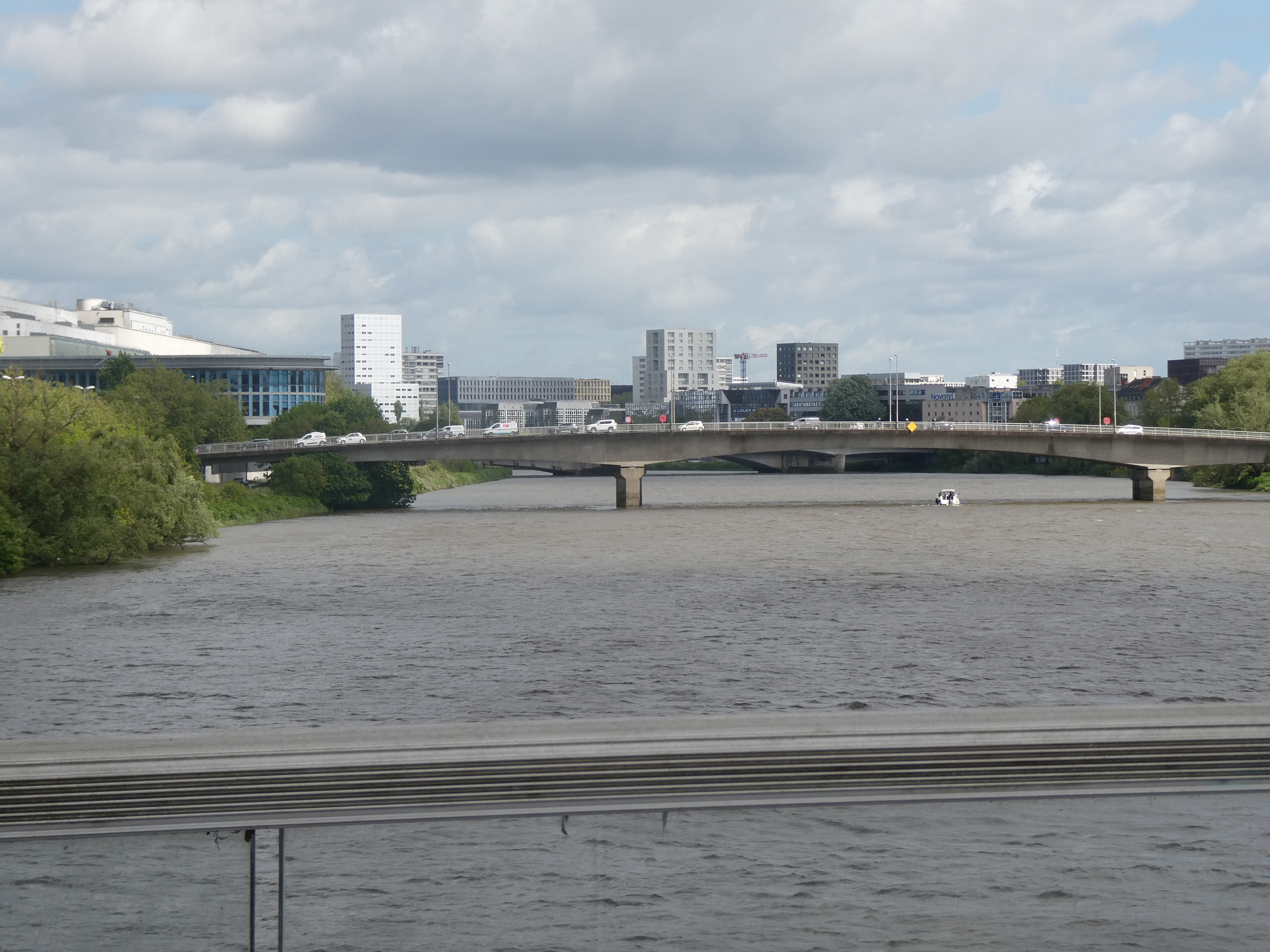
Van to Vannes

We’ve not been back long from Malta- but feel it’s time to get off somewhere in the van. There have been unfortunate circumstances punctuating our van travel in the last few years but we’re hopeful, now, that things have been resolved.

We won’t be doing anything exceptional, rather visiting familiar territory in easy, comfortable France, where vans and motorhomes are catered for better than anywhere.

Packing the van is never my favourite part of van travel but it gets done and we manage the early morning scramble [when I have to wrestle with the fridge contents] and short drive to our local port of Poole, arriving to a quiet check-in with only a few vehicles and even fewer campervans.

Then we’re on board and the sun is streaming through the windows as we exit Poole Harbour- a very beautiful area, for those who don’t know it- and enjoy Brittany Ferries’ coffee and pastries, which are very welcome. Then I do my usual descent down to the couchettes for a snooze and a read, which is really the only way to pass the four hour crossing. We’ve long since given up looking round the shop or wandering the decks. Other than one or two families with very young children or babies, the boat is quiet.

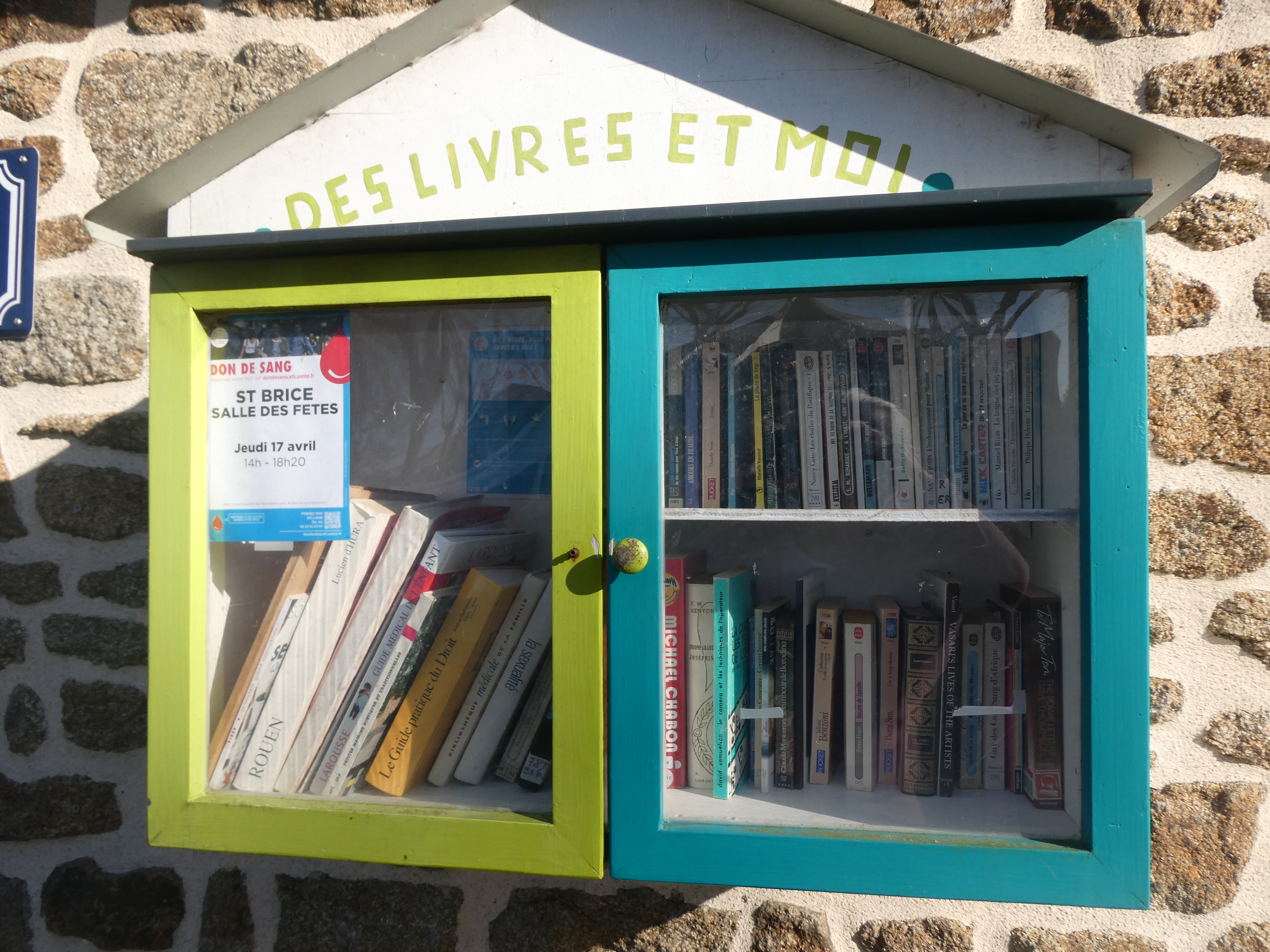
Once arrived, we go first to the ‘Orange’ shop at Cherbourg [known to us now] to get a SIM for our little mobile internet device- then we’re set. And we belt down our well known route, past Avranches, Mont Saint Michel etc until we arrive at Saint Brice en Cogles, a small town with a wonderful aire that we know very well having used it for years. There is always a new addition, an extension or an improvement to this free parking area with all services, in front of a cemetery and next to the police station! And we’ve a handful of French motorhomes for company.

The weather is too lovely to start cooking so we wander into the little town to find a bar- not easy this evening when most places seem closed. But the trusty PMU is open- although it’s not obvious- and busy with locals, so we can find a table and enjoy a beer- or two. Then it’s back to the van for dinner.

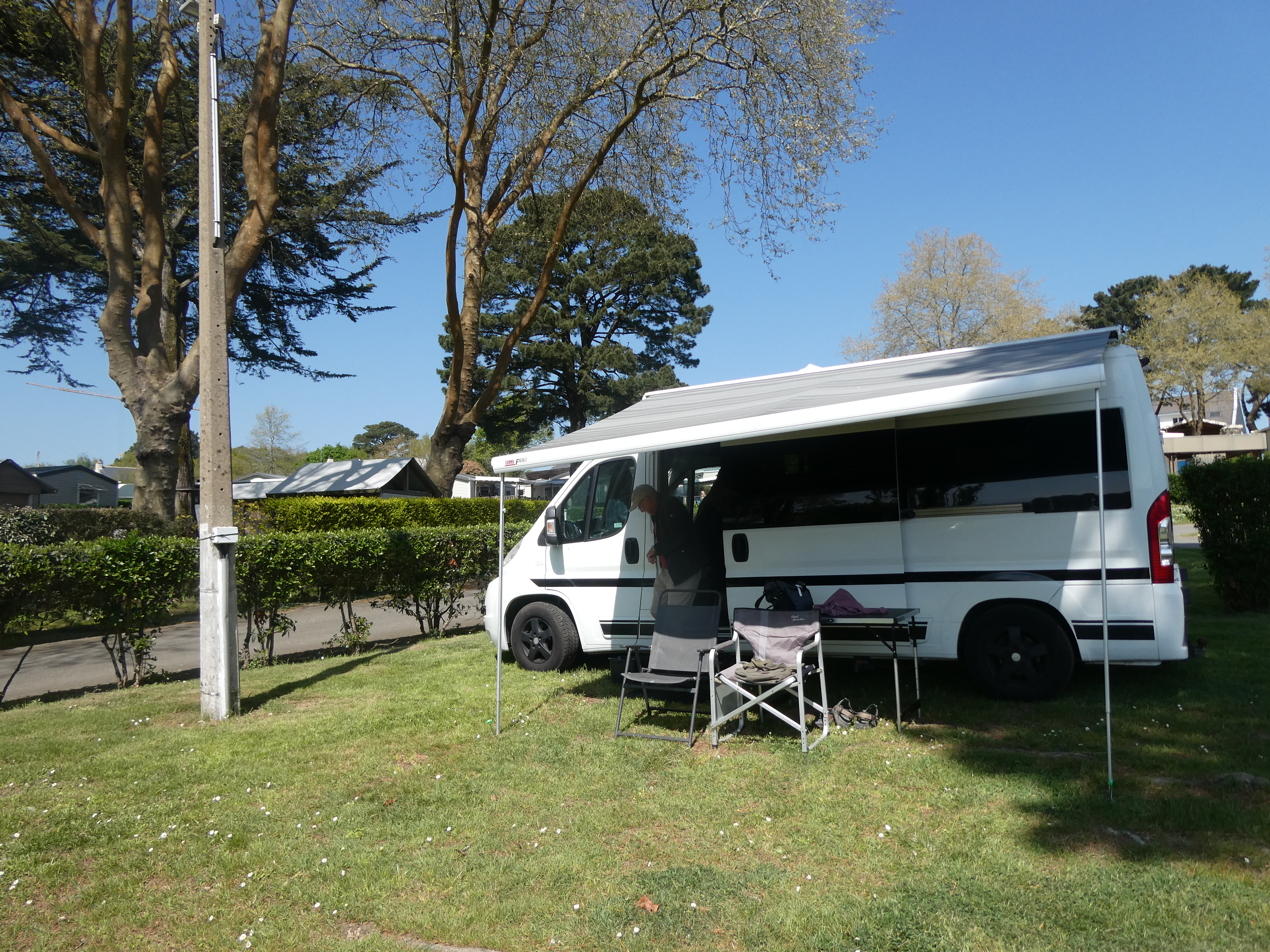
In the morning there are the usual chores- emptying, filling with water, ditching trash [taking great care over the recycling- the French are very particular in providing a range of bins] and we’re off again, heading south. And on to Vannes, Brittany, on the Gulf of Morbihan, to a site we’ve stayed at before- one of a chain of sites. Site chains are becoming increasingly common now. They can be more expensive than smaller, independent sites, but this one- part of the daftly named ‘Flower Campings’ conglomerate, is not too pricey, is convenient and offers all we need.

The skies over Vannes are blue, the temperature heating up and we’re here for a few days. We’ll take another look at the city of Vannes, which we can walk to along a very pleasant footpath and we can also relax in some much needed sun.

Novels by Jane Deans [Grace]: The Year of Familiar Strangers and The Conways at Earthsend. Visit my website: janedeans.com

Beer, Burgers and Beats

It turns out we’re not finished with festivals yet. I’ve spotted an ad for a local beer festival in a neighbouring village which looks to be hosting a lot of music as well as food. While it’s not far from us [just a few miles up the road], there’s no chance of getting home after an evening of beer without a loooong wait for a taxi [which we’ve done before[, And it so happens that there’s a site we can stay in very close to the host pub- The Three Tuns. It feels good to be using the van again, even if we’re sliding into autumn.

But by the time we’ve sprung into action, booking tickets and looking into staying, the site is very much booked up- due to the beer festival of course! We’re only staying three nights, however, and can manage without hook-up, so when we’re offered a pitch on the tent field we agree.

Bransgore is a large village on the fringe of the New Forest National Park and has seen an explosion of housing in recent years. It is popular, with a useful selection of shops, a couple of pubs, a primary school, cafes, a church and a garden centre.

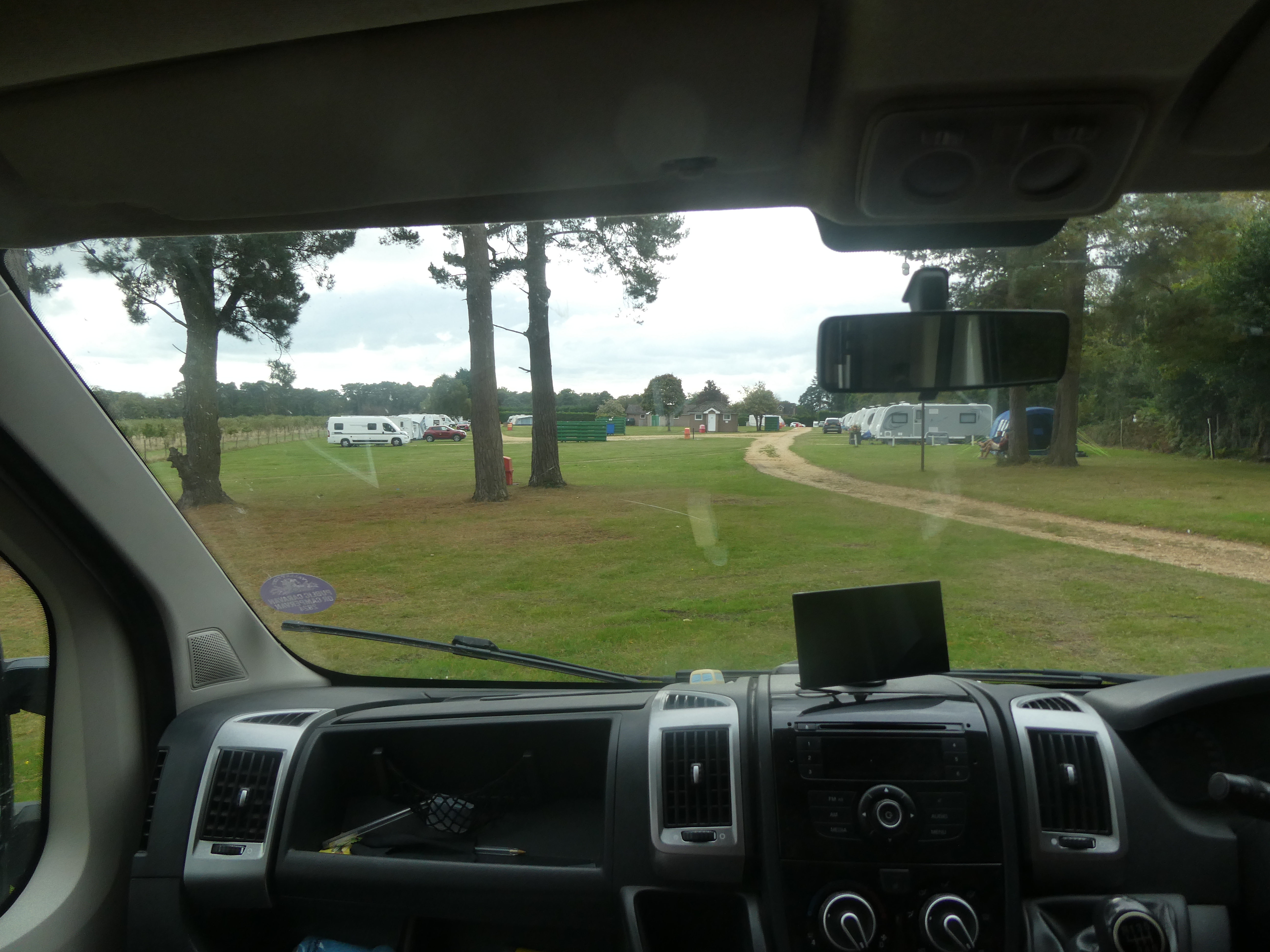
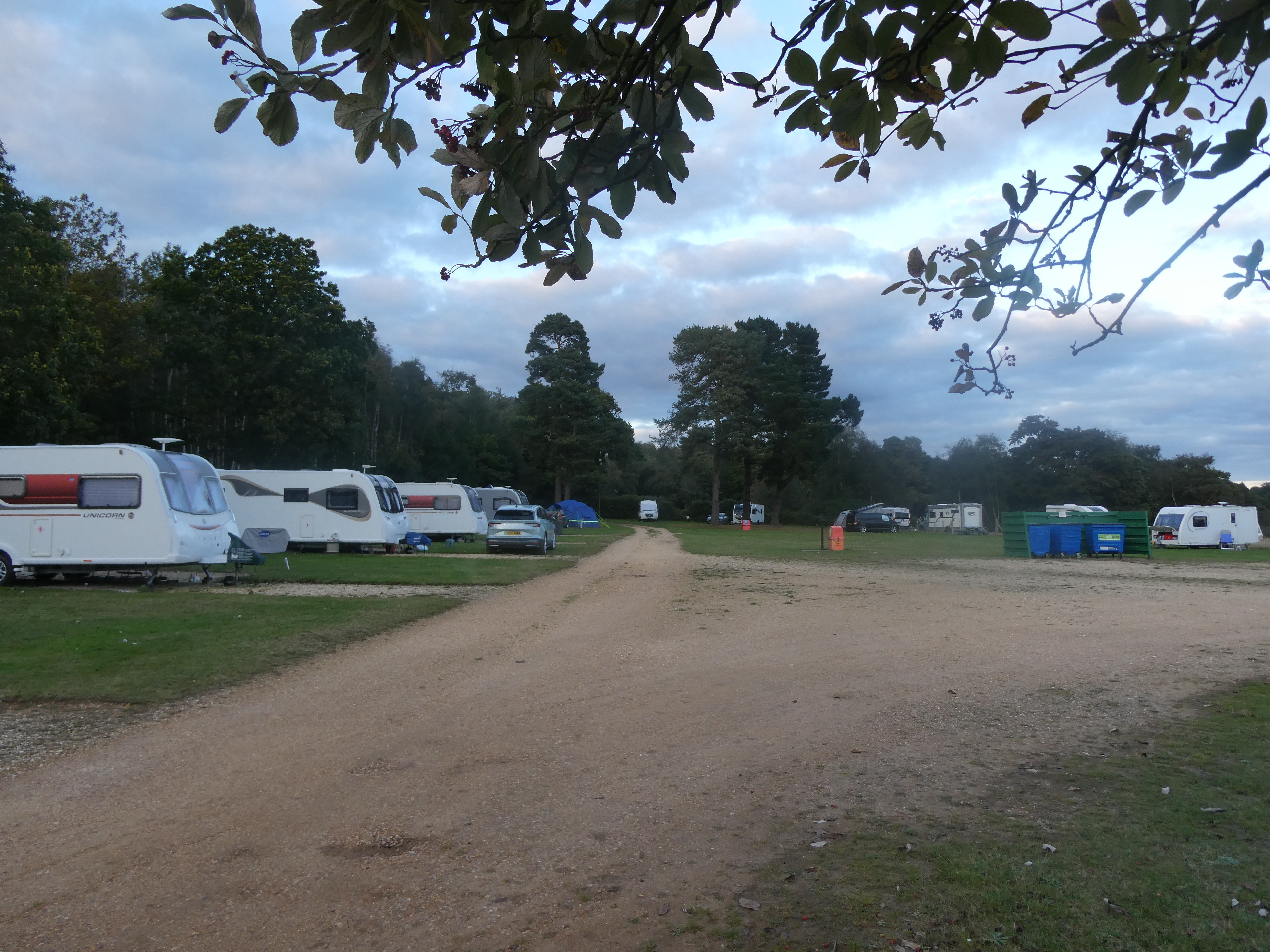
We’re in luck, discovering when we arrive that a hook-up pitch has become available. W park up next to a caravan where a lone man is setting up. He’s from Manchester, waiting for his brother to join him. There’s also a group of young men pitching tents, a rugby club, Reading, as the text on their gazebo declares, so perhaps we’re the most local festival goers on the site. While it’s quite sunny, the temperature isn’t warm as it might be for early autumn and I’m glad of the van’s cosy heating system as well as impressed by the tent campers’ hardiness [though they are from a rugby club].

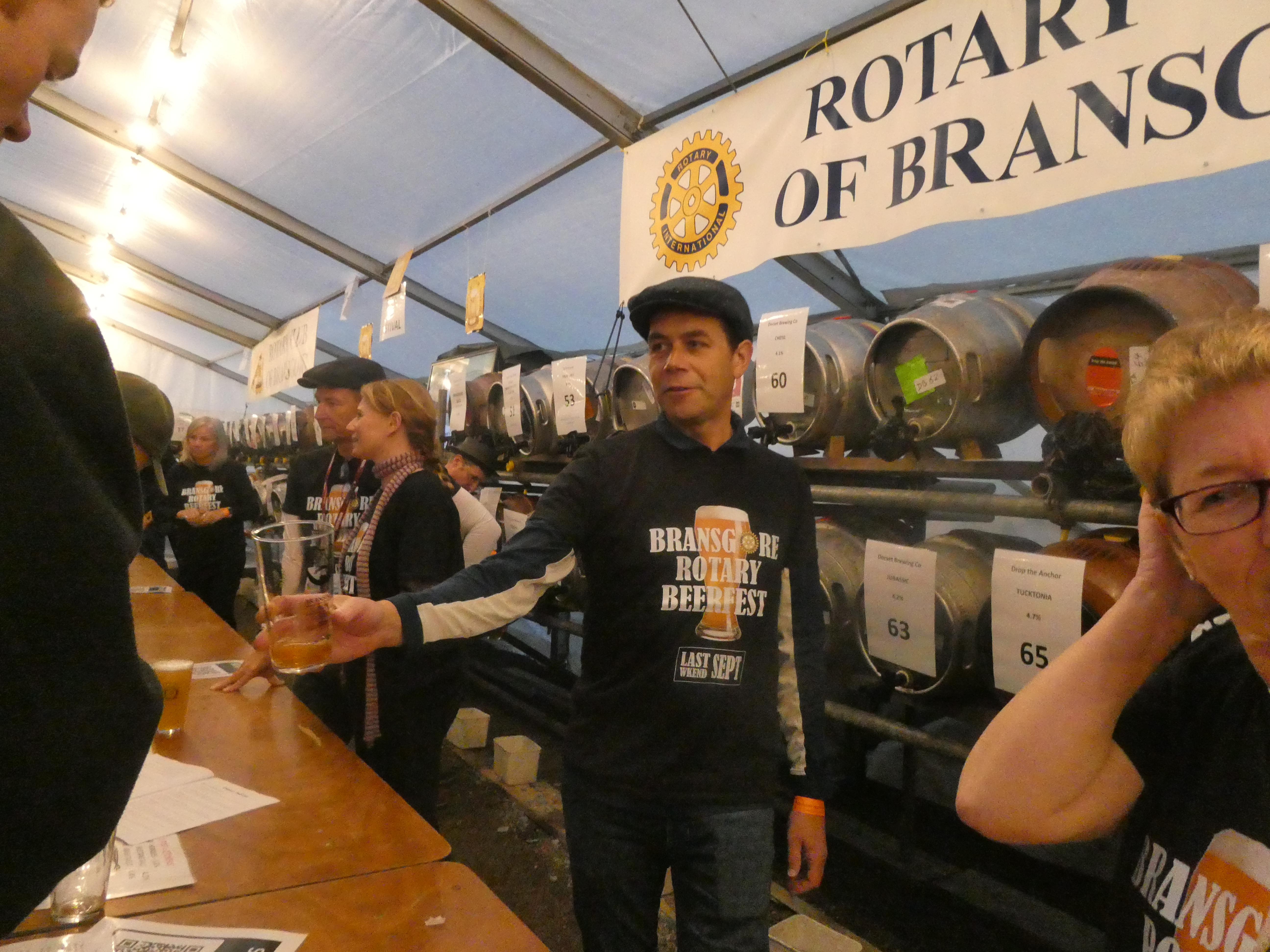
As twilight desends we make our way down to the pub. where the festival is well underway. There is a burger stall, which we intemd to patronise later, a large beer tent, its walls lined with beer barrels on one side and cider kegs on the other, a tent with a few tables and chairs and an enormous marquee from which music is already emanating. Having collected our tokens, we head to the beer tent to seek a menu for the beers and undertake the difficult job of choosing one. Husband is the beer connossieur of the two of us and I am the uncultured one, as I dislike anything too sharp and hoppy and prefer the richer, browner beers- or even a porter in the colder months. Neither of us, however goes for the mad, high-alcohol-content ones.

We’ve brought fold-up camp chairs with us and once we’re sorted with a drink we settle down to have a look at whatever band is playing. This is a local festival with local musicians. Mostly they’re playing covers, which is ok by me- except that I have an aversion to one or two songs that are variously overdone/not much good to start with. I object to ‘Brown-eyed Girl’ by Van Morrrison on the grounds that it has been done to death. I’m tired to death of Oasis’ ‘Don’t Look Back in Anger’ and I have always loathed ‘Your Sex is on Fire’ due to the idiocy of its lyrics. See what I mean?

We’re coping with burgers tonight- not generally a choice I make but a pragmatic decision springing from no desire to cook anything combined with not wishing to go backwards and forwards from site to festival. and there’s always tomorrow night…

Novels by Jane Deans [Grace]: The Year of Familiar Strangers and The Conways at Earthsend. Visit my website: janedeans.com

An Otter but no Beavers

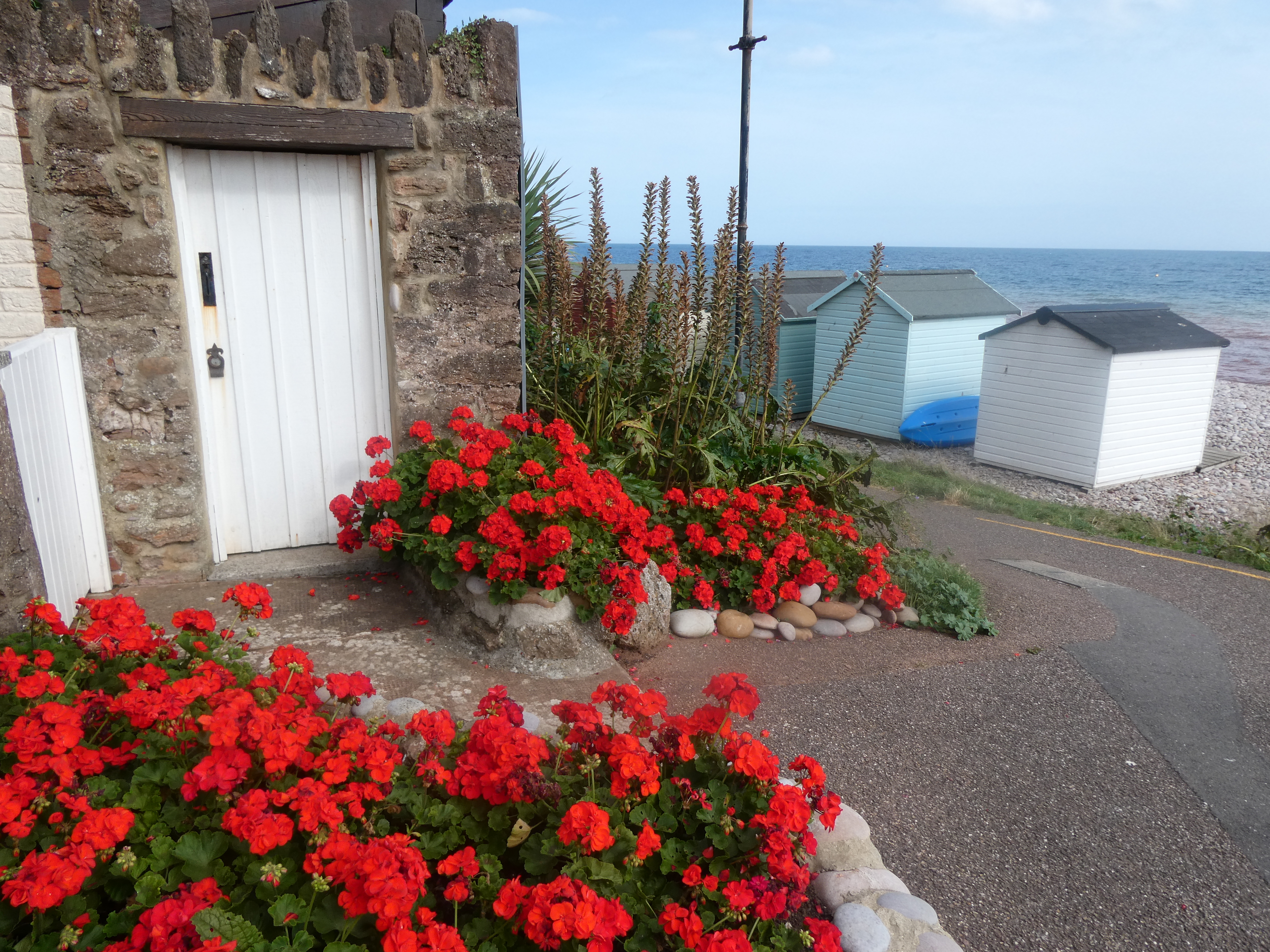
Having setttled in at the oddly named ‘Pooh Cottage’ site, we opt for a wander into Budleigh Salterton, along the lanes into the back of this tiny Devon town, then down to the front. Whlle Budleigh Salterton is a typical, British, seaside town it is pleasingly undeveloped, boasting no high rise hotels, lurid arcades or Bingo parlours. The beach is pebbly and fringed with a few beach huts, plenty of fishermen’s paraphernalia and a promenade. A cursory stroll on the prom reveals a little gem- a small, rustic seafood restaurant with all kinds of delicious-looking items. Rockfish Cafe. Over a coffee we peruse the menu and resolve to return in a day or two.

On our way back to site we stop in Knowle village and get a beer at the lone pub, The Dog and Donkey, which also offers a tolerable menu, meaning there won’t be a whole load of cooking going on before we get home!

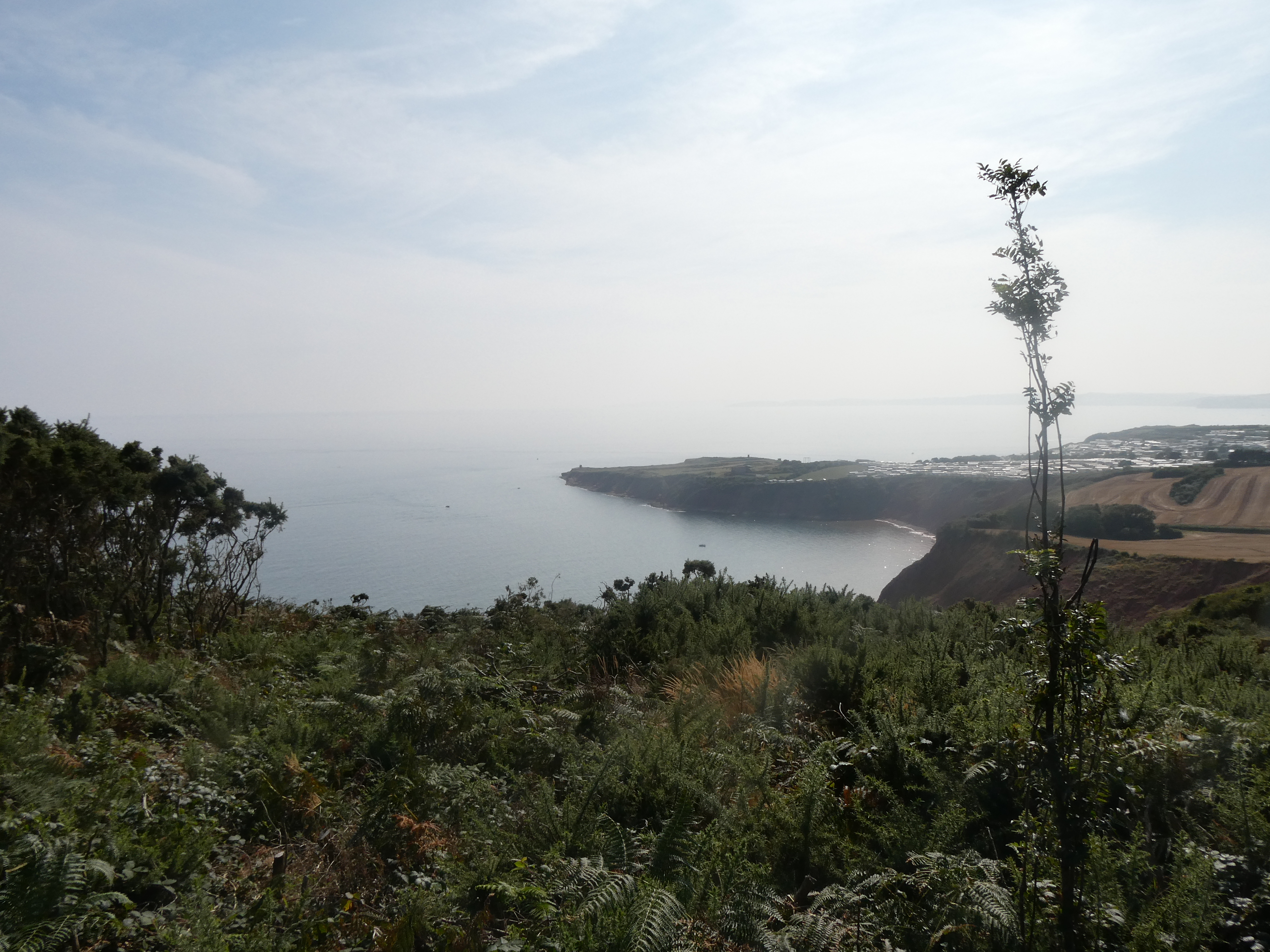
The weather is still good and we’re up for a good walk next day, striking out and up a long hill by the golf course. Once we’ve gained the top there are great views down to Budleigh beach one side and Exmouth the other, then a narrow, downhill track leads to the town. The streets behind the beach offer a few interesting, independent shops as well as a Co-op and the usual crop of charity shops. One tiny shop has attracted a sizeable queue for ice cream so it seems churlish not to join it. The quirky store’s walls are lined with jars of interesting herbs, nuts, spices and pulses as well as old favourites such as peanut brittle, so there’s plenty to look at while we wait.

Later we’re back for the seafood at Rockfish Cafe and it’s a chance to have lobster- something which doesn’t present itself too often. It’s delicious- served with very little besides mayonnaise, crusty bread and some lettuce. Perfect!

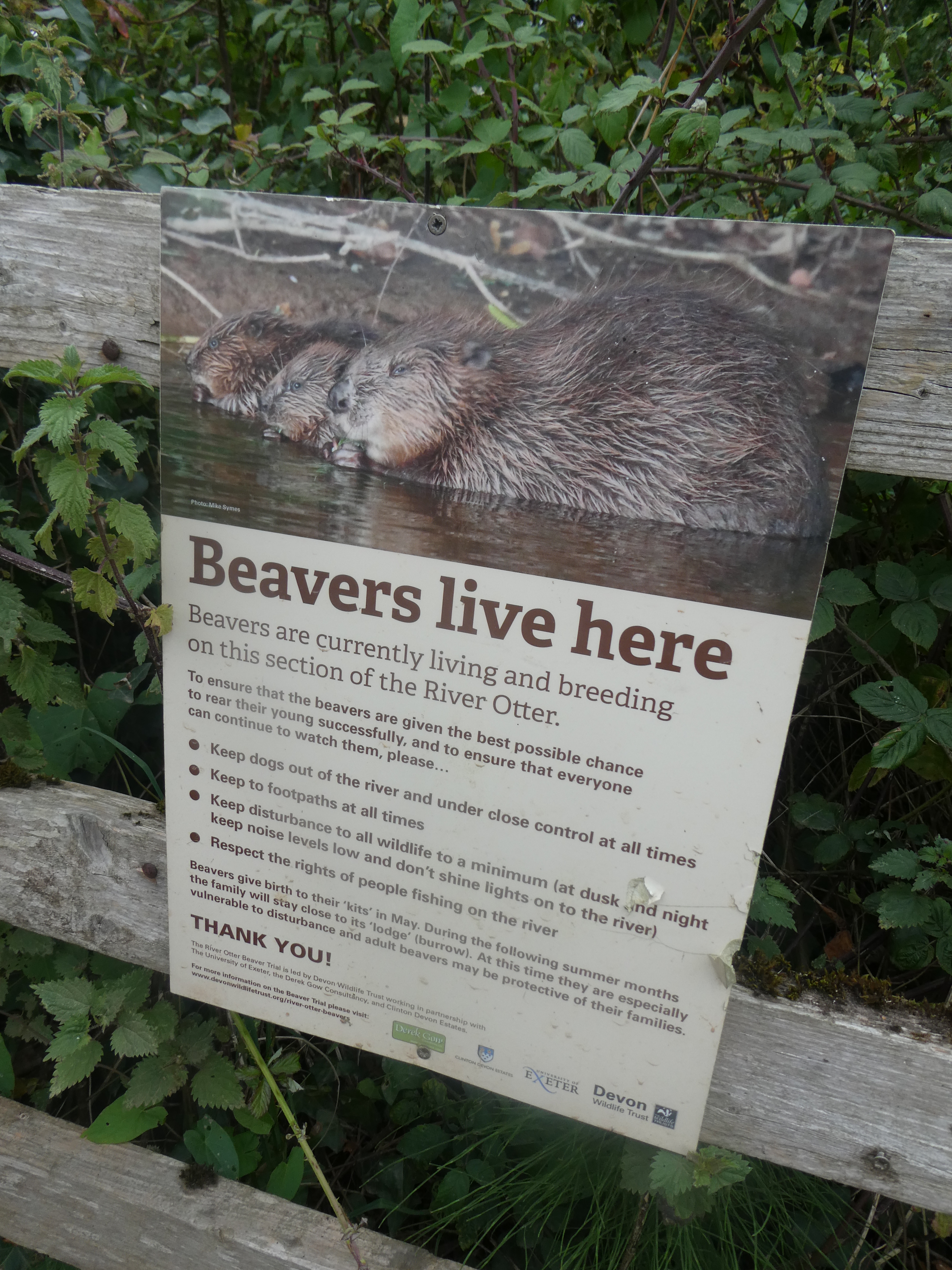
On our last day we opt to start off at the estuary of the River Otter and follow the river upstream- a scenic route beside water meadows. Of course, seabirds are everywhere here, searching the mud for tasty treats. There are beavers here in the river, though we’re unlikely to spot any unless we’re up at dawn- which is never going to happen for us!

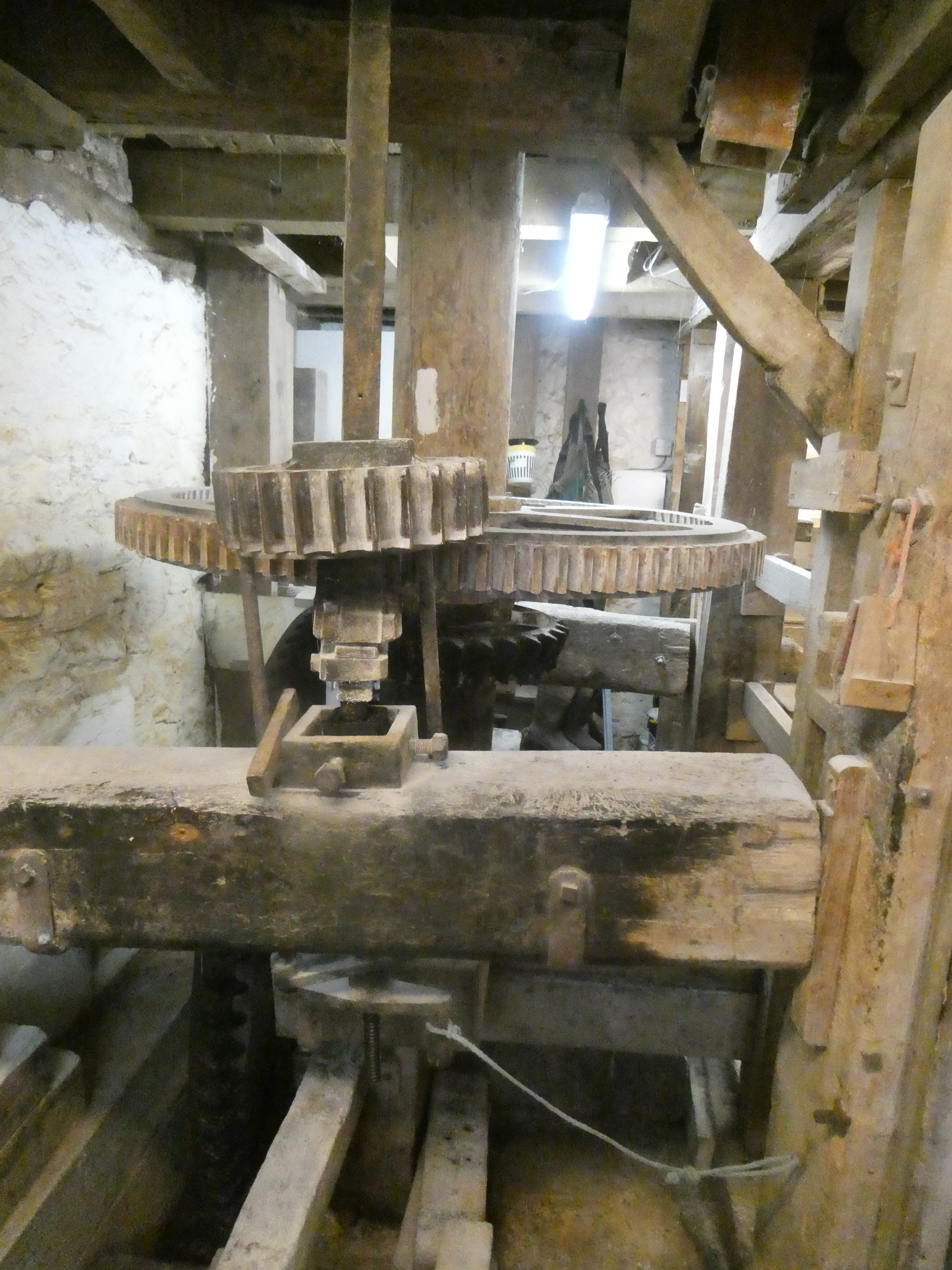
The footpath comes to a halt at a bridge and a water mill where there is a cafe, gift shop and farm shop selling all kinds of items. It’s pleasant, tables placed outside by the millstream. It’s also very busy, thronged with tourists. After restorative coffee and cake we retrace our steps back along the river to the estuary and back to Pooh Cottage.

Later, at the Dog and Donkey, we eat a mediocre meal and sit back as an ’80s Night’ begins to get underway in the huge room at the rear of the pub. A trickle of people files past us, attired in appropriate 80s garb, which is enough entertainment as we finish beers and creak our way up the hill to the site and our van. Farewell Devon for now…

Novels by Jane Deans [Grace]: The Year of Familiar Strangers and The Conways at Earthsend. Visit my website: janedeans.com

Not Winnie…

For our third day at Bagwell Farm we’re off on another walk- in the other direction this time but again, from the site, starting off up a hill and eventually coming across Fleet and old Fleet church, tiny and charming with its own miniature churchyard. You can go inside, too, which I do and there are just a few pews, an altar and everything a church needs. A left behind cardigan slung over the back of a pew signals that the church is used. We have a sit on a stone bench outside. There are glimpses of the water through the trees.

Then we’re following the lagoon behind Chesil Beach again, coming round the coast path to an enormous, white hotel, Moonfleet Manor, sitting in an imposing position overlooking the sea. It’s a warm day and we’ve been walking so when we spot an ice-cream sign it feels rude not to investigate. But we have to work for it! The obvious entry point to the hotel is embellished with ‘no entry to hotel’. We backtrack. We must enter through the garden, which is behind a wall. It’s very lovely, with raised beds full of all kinds of interesting plants, but there’s no sign of an ice-cream. [It occurs to me that recent posts must convey the impression that I am on a constant search for ice-cream, although on this occasion it’s Husband’s idea…].
Getting through the garden is not the last part of the quest- we need to circlumnavigate the entire hotel building until we find the cafe at the top of a great lawn and there, finally, is the ice cream machine. We get our reward, a brief interlude before the hike back to site. It’s the last day before we move so we give The Red Barn- the site’s own pub/cafe, a try. The food on offer is mostly pub grub, ie burgers, battered fish, lasagne- all with chips, but it’s good enough for a cook-free evening after a long walk.

Next we’re off into Devon, our next-door county and to a site called Pooh Cottage in the village of Knowle, near Budleigh Salterton. On arrival to the site, off Bear Lane, we trundle up a slope and are met by loops of caravans and motorhomes immaculately parked on hard standing pitches round manicured ovals of lawn. Reception is in a kind of log cabin. it’s quiet- eerily so.

We’re led off to our pitch by the owner- who I’m tempted to call Mr Pooh but I manage to suppress the urge, although we’re allotted a pitch in a field at the back where there’s just one other unit. It feels a little second class here in a featureless field with tall hedges but no matter. The village of Knowle is down the lane, across a busy road and down again. There isn’t much to Knowle but it does have a pub, at least! And it is walking distance to Budleigh Salterton, where we’ve been before but will revisit.

Novels by Jane Deans [Grace]: The Year of Familiar Strangers and The Conways at Earthsend. Visit my website: janedeans.com