A Lepe Finish

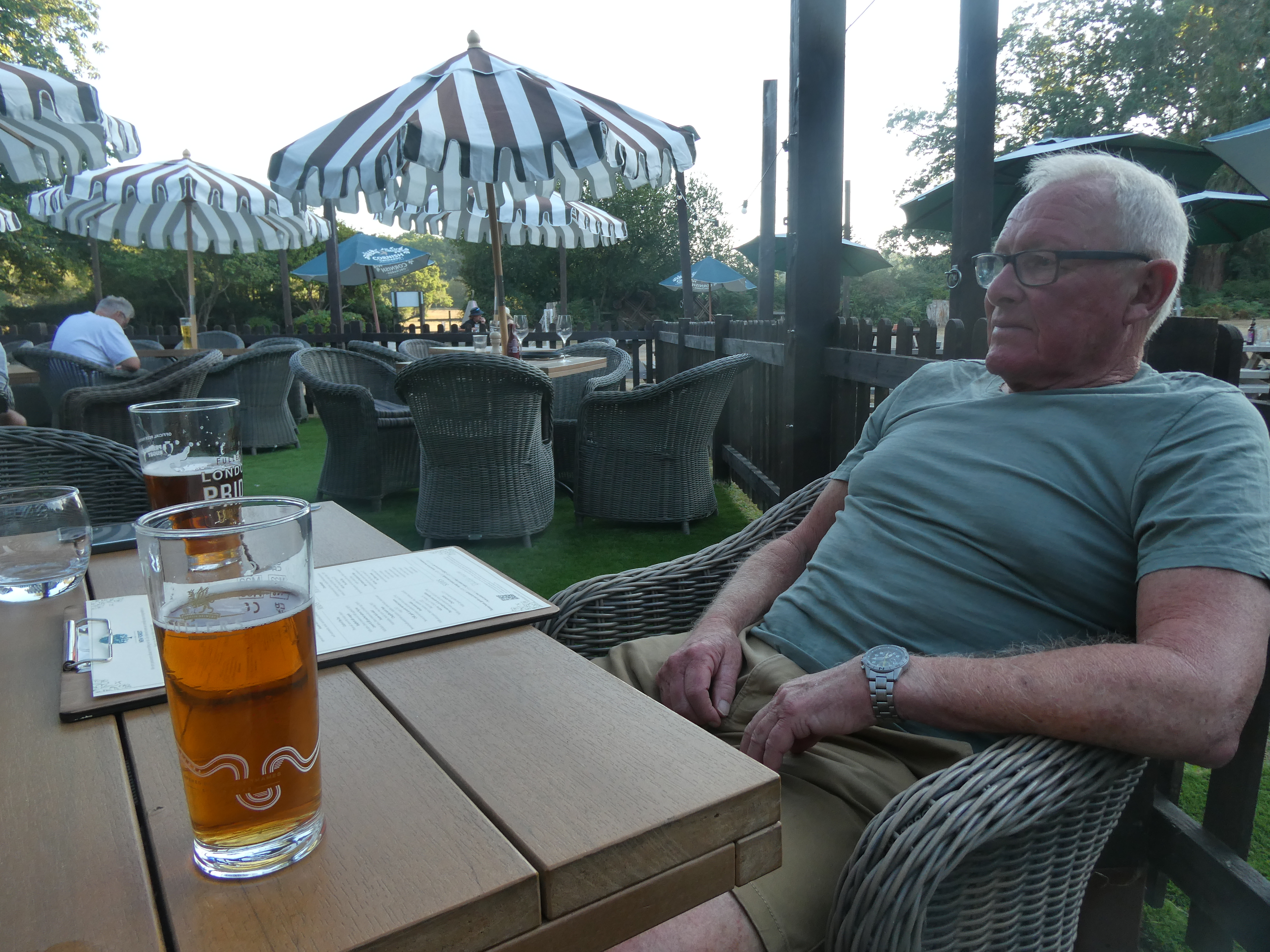
We’re only at Ashurst campsite for two nights and it seems churlish to ignore the meal offerings at the pub next door so we wander there in the early evening, avoiding the short cut across the field due to its having stiles to cross- a no-no for me at the moment.
It isn’t busy, in spite of the site next door but service still appears a bit slow. One issue with hip replacement is there are some restrictions on what I can and can’t do. I must sleep on my back, I mustn’t bend more than 90 degrees or twist and when sitting my operated leg must be sloping down. It surprises me how many seats aren’t level or actually tip back. I need to scrutinise every venue’s furniture to find a suitable seat. Benches aren’t good so I choose a table with rattan dining chairs and have to take a cushion from one to put behind my back.
These days most menus disappoint me. It’s hard to find anything to eat that isn’t smothered in some chilli or garlic product. The one starter we choose to share is ‘off’, leaving us with one option. I feel bad for the amenable waiter who is trying his best, repeatedly going to find out from the chef if anything is available for me to eat. I must say here that it isn’t down to fussiness on my part- until I was diagnosed with UC I ate anything and everything. Nowadays restaurants are much the same in that nearly every item has been doused with a sauce, or an oil or a marinade containing chilli or garlic [2 items I’m not able to eat], leaving me with an option of fish or steak and chips. Ho hum…
The lamb cutlets are very good [even though the kitchen couldn’t resist putting hot, spicy salsa on the side!].
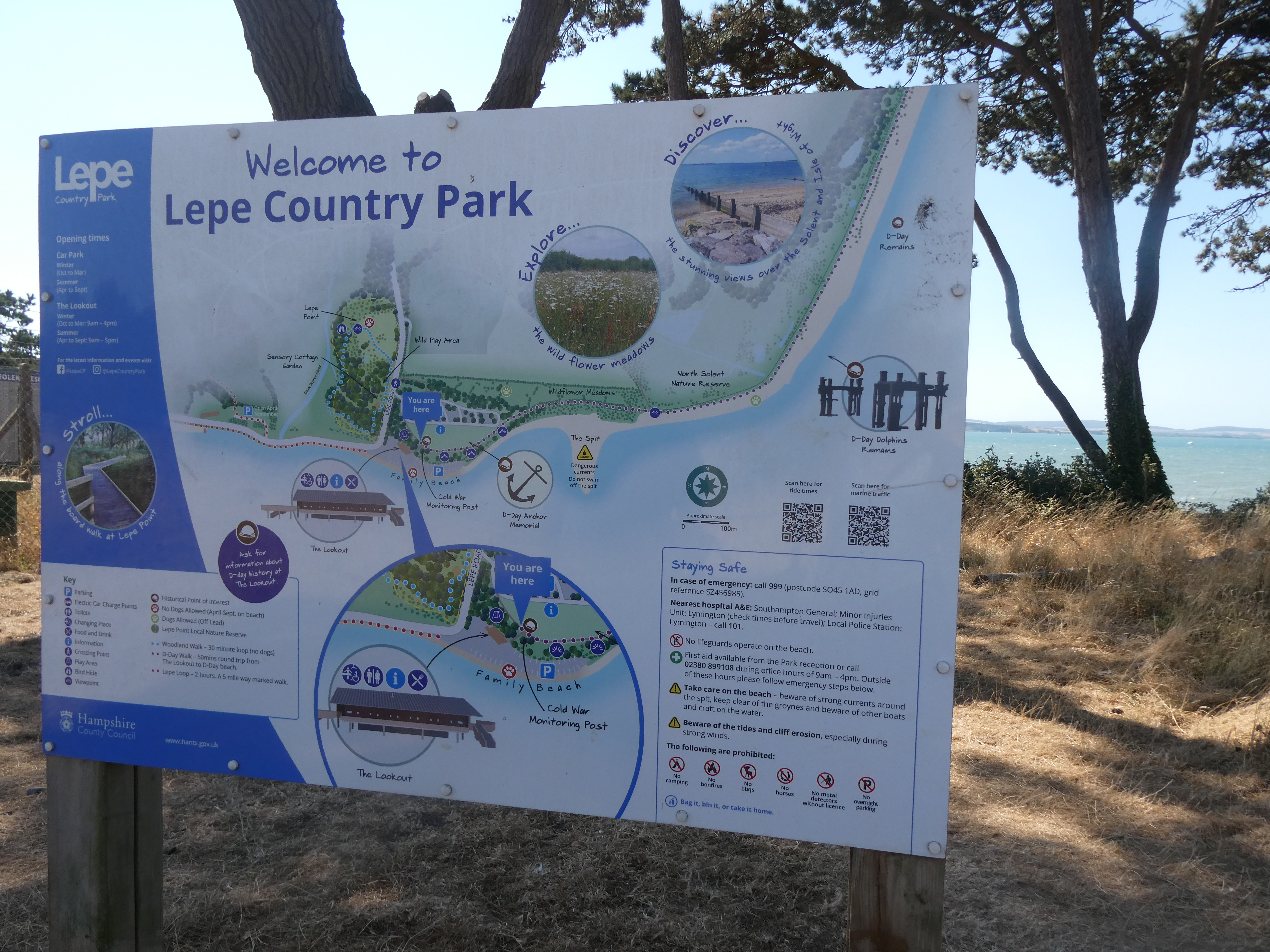
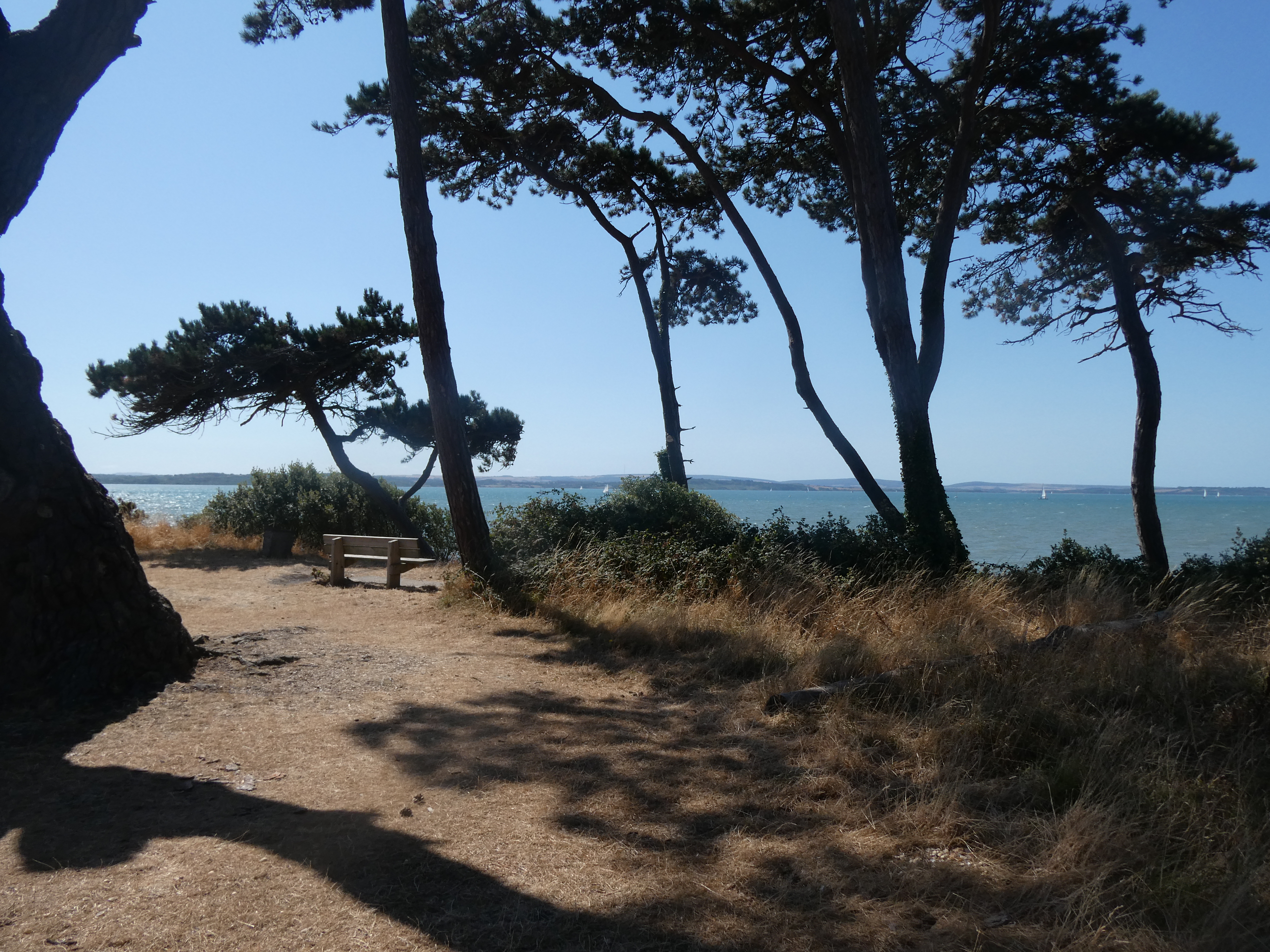
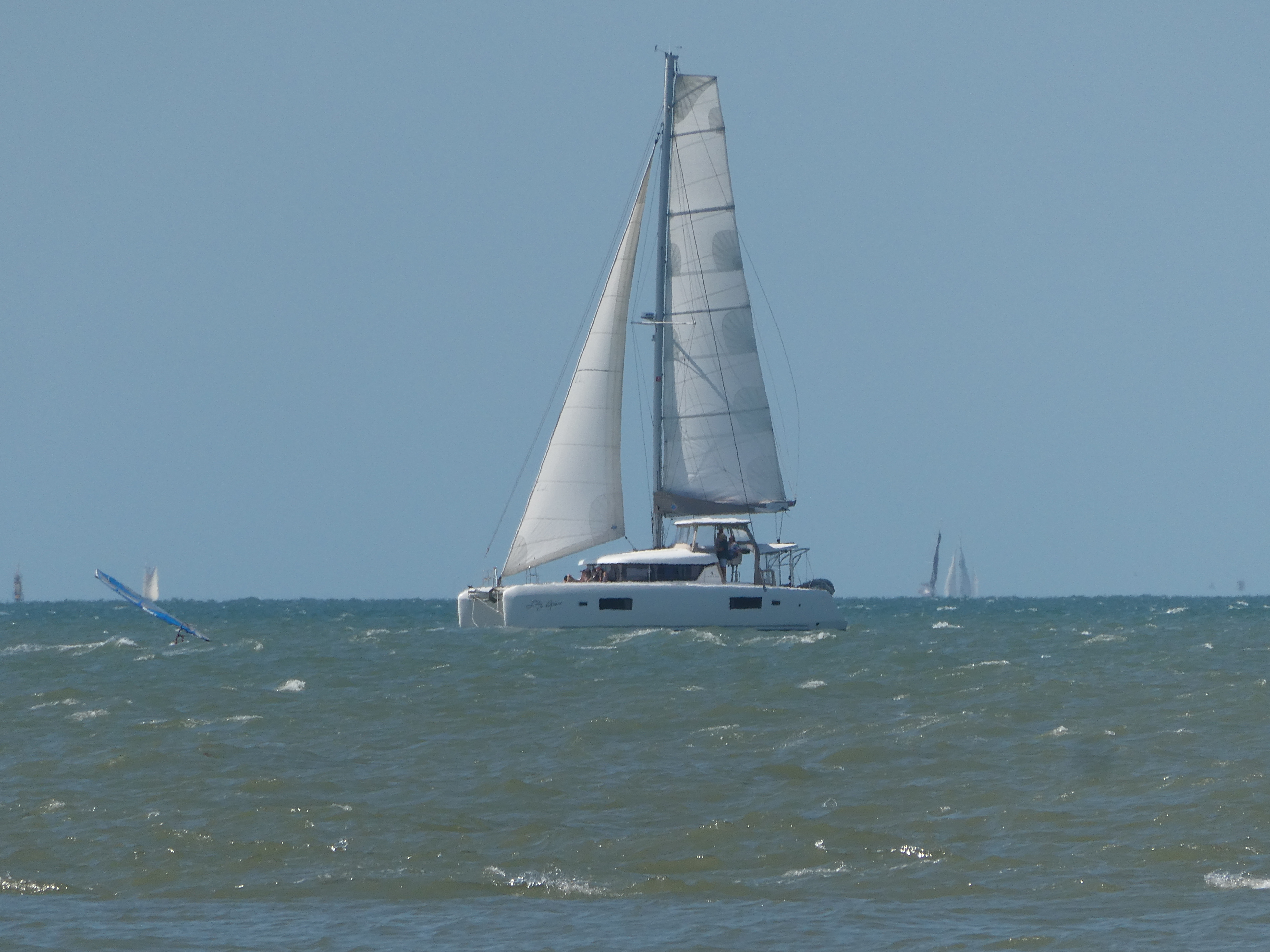
Next morning it’s time to pack up and leave, but we’re not off home yet and have promised ourselves a day at Lepe country park- a Hampshire park next to the sea with outstanding views over the Isle of Wight and the coast. There’s a good car park next to the beach, which is filling up quickly as we arrive. Nevertheless, by driving to the end and some judicious manoeuvering, the van gets parked. Here, there’s a brisk, refreshing breeze whipping the sea up into white caps, sailing boats on the horizon. It’s not a wide, sandy beach, rather more shingly and wild, but has a charm of its own and plenty to look at.
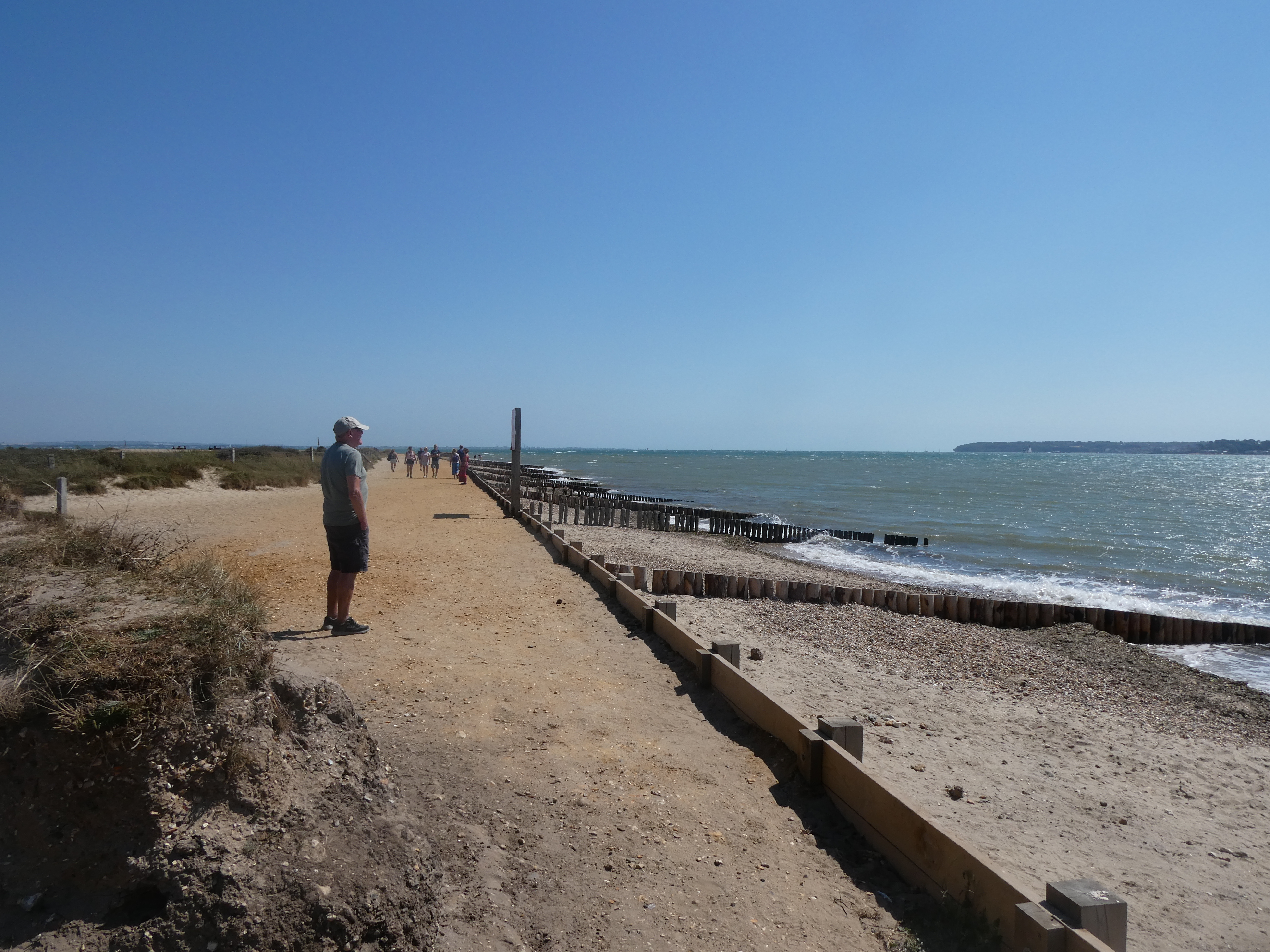
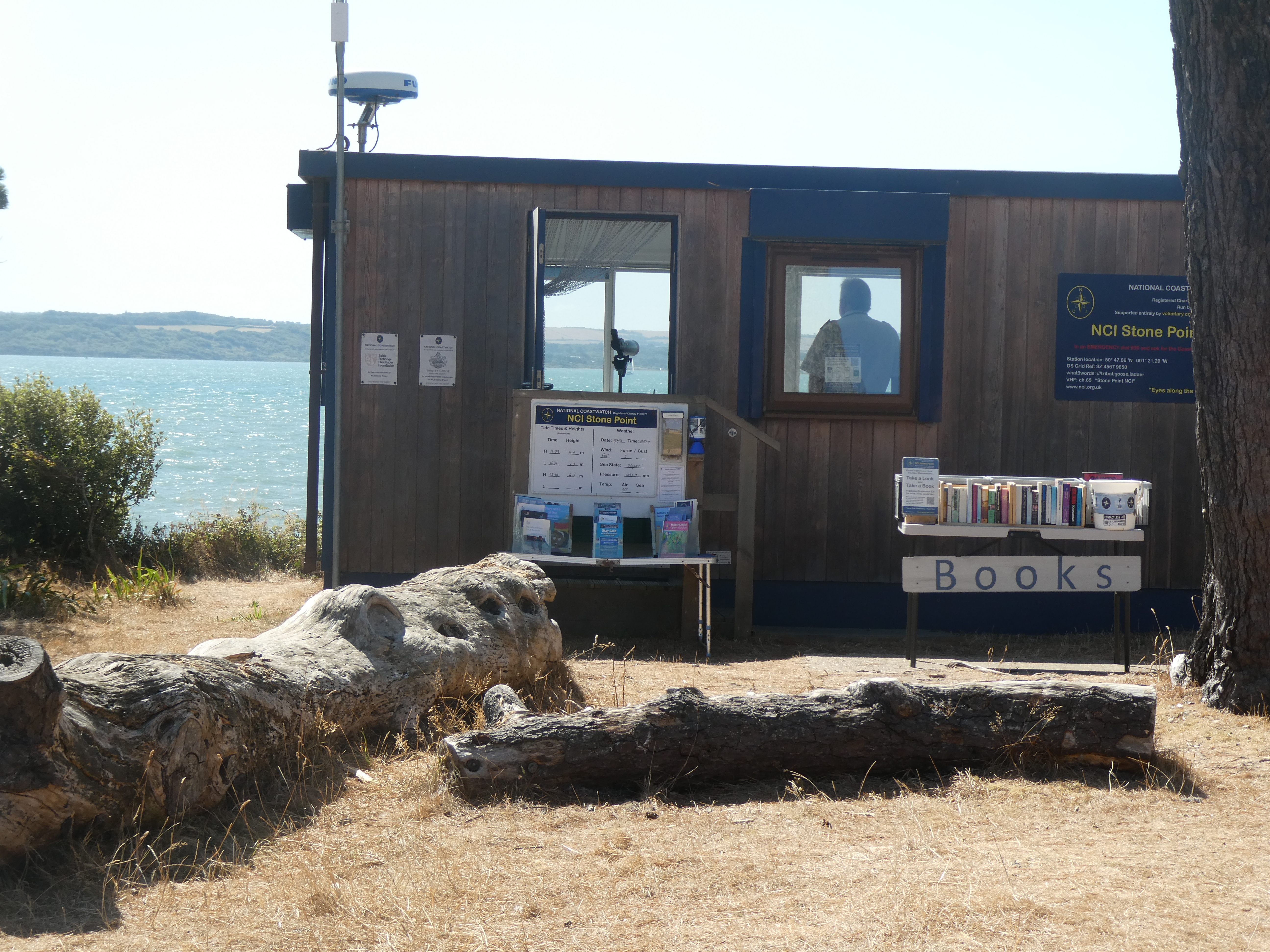
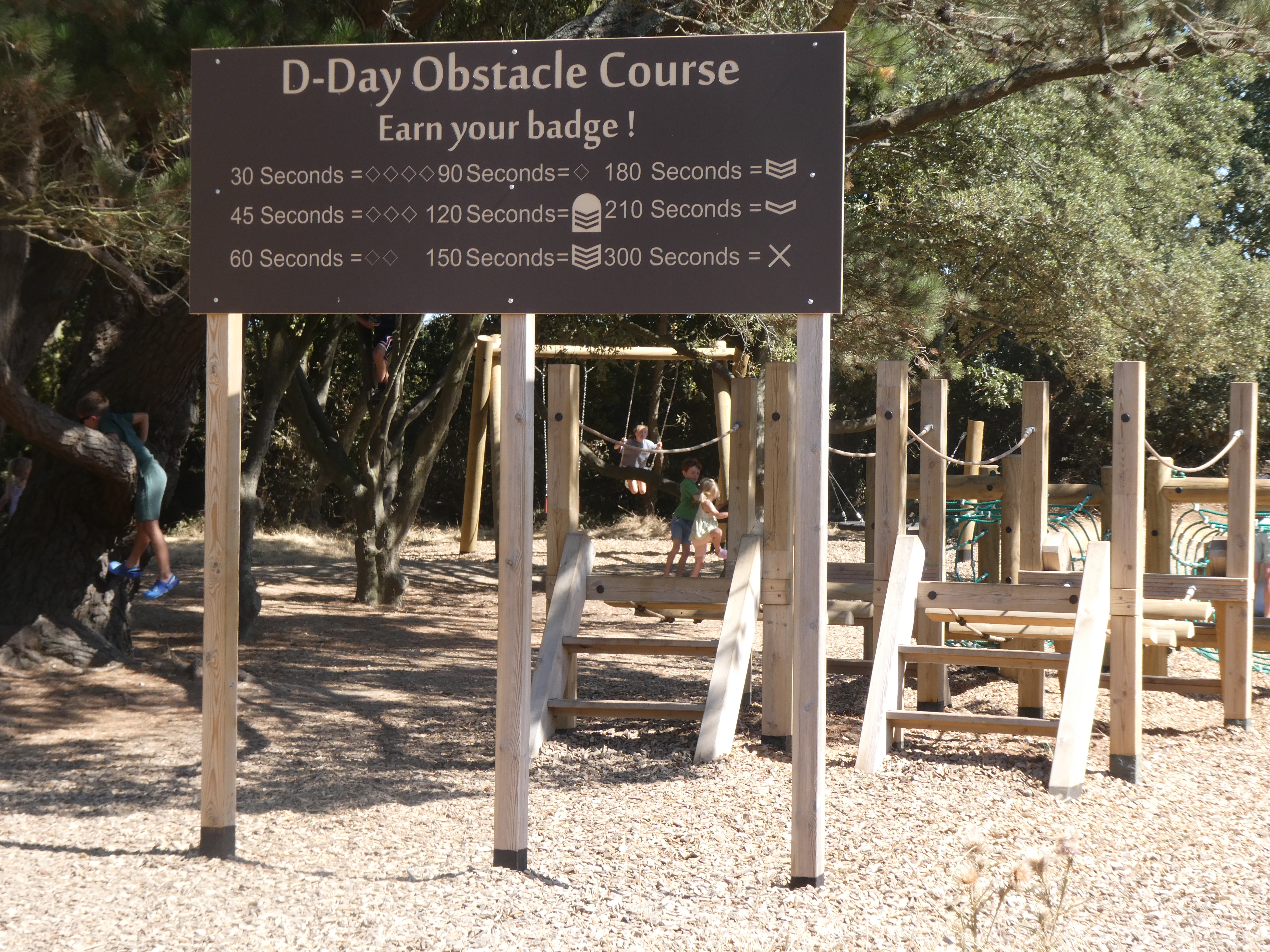
Up, then, out of the car park and to the park path, walking on a gravel surface which turns to sand after a while. There’s a bizarre, ‘D-Day’ play park featuring climbing nets and tunnels like an assault course. Some, like us, are here for the walk, others for a quiet piece of beach. But few have opted to come this far. Further on there are remnants of the D-Day departures from the second world war.
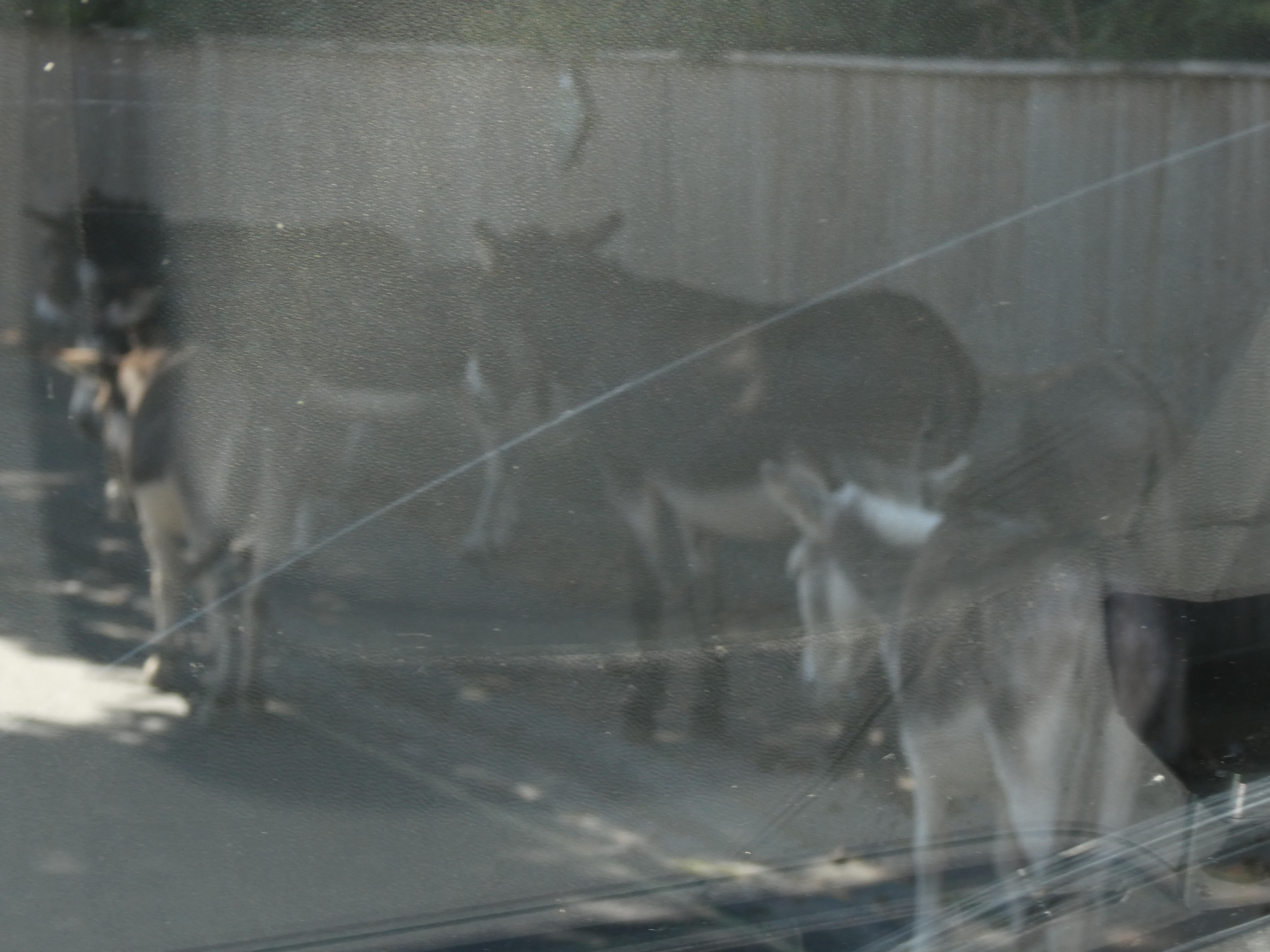
It’s time to turn back, and down to the cafe for a modest but respectable lunch then coffee in the van before we think about how we’ll get home. Our normal route is blocked by a serious fire which has caused people to abandon vehicles on the tarmac, has destroyed the road’s surface and buckled barriers. But our route takes us through Beaulieu, where some donkeys are holding up a queue of traffic by sheltering in the shade on a bend, which is a cute sight.
A little local knowledge goes a long way so by weaving our way through the New Forest roads we are home. Now to unload..

Novels by Jane Deans [Grace]: The Year of Familiar Strangers and The Conways at Earthsend. Visit my website: janedeans.com
Mangez comme les Francais!

P1060214

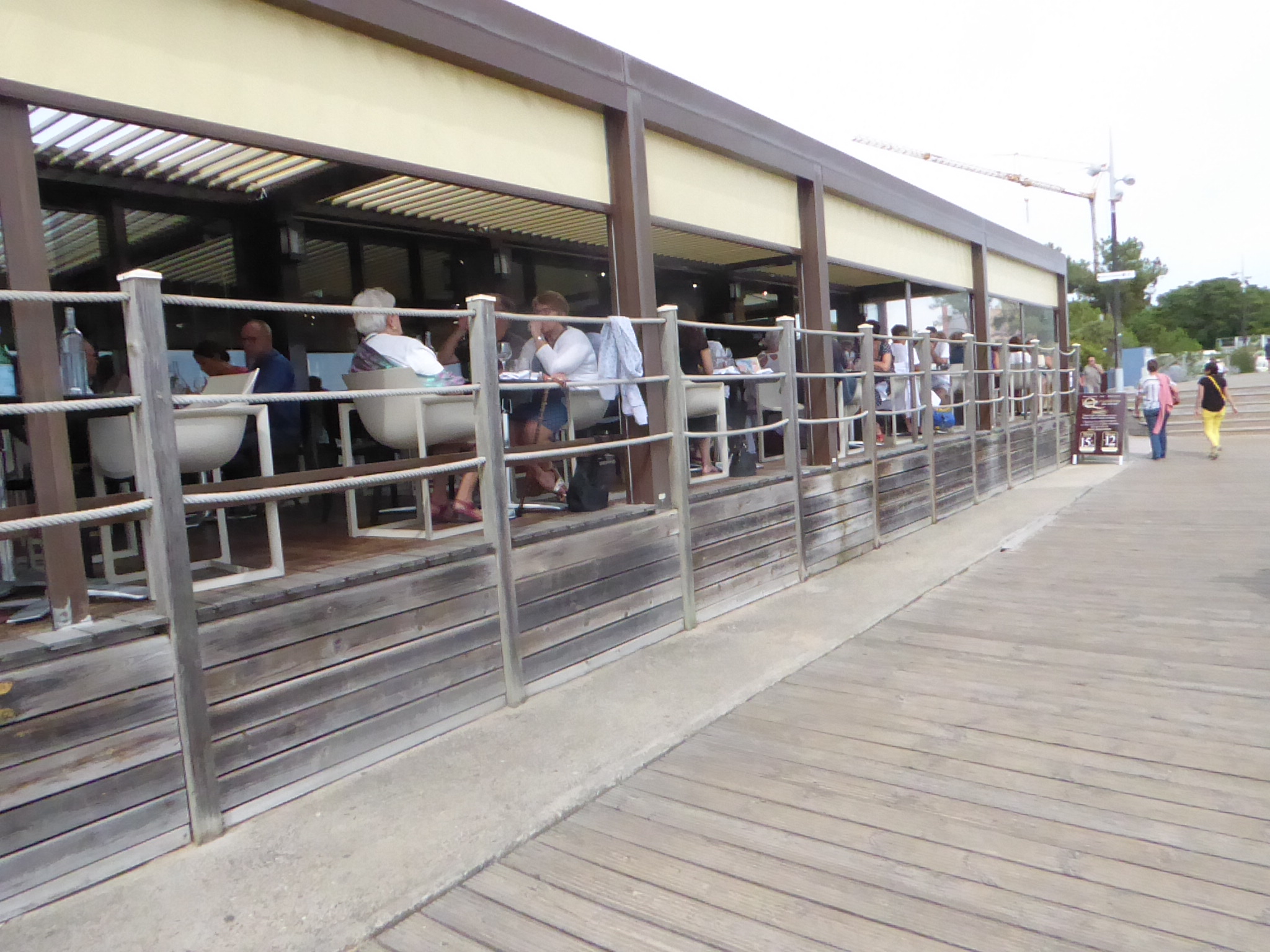
One aspect of life the French have perfected is the art of dining out. And anyone who wishes to observe the French at this only needs to visit a restaurant on a Sunday afternoon to understand how seriously mealtimes are treated. Every bistro, brasserie and café is packed.

But restaurants are not the sole venues for the French penchant for large, family gatherings to share food and company. Any park, aire, picnic area, seaside bench, canal side or car park will be packed with groups of friends or family sharing a meal.

And this Sunday meal will not be some hastily wrapped cheese and pickle sandwich, a packet of Golden Wonder crisps and bottle of coke. Oh no. This will be a proper full-on, sit-at-a-table, cloth, knife and fork, wine and glasses, side salad, napkins, several courses kind of meal. During a cycle ride from Jard sur Mer to La Tranche sur Mer we passed a large family party seated at two tables [one for adults, one for children] made up of all manner of picnic tables. Everyone had a seat and a laid-up place-and all under the trees in the woods by the beach.

So how, then did the French acquire their reputation for sylph-like, uber-cool, modelly bodies? It is my theory that they [the women, especially] chain-smoked their way to skeletal skinny-ness. In any case the same cannot be said these days, for the French are no longer slender wraiths like Coco Chanel and Francoise Hardy but have become as chubby as every other nation.

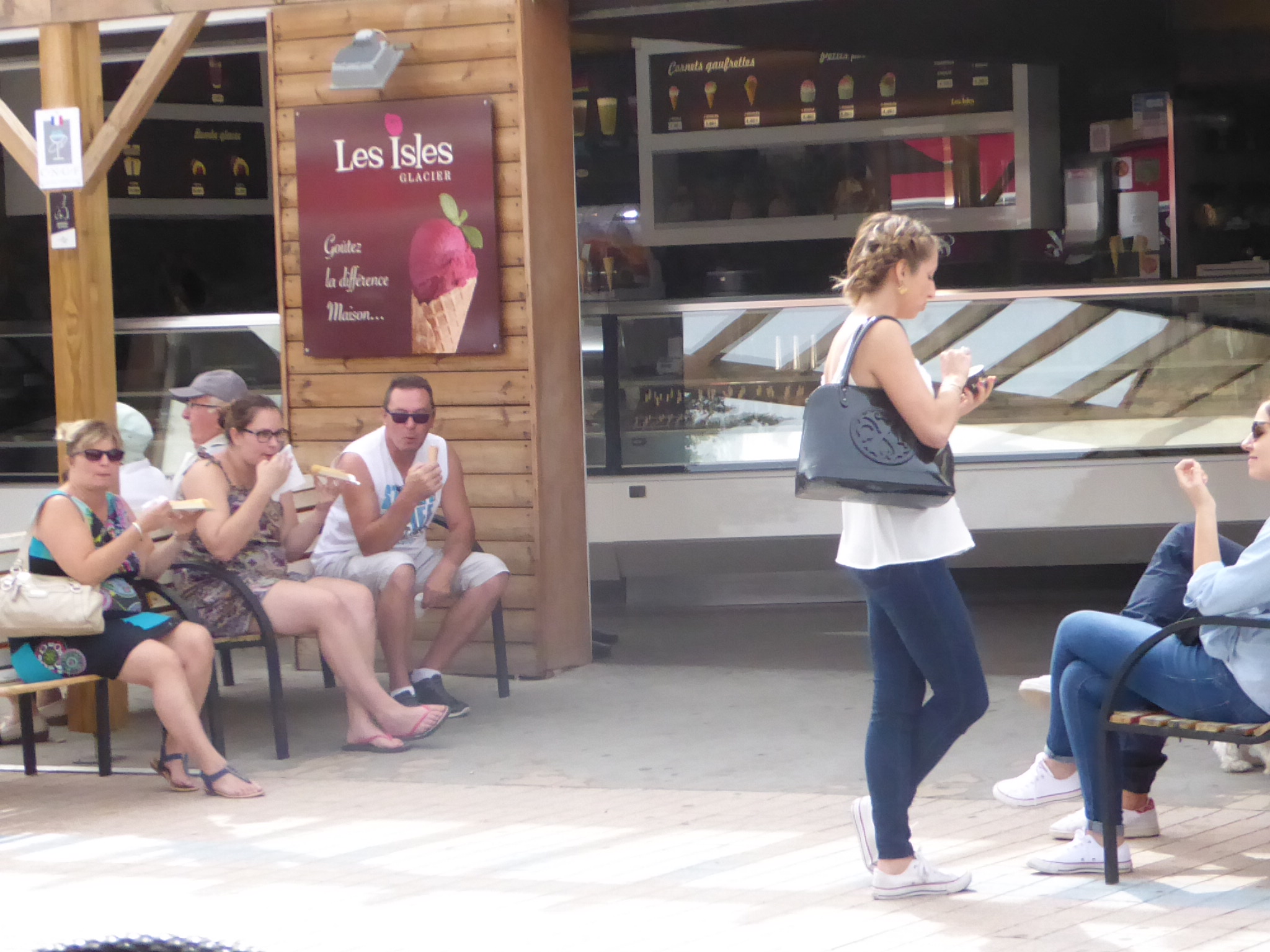
Their haughty, sniffy attitudes to cuisine have taken a slight tumble, too since they embraced MacDonalds and took to fast food. Yes-you’d still be hard-pushed to find a better cooked steak than in France, but along every street there is a pizza joint, a burger bar, a kebab shop, ice creams galore and the inevitable chi-chis, galettes, crepes and doughnuts.
P1060216

And what is more-the French are not averse to strolling along with a bag of chi-chis [for the uninitiated these are strips of fried dough rolled in sugar-sometimes dipped in melted chocolate] munching as they go.

Pockets of resistance do exist, though. A mayor on Isle d’Oleron, Gregory Gendre is fighting to keep MacDonalds off the island [https://www.theguardian.com/world/2018/aug/24/choose-a-side-fight-keep-france-ile-doleron-mcdonalds-free ]

Most days we endeavour to choose and buy fresh produce and prepare meals in the van, [see last week’s post for the shopping experience]. We like to make the most of such delicious items as the huge, luscious tomatoes, sweet, juicy melons, smooth, creamy cheeses and salty Toulouse sausages, sometimes using the deli counter to buy slices of thick quiche or pork cutlets.

But when in France it would be sacrilege not to dine out on occasion so every few days we do. I indulge in my very favourite French menu: oysters/steak/crème brulee, and very delicious it almost always is.


Eating Lessons

We are approaching the end of another extended trip, meandering around the South of France but this time, with somewhat more sophisticated facilities we have taken advantage of what the French call ‘aires’. The French have taken to motor-homes more than any other nation. The vehicles are becoming larger, more equipped and more elaborate. One result is that an industry has sprung up to address the needs of ‘camping car’ owners with numerous, vast areas set aside for, and only for campervans. Tent campers and caravanners can eat their hearts out. They are not invited.
An ‘aire’ will typically have a services point consisting of clean water, electricity, waste water disposal and a ‘vidange’ [for emptying toilet cassettes]. These facilities are more than enough to satisfy the needs of your average motor-homer. Increasingly aires are unmanned, with entry via a machine like a parking meter. Some are little more than vast car parks with electric points and waste disposal. Others are beautiful, landscaped spaces with attractive planting.
Getting sandwiched in our modest van between two gargantuan motor-homes allows plenty of opportunity to study the dining habits of others. In fact, anyone who is thinking of swapping their regime of TV dinners for something a little more formal, sociologically developed and a more gratifying gastronomic experience should look no further than the French model of dining, which can, it seems take up almost all of each day.
Take the three elderly folk sharing an equally elderly motor-home in an aire at Hourtan Port [for 10€ per night-a lovely, spacious, shady, tree-lined area]. They ambled out together mid morning-two mature monsieurs and a madame-returning at midday laden with bulging plastic bags plus several, substantial ‘artisan’ loaves. The bags turned out to contain dozens of fat, glistening oysters. Lunch was sorted! Later in the afternoon they wandered off again and reappeared with more bags, this time containing kilos of mussels. The next day’s catch was a batch of enormous fish, one of which filled an entire plate. Each meal, of course was accompanied by a bottomless bottle of wine.
At an unashamedly seaside aire in Gruissan a couple nearby would take their breakfast [plucked from the nearest ‘artisan’ boulangerie] of croissants, orange juice and coffee, then cycle off together purposefully. By lunch time their bike baskets would be laden with all the goodies they’d acquired. Lunch was prepared together-a serious and painstaking task of cleaning, chopping, table laying and cooking [no quick sandwich job for them!] There would be three courses and of course, wine. Later they would disappear again to seek out the components of the evening meal, when the procedures would be repeated.
In the small town of Gruissan, market day clogs the streets as everyone turns out to fill their basket with cheeses, charcuterie, fruit and vegetables, olives and preserves. Everything can be sampled before purchase, making the shopping excursion a gastronomic pleasure in itself. We joined the crowds, queuing for tasty lunch items and bearing home the spoils in anticipatory glee.
In contrast, the weekly supermarket drudge seems an impoverished experience, as does the regular ‘what can we have tonight?’ conundrum. Ho hum!

Home Alone?

                An item on a radio magazine programme recently concerned people who, by accident or design will be spending Christmas alone. Listening to these individuals explaining their situation, one stand out feature came across. The women had made a deliberate choice to spend the day in solitude, whereas the men felt themselves to be ‘shut out’ through no fault of their own and felt aggrieved. Some of the stories were painful to hear, such as the father who’d split from his wife and would not get to see his only son due to his ex having a new partner.

                There is a strange irony to all this. Even in this era of [slowly] increasing emancipation it is, at best unusual to see a woman sitting alone at a bar or a restaurant table, whereas a man in such circumstances would not be considered out of the ordinary or an object of speculation. The Dad who felt abandoned could simply take himself off to a hostelry. He might not know anyone but would at least be able to observe the revelries from the fringe or even get involved. The women in the programme had all planned their solo day already. They would not be leaving their homes, but knew exactly what they would eat, watch and do, and all were eagerly anticipating and expected to relish their time alone.

                During a mid-life period of singledom I took the bold step of booking, not one but two holidays as a single traveller. Although this rash action was partly a result of a messy relationship break up I forged ahead with the first- a week long skiing trip- not without a modicum of self doubt. ‘Think of it as a course you are going on’ encouraged a friend [I was a virgin skier]. I will never forget boarding the coach to the resort and explaining to the puzzled holiday rep that there was one in my ‘party’, or descending to the dining room at the hotel and forcing myself to ask if I might join a couple at their table when there were no empty tables available, then the continuing, painful experience with a lone breakfast supported only by a book as a prop. When I descended to the basement to join a beginners’ ski class the holiday underwent a miraculous conversion. My fellow beginners were a charming, friendly, inclusive bunch who invited me to join them for meals, après-ski, breakfast and outings for the entire week. The encouraging friend came to collect me from the airport, finding me cheerful, refreshed and hopeful-hopeful enough to approach the next lone exploit with confidence.

                I went to The Gambia, without the support of a ski class, but with a ‘go-for-it’ attitude. I engaged fellow travellers in conversation, chatted to fellow diners, went for tea with stallholders in the market, booked excursions, including a two day trip up river to stay in a thatched hut with a party of Netherlanders. Everyone I met was friendly and kind.

                These days, as blog followers know, I travel, dine and spend Christmases with Husband, a companion who, on balance, I prefer to be with than without-but I wonder when lone women diners and travelers will ever be a natural phenomenon?