A Matter of Time

This is an ancient story- one of my first. It was also the inspiration for my second novel, ‘The Conways at Earthsend’. It set me wondering what life will be like in the far future. Recent world events, however have left me feeling it’s better that I’ll never know…

Frith steps out into the grey, depressing familiarity of the patch she still thinks of as a garden at a time she knows is morning from her ancient alarm clock. She glances up into the hazy fog as she does each day, to assess the extent to which a semblance of light may be penetrating. This morning, within the billowing folds of damp cloud a sulphurous, bilious glow hovers like a searchlight beam, providing little in the way of illumination and no warmth, although Frith allows a small thread of encouragement to weave into the start of her day.

Along the cinder pathway fresh layers of fine dust display the prints of the girl’s boots as she moves towards a network of raised beds rising like ghostly islands in the gloom. She pauses by the first rectangular slab, a dark oblong mound constrained by timber planks, crumbling a little now from prolonged exposure to damp and housing what would have been a robust crop of potato plants. Frith adjusts the filter masking her nose and mouth before bending to inspect the nearest plant. A few dark, brittle leaves have struggled to the surface of the dusty heap of soil. She peers at them, unsurprised by their insidious coating and searches for any sign of a flower. They will need to be earthed up again, she decides, grimacing at the idea of the task; digging into the tainted earth will produce a storm of silver powder pluming up and coating all in its descent, including herself.

She walks to the apple tree, a spectral giant in the mist hung with fringes of dull spores and remembers her grandmother describing summer afternoons as a child lying in the shade of it with a book or clambering to the top to teeter on a spindly branch and marvel at the view across the sunlit valley. She shivers, conscious of the oppressive silence that hangs over the garden like the fog. On the tree’s lower branches one or two tiny, misshapen fruits cling in a valiant effort to perpetuate.

Beyond the tree, by the low stone wall that once marked the boundary with a neighbouring property there is a brave, rebellious clump of brambles making a stand against the suffocating effects of fungal invasion, producing fierce, protective thorns and exuberant, wet foliage tinged with hints of green amongst the smoky coating. Frith allows herself to hope for blackberries later on, in the time that used to be called autumn when there were seasons marking changes in climate; months when days were warm, hot even, and periods of fierce cold when the land lay dormant.

The greenhouse is barely visible at the end of the monochrome garden until Frith is near enough to touch its damp and slimy surface. She pulls the door open and steps inside. The tender plants here have not escaped the blight and she surveys the spindly pepper bushes, brittle stalks smothered in grey and moves slowly on towards the end of the small structure where she’s been nursing the tomato seedlings. She stops; holds her breath.

There is a diminutive, amber globe attached to one of the plants, glowing like warm, evening sunlight. She bends to peer at its parent plant. There are two more ripening fruits clinging to the foliage, shining with impudent optimism. Frith stares then throws her head back, an almost hysterical laugh erupting from her lips and her eyes wet with tears.

The sound of footsteps crunching on the path causes her to turn and see the tall, bulky figure of Cal approaching then he is there filling the doorway, his woolly hat jammed tight over his dreadlocks and long scarf wound around his face and neck.

“A brace of coneys,” he tells her. “Not much meat on them but they don’t look to be in too bad a state. We’ll get some broth out of them anyway.”

Her eyes, turned to him are radiant. She shows him the tiny tomatoes illuminating their corner of the greenhouse. “Should we move the plant, do you think, Cal? We could take it inside the house. It might be special, have some immunity. And if we kept the seeds maybe they’d grow into stronger plants still!”

Cal reaches out to pull her to him, enclosing her in his arms, her cheek against the rough tweed of his overcoat. He looks over the top of her head towards the little plant with its defiant tomato warriors and thinks of the children he and Frith might have had. Her face, when it turns up to his, still damp from tears is itself reminiscent of a child’s.

“We’ll leave it be, love. If it is going to resist the blight it’ll do it here. Moving it will make no difference. Come back to the house now and help me skin the rabbits.”

He watches her later, staring at the flames flickering blue around the remnants of decaying logs in the fireplace and knows she is allowing herself to dream of a future.

“Frith love,” he murmurs. “Don’t get your hopes up. I know it was good to see, but not enough to signal any kind of recovery.”

She looks up, frowning, irritated; the extinction of possibility is hard to bear. He takes her hand. “We’ll keep watching it. It could be resistant. Only time will tell.” And he turns back to where the flames are ebbing in the fireplace, reducing the logs to glowing, flaky ash.

Novels by Jane Deans [Grace]: The Year of Familiar Strangers and The Conways at Earthsend. Visit my website: janedeans.com
Ceasefire at Havelock Terrace

Today’s post is a flash fiction story…

Everyone in Little Pewsey knew of the feud between next-door neighbours Arnold Stopes and Bernard Shrigley, which had raged for more than fifty years, although few could say what had started it. Born within months of each other in adjoining cottages in Havelock Terrace, Arnie and Bernie had been walked together in prams, begun school on the same day, attended cubs and later, scouts and had their collective ears boxed for scrumping apples. They’d shared sweets, the Beano, secrets and girlfriends.

Both keen gardeners, they nevertheless adhered to strict individual notions for what constituted an ideal garden, most of which conflicted. Over the years, these conflicts had escalated to a point where verbal communication had ceased, to be replaced by physical acts, that is to say, retribution.

When Arnold’s magnificent flowering cherry tree had the audacity to extend its boughs over the hedge that formed the border between their properties, casting a shadow over Bernard’s patio, Bernard took his shiny loppers and hacked off the offending branches, thus decimating the graceful symmetry of the tree. Thereafter, on sunny afternoons, Arnold made sure to give Bernard’s patio a liberal dousing during watering sessions. Bernard’s mongrel dog, Tinker was fond of plunging through the hedge to dig holes in Arnold’s cabbage patch, provoking Arnold to retaliate by cultivating a luxuriant weed patch next to Bernard’s raised vegetable beds.

It was on a warm, balmy September evening that Arnold, straightening up from his labour of lifting potatoes, felt a sharp paintravel along his arm before tumbling to the ground and breathing his last, watched by his neighbour, who went to bed, fell asleep and was never to wake again.

Novels by Jane Deans [Grace]: The Year of Familiar Strangers and The Conways at Earthsend. Visit my website: janedeans.com
Spring Waking

A week ago, I went outside and opened the gardening container, where the tools are kept, to be greeted by a hedgehog. He [or she] was standing at the front as if I was an expected visitor. So in my usual, anthropomorphic way, I addressed the creature and asked him what on Earth he was doing in there, receiving no answer, of course. After a moment, the hedgehog made an attempt to turn and retreat behind a spade, prompting me to withdraw around the corner of the container. I found some gloves and a woolly hat, placed the hat over him and lifted him out. He curled up inside the hat and I took him down the garden to our wild area, where there is a pile of logs and leaves, placing him carefully down there.

It was a few minutes before he uncurled. Then he turned and began to come back. ‘No. no, no!’ I said. I left for a moment and collected some bird nuts, which he tucked into with gusto. I was about to leave him when a high-pitched ‘pseep, pseep’ made me look round. Two, pink, fluffy long-tailed tits were perched behind me on the rose arch, near enough to touch. I froze in situ until they hopped into the cherry tree. Goodness!

Our intrepid hedgehog, having had his fill of bird nuts, came forward and lapped some moisture from a leaf before seeking refuge in the log pile at last.

If hedgehogs are out and about during the daytime, it means they’re in a spot of bother. I’ve no idea how long this one had been confined to the garden container- days perhaps- but there is nothing to eat in there. He must have sought warmth and shelter while it was open and nobody had noticed, then got very hungry, hence his needing to exit when the doors were open.

Close encounters with garden wildlife are a privilege and a pleasure. They are also a sign that spring is on its way at last, after a harsh and extremely wet winter here in the south west of the UK.

A few days later, Husband summons me downstairs where a black triangle is adhering to a curtain. The black triangle is a closed pair of wings and belongs to a peacock butterfly. It’s anyone’s guess how a butterfly would be here in the house so early in the year, but we know that Spring is arriving ever earlier now.

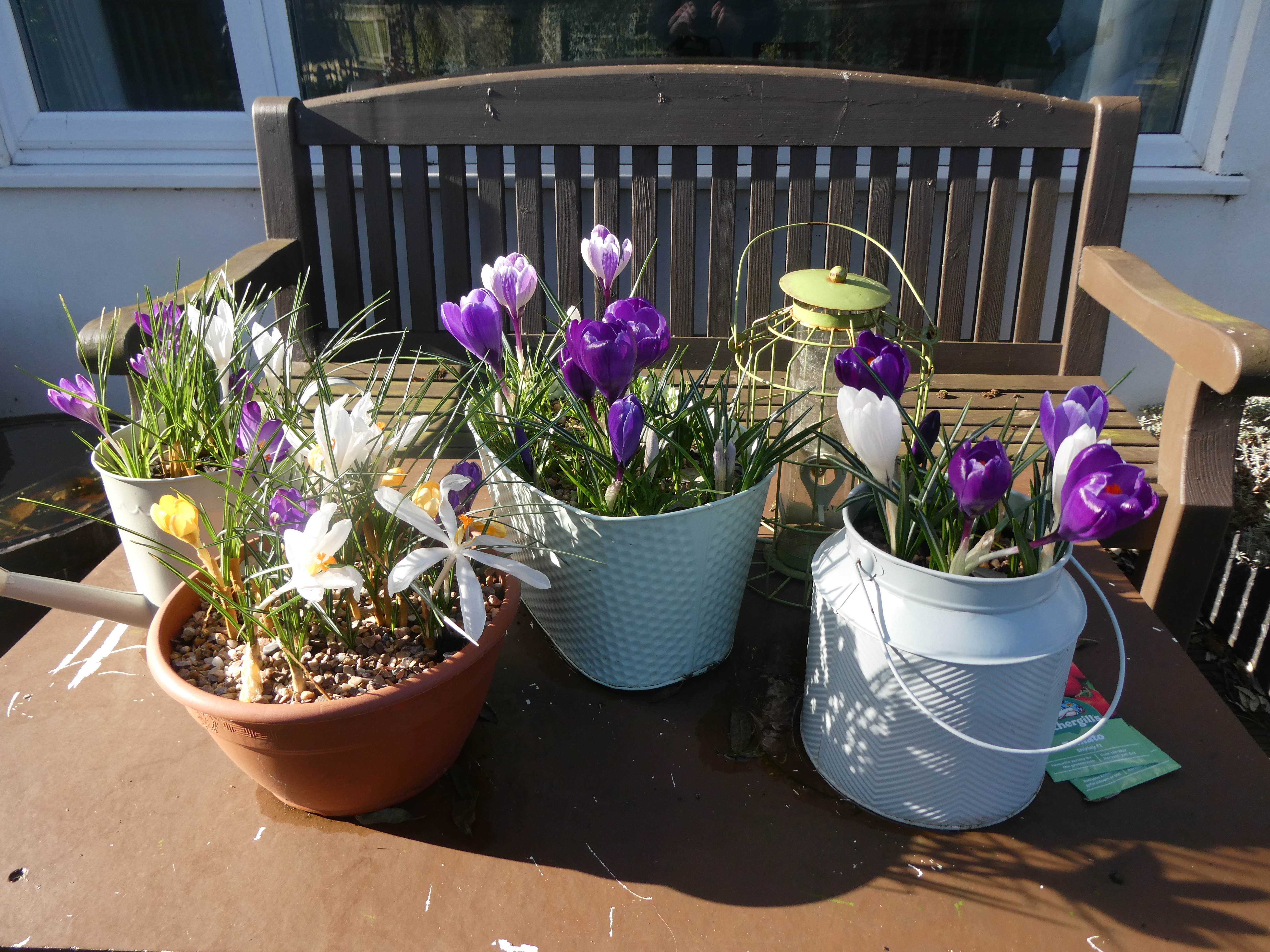
Detaching the butterfly from its chosen spot without damaging it is tricky. Once separated, it stays on my hand and needs coaxing to climb on to a crocus flower. Watching its spindly proboscis unfurl and reach into the orange centre of the crocus is fascinating, but while Husband goes to fetch the camera the butterfly, having sucked in enough nourishment, spreads its wings and makes a sudden leap into the air, grazing my hair en route.

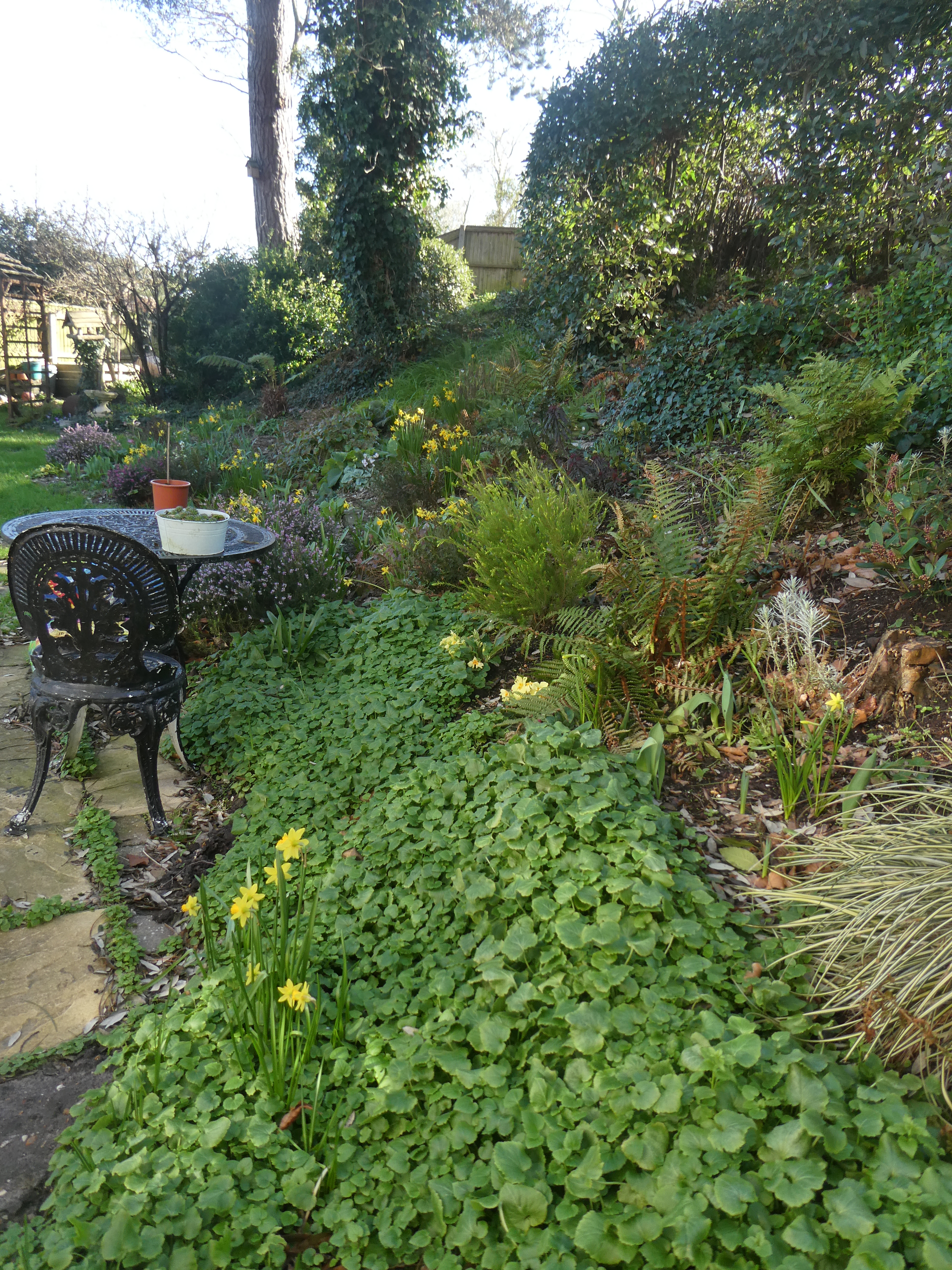
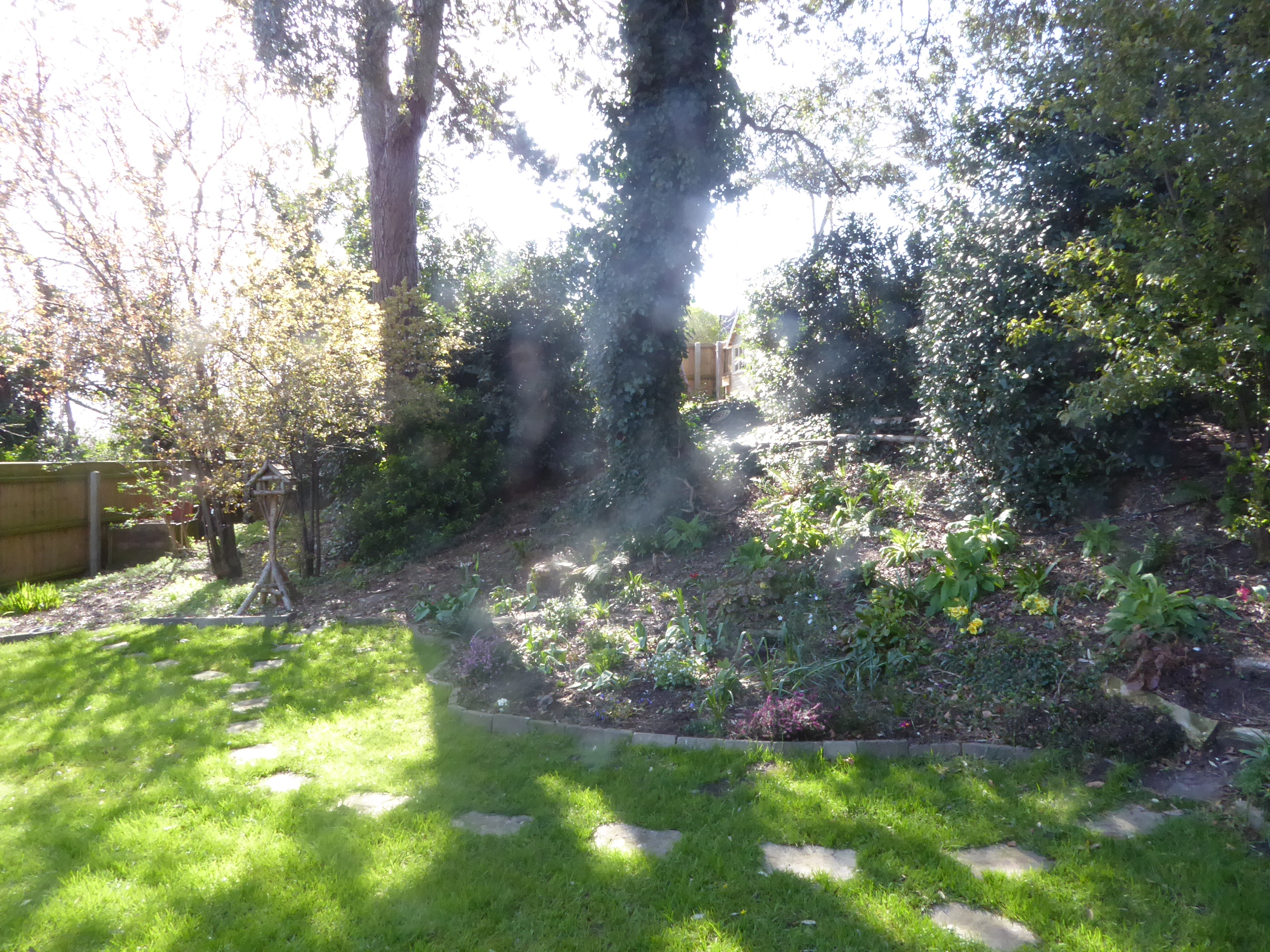
Sadly, then, none of these meetings with garden wildlife were to be recorded on camera. So the photos are of their habitats and surroundings instead!

Novels by Jane Deans [Grace]: The Year of Familiar Strangers and The Conways at Earthsend. Visit my website: janedeans.com
Chancing it-

As I write, we are gearing up to be away,. It’s never simple. Besides the prepping of the van, which takes longer than it used to and especially after longer intervals- there’s the house and garden to consider, which has all to be left in a reasonable state ready for return. I always experience a frisson of anxiety over the garden, in particular.

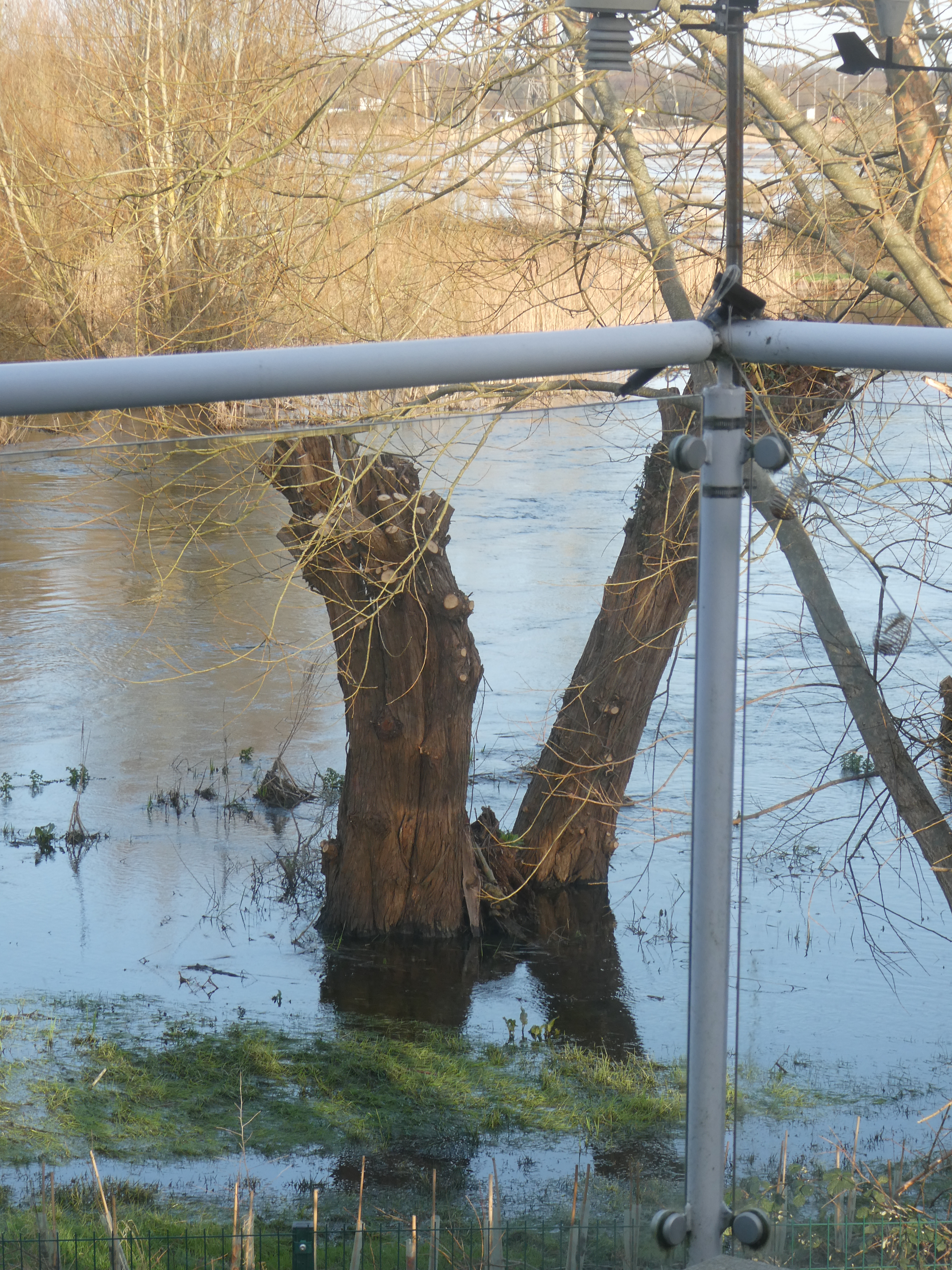
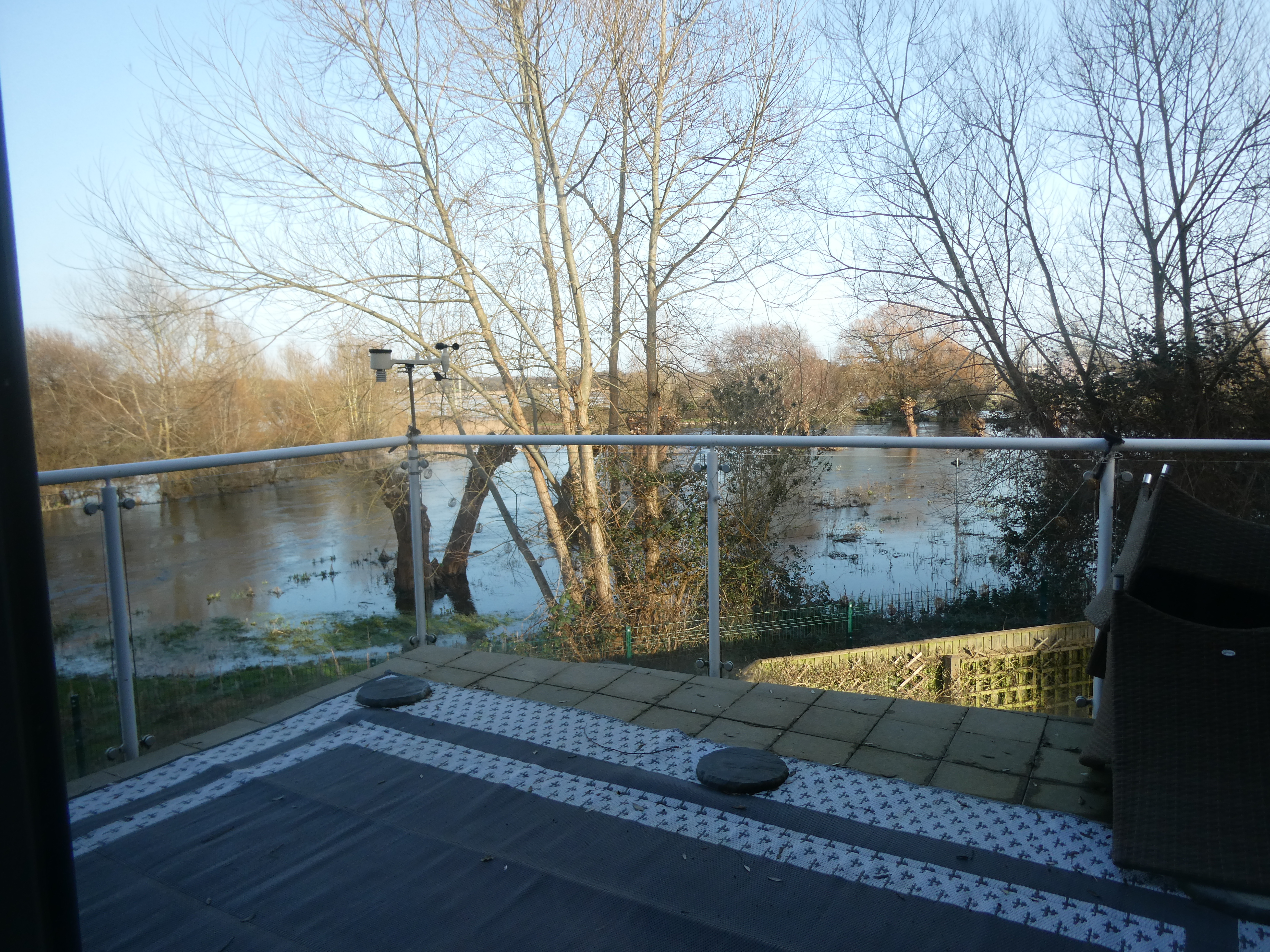
This year, our part of the UK has received an unprecedented amount of rainfall. During the eight years we’ve lived in this house, which overlooks a river called The Avon [yes I know- Avon means river, too!] and a watermeadow, the field has never been inundated for such a long time in the winter- six months. Six months and we didn’t see a single blade of grass from November until the end of April.

Flooding is very bad news for many and the world needs to wake up to the fact that the climate is wreaking havoc.

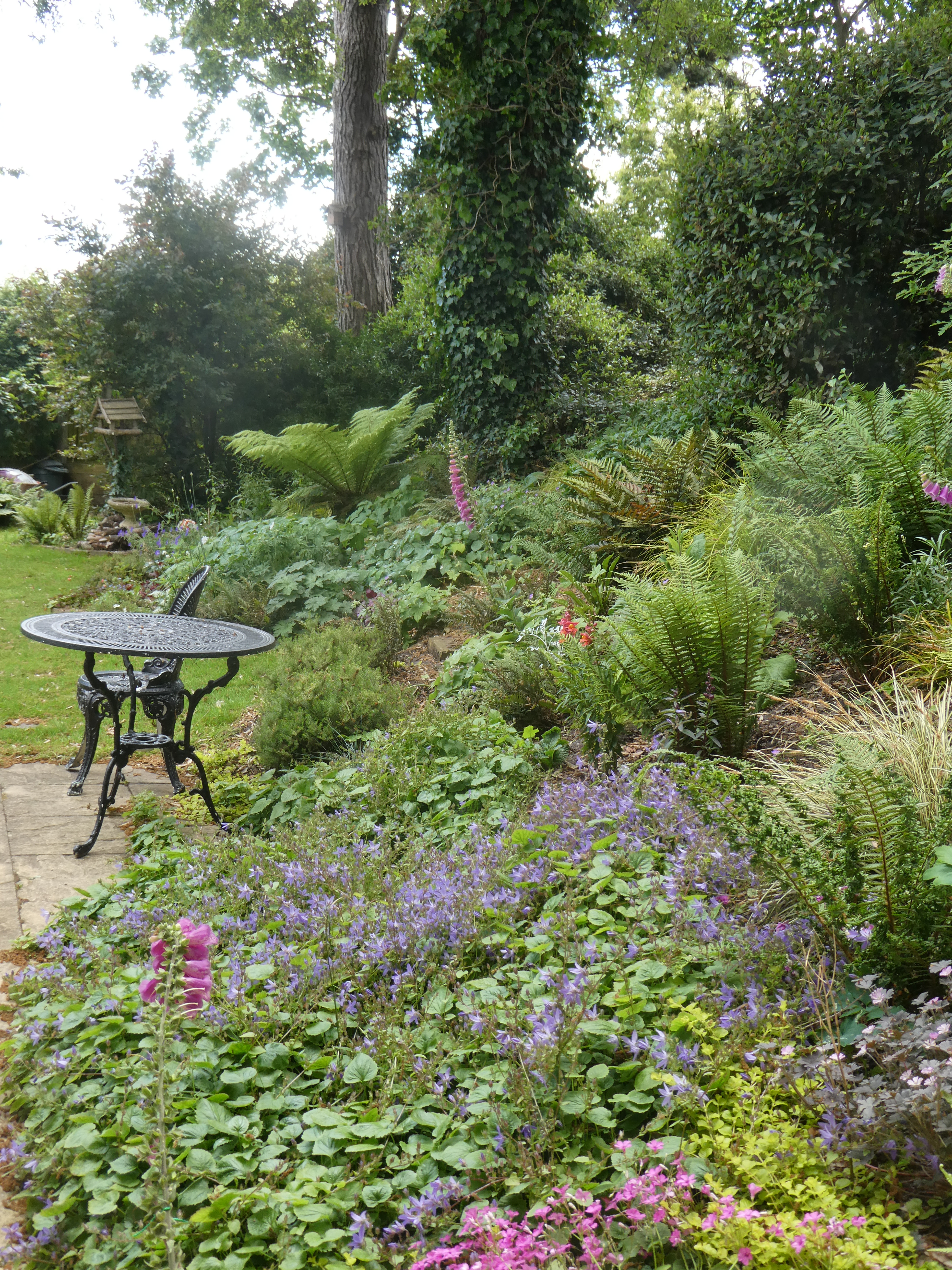
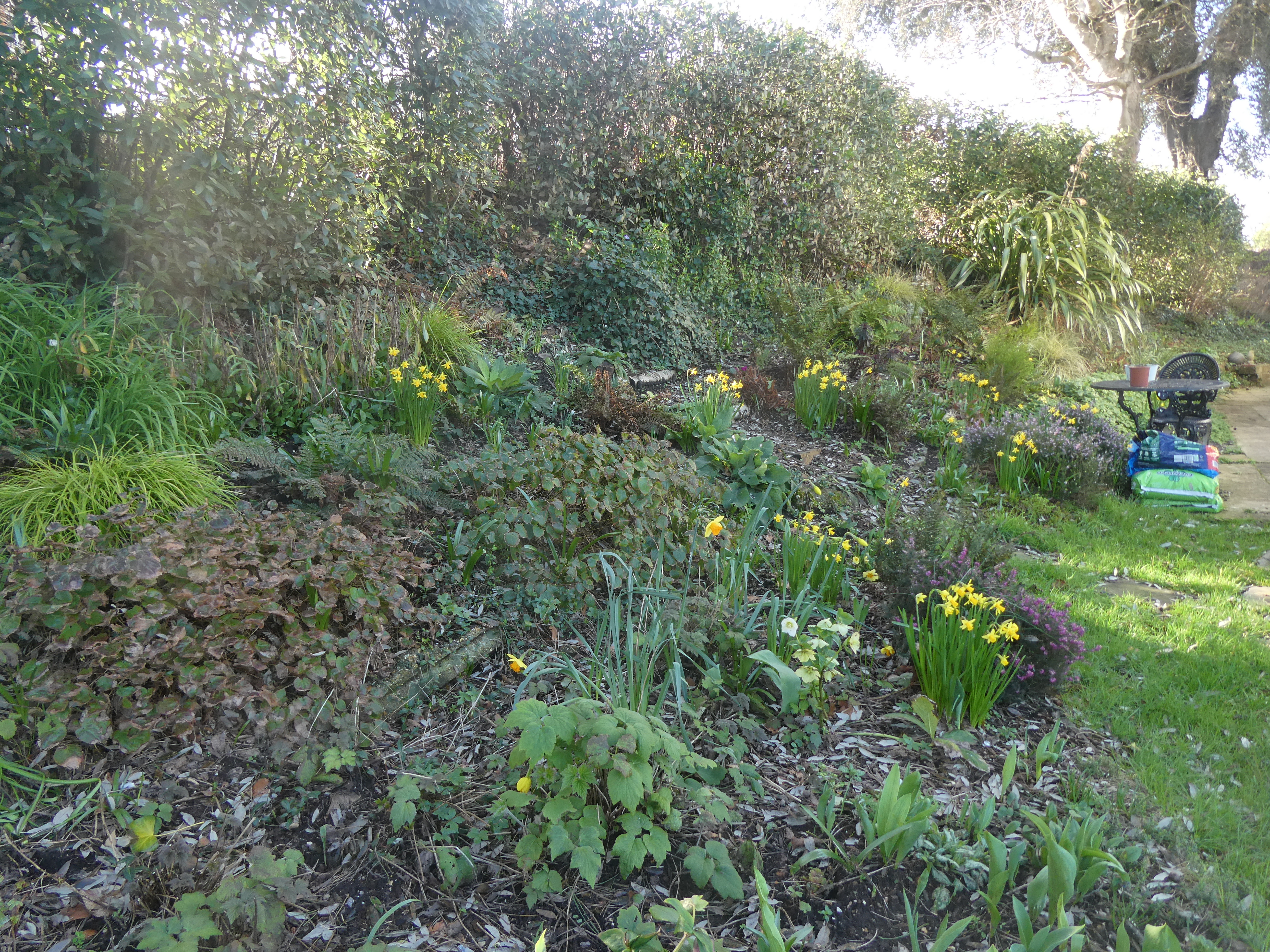
In our garden, however, the early deluges have been beneficial. The steep bank under the trees that was a tangle of ivy and brambles when we came has never looked better, with all the ferns, geraniums, grasses etc thriving. The new flowerbed we installed after a visit to wonderful Hidcote Garden in the Cotswolds has become lush and colourful, with my 70th birthday rose having pride of place and throwing out deliciously scented blooms.

It hasn’t been an easy garden. Options on planting are limited with so much dry shade. A dry shade bank must be one of the trickiest places to plant. Perseverance and trial and error have yielded so-so results until this year- this wettest of years.

Opposite the dry shade bank is a fence- still shady, still dry. A vigorous jasmine likes it. Some clematis like it and some don’t. This year I’m trying a rambling rose.

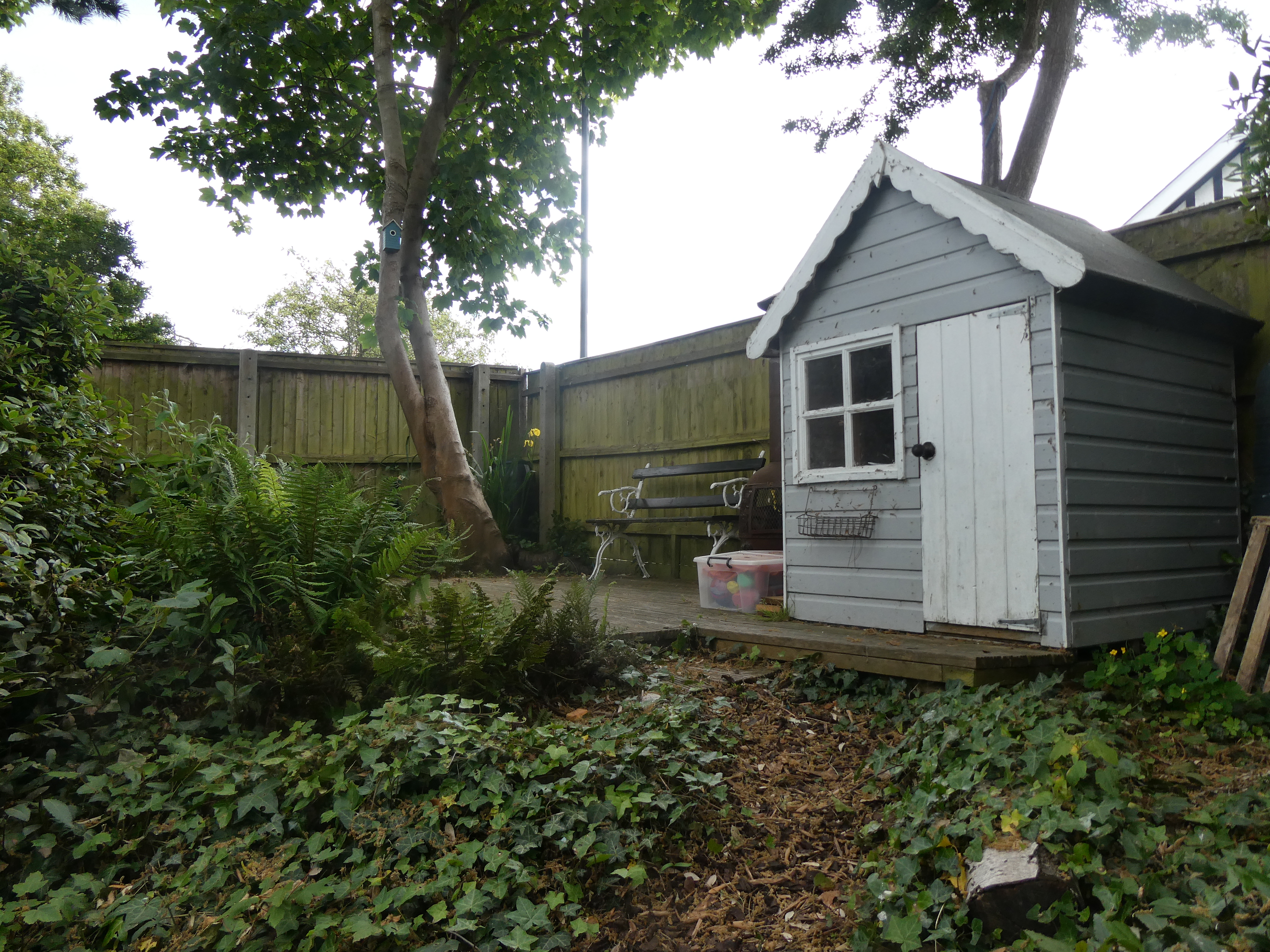
At the top of the bank, accessed by a cute path that Husband installed is a wildish space. Here he also put in a pond which has remained stubbornly devoid of life since its arrival [so much for ponds being a magnet, and all that…]. The pond is flanked by more ferns and a lot of weeds. Opposite, on the other end of the decking is a small house that we placed here for small people, although visiting grandchildren have, thus far, studiously ignored it. This may be due to the spider population which enjoys the accommodation.

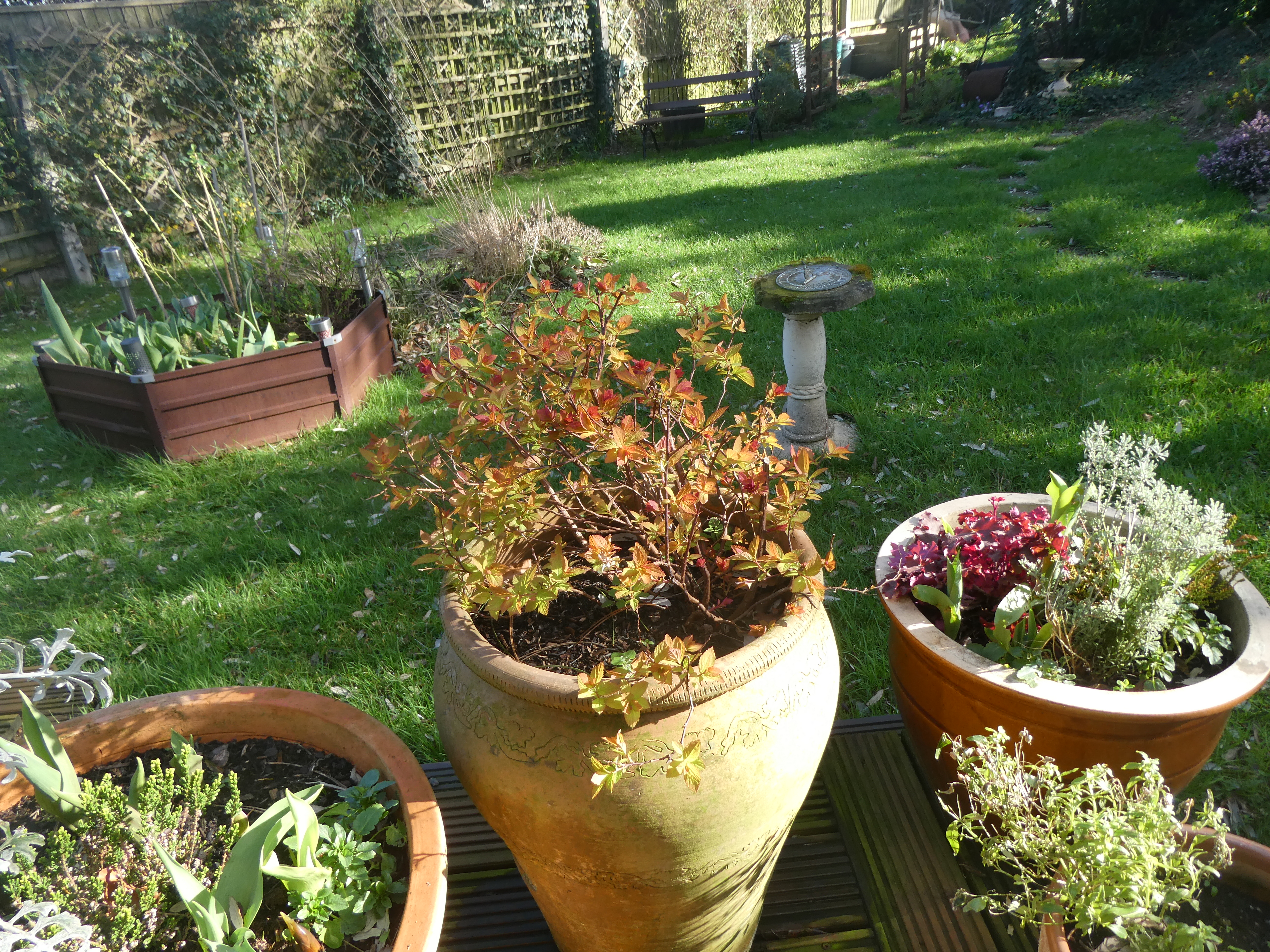
The few sunny parts of the garden are occupied by pots of annuals and by tomato plants, which I had to buy this year, as my seedlings succumbed to the cold.

All this, then, must look after itself while we take a wander off to foreign parts. Fingers crossed!

For fiction by me, Jane Deans, search for novels: The Conways at Earthsend [an eco-thriller] and The Year of Familiar Strangers [mystery drama]Visit my website: janedeans.com

The World Shrinks to the Shape of a Day

smart

How our lives have changed!

In the space of a month we have gone from leading our carefree, ignorant lives, pottering, shopping, taking a train ride, going to the pub, going for a meal, visiting our families, having visitors, going to the cinema or to the theatre, participating in gym classes, getting together with friends or  pursuing our hobbies to leading much smaller lives.

We write lists of jobs.

We clean. We turn out cupboards and sweep the garage. After time, the initial enthusiasm for cleaning begins to pall.

We garden; weeding, mulching, pruning and tidying. I long for the distraction of browsing in a garden centre.

We walk.

We watch TV. We catch up on programmes we missed or dismissed. We try a live-streamed pub quiz. We instigate a ‘movie night’-a leap of faith for Husband, who is film-averse. We watch a favourite, local singer-guitarist broadcasting from his living room.

We video message.

We listen to the news or watch it.

We pursue whichever activities we are still allowed to do.

We are the lucky ones. We have a garden, one that still requires a great deal of work. But the garden centres are closed and we must make do with whatever we can, splitting and dividing plants or moving things around.

We chat over the fence to our neighbours, keeping to our distance rule.

We make the most of our allocated daily walk, the local streets having to replace our favourites like the 12 mile sweep of beautiful Bournemouth Bay or the New Forest national park. We discover interesting or unusual sights over garden walls or in windows, becoming observant, critical or appreciative.

We cross the road in avoidance tactics-are we the only ones to do so? It seems so… We salute walking strangers, smile in acknowledgement of our shared predicament.

I bake things. We eat them. We make creative meals with the ingredients we have, or the odd items we found while cleaning out the cupboard, keeping shopping expeditions to once a week. We take turns to run the gauntlet of the weekly supermarket shop, having taken pains to write a comprehensive list, fearful of having to return before another week passes.

I exercise, using an online Pilates class. I become religious about my Pilates class, performing a morning ritual of moving furniture and rolling out my yoga mat. I grow to like my online, nameless teacher and look forward to her calm, gentle tones instructing me. ‘Well done!’ she says and I almost glow with virtual pride.

We take pleasure in the small things and are grateful for what we have-a comfortable, roomy house, a garden, healthy meals, communications from our family.

We are humbled by the heroism of so many in the face of such a mountainous catastrophe.

And we mourn for lives lost and devastated by this, the abomination of our era.

Imagine…

P1060987

On a recent walk we came across a community garden.

The latter stages of the route, near to the shopping centre took us through a housing estate which, in the past, had a reputation for being somewhat ‘rough’, resulting in school numbers dropping and so on. The housing is mixed-blocks of flats, terraced homes, semis and detached, much ex-council and now presumably housing association. The estate is not pretty but neither is it hideous since there is a great deal of green space, trees, open areas. And in the midst of one, large, open space was an enclosure laid out with raised beds, a neat row of compost bins and a shed.

A father and small daughter were working in one of the raised beds, planting and tidying. It was all shared, the dad explained and the produce from one bed could be harvested by anyone for their needs. Fresh, home grown fruit and vegetables!

To work in a garden is one of life’s pleasures. You are outside in the air, serenaded by birdsong, creating, nurturing, coaxing, often accompanied by a cheeky robin and some industrious bumble bees. It can be frustrating when plants refuse to thrive or are consumed by pests but this is more than offset by the satisfaction of seeing flowers or vegetables flourish from your ministrations. Gardening also exercises a lot of muscles you didn’t know you had!

Walking along past the community garden I allowed my mind to wander. One day I may not be able to tend my own garden. But there are long waiting lists for allotments and in our squidgy, little country space is becoming squeezed by the need for housing-new homes’ gardens becoming smaller.

What if elderly and disabled people who wanted to stay in their own homes but were unable to garden were paired with those who wanted allotments but perhaps couldn’t afford one or didn’t want the long wait? There would be a shed-full of tools. The results of the labours could be shared-as could the expertise of the person who used to tend the garden.

The garden owner would get visits-perhaps even someone to keep an eye on their wellbeing. The gardener may get a cup of tea!

I read of a scheme in the Netherlands [where ideas to help the elderly and disabled seem to abound] where a student could receive accommodation free in the home of an elderly person who might need a little help with housework etc. Of course I can think of many students who it wouldn’t suit at all-and many elderly would be horrified at the thought of a stranger in their house-but still there must be a lot more who’d be happy to share if it meant they could stay at home.

For now, though it’s back to mulching for me-backache or not…

P1060986


February Fiction 2


In Part 2 of ‘Lewis’s Basement Herbs’, Lewis’s mother’s mood becomes relaxed until the two receive an unexpected, early morning visit which is less than welcome…


Lewis’s Basement Herbs

Part 2

He waited for her to tell him to go to his room, to remind him of the ‘no TV’ sanction or to say it was bedtime, but she began to watch the next programme, a sport games show, not her usual choice. He noticed that she was smiling, another unusual event and once or twice she sniggered in an uncharacteristic way. At the end of the programme she turned to him and asked him to fetch a bag of crisps from the kitchen, which he did; one for her and another for himself. She tore into the crisps then requested the biscuit tin, helping herself to at least four, an unprecedented action. She sighed, wrapped her arms around him and kissed him, telling him what a good boy he was. Lewis grinned. The herbs must be making her feel better.
During the course of the next week Lewis sneaked a few more bags from the herb garden box and stashed them in his bedroom. When the tea caddy ran low, he topped it up with the herbal mixture. Life became more relaxed as he bathed in his mother’s benevolence and her tranquil good humour.
It was still dark on a school morning ten days later when Lewis was woken by strong light through his thin curtains, the sound of vehicles down in the road and heavy footsteps running into the building. He looked out of his window to see several police vehicles, their lights blazing and a number of police officers scurrying around, some of whom were accompanied by dogs sniffing the ground and wagging their tails. Soon the sound of their feet was echoing in the corridors and along the narrow balconies of the block and he could hear shouts and the banging of doors. He pulled a hoodie over his pyjamas and went out to the living room just as his mother appeared from her bedroom, wrapped in a voluminous towelling robe. It was five o’clock.
His mother was beginning to speak when their door was hammered by a loud knock and a voice calling, “Police. Open up please!”.
Lewis and his mother exchanged puzzled looks before she went to the door and opened it. A policeman, bulky in a yellow vest, with items hung about his waist and holding a leash attached to a laughing, wagging spaniel stepped into their small living room, filling it.
“I’m sorry to get you up but we have to search each flat I’m afraid.” He looked around. “It won’t take long and we’ll try to leave things as they are.”
Lewis thought he’d like to pat the dog, which looked friendly, but the policeman’s brusque manner was discouraging. The boy’s mother drew herself up into a statuesque stance, arms folded across her stout chest and scowled. “Officer! We are a law-abiding household. You won’t find any drugs in this flat!”
The policeman nodded. “I’m sure you’re right, Madam. But it’s procedure and as I say we’ll be out of here in a minute or two.”
The dog was whining and pulling, tail whipping to and fro like clockwork. They were in the tiny kitchenette in three strides, the woman and the boy following to lean in the doorway while the dog yapped and stood up with paws on the worktop, excitement vibrating through every hair of his curly coat. The officer turned to the woman. “Dog seems to be interested in your containers, Madam.”
Lewis’s Mum frowned at the policeman and pushed her arms higher over her bosom. “I don’t have anything except food in there-sugar, sweeteners, coffee and tea. That is all.”
The Officer withdrew a pair of gloves from his pocket. He took a caddy from the shelf, opened it and looked inside while the dog jumped beside him, barking, whining and wagging. The officer took another tin down, peered in and replaced it. He went for the third. Lewis heard his mother grunt in disapproval then the dog went wild, leaping up at the tin and barking in a frenzy. The lid was removed and the policeman shook it before sniffing the contents. He turned to the woman, tilting the caddy towards her.
“I’ll be taking this tin, Madam. And I’ll have to ask you to accompany me to the station. You might want to get dressed first. I’ll wait out here.” Now that the thrill was over the spaniel lay down on the floor, head between its paws.
Lewis’s mother’s mouth hung open as she stared at the officer. She tried to speak but no words came out. She frowned at Lewis as if begging him to help. After a moment she gathered her wits. “And what about my little boy? I can’t just leave him here you know. He’s only nine years old.”
Lewis licked his lips. He felt hot. He glanced at the policeman then at his mother, then back at the policeman. He cleared his throat, prompting them both to look at him. “Wha…what is in the caddy?” he stammered. The policeman waved the tin at him. “I believe this caddy contains an illegal substance, young man. Do you know anything about it?”
Lewis felt his face grow hot as he studied the laminate flooring. He mumbled, “Herbs-it’s just herbs.”
They were both staring at him now. He could feel their eyes on him, turning him to stone where he stood riveted to a fake knot in the plastic floorboard. “I put some herbs in the tea caddy” he managed to whisper, risking a sideways peek at his mother, who was gawping at him as if he was an alien. The policeman strode back into the living room and spoke into his radio.

Lewis led them down the steps to the basement room. Behind him he could hear the dog wheezing as he strained at the leash, enthusiasm rekindled at the prospect of more discoveries. As the boy reached the bottom of the steps and stood before the door with its frame of light, he felt a sense of loss at this, his own private retreat exposed to others’ eyes. He bent to swivel the numbers and pulled the lock open. The policeman, dog panting at his side, touched his arm. “Alright son, I’ll take it from here” and he reached in front of Lewis to pull the door open then he and the dog went in.
Lewis’s mother fixed him with what he had come to think of as the death-stare. “What” she hissed, “have you done?”

The new house still seems vast. Lewis’s new, bigger bedroom looks out over their small patch of garden and sometimes he just stands at his window smiling. Today he can see his mother sitting out on the patio and he thinks he’ll go down and offer to make her a cup of tea because this always makes her hoot with laughter. Nowadays she calls him her ‘lucky star’ for getting them this new home, away from dangerous gangs and threats, away from graffiti and basement drug manufacture. Once Lewis had convinced the police of his innocence, he and his mother had needed to be whisked away from the flats to avoid reprisals.
He wanders downstairs and outside to the tiny garden, his favourite part of the new house. His mother has sat down again so he perches next to her. “Mum” he says, bestowing on her his most guileless smile, “I’d really like to grow something in our garden, like we do at school. There’s a space at the end by the shed. I know what to do. I can grow some herbs. Please will you let me try? Please?”

I hope you enjoyed reading this 2-parter. Comments, whether you liked the story or not are much appreciated. Normal blogging will resume next Sunday. Thanks for visiting!

Nature Red in Tooth and Claw

There is no quick fix for a garden. At our last house I laboured over the garden for twenty years and waged a constant battle with the difficulties it presented: blustery, coastal breezes, dry, dusty soil with never a sign of a worm, cold winter gales and unforgiving summer sun. I learned to grow things that liked the conditions and gave up on desires for luscious rose bushes, cottage garden displays and tumbling, old English cottage looks in favour of tough, architectural plants like palms and Cordyline, resilient sea-holly and ornamental hops.

After two years of our new [to us], very different garden we continue to wrestle with a challenging set of problems although they are quite different. The dry areas here are caused by large trees and we’ve swapped relentless sun for dominant shade. Dry shade is reputed to be one of the most difficult conditions to address in a garden, this being also exacerbated by slopes. Dry shade slopes.

During our spring expedition three clematis [out of five] turned up their roots and expired due to drought, after which I watered, since we were not subject to a hose pipe ban and fed every last plantlet. In spite of this mildew set in to such traditionally hardy stalwarts as honeysuckle and geraniums.

In our semi-wild garden we are fortunate to see regular wildlife visitors such as foxes, bats and squirrels as well as a large range of wild birds. In late May a speckled juvenile robin became so tame as to perch on my fork as I delved into the compost heap and accompanied me on all evening watering sessions. We christened him ‘Speckle’ and he continues to visit now-although with a handsome red waistcoat and a little less intrepid.

In the dried out lawn bumble bees set up home and have kept us entertained throughout the hot, dry summer with their coming and going. They vary in size from small, agile creatures to gargantuan, furry bombs whose improbable flights are ungainly. They lurch in drunken circles in efforts to land and access the tunnel they’ve constructed.

I hankered after a hedgehog to complete the wildlife in our garden, which should be the perfect habitat-with a miniature copse, piles of leaves, piles of logs, abundant snails, water and all hedgehog mod-cons. We constructed a small hole in the base of the fence to allow access and departure.

I visited the garden late at night with no results, until one morning Husband woke up and spotted one on the grass in broad daylight, just beside the bumble bee nest. He brought me the news: the creature was lying on its back, lifeless. My one and only hedgehog-deceased!

Did it stumble into the environs of the bumble bee nest? Did a fox attack it? Or an owl? We will never know. And I have yet to see a real, live hedgehog availing itself of the garden facilities. Ho hum…


Two Memorable Summers

The summer of 1976. Long, hot, dry days. A summer that stretched on in an endless, sweaty haze punctuated by occasional fires, hosepipe bans and exhortations to ‘bath with a friend’.

I was still in the early years of my career, although I’d switched jobs and had moved from a school in a 3 story tenement building in Stockwell to a light, airy, leafy special school [for ‘delicate’ children] in Putney where I was responsible for all of twelve children in a huge classroom. I loved everything about my new job, from the joys of working with such a small number of children to the social life of the staffroom; from the three delicious meals each day, [cooked on site] to the convenience of living a twenty minute walk away. I’d moved from Wimbledon to share a flat in Putney with a girl who’d begun working at the school at the same time.

One wall of each classroom in this modern building was glass, giving a view on to landscaped grounds but in a hot spell heating the rooms to oven temperatures in the afternoons. Our gregarious, eccentric boss, who had a gammy leg and was given to gesturing wildly with his stick, instructed us to take the children outside under the trees, a directive that we were only too delighted to follow. These were sick children, suffering from a range of conditions that included chronic asthma, heart problems and cycstic fibrosis. They flopped down under the trees and slept while we worked on our tans, having given up all pretence of holding meetings or making teaching aids.

By the time the long summer holiday came I’d acquired skin the shade you would expect from a long sojourn in a tropical location-and remember this era pre-dated any enlightened warnings about sunbathing.

This summer is the longest and hottest in the UK since that heady season of 76. And while I may not tolerate blistering sunshine as well as I could in my 20s I continue to love hot weather. I love soft, still early mornings and long, light, balmy evenings. Yes, the garden is dry. The grass is golden and crispy. Bumble bees have taken up residence in the lawn, tunnelling underneath the decking. The come and go in a relentless, dedicated relay, circling drunkenly before they make their inelegant landings then disappearing into the grassy tunnel.

As yet we’ve been spared a hosepipe ban, unlike 1976. I no longer loll around in the sun and am more likely to be walking, cycling or gardening. To relax I’ll seek out some dappled shade and settle with a book. I’ve become a conscientious user of sun cream and wearer of hats. We eat dinner with the doors wide open and a view of the river at the lowest it’s been since we moved here, flowing slowly and exposing islands of weed for hopeful moorhens to pick over.

Some day soon it will be over, this hot spell-and autumn will be upon us. But for now I’m going to enjoy every day, just as I did 42 years ago.


The Garden Birdwatch

The previous occupants of our house had two, small, yappy dogs whose favoured latrine area seems to have been the roughly triangular patch of scruffy grass in what is now our back garden. I know this because I’ve had to spend time and effort removing the evidence. In the beginning there were no bird visitors to the modest space that we call a garden, presumably due to fear of the two yappy dogs.

We’ve spent the six months since we moved attempting to lure birds back into the garden, wooing them with a fortune’s worth of tasty treats. Peanuts, mixed seeds, fat slabs, sunflower hearts, bread scraps and [their favourite] mealworms are displayed for their delectation, with the result that we now have a regular flow of tiny [and not so tiny] feathered guests to the cafeteria in the back yard, where a bird table and a contraption like a hat stand with hooks display a range of titbits.

Following the success of this enterprise I applied to do the Royal Society for the Protection of Birds’ ‘Great Garden Birdwatch’. This initiative exists to investigate how numbers of differing species are changing. It does not involve a terrific investment of time [one hour over the course of a specific weekend] and requires little more than observation and recording. I am, however confused. We are not asked to count the birds or to record the different species. We must record the greatest number of any given species at one time. OK. How is ‘one time’ defined? The birds are not obligingly cooperative in this respect, visiting in pairs or serially as individuals.

We settled down at our large window with sheets of paper and pens. The most frequent visitors to the feeders are great tits, an almost incessant stream of them, though rarely in numbers of more than two at a time. There is the inevitable pair of robins who are mostly enamoured of the bird table. Husband, as part of the war he is continuing to wage against squirrels has encased the open sides in wire netting which has nevertheless been breached a few times. Then there are blue tits, lumbering wood pigeons and intermittent groups of starlings.

The traffic flow was slow at the beginning but then there are flurries of frantic activity. I’ve noticed before how a mixture of species come into the space in waves, perhaps as security in numbers. I was both disappointed with the lack of some of our frequent visitors [like wrens] and delighted by the appearance of others, especially the long-tailed tits, who never deigned to visit our previous residence and a pair of chaffinches who are rarely seen.

How scientific is the exercise? The surveys can hardly be expected to be reliable, since some are bound to be a little over enthusiastic with their data. I suppose the collators must cross-check with postal codes. If I were to note that a golden eagle had entered our portals the credibility would be stretched somewhat.

But it was an enjoyable hour. If nothing else it gave us an excuse to sit and stare and [as William Henry Davies famously penned] what is this life otherwise?